


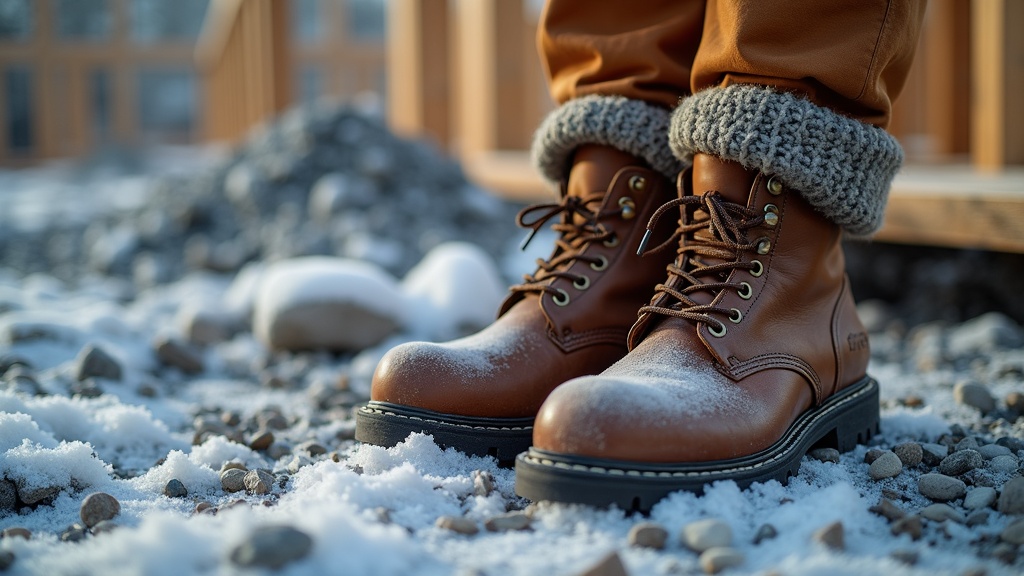
Your feet hit the cold ground before your first cup of coffee is finished. By lunch, they're either still warm or they've been killing you for three hours. The sock you pulled on this morning made that call.
This is a straight breakdown of the best socks for winter construction and outdoor trades in 2026. No sponsored fluff. Just what works when it's 18 degrees and you've got eight hours left on the clock.
Key points at a glance
- Cotton kills. Merino wool and synthetic blends are the only real options for cold-weather trades.
- Cushion zone, height, and moisture control matter more than brand name.
- Steel toe boots compress standard socks, so fit and thickness have to match the boot exactly.
- Darn Tough and Smartwool lead the pack for durability and warmth, but Carhartt and Farm to Feet hold their own for the price.
- Layering socks below freezing is a real technique, not a myth, but only if your boot has the room.
- Real tradespeople consistently dump cheap socks after one season and call it a lesson learned.
What a Great Winter Work Sock Actually Does
Why Cheap Socks Are Costing You More Than You Think
A three-pack of discount socks from the big box store runs about $8. They're gone in six weeks. The heel blows out, the elastic gives up, and once that moisture barrier fails, your feet are soaked and cold for the rest of the shift.
A quality pair of Darn Tough or Smartwool runs $25 to $35. They'll last two full winters with regular washing. Do the math on that before you reach for the cheap stuff.
Cold, wet feet also slow you down. Discomfort is a distraction, and on a jobsite, distraction costs more than a sock ever will.
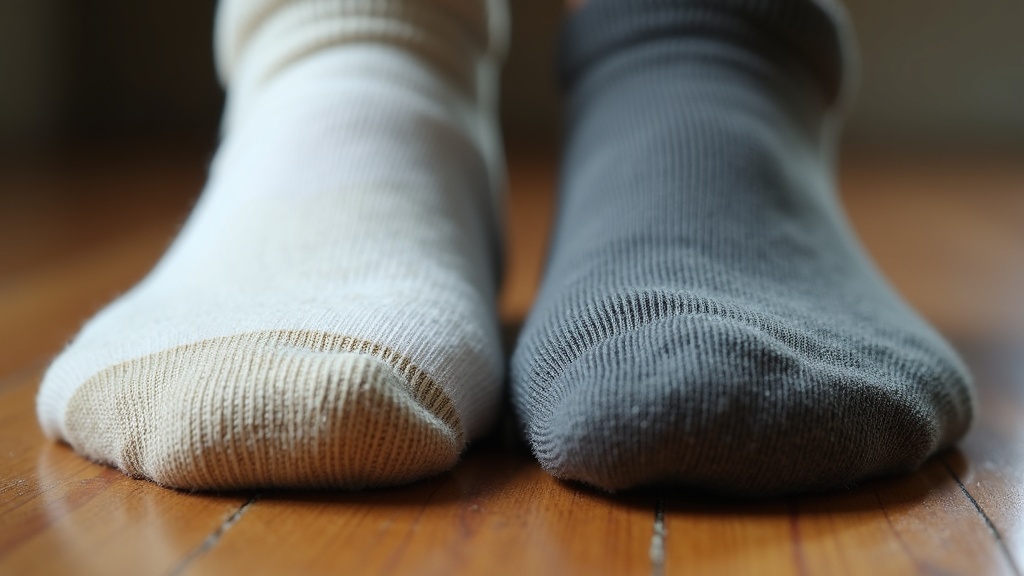
What to Look for in a Winter Work Sock (Before You Buy Anything)
Don't get distracted by marketing. Four things actually matter on a cold jobsite:
- Material: Merino wool or a merino/synthetic blend. Never cotton for cold weather.
- Cushion level: Medium to heavy cushion for concrete and frozen ground. Light cushion only if your boot is very tight.
- Height: Over-the-calf is the standard for work boots. It stays up, it doesn't bunch, and it protects the shin from boot rub.
- Reinforcement: Look for a reinforced heel and toe. That's where every work sock dies first.
Also pay attention to the moisture management system. A sock that traps sweat becomes a cold sock fast, especially during breaks when you stop generating body heat.
Did you know?
Merino wool fibers can absorb up to 30% of their weight in moisture before they feel wet, and they still retain about 80% of their insulating value even when damp. Cotton loses nearly all insulation the moment it absorbs sweat.
The Best Socks for Winter Construction and Outdoor Trades, Ranked
1. Darn Tough Vermont Hiker Micro Crew Heavy Cushion
The most consistently recommended sock in trades forums and Reddit's r/Construction. 100% unconditional lifetime warranty. Heavy cushion, merino blend, holds its shape after 50+ washes. This is the benchmark everything else gets measured against.
2. Smartwool Performance Work Heavy Crew
Slightly more refined fit than Darn Tough. Better for guys who spend time on ladders or doing detail work where foot feel matters. The Indestructawool reinforcement actually holds up at the heel and toe.
3. Carhartt Force Thermal Over-the-Calf
The most affordable option that still performs. FastDry technology keeps moisture moving. Not quite the warmth of pure merino in extreme cold, but at roughly half the price, it's a legitimate daily driver for most tradespeople.
4. Farm to Feet Damascus Heavy Cushion
American-made merino, heavier weight, excellent for below-freezing temps. Runs slightly thicker, so verify fit in your boot before committing to a six-pack.
5. Wigwam Merino Lite Work Sock
The mid-weight option for guys who run hot or have tighter-fitting boots. Not a cold-weather specialist, but it bridges spring and fall shoulder season well.
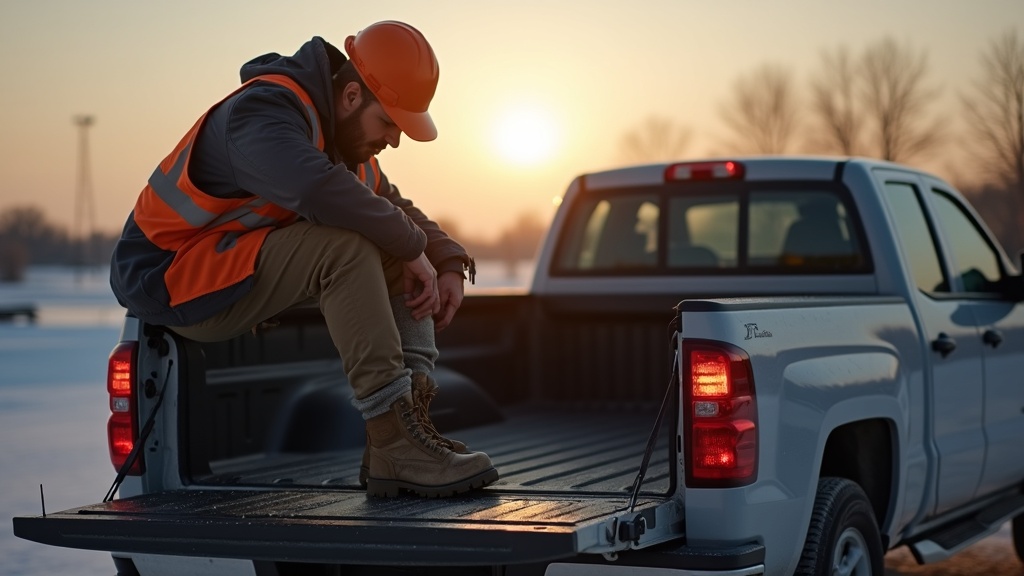
Merino Wool vs. Synthetic vs. Cotton: Which Material Actually Works on a Jobsite
Short answer: cotton doesn't belong on a winter jobsite, period. Here's how the real contenders stack up:
| Material | Warmth When Wet | Moisture Wicking | Durability |
|---|---|---|---|
| Merino Wool | Excellent (retains ~80%) | Very good | Good (needs reinforcement) |
| Merino/Nylon Blend | Excellent | Excellent | Very good |
| Synthetic (polyester/acrylic) | Moderate | Good | Very good |
| Cotton | Poor (loses insulation fast) | Poor (holds moisture) | Moderate |
| Wool/Synthetic/Spandex | Very good | Very good | Excellent (best longevity) |
The sweet spot for most tradespeople is a merino/nylon/spandex blend: natural warmth from the wool, durability from the nylon, and enough stretch to stay in place all day without cutting off circulation.
Best Socks for Steel Toe Boots Specifically
Steel toe boots compress the toe box. A thick sock in a tight boot cuts off circulation, and cold blood doesn't circulate. That means your toes get colder, not warmer, no matter how thick the sock is.
The fix: size your boot with the sock you plan to wear. If you're already in your boots, go medium cushion instead of heavy. The Darn Tough Hiker Micro Crew in medium cushion is specifically suited for this.
- Avoid thick looped terry everywhere socks inside composite or steel toes.
- Prioritize targeted cushioning at the heel and ball, not the toe cap area.
- Over-the-calf height prevents the sock from sliding down and bunching under the arch.
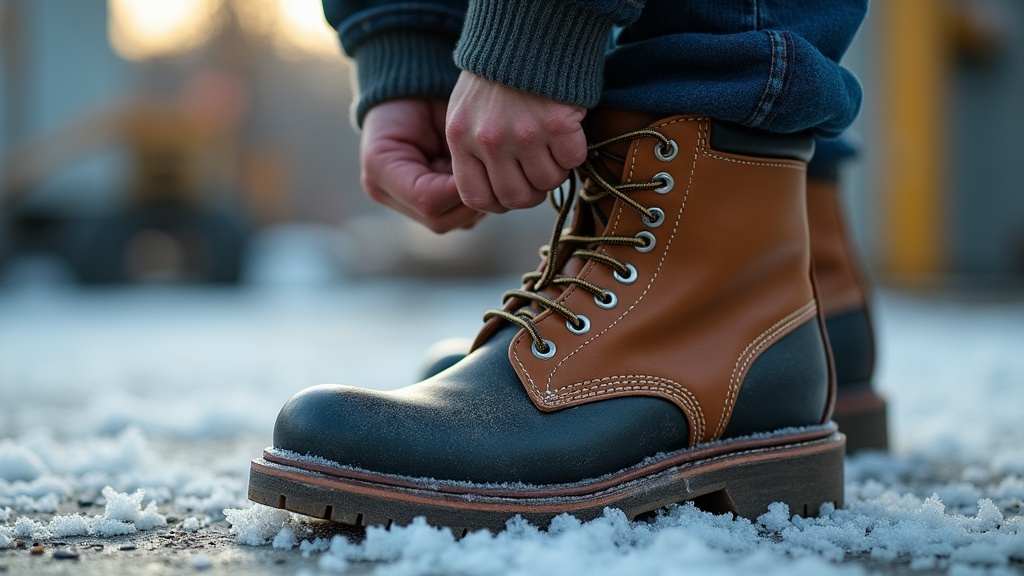
How to Keep Your Feet Warm When Temps Drop Below Freezing
Good socks alone won't save you at 5°F. Here's what actually works when the temperature turns serious:
- Liner sock system: A thin merino or polypropylene liner under a heavy cushion sock. The liner wicks, the outer insulates. Only works if your boot has the volume for it.
- Insulated boot insoles: Foam or reflective insoles stop cold from transferring up through the boot sole. Cheap upgrade, big difference.
- Dry sock swap at lunch: Carry a second pair. Swap at midday. This single habit keeps feet functional through a full winter shift.
- Keep your boot laces loose enough: Cinching boots too tight compresses blood flow. Warm blood is your natural heating system.
Did you know?
According to OSHA cold stress guidelines, workers exposed to temperatures at or below 40°F should be monitored for early signs of hypothermia. Keeping extremities warm, including feet, is a first line of defense that starts at the gear level.
What Real Tradespeople Say About Their Socks (Reddit, Crews, Forums)
Pulled from r/Construction, r/Roofing, and several trade forums over the past year. The pattern is consistent.
- "Darn Tough with a merino liner. I work roofing in Minnesota. That's it, that's the answer."
- "Smartwool changed my life. I used to dread winter. Now it's just another day."
- "Bought Carhartt Force in bulk. Four pairs, rotate them, wash every night. Held up all last winter."
- "The worst thing I ever did was wear thick cotton socks in my Timberland Pros. Soaked through by 9 a.m., frozen by noon."
The common thread: anyone who switched to quality merino socks did not go back. The price objection disappears after the first full winter.
Build Your Winter Sock Kit Right Now
Don't overthink the rotation. Three to five pairs, washed regularly, stored flat. Here's a simple kit that covers any trade in any cold-weather condition:
- Everyday cold (20°F to 40°F): Darn Tough Hiker Micro Crew, heavy cushion.
- Extreme cold (below 20°F): Thin merino liner + Farm to Feet Damascus heavy cushion over it.
- Steel toe boots, tight fit: Darn Tough medium cushion or Smartwool Performance Work, medium weight.
- Budget option: Carhartt Force Thermal Over-the-Calf. Buy four pairs and rotate daily.
- Sweaty feet issue: Smartwool or any wool/nylon blend. Wool manages odor and moisture better than any synthetic.
Start with two pairs of whatever you pick. Wear them for two weeks. If your feet are still suffering, move up a warmth level or try the liner system. The answer is always in the feedback your feet give you.
