


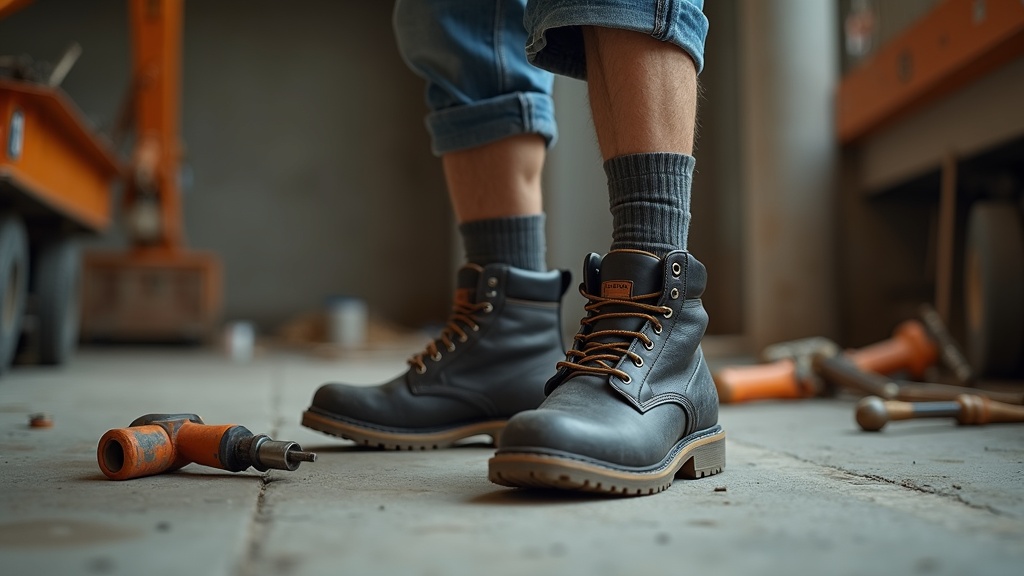
Your feet hurt by noon, your ankles are puffed up by quitting time, and someone told you ankle compression socks would fix that. Fair question: do ankle compression socks work, or are they just another thing sold to people who are tired and desperate?
Short answer: yes, they work. But they work for specific things, not everything. Here's what you need to know before you buy a pair.
Key points at a glance
- Ankle compression socks reduce swelling and improve circulation in the foot and ankle, but they do less for the calf than knee-highs.
- For most trades workers standing all day, knee-high compression socks outperform ankle cuts for full-leg relief.
- Ankle cuts are a solid choice when you wear tall boots, have mild swelling, or just need low-profile support.
- Compression levels between 15 and 30 mmHg cover the needs of most workers without a prescription.
- Side effects are rare but real: wrong sizing causes more problems than the socks solve.
- Varicose veins need knee-high coverage to do any meaningful good.
What You Get From Ankle Compression Socks
What Ankle Compression Socks Actually Do (No Fluff)
Compression socks apply graduated pressure, tightest at the foot and gradually lighter moving up. This squeezes the veins just enough to push blood back toward the heart instead of letting it pool in your lower legs.
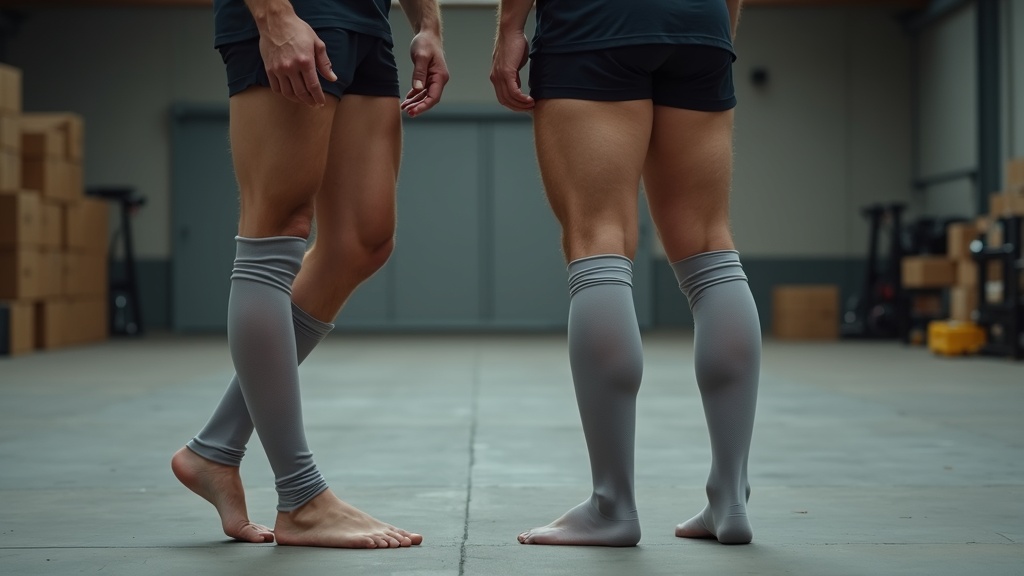
Ankle-cut versions do this for the foot and ankle only. They don't compress the calf. That's the whole trade-off you need to understand before anything else.

Do They Work as Well as Knee-High Compression Socks?
Not for everything. If you're standing on concrete for 9 hours, knee-highs win. They compress the calf muscle, which acts like a second pump pushing blood upward. Ankle cuts skip that entirely.
That said, ankle compression socks for swelling are genuinely useful when swelling stays concentrated in the foot. Some people only swell in the foot, not the calf. For those folks, ankle cuts are enough and a lot more comfortable inside a boot.
Did you know?
The calf muscle is often called the "peripheral heart" because its contractions during walking push about 50% of the blood back up from the lower leg. Compression socks reinforce this pump effect, especially when you're standing still.
What Ankle Compression Socks Are Good For on the Job
These are the situations where ankle cuts make real sense for trades workers and laborers:
- Wearing tall work boots: knee-highs bunch and bunch badly inside an 8-inch boot. Ankle cuts sit clean.
- Mild foot swelling that doesn't creep up the leg by end of shift.
- Hot environments: less coverage means less heat trapped around the leg.
- Arch and plantar support while on hard floors, especially in warehouses and kitchens.
- Post-injury recovery when a doctor recommends localized compression around the ankle.
What They Won't Fix (Be Honest With Yourself)
Ankle compression socks for varicose veins? Mostly not the right tool. Varicose veins form in the calf and thigh. You need coverage all the way up to the knee, minimum.
If your legs ache from thigh to foot, or your calves feel heavy like wet concrete by mid-afternoon, ankle socks won't cut it. That's a job for knee-highs at 20 to 30 mmHg. Don't spend money on the wrong product and blame compression socks as a category.
Compression Level: What Number Should You Be Wearing?
Compression is measured in mmHg (millimeters of mercury). Higher number, more squeeze. Here's where most workers land:
| Level (mmHg) | Best For | Prescription Needed? |
|---|---|---|
| 8 to 15 mmHg | Light fatigue, travel, standing a few hours | No |
| 15 to 20 mmHg | Full shift standing, mild swelling, achy legs | No |
| 20 to 30 mmHg | Moderate swelling, varicose veins, trades workers on hard surfaces | No (but check with a doctor) |
| 30 to 40 mmHg | Diagnosed venous insufficiency, lymphedema | Yes |
Most workers doing physical labor will get the most mileage out of 20 to 30 mmHg. Start at 15 to 20 if you're new to compression and work up from there.
Are There Any Side Effects Worth Knowing About?
Compression socks side effects are real but almost always caused by wrong sizing or the wrong compression level. Here's what can go wrong:
- Too tight: cuts off circulation at the ankle, causes numbness or tingling. This is a sizing problem, not a product problem.
- Skin irritation: cheaper synthetic blends trap moisture and rub. Look for nylon-spandex or merino-blend options.
- Rolling down during the day: means the sock is too large or the compression is too low to stay up on its own.
- People with peripheral arterial disease (PAD) should not wear compression socks without a doctor's sign-off. Compression can restrict already-limited blood flow.
Did you know?
A 2014 study published in the Journal of Vascular Surgery found that workers who wore graduated compression stockings for 4 weeks reported a significant reduction in leg fatigue and end-of-day swelling compared to a control group wearing regular socks. The effect was strongest in workers who stood for more than 6 hours per shift.
Ankle Compression Socks vs Knee-High: Which One Do You Actually Need?
Here's the straight version:
- Swelling or pain above the ankle: get knee-highs.
- Wearing tall boots all day: ankle cuts work and stay comfortable.
- Varicose veins anywhere on the leg: knee-highs only.
- Just arch and foot support with mild swelling: ankle cuts are fine.
- Best compression socks for standing all day on concrete: knee-high at 20 to 30 mmHg is still the gold standard.
How to Get the Most Out of Them on a Long Shift
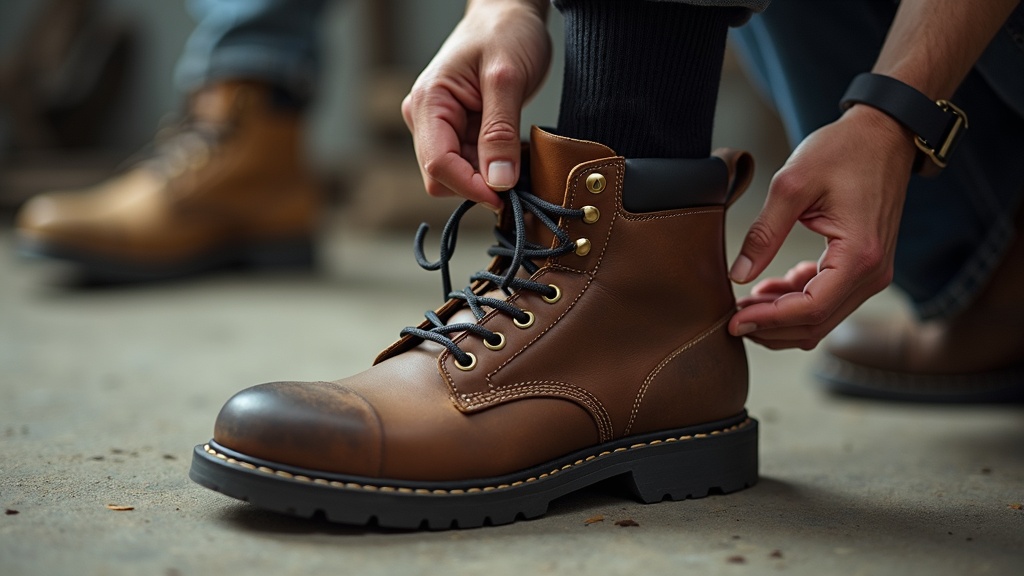
The sock does the work, but you can help it along. Put them on first thing in the morning before you've been standing. Once swelling starts, it's harder for compression to push it back down.
Wash them after every shift. Compression fabrics lose elasticity fast when salt and sweat break down the fibers. Hand wash or machine wash cold, hang dry. Most pairs last 6 months of daily wear with that routine.
If your feet still swell badly after 2 weeks of consistent wear, move up a compression level or switch to knee-high. Don't stick with something that's not doing the job.
Bottom Line: Worth Buying or Not?
Yes, ankle compression socks work for the right person and the right problem. If your swelling stays in the foot, you're in tall boots, or you just need light support through a long shift, they're worth every dollar.
If you're dealing with heavy calf swelling, varicose veins, or 10-hour days on hard floors, go knee-high. Don't buy ankle cuts hoping they'll do a knee-high job. They won't. But for what they're actually built to do, compression socks for trades workers in ankle cut form hold up and make a real difference by the end of the day.
Pick the right level, size them correctly, put them on before you start your shift, and wash them daily. That's the whole system.
