


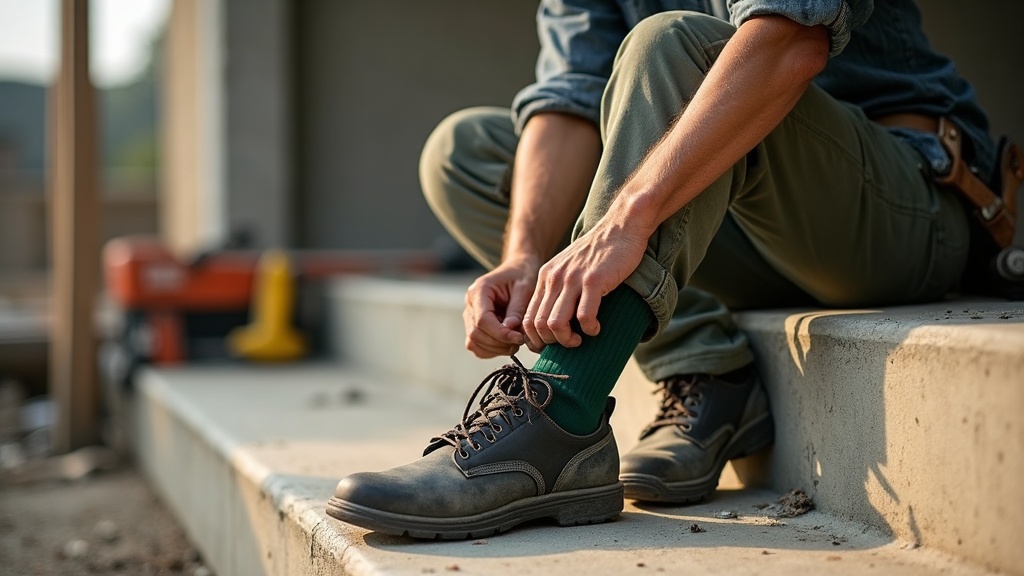
Your feet take a beating every single day. Concrete floors, twelve-hour shifts, steel-toe boots that don't breathe. By quitting time, your legs feel like they're packed in wet sand. Bamboo compression socks have been showing up everywhere, and the question is simple: do bamboo compression socks work, or is it just another marketing angle?
The short answer is yes, with caveats. The longer answer is what this article is about. We're going to look at the actual mechanics, the real trade-offs, and what pair is actually worth pulling out your wallet for.
Key points at a glance
- Bamboo compression socks do work, provided the compression rating (mmHg) is correct for your needs.
- The bamboo fiber adds real moisture control and odor resistance, which matters on long shifts.
- 20-30 mmHg is the sweet spot for blue-collar workers dealing with fatigue, varicose veins, or mild swelling.
- Wide-calf options exist and matter: a sock that cuts off circulation is worse than no compression at all.
- Bamboo blends outlast pure bamboo in compression socks, so check the fabric breakdown before you buy.
- They are not a medical fix for serious neuropathy or advanced venous disease. See a doctor for that.
Why Tradesmen Are Switching to Bamboo Compression
What Bamboo Compression Socks Actually Do (Skip the Marketing)
Compression socks squeeze your lower leg. That's the whole job. The pressure is highest at the ankle and gradually releases as it moves up the calf. This forces blood that would otherwise pool in your feet back up through your veins toward your heart.
Bamboo adds a second layer of benefit. The fiber itself, usually bamboo viscose or bamboo rayon, pulls moisture away from your skin faster than cotton and resists odor-causing bacteria naturally. On a ten-hour shift in work boots, that matters more than people give it credit for.
The Science Behind Graduated Compression: Why mmHg Numbers Matter
mmHg stands for millimeters of mercury, the same unit used to measure blood pressure. It tells you how hard the sock is squeezing your ankle.
- 8-15 mmHg: Light, travel-grade. Barely enough for someone on their feet all day.
- 15-20 mmHg: Mild support. Good for early-stage fatigue or prevention.
- 20-30 mmHg: The workhorse range. Best bamboo compression socks 20-30 mmHg is what most workers with real swelling, varicose veins, or long hours need.
- 30-40 mmHg: Medical-grade. Requires a prescription in most cases and is not for casual daily wear.
For bamboo compression socks for long shifts, 20-30 mmHg is the standard recommendation from vascular specialists. It's firm enough to make a difference without cutting circulation in a steel-toe boot.
Did you know?
A 2014 study published in the Journal of Vascular Surgery found that workers who wore 20-30 mmHg graduated compression socks during eight-hour standing shifts reported a 50% reduction in end-of-day leg fatigue compared to those wearing standard socks. The compression doesn't just feel better, it measurably improves venous return velocity.
Bamboo vs. Synthetic Compression Socks: Which One Holds Up on the Job
Most compression socks on the market are nylon and spandex. They compress well and last a long time, but they trap heat and sweat. Inside a work boot for twelve hours, that creates a wet, warm environment that breeds blisters and fungal issues.
Bamboo blends breathe better and stay softer wash after wash. The trade-off is that pure bamboo fiber has less elasticity than nylon, so most quality bamboo compression socks are a blend, typically 70-80% bamboo viscose with spandex or nylon for the elastic structure.
| Feature | Bamboo Compression | Nylon/Synthetic Compression |
|---|---|---|
| Moisture wicking | Excellent, draws sweat away fast | Good but holds more heat |
| Odor resistance | Natural antimicrobial properties | Odor builds over time |
| Compression durability | Good with spandex blend | Very good, retains shape longer |
| Skin softness | Very soft, low friction | Can feel rough on sensitive skin |
| Wide calf fit | Available, check sizing carefully | More options in the market |
| Price range | $15-35 per pair | $10-25 per pair |
Are Bamboo Compression Socks Better Than Regular Ones? Straight Answer
For compression socks for blue-collar workers specifically, yes. The comfort and moisture management are meaningfully better during long standing shifts. The compression function itself is the same, what changes is how your foot feels inside the boot at hour ten.
If you work a desk job and slip them on for a flight, you won't notice much difference. But if you're on your feet on concrete, the bamboo fiber earns its price premium.
What the Disadvantages Are (Because There Are Some)
No product is perfect, and these aren't either. Here's what to watch for:
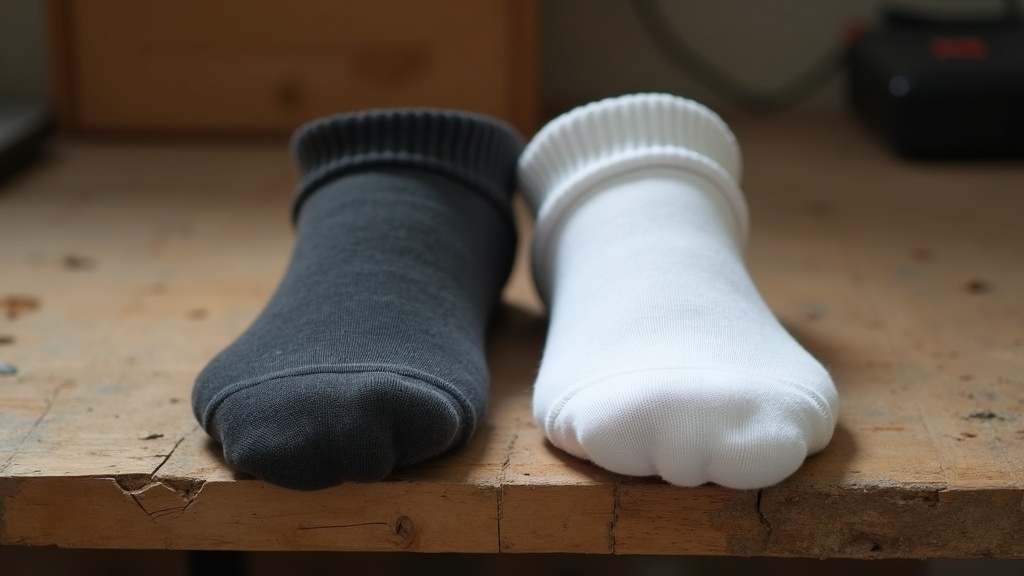
- They stretch out faster than pure synthetic. After 50-60 washes, bamboo blends lose compression sooner than nylon-heavy socks. Replace them every 6 months if you wear them daily.
- Sizing is inconsistent across brands. A medium in one brand is a large in another. Always check the ankle and calf measurement chart, not just shoe size.
- Bamboo viscose is not the same as raw bamboo. It goes through a chemical process to become a wearable fiber. Some environmental claims on the packaging are overstated.
- They cost more. Budget for $20-30 per pair for a quality bamboo compression sock with a proper 20-30 mmHg rating.
Who Should Actually Wear Bamboo Compression Socks (Varicose Veins, Neuropathy, Wide Calves)
Varicose Veins
Bamboo compression socks for varicose veins work best as a preventive and daily comfort tool at 20-30 mmHg. They won't make varicose veins disappear, but they slow progression and reduce the aching that comes with standing shifts. If you already have visible, bulging varicose veins, talk to a vascular doctor before self-prescribing a compression level.
Neuropathy
Bamboo compression socks for neuropathy are a trickier call. The softness of bamboo fiber helps with skin sensitivity that often accompanies diabetic neuropathy. However, compression above 20 mmHg can be contraindicated if arterial circulation is already compromised. A podiatrist's opinion is worth getting first.
Wide Calves
Bamboo compression socks wide calf versions exist and are essential if your calf measures over 16 inches. A sock that digs into the top of the calf creates a tourniquet effect, which is the opposite of what you want. Look for brands that list a calf circumference range, not just a shoe size range.
Did you know?
The American Podiatric Medical Association estimates that over 75% of Americans will experience a significant foot problem at some point in their lives. For workers who spend more than six hours a day on their feet, that number climbs even higher. Compression socks are one of the few low-cost interventions with consistent clinical backing for reducing daily leg fatigue and edema.
How to Pick a Pair That Won't Fall Apart by Lunch
Here's a practical checklist before you buy:
- Check the mmHg rating. It should be printed on the packaging. If the brand won't tell you the compression level, skip it.
- Look at the fabric breakdown. Aim for 65-80% bamboo viscose, with spandex or nylon making up the rest. Pure bamboo won't hold compression.
- Measure your calf, not just your shoe size. Wrap a tape measure around the widest part of your calf and match it to the brand's sizing chart.
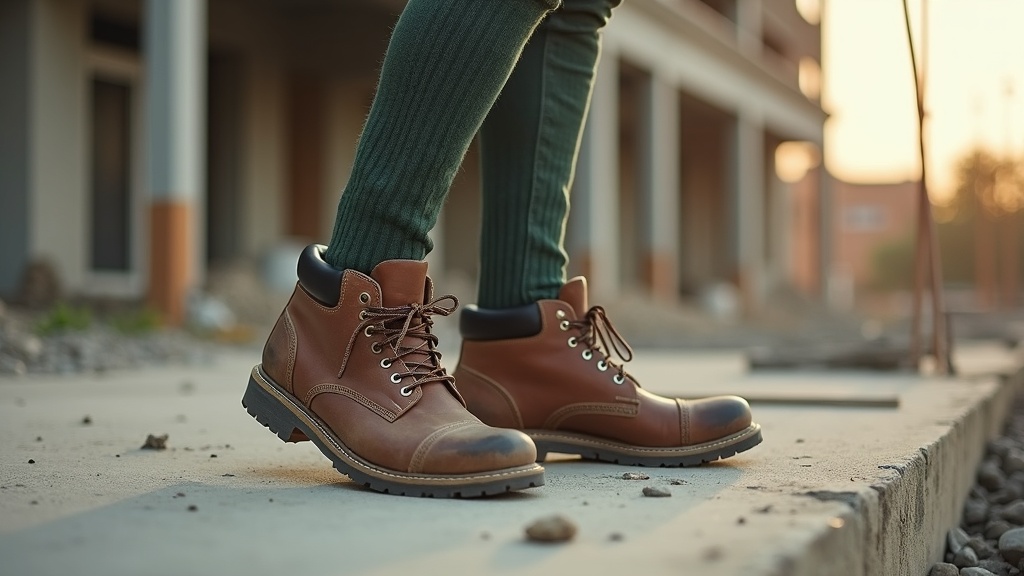
- Check the toe seam. A bulky seam under a steel-toe boot creates a pressure point that will ruin your day. Look for flat or seamless toe construction.
- Read washing instructions. Machine wash cold, air dry extends the life of bamboo compression socks significantly. Heat breaks down the elastic faster than anything else.
Bottom Line: Worth Your Hard-Earned Dollar or Not
If you work on your feet and you're dealing with swollen ankles, tired legs, early varicose veins, or just want to feel less wrecked at the end of the day, a quality pair of bamboo compression socks at 20-30 mmHg is one of the best fifteen-dollar-a-day investments you can make in your own body.
They won't fix a structural problem. They won't replace a doctor's recommendation for serious venous disease. But for the average tradesman who's been standing on concrete since six in the morning, they work. The bamboo makes them more comfortable than standard synthetic options, and comfort on the job is not a luxury. It's what keeps you showing up and performing.
Buy two pairs. Alternate them. Wash cold. Air dry. Replace every six months if you wear them daily. That's the whole play.
