


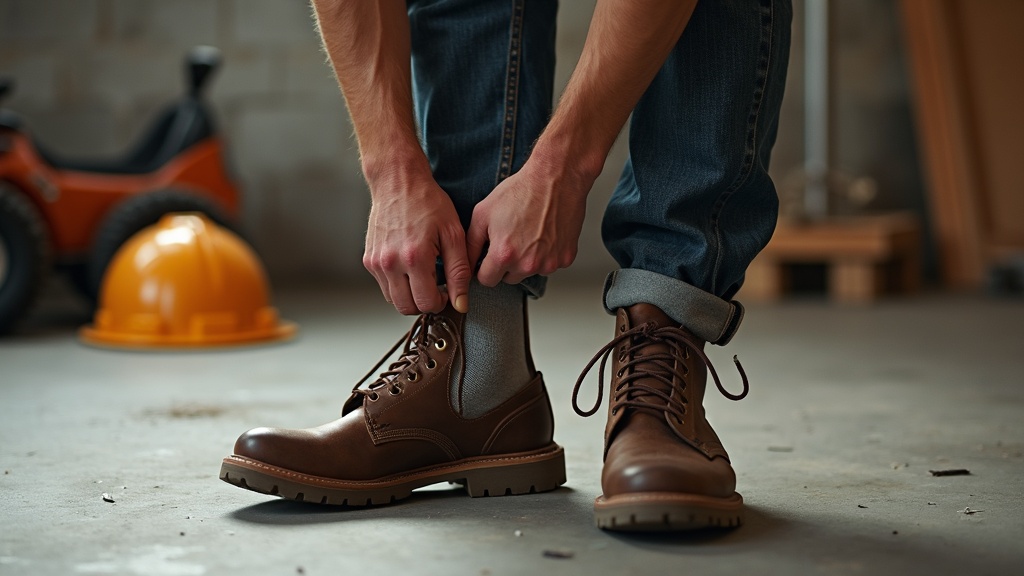
Your feet take a beating before 8 a.m. even starts. Ten hours in steel-toed boots, concrete underfoot, sweat building up by noon, and most socks give out by Wednesday.
Merino wool socks for work keep showing up in conversations on job sites and in trades forums for a reason. This breaks down what they actually do, where they fall short, and which ones are worth spending real money on.
Key points at a glance
- Merino wool regulates temperature and wicks moisture better than cotton or most synthetics on long shifts.
- Look for at least 60% merino content, a reinforced heel and toe, and medium to heavy cushioning for hard labor.
- Pure 100% merino wool socks wear out faster. A nylon or polyester blend adds real durability without killing performance.
- Merino boot socks and crew styles each have their place depending on your boot height and job type.
- Workers with diabetes or circulation issues can benefit from the non-constricting, moisture-managing properties of merino.
- Wash cold, air dry. That single habit doubles sock lifespan.
Why Merino Wins on the Job
Why Merino Wool Beats Cotton and Synthetics on the Jobsite
Cotton absorbs sweat and holds onto it. By hour four, you've got wet socks grinding against your skin. That's where blisters start.
Synthetics move moisture better, but they trap odor fast and can feel slick inside a boot. Merino wool does both jobs at once: it pulls moisture away from skin, releases it through evaporation, and the fiber's natural crimp keeps a small air pocket around your foot that buffers both heat and cold.
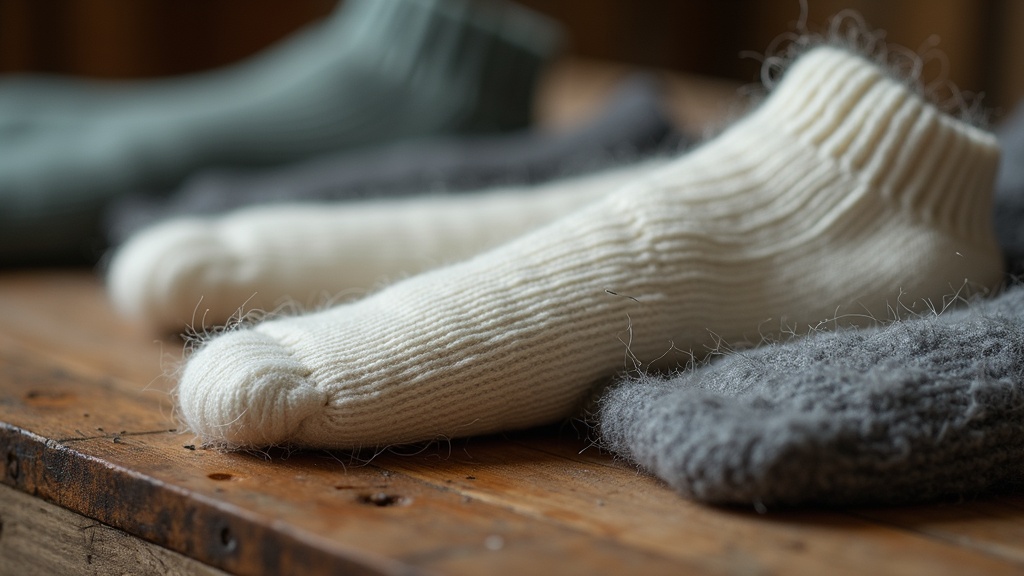
One more thing cotton can't touch: merino stays odor-free for multiple wears. The fiber binds to odor molecules chemically, not just masking smell. For trades workers pulling double shifts or road crews weeks from home laundry, that matters.
Is Merino Wool Really Good for Work? (The Short, Honest Answer)
Yes, but only if you buy the right kind. A thin dress-weight merino sock will get holes in a work boot by month two. A medium or heavy cushion merino blend built for boot wear is a different product entirely.
The question isn't whether merino works. It's whether the specific sock you're looking at was designed for what you do.
Did you know?
Merino wool fibers average 17 to 24 microns in diameter. Human hair runs around 70 microns. That's why merino doesn't itch the way coarse wool does, even against sensitive skin worn all day in tight boots.
What to Look For Before You Buy: Cushion, Weight, and Fit
Cushion level
Light cushion works for office or light warehouse duty. If you're on concrete for 8-plus hours or in steel-toed boots all day, go medium or full cushion. The padding sits underfoot and at the heel where the pressure actually hits.
Sock height
- Crew merino wool socks for work: covers the ankle, good for low-cut work boots and most warehouse environments.
- Merino wool boot socks: mid-calf or over-the-calf, sits above the boot shaft, protects the shin from rubbing, and seals out debris on outdoor sites.
Fiber blend
A sock labeled 100% merino wool has pure fiber performance but less structural durability. Look for 15 to 25% nylon or polyester added in. That small percentage adds years to the sock without compromising feel or moisture management.
Check out our guide: Best Work Socks for Men: A Rigorous Selection by Experts in 2026
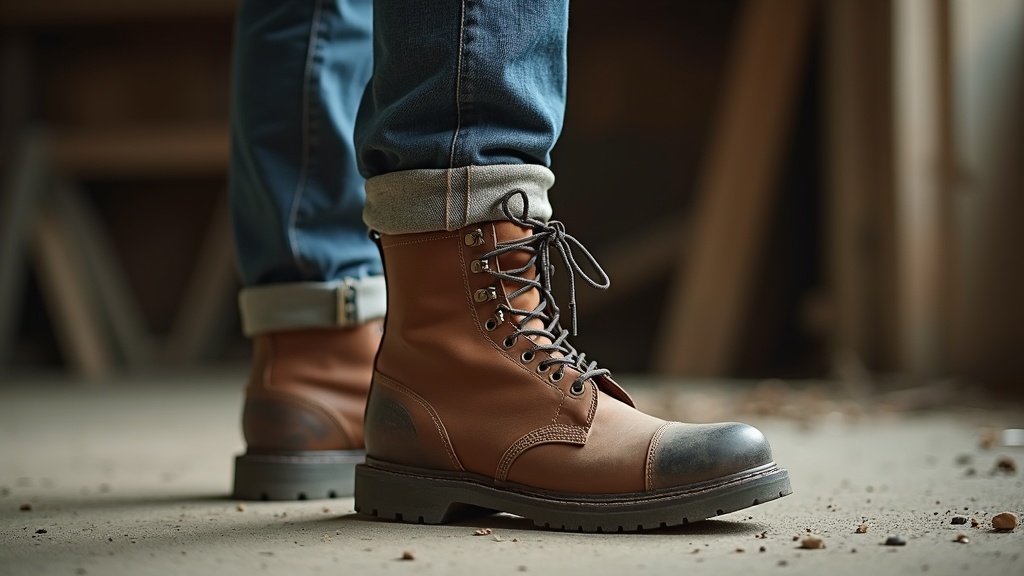
The Real Downsides of Merino Wool Socks Nobody Talks About
Price. A quality pair runs $20 to $30. That's real money. But a pair that lasts 3 years costs less per day than cheap socks you replace every two months.
Durability ceiling. Even the best merino blends won't outlast a reinforced synthetic work sock under brutal abrasion conditions, like roughnecking or heavy roofing. Know your trade.
Care requirements. Hot water and machine drying shrink and felt merino fast. Most workers don't find this out until they've already wrecked a pair. Cold wash, air dry. That's the whole rule.
Best Merino Wool Work Socks Worth Your Money in 2026
| Brand / Model | Merino Content | Cushion | Best For |
|---|---|---|---|
| Darn Tough Hiker Boot | ~61% merino | Full | All-day standing, hiking terrain, outdoor trades |
| Smartwool Work Heavy Crew | ~57% merino | Heavy | Construction, cold climates, heavy boot wear |
| Icebreaker Merino Work | ~83% merino | Medium | Warehouse, light trades, warmer environments |
| Farm to Feet Roan Mountain | ~55% merino | Full | Boot wear, USA-made, value for trades workers |
| Point6 Hiking Tech | ~60% merino | Medium-Heavy | Versatile, crew height, everyday hard work use |
Darn Tough backs every sock with a lifetime guarantee. You wear them out, they replace them, no questions. For durable work socks with cushion at that price point, that guarantee alone changes the math.
Did you know?
Merino wool can absorb up to 30% of its own weight in moisture before it feels wet to the touch. Cotton reaches that threshold much sooner, which is why feet in cotton socks feel soaked after a sweaty morning on the job.
Merino Wool Socks and Health: Diabetics, Raynaud's, and Foot Pain
For workers managing diabetes, foot health isn't optional. Merino's moisture control reduces the damp environment where skin breakdown and infection start. The soft fiber also minimizes friction points that can turn into ulcers on sensitive feet.
People with Raynaud's syndrome or poor circulation benefit from merino's insulating properties even in thin weights. The fiber retains warmth even when slightly damp, which synthetics struggle to match.
Check out our guide: What Are the Best Work Socks for Sweaty Feet?
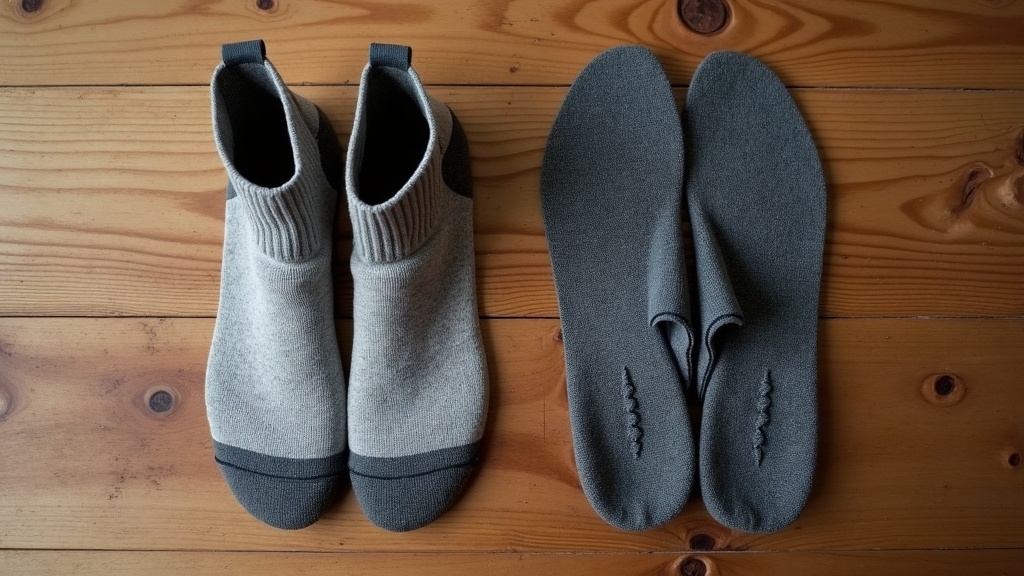
If you stand all day, merino wool socks for standing all day with a full-cushion sole reduce fatigue by absorbing impact that would otherwise travel straight up the leg. Not a substitute for anti-fatigue mats or proper boot insoles, but a meaningful part of the system.
How to Make Your Work Socks Last Longer
Most merino socks die in the wash, not on the job. Three habits protect your investment:
- Wash cold, always. Hot water shrinks and felts the fiber permanently.
- Air dry flat or hanging. A dryer cycle degrades the wool and elastic faster than a month of hard wear.
- Rotate pairs. Wearing the same pair back to back doesn't let the fiber recover its shape. Four to six pairs in rotation extends each pair's life significantly.
- Turn inside out before washing. Reduces pilling on the outer surface.
- Skip fabric softener. It coats the fiber and kills moisture-wicking performance over time.
A $25 pair of merino work socks, cared for right, can realistically last two to three years of daily rotation. A $7 cotton pack lasts maybe two months under the same conditions. The math favors merino if you don't wreck them in the dryer.
