


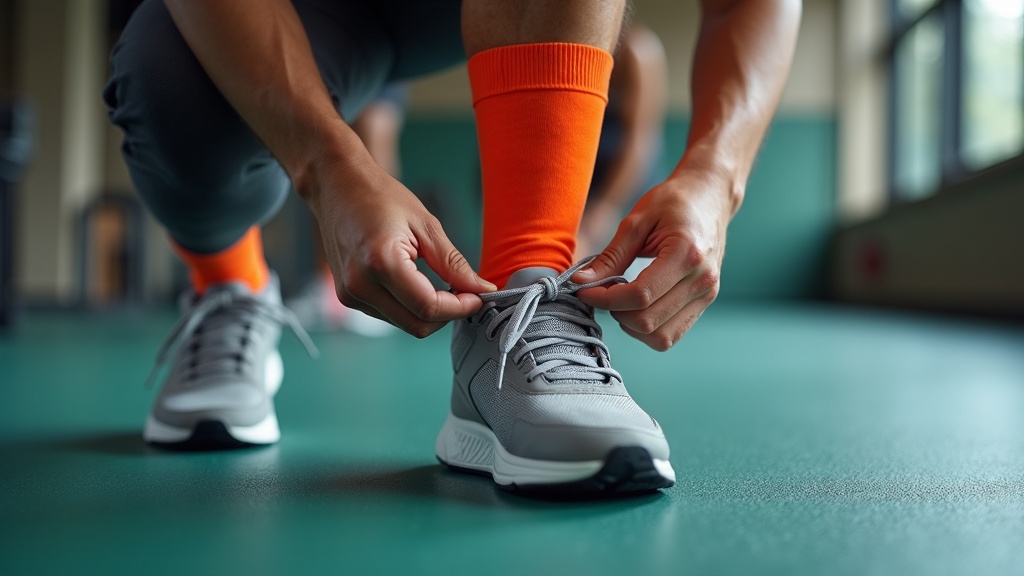
Your legs ache after a long shift, a hard run, or eight hours of standing on concrete. Someone tells you to try compression socks. You think: is that a real thing, or just something nurses wear?
It's a real thing. But like any piece of gear, it only works if you use it right. Here's the straight story.
Key points at a glance
- Compression socks work by pushing blood back up from your feet and calves, reducing swelling and fatigue.
- They're most useful during running, walking, standing shifts, and low-to-mid intensity workouts.
- Skip them for heavy squats and deadlifts, the squeeze can mess with your proprioception and bar path.
- 15, 20 mmHg is the sweet spot for most active people; go higher only if a doctor recommends it.
- Wearing them after a workout speeds recovery just as much as wearing them during one.
- Not everyone should wear them daily, certain circulatory conditions require a doctor's sign-off first.
What compression socks actually do for you
The Short Answer: Yes, But It Depends on What You're Doing
If you're running, walking, cycling, or spending your day on your feet, compression socks while working out are worth it. The science backs it up, and so does every warehouse worker and trail runner who's tried them.
If you're doing heavy barbell work or explosive sport-specific drills, they're less critical. Not harmful, just less useful.
What Compression Socks Actually Do to Your Legs
Your calf muscles act as a pump, pushing blood back up toward your heart. When you stand still or do low-movement work for hours, that pump gets lazy. Blood pools in your feet and ankles. You feel that familiar heavy, achy, swollen feeling.
Compression socks apply graduated pressure, tightest at the ankle and lighter as they go up the calf. That gradient pushes blood upward, keeps veins from overdilating, and reduces fluid leakage into surrounding tissue.
Check out our article on: Compression Socks for Working Out: What Actually Works
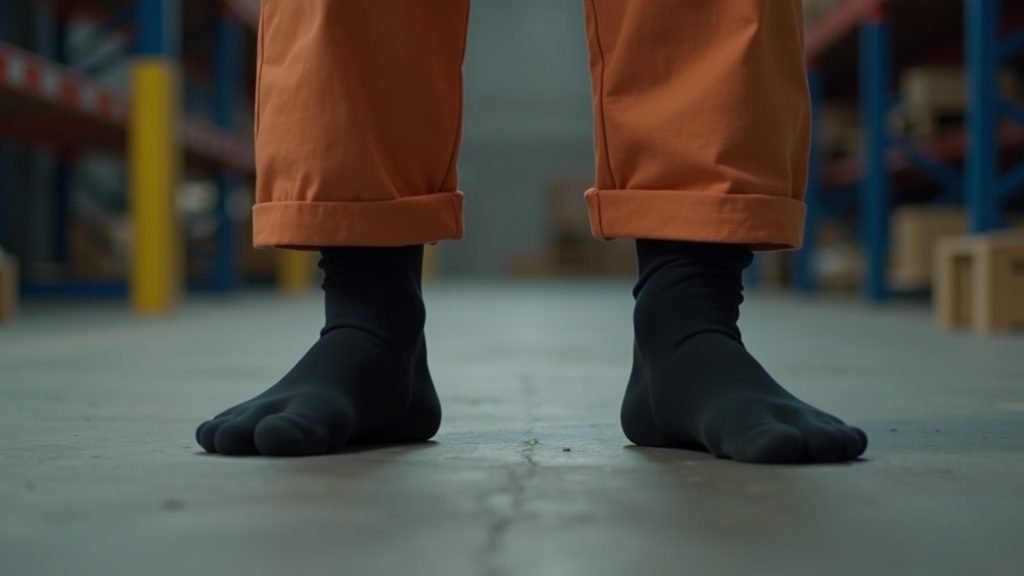
The Real Benefits for Guys (and Gals) Already On Their Feet All Shift
If you're asking about compression socks for standing all day, listen up. This is where the benefit is most obvious and most consistent.
Standing on concrete for 8 to 12 hours puts constant low-grade stress on your veins. Compression socks don't eliminate that stress, but they manage it. Workers in manufacturing, retail, healthcare, and construction all report less end-of-day swelling and leg fatigue when they wear them consistently.
Did you know?
A study published in the Journal of Strength and Conditioning Research found that runners wearing compression socks during a marathon experienced significantly less muscle soreness 24 hours after the race compared to runners without them.
Best Workouts to Wear Them For, and a Few Where You Can Skip Them
Wear them for:
- Running and jogging: Compression socks while running improve circulation, reduce vibration in the calf muscles, and cut down on post-run soreness.
- Walking, hiking, or rucking: Especially on long-distance efforts where your legs take a sustained beating.
- Cycling: Low calf-pump activity means blood pools easily; compression compensates.
- Cardio machines: Treadmill, elliptical, stair climber, all good candidates.
- CrossFit-style circuits: Mix of running and bodyweight work benefits from the support.
You can skip them for:
- Heavy squats and deadlifts: The pressure at the ankle can reduce sensory feedback from your foot, which matters for balance and bar positioning.
- Sprinting: The benefit is minimal over short distances, and some athletes find them restrictive.
- Yoga or mobility work: No real benefit; save the wear for higher-output activities.

When You Should NOT Wear Compression Socks (Read This First)
Compression socks are not for everyone without conditions. Talk to a doctor first if you have peripheral artery disease (PAD), diabetes with circulation issues, or skin infections on your lower legs.
If you have arterial insufficiency, compressing the leg can make blood flow worse, not better. This is not a hypothetical risk. It's the main reason medical-grade socks require a prescription.
Compression Socks While Working Out: What Level of Pressure Do You Need?
Compression is measured in mmHg (millimeters of mercury). Higher is not automatically better for workouts.
| Compression Level | mmHg Range | Best For |
|---|---|---|
| Mild | 8, 15 mmHg | Light all-day wear, travel, casual walking |
| Moderate | 15, 20 mmHg | Running, standing shifts, gym workouts, hiking |
| Firm | 20, 30 mmHg | Post-surgery recovery, varicose veins (doctor's guidance) |
| Extra Firm | 30, 40 mmHg | Medical use only, prescription required |
For most active people, 15, 20 mmHg is the sweet spot. Enough pressure to make a real difference without cutting off circulation or making your legs feel like they're in a vice.
Should You Wear Them During the Workout, After, or Both?
Both is a legitimate answer, and many endurance athletes do exactly that. But if you have to pick one, here's how to think about it.
During: Best for long-duration activities (running, cycling, standing shifts) where blood pooling happens gradually over time. The compression works actively alongside your muscles.
After: This is where recovery compression shines. Putting on a pair within 30 minutes of finishing a hard workout helps flush metabolic waste from your muscles and reduces next-day soreness. If you're asking whether do compression socks help with leg fatigue, the post-workout window is the clearest yes.
Check out our article on: Athletic Works Socks: Honest Review for Workers on Their Feet
Did you know?
The US military has studied compression garments for soldiers on long marches. Results showed reduced muscle damage markers in blood tests after extended foot movement when compression was worn during the activity.
What to Look for in a Compression Sock That Holds Up to Real Work
A lot of compression socks fall apart after six washes or lose their compression within a few months. Here's what separates a good pair from a waste of money.
- Graduated compression, not uniform: Make sure the label says "graduated." Uniform pressure socks don't move blood effectively.
- Moisture-wicking fabric: Merino wool or nylon-spandex blends handle sweat better than pure cotton.
- Reinforced heel and toe: If you're on your feet all day, cheap socks wear through fast. Look for double-layer reinforcement in high-friction zones.
- Correct sizing by calf circumference: Most brands size by shoe size, but calf circumference matters more for compression fit. Measure it.
- Compression rating on the label: If the mmHg isn't listed, don't buy it. No rating means no accountability.
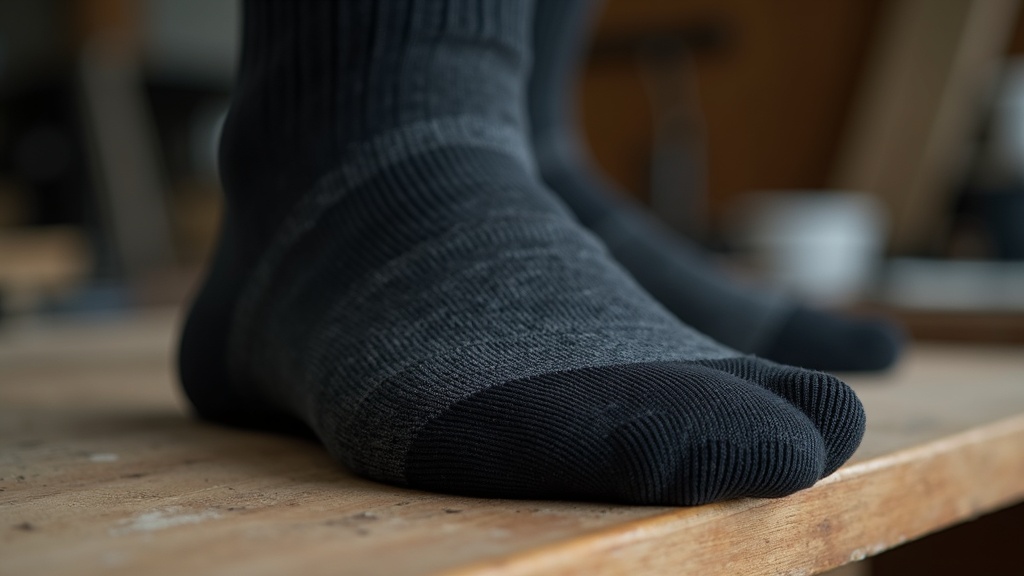
Bottom Line: Is It Worth Adding Them to Your Routine?
If you run more than a few miles a week, stand on hard floors for long shifts, or deal with leg fatigue that slows you down the next day, yes. A quality pair of compression socks at 15, 20 mmHg will pay for itself in recovered legs and fewer aches.
Start with one pair. Wear them during your next long run or full workday on your feet. Give it a week. You'll know pretty quickly whether it's making a difference, because your legs will tell you.
And if you're wondering should you wear compression socks every day: if you're healthy and active, wearing them during high-output activity and removing them to sleep is a reasonable everyday habit. Sleep without them. Let the legs breathe at night.
