
Foot pain is one of the most common issues faced by warehouse workers. Long hours on hard concrete floors, repetitive movements, and physically demanding tasks put constant pressure on your feet. Over time, this leads to foot fatigue, muscle strain, and even full-body exhaustion. If you’ve ever finished a shift with sore feet, heavy legs, or a burning sensation under your soles, you’re not alone. These are early signs that your body is struggling to keep up with the intensity of warehouse work.
Understanding how to prevent foot pain isn’t just about comfort—it directly impacts your energy levels, productivity, and long-term health. The right combination of footwear, support, and daily habits can make a significant difference in how you feel during and after your shift.
In this guide, you’ll learn exactly how to reduce foot fatigue, avoid chronic pain, and stay comfortable—even during the longest warehouse shifts.

Warehouse work puts your body under constant physical stress—especially your feet. Unlike occasional strain, this is repetitive, daily pressure that builds up over time and leads to chronic discomfort. The main reason is simple: most warehouses have hard concrete floors. These surfaces don’t absorb impact, which means every step sends micro-shocks through your feet, ankles, and joints. After several hours, this continuous impact turns into foot fatigue and deep muscle strain.
Another major factor is standing for long periods without proper support. When your footwear lacks cushioning or stability, your feet have to compensate. This increases pressure on the heel and forefoot, often causing pain that spreads to the knees and lower back. Work intensity also plays a role. Walking long distances, lifting loads, and maintaining a fast pace reduce recovery time between movements. This accelerates fatigue and physical exhaustion, making foot pain almost inevitable without the right equipment.
In short, foot pain in warehouse jobs isn’t random—it’s the result of:
The good news? Once you understand these causes, you can take targeted action to prevent them effectively.

Foot pain doesn’t appear overnight. It usually starts with subtle signs that many warehouse workers ignore—until discomfort turns into something more serious. Here are the most common early warning signs:
These signals indicate that your feet are under constant stress and lack proper support. When ignored, they often lead to deeper issues such as chronic pain, reduced performance, and increased physical exhaustion. Recognizing them early is essential if you want to truly understand how to prevent foot pain in a demanding warehouse environment.
Foot pain doesn’t just affect your comfort—it directly impacts how you perform throughout your shift. What starts as mild discomfort can quickly turn into a serious barrier to productivity and safety. As foot fatigue builds up, your energy levels drop significantly. Simple tasks require more effort, and maintaining a steady pace becomes increasingly difficult. This leads to slower movements, reduced efficiency, and a noticeable decline in overall performance.
Pain also affects your focus and concentration. When your body is constantly dealing with discomfort, it becomes harder to stay alert. In a fast-paced warehouse environment, this can increase the risk of mistakes or even workplace accidents.
Over time, this constant strain leads to physical exhaustion. Your feet are no longer able to absorb impact properly, forcing other parts of your body—like your knees and lower back—to compensate. This creates a chain reaction of fatigue that affects your entire body.
Ignoring foot pain can result in:
Understanding this impact is key. Preventing foot pain isn’t just about feeling better—it’s about working better, safer, and longer without breaking down physically.

Preventing foot pain in a warehouse isn’t about one quick fix—it’s about combining the right equipment with proper support. When your gear is adapted to long shifts and intense conditions, you reduce pressure, absorb impact, and limit fatigue throughout the day. Here’s how to effectively reduce foot pain and stay comfortable during demanding warehouse work:
Your shoes are your first line of defense against foot pain. Standard footwear isn’t designed for long hours on hard surfaces, which is why investing in high-quality safety trainers or boots makes a real difference. Well-designed safety footwear provides:
Lightweight options like safety trainers are ideal for fast-paced environments, while more robust work boots offer extra protection and durability for tougher conditions.
Models like ATLAS S3 Pro | Safety Shoes or NOVA™ S3 Safety Trainer are built to combine comfort, protection, and flexibility.
For heavier-duty needs, ATLAS S3 Pro Safety Boots and POLAR™ S3 Winter Safety Boots provide enhanced support and insulation.
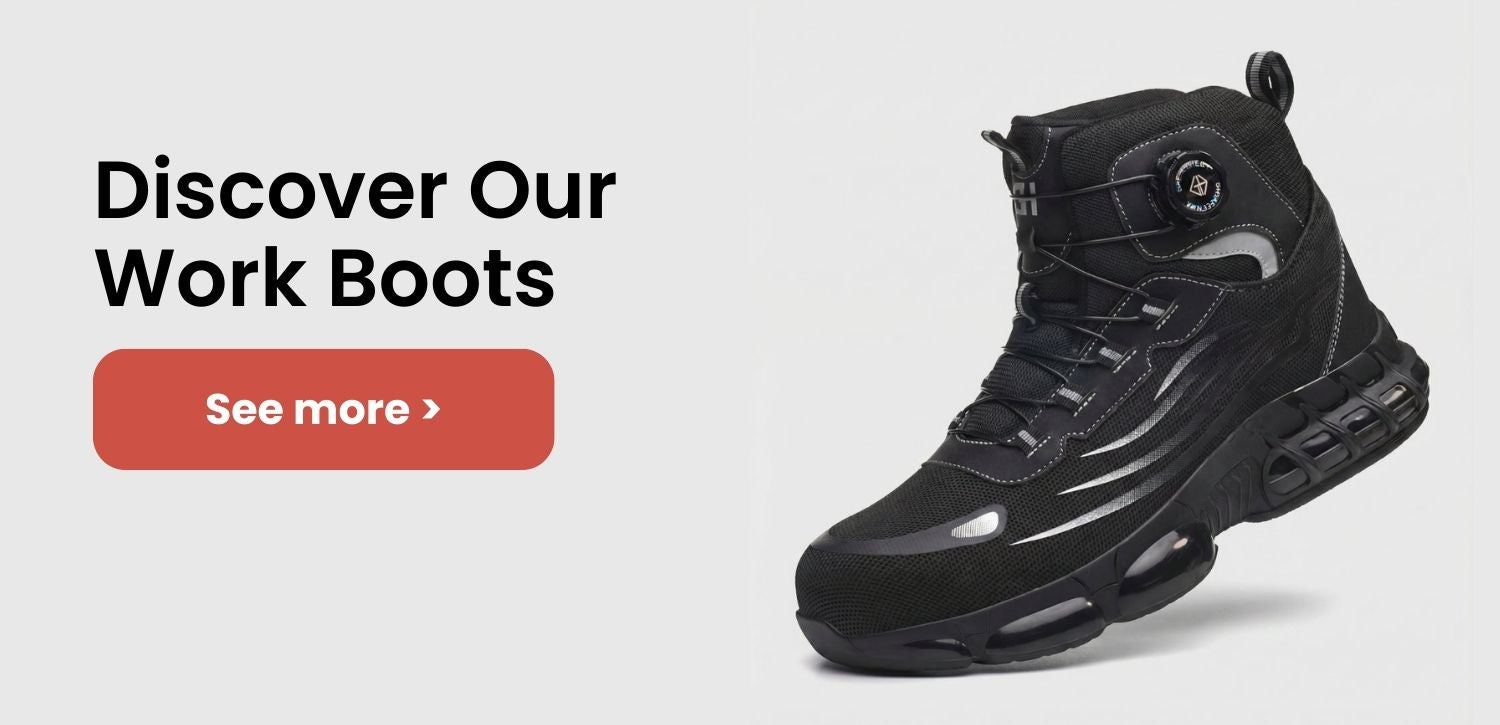
Even the best shoes can fall short without proper internal support. Insoles play a crucial role in absorbing shock and redistributing pressure across your foot. A high-quality cushioned insole helps:
The TECKRS™ Pro Cushion Insole is designed specifically to enhance comfort during long shifts and reduce repetitive impact.
Socks are often overlooked, but they directly affect comfort and moisture control. Poor-quality socks can increase friction, leading to discomfort and faster fatigue. The right work socks help:
Breathable and cushioned work socks provide an extra layer of protection, especially during long and intense shifts.
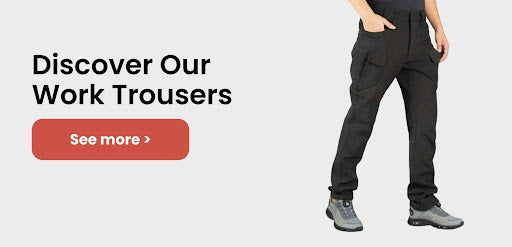
Wearing the same gear every day without variation can increase wear and reduce effectiveness. Rotating your footwear allows materials to recover and maintain their cushioning properties. You should also adapt your equipment based on conditions:
This simple habit helps maintain consistent comfort and reduces the risk of developing chronic foot pain. Preventing foot pain starts with the right setup. When your footwear, insoles, and socks work together, they create a complete support system that keeps you comfortable, energized, and protected throughout your shift.
Most warehouse workers accept foot pain as part of the job. But in reality, it’s often the result of avoidable mistakes—not the work itself. One of the biggest issues is wearing inadequate footwear. Many workers choose shoes that meet safety standards but lack proper cushioning or long-term comfort. Protection alone isn’t enough if your feet are constantly absorbing impact without support.
Another common mistake is ignoring insoles. Standard insoles are usually thin and not designed for extended use on hard surfaces. Without proper shock absorption, pressure builds up quickly, leading to fatigue and discomfort.
Workers also tend to wait too long before upgrading their gear. Foot pain is often dismissed until it becomes persistent, making it harder to fix. Acting early is key to preventing long-term issues. Finally, many overlook the importance of a complete setup. Footwear, insoles, and socks should work together—not separately. When one element is missing, the entire system becomes less effective.
The difference between constant fatigue and all-day comfort often comes down to these details. Understanding what most people get wrong is a crucial step in learning how to prevent foot pain effectively in a warehouse environment.

Even with the right equipment, your daily habits play a major role in how your body handles long warehouse shifts. Small adjustments can significantly reduce foot fatigue and help you stay energized throughout the day. One of the most effective habits is taking short recovery moments whenever possible. Even brief pauses help relieve pressure and allow your muscles to recover, reducing the accumulation of fatigue.
Incorporating simple foot and calf stretches can also make a big difference. Stretching improves blood circulation, reduces muscle tension, and helps your feet adapt better to repetitive movements. Your hydration level matters more than most people think. Dehydration can increase muscle fatigue and discomfort, especially during physically demanding work. Staying properly hydrated supports endurance and recovery.
Posture is another key factor. Maintaining a stable and balanced stance while standing or lifting helps distribute weight more evenly across your feet, reducing unnecessary strain on specific pressure points. Here are a few simple habits to adopt daily:
These habits, combined with the right gear, create a powerful routine to limit fatigue and improve overall comfort.
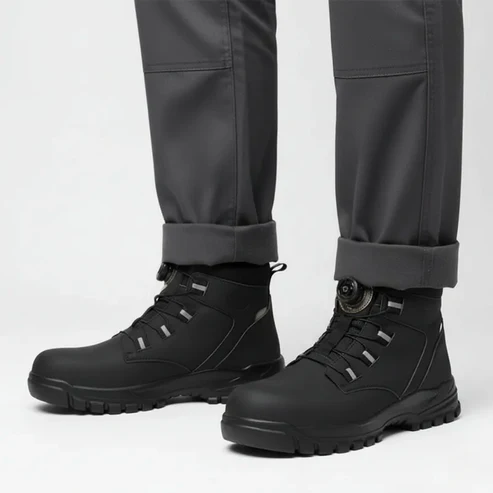
Not all warehouse environments are the same. In many facilities, workers face low temperatures, humidity, or frequent exposure to cold floors, which can significantly increase foot discomfort and fatigue. Cold conditions reduce blood circulation in the feet, making them more stiff and sensitive to impact. This often leads to faster fatigue, reduced mobility, and a higher risk of pain developing during long shifts.
In these environments, standard safety footwear is often not enough. You need gear designed to maintain both warmth and protection without sacrificing comfort. Insulated work boots become essential because they help:
For extreme or cold conditions, POLAR™ S3 Winter Safety Boots are specifically designed to combine thermal insulation with durable protection, making them suitable for demanding warehouse environments. Adapting your gear to the working environment is a key part of how to prevent foot pain effectively. Ignoring temperature conditions can quickly amplify fatigue and discomfort, even if your footwear is otherwise high quality.
Foot pain is not an inevitable part of warehouse work. It is usually the result of continuous impact, inadequate support, and long hours on hard surfaces without proper equipment. By understanding how foot fatigue develops—and more importantly, how to prevent it—you can significantly improve your daily comfort, energy levels, and overall performance at work.
The key is not to wait until the pain becomes severe, but to act early with the right setup: proper safety footwear, supportive insoles, and high-quality work socks designed for long shifts. When your gear is adapted to your environment, your body can handle pressure more efficiently, reducing fatigue, soreness, and exhaustion throughout the day.
If you work in a warehouse and want to reduce foot pain long-term, upgrading your equipment is the most effective step you can take today. Explore our range of:
Build your complete anti-fatigue system and transform the way you feel during every shift.

I was having trouble with my feet being soaked by the end of the day, and let me you, that is a thing of the past. They have withheld the 100° test this week, magnificently. Thank you so much!

I love my new work socks. I got the original black crew socks. They got a good grip and work as advertised and they almost go up to my knees and stay up without sliding down. I do alot of walking and Mason socks help alot.

I was skeptical as to whether these socks would actually work as well as advertised. We've had real feel over 110° this past week. My feet have stayed so dry I've since thrown away all of my other socks.

I bought 4 pair for a friend. He LOVES them. He wears metal toe boots in East Texas heat. His feet don't hurt anymore after a 14-hour day and his feet stay dry. He thanks me every day!

Great socks. Only had them for 1 week and it's my favorite socks. Doesn't make my feet sweat and it doesn't stink at the end of a long work day. I am a delivery truck driver, walking every day.

I have bad neuropathy, and am on my feet 8 hrs a day in boots, these socks are the best support I've found yet. Please post this so people with the same issue will purchase these. I will be buying more.

I wore a pair Tuesday, July 14th. It was an 8hr workday plus a 90min ride on my motorcycle each way. When I got home they weren't damp with sweat, nor was it uncomfortable wearing them all day.

Most comfortable sock I've worn. After 10 years of tree lopping and a further 10 years in construction, my feet have earnt their keep and deserve the best. Mason Tradesman are the best so far.

So far these do not overheat my feet, and made do be very durable. The extra cushions to the socks are a great perk and helps with more comfort wearing safety toe shoes.