


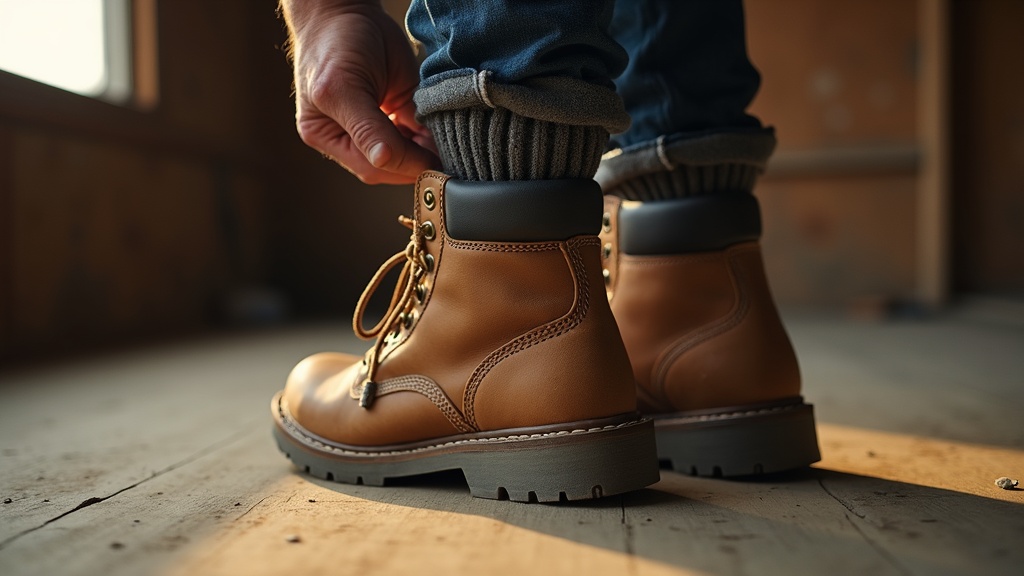
You're standing on frozen ground at 6 a.m., your boots are on, and you already know by lunch whether you made the right call this morning. The sock you grabbed off the floor matters more than most guys think.
This is a straight answer to a straight question: are wool socks warmer than cotton? Yes. But the why and the when are what actually help you on the job.
Key points at a glance
- Wool stays warm even when wet. Cotton loses nearly all insulating power once damp.
- Merino wool handles sweaty feet better than any cotton option on the market.
- For cold weather and winter work boots, wool is the clear choice every time.
- Cotton socks are fine for light indoor work or hot dry conditions, nothing more.
- Wool costs more upfront but outlasts cotton pairs by a significant margin.
- A wool blend sock is the best bet for workers who stand all day on hard surfaces.
What wool does for working feet
The Short Answer: Yes, Wool Wins on Warmth (Here's Why It Matters on the Job)
Wool socks are warmer than cotton socks. That's not opinion, that's physics. The gap between the two becomes very real after a few hours outside in January.
For wool vs cotton socks for work, the stakes are higher than for a casual hike. Cold feet on a construction site or warehouse floor slow you down, cause distraction, and over a long shift can lead to real problems like frostbite or Raynaud's in extreme cases.
How Wool Actually Keeps Your Feet Warm (The Science Without the Fluff)
Wool fiber has a natural crimp that traps tiny pockets of air. That air is what insulates. The denser the crimp, the more air trapped, the warmer the sock.
More importantly, wool retains about 80% of its insulating value when wet. Cotton drops to near zero. That single fact is the whole ballgame for anyone working outdoors.
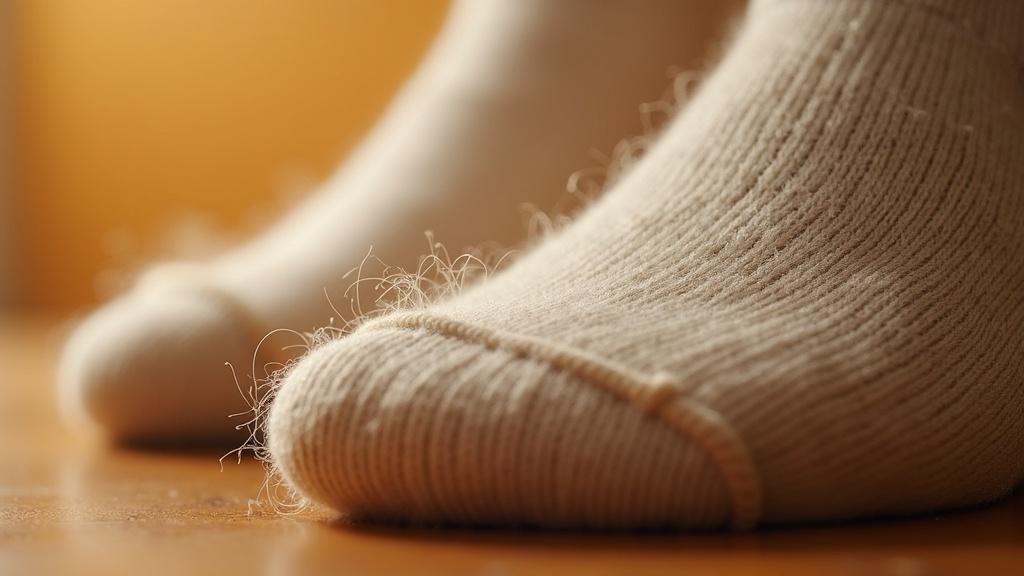
What Cotton Does to Your Feet After Hour Six
Cotton absorbs moisture and holds it against your skin. After a few hours of standing and walking, your feet sweat. That sweat soaks into the cotton and stays there.
The result: wet feet that go cold fast, more friction against the boot lining, and a real risk of blisters developing by the end of a long shift. Cotton is a fine fabric for a t-shirt. It was not built for the inside of a work boot.
Did you know?
Wool can absorb up to 35% of its own weight in moisture vapor before it feels wet against your skin. Cotton begins to feel damp almost immediately after absorbing just 7 to 8% of its weight.
Sweaty Feet on the Job: Which Sock Handles Moisture Better
If you've got sweaty feet and you're standing on a concrete floor for eight hours, merino wool is genuinely your best option. Merino wool for sweaty feet works because the fiber wicks moisture away from the skin surface and moves it outward where it can evaporate.
Cotton does the opposite. It traps moisture at the skin, which breeds odor and soft, blister-prone skin.
- Merino wool: wicks, breathes, resists odor naturally due to lanolin
- Standard wool blend: good wicking, slightly less soft, very durable
- Cotton: absorbs fast, dries slow, odor builds by midday
- Synthetic moisture-wicking: decent option but no natural odor resistance
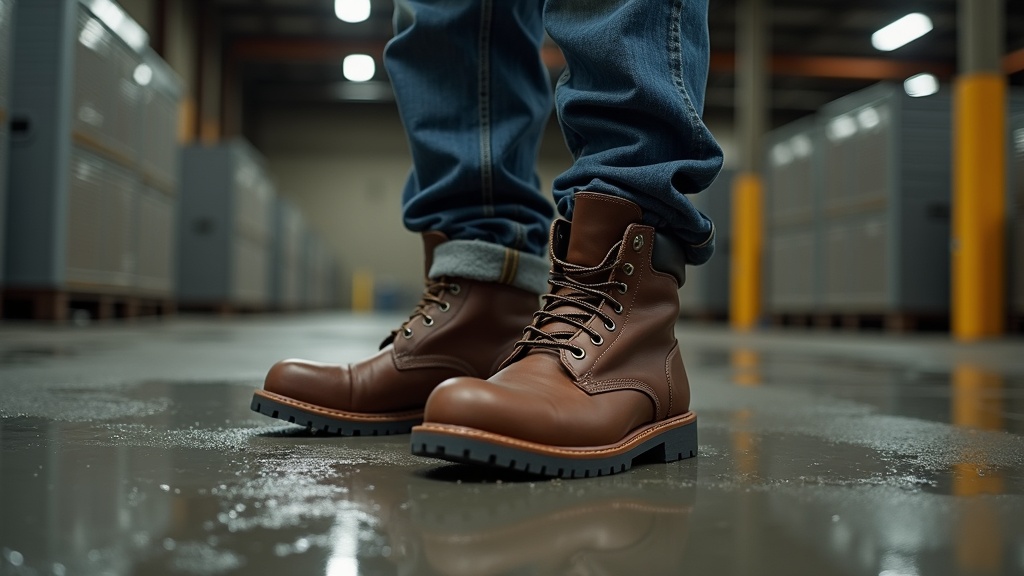
What Is the Warmest Material for Socks? (Wool, Thermal, or Something Else)
For most workers, heavyweight merino wool or a wool-nylon blend sits at the top. Alpaca wool runs slightly warmer fiber-for-fiber, but it's harder to find in work-grade construction and it's expensive.
Thermal socks with a fleece lining can feel warmer at first, but they tend to compress under a boot and lose loft quickly. Wool holds its structure longer.
The warmest sock options ranked for work boots
- Heavyweight merino or wool blend (80%+ wool): best all-day warmth with moisture control
- Alpaca blend: warmest by weight, but limited work-grade options
- Wool-nylon blend with cushioned sole: excellent durability with solid warmth
- Thermal polyester fleece: warm initially, compresses and gets clammy
- Cotton thermal: not warm once wet, not recommended for cold jobsites
| Sock Material | Warmth When Dry | Warmth When Wet | Best For |
|---|---|---|---|
| Merino Wool | Excellent | Very good | Cold weather, sweaty feet, all-day standing |
| Wool-Nylon Blend | Very good | Good | Durability, heavy-duty work boots |
| Alpaca Blend | Excellent | Very good | Extreme cold, lighter boot fit |
| Synthetic Thermal | Good | Moderate | Budget option, dry indoor environments |
| Cotton | Fair | Poor | Light indoor work, warm and dry conditions only |
Are Wool Socks Good for Extreme Cold? What Workers in Tough Climates Say
Ask a lineman working in Minnesota in February. Ask a logger in the Pacific Northwest where everything is wet and cold from October through April. The answer is consistent: wool or you're miserable.
For the warmest socks for winter work boots, go heavyweight wool blend, at least 60 to 70% wool content. Pair it with a moisture-wicking liner sock in truly brutal temps and you'll have dry, warm feet all day.
Did you know?
The U.S. military has issued wool-blend socks to soldiers in cold climates since World War II. Modern military cold-weather specifications still require a minimum 50% wool content for extreme conditions, a standard most commercial work socks don't meet.
The Downsides of Wool Socks You Should Know Before You Buy
Wool is not perfect. Here's the honest rundown before you spend money.
- Price: a good pair of merino wool work socks runs $18 to $30. Cotton packs cost $10 for six pairs.
- Care: some wool socks require cold wash or hand wash. Always check the label. Most blends are machine washable on a gentle cycle.
- Fit in tight boots: a thick wool sock can compress the toe box. Size up your boots or go with a midweight merino if your boots already fit snug.
- Itch: standard wool can irritate sensitive skin. Merino wool under 18.5 microns diameter is soft enough for most people, including those who thought they were sensitive to wool.
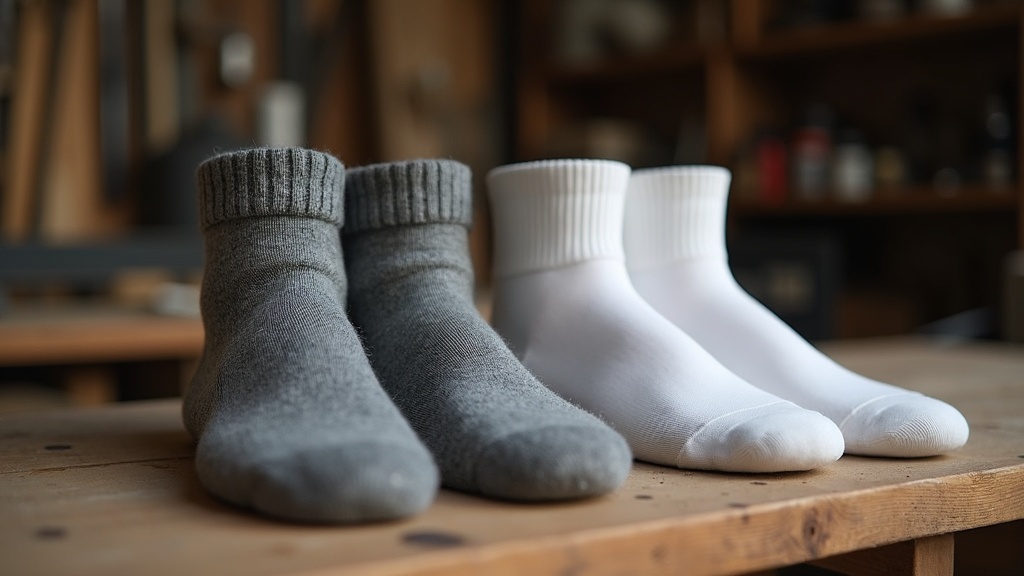
Wool vs Cotton Socks: Durability and Cost Over Time
Cotton socks are cheap. They're also thin at the heel and toe within a few months of regular hard use. A decent wool blend sock, taken care of, can last two to three years of daily wear.
Run the math. Three pairs of quality wool socks at $25 each, replaced every two years: $75 over 24 months. A pack of cotton socks every few months adds up fast, and you're still dealing with cold, wet feet in the meantime.
Durability factors that matter
- Nylon reinforcement at the heel and toe adds significant lifespan to wool socks
- Avoid wool socks over 20% nylon if warmth is the priority, nylon reduces insulating value
- Washing on hot kills wool fiber. Cold water, gentle cycle, lay flat to dry
The Bottom Line for Trade Workers: When to Wear Wool, When Cotton Is Fine
This is the practical part. No need to overthink it.
Wear wool when:
- Temps are below 50°F and you're working outdoors
- Your feet sweat heavily through a full shift
- You're in winter work boots for 8 or more hours
- You're standing on concrete or cold ground all day
- Rain, snow, or standing water is part of your environment
Cotton is acceptable when:
- You're working indoors in a climate-controlled space
- It's summer and you need maximum breathability in sandals or light footwear
- The work is light and dry and you'll be off your feet by noon
For anyone in the trades doing hard physical work in the cold, wool is not a luxury, it's standard equipment. Your boots are the right tool for the job. Your socks should be too.
