


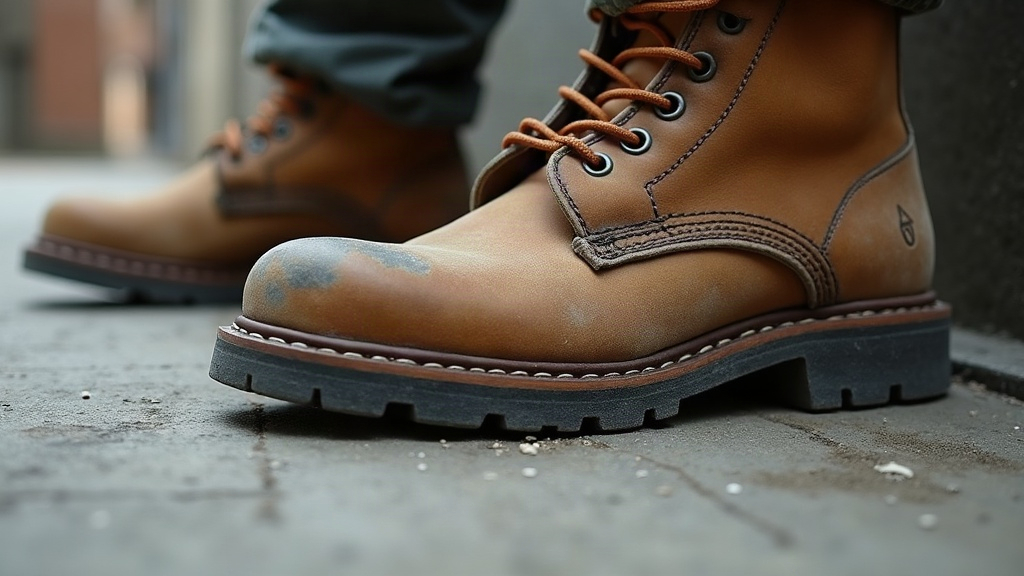
You know exactly what it feels like: that hot, aching pressure under the ball of your foot by hour six of a ten-hour shift. Ball of foot pain in work boots is not just discomfort, it is your metatarsal bones screaming that something has to change.
The good news: you do not have to live with it. The right boot, the right insole, and a couple of cheap fixes can cut that pain down significantly. Here is what actually works on a real jobsite.
Key points at a glance
- Metatarsalgia in work boots is usually caused by poor forefoot cushioning and a flat, rigid insole
- Most stock insoles that come with boots are basically cardboard, swap them out first
- A metatarsal pad placed just behind the ball of the foot redistributes pressure fast
- Wide toe box and rocker sole geometry are the two biggest boot features to look for
- Targeted stretches and ice tonight can reduce inflammation before your next shift
- Persistent or worsening pain after six weeks of changes needs a podiatrist, not another insole
What This Guide Gets You
Why the Ball of Your Foot Burns After a Long Shift
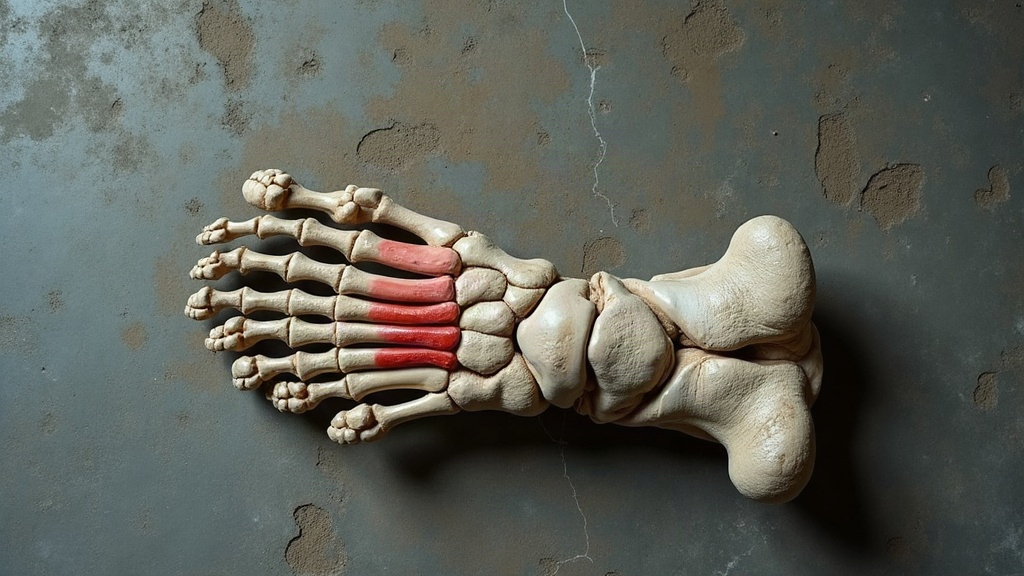
Your five metatarsal bones run from mid-foot to your toes. When you stand on concrete for eight to ten hours, all of your body weight concentrates right at those metatarsal heads, the knobby ends that sit just behind your toes.
Add a hard boot insole, no arch support, and repetitive impact from walking on uneven surfaces, and you get metatarsalgia: inflammation of the tissue around those bones. It burns, it aches, sometimes it feels like a bruise or a pebble stuck under your foot.
Why Most Work Boots Make Metatarsal Pain Worse
The stock insole in most safety boots is thin, flat, and has zero forefoot cushioning. It was designed to meet safety ratings, not to protect your metatarsals.
The three biggest offenders
- Flat footbed: no arch support forces your forefoot to absorb impact it should be sharing with your midfoot
- Narrow toe box: squeezes the metatarsal heads together, increasing pressure and friction
- Stiff, flat outsole: every step sends shock straight up through the ball of your foot instead of rolling through it
Did you know?
Studies in occupational health show that workers who stand on hard surfaces for more than six hours a day are three times more likely to develop chronic forefoot pain compared to those with access to anti-fatigue matting or proper cushioned footwear.
Will a Boot Actually Help Metatarsalgia, or Is It Just Marketing?
Honest answer: a boot alone is not a cure. But the right boot combined with the right insole produces real, measurable relief.
A boot with a rocker sole geometry reduces the time your metatarsal heads spend loaded during each step. A wide toe box stops the compression. A good insole fills the gap between your arch and the footbed so your forefoot is not carrying everything. That combination works. A boot with a "comfort" sticker on the box does not.
What to Look For in a Work Boot When the Ball of Your Foot Is Wrecked
Rocker sole
A slight rocker geometry rolls your weight forward past the metatarsal heads instead of pivoting on them. Look for this in brands like Keen Utility, Timberland Pro, and Danner.
Wide toe box
This is non-negotiable. If the boot pinches your forefoot at all in the store, it will destroy you by noon on a real shift.
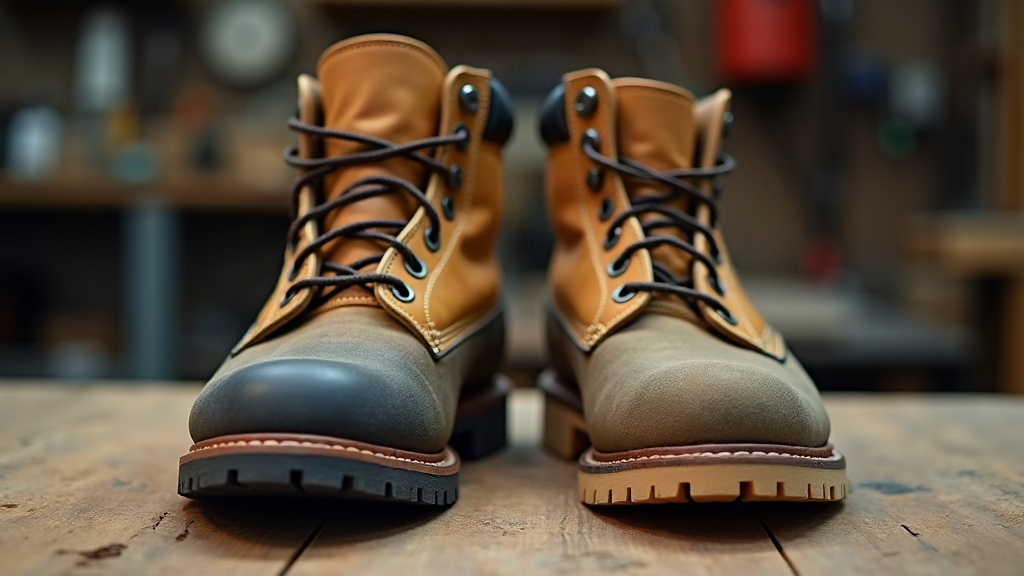
Removable footbed
You need this to swap in a proper aftermarket insole. If the footbed is glued in, move on.
Cushioned midsole (EVA or PU)
Polyurethane lasts longer. EVA is softer out of the box. Both beat a solid rubber midsole for metatarsal pain.
Metatarsal Pads and Insoles That Work Inside a Boot (Not Just Dress Shoes)
A metatarsal pad is the fastest, cheapest fix you can make today. It is a small dome of gel or foam that sits just behind the ball of your foot and literally lifts the metatarsal heads off the ground, spreading pressure across a wider surface area.
How to position it correctly
Place the pad so its highest point sits just behind the ball of your foot, not on it. Most people stick it too far forward. Move it back a centimeter and the difference is immediate.
Best insoles for metatarsal pain in work boots
| Insole | Best For | Metatarsal Pad Built In? | Price Range |
|---|---|---|---|
| Superfeet Green | High arch, max stability | No, add separate pad | $50, $55 |
| Powerstep Pinnacle | Medium arch, all-day cushion | No, add separate pad | $40, $48 |
| Sof Sole Airr | Forefoot impact absorption | Yes (air cushion zone) | $30, $38 |
| Physix Gear Full Length | Budget pick, solid support | No, add separate pad | $18, $22 |
| Dr. Scholl's Work Insoles | Shock absorption on concrete | No, add separate pad | $14, $18 |
For the metatarsal pad itself: Pedag Viva Metatarsal Pads and Silipos gel pads both hold up inside a boot without sliding around. Avoid thin foam pads, they compress to nothing within a week.
Quick Relief You Can Do Tonight After a Brutal Shift
- Ice it: frozen water bottle under the ball of your foot, roll it for ten minutes, repeat after a break
- Towel toe curls: lay a towel flat, scrunch it with your toes for two sets of fifteen, it loosens the intrinsic muscles under the metatarsals
- Calf stretch on a step: tight calves pull on the plantar fascia and increase forefoot load, stretching them gives immediate relief upstream
- Elevate: prop your feet above your heart for twenty minutes, cuts down inflammation from a full day of standing
Did you know?
Construction workers average roughly 10,000 to 15,000 steps per shift on surfaces like concrete, asphalt, and steel grating. That is two to three times more high-impact contact than walking on turf or packed earth.
The Best Work Boot Options for Ball of Foot Pain Right Now
These are not paid placements. These are boots that show up repeatedly in the conversations of ironworkers, electricians, and concrete finishers who have dealt with metatarsalgia.
- Keen Utility Atlanta Cool 2: wide toe box, EVA midsole, steel toe, and a footbed that actually has forefoot padding from the factory
- Timberland PRO Boondock: rocker-profile outsole, composite toe option, strong arch support, removable footbed
- Danner Bull Run Moc Toe: roomier last than most boots, full-grain leather, cushioned Vibram sole, great for guys who need width
- New Balance 589 Work: not a traditional boot but passes ASTM safety ratings, running shoe cushioning technology adapted for the jobsite, excellent for metatarsal pain
When to Stop Toughing It Out and See a Doctor
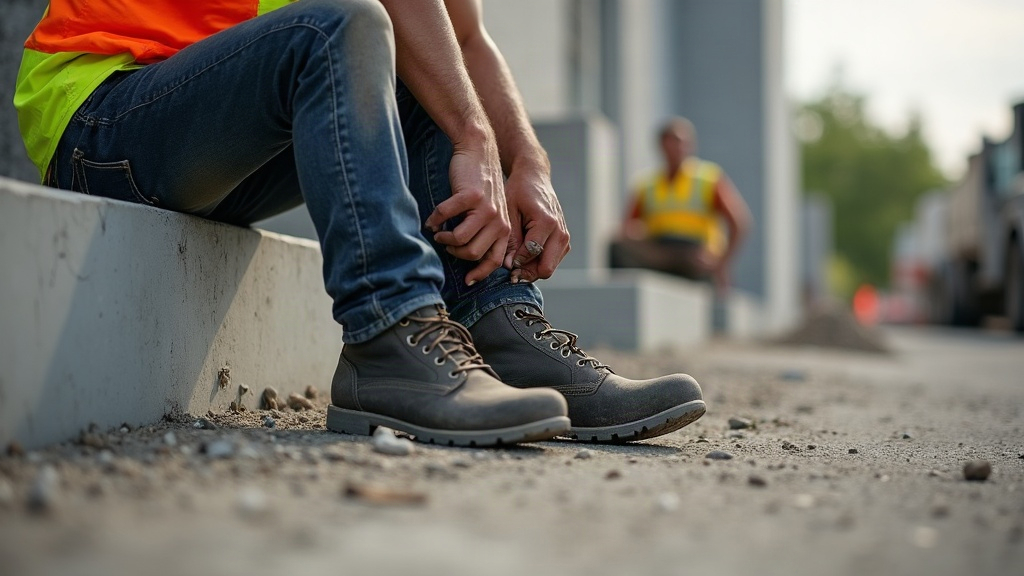
Most metatarsalgia responds to the fixes above within four to six weeks. If your pain is getting worse despite new insoles and a proper boot, that is a different conversation.
Signs you need a podiatrist
- Pain that wakes you up at night
- Numbness or tingling between toes (could be Morton's neuroma, not plain metatarsalgia)
- Visible swelling that does not go down overnight
- Pain that has been constant for more than six weeks with no improvement
A podiatrist can get you custom orthotics fitted specifically to your foot shape, order imaging to rule out a stress fracture, and tell you if you need a cortisone injection. That visit pays for itself in days missed work if you skip it too long.
Your action checklist before tomorrow's shift
- Pull out the stock insole tonight and check if it has any forefoot cushioning at all
- Order or pick up a metatarsal pad and a replacement insole if the stock one is flat
- Ice your forefoot for ten minutes and do two sets of calf stretches before bed
- Lace your boots so they are snug through the midfoot but not tight across the toes
- If the boot is over two years old and the midsole feels hard when you press it, it is done, no insole will save it
