


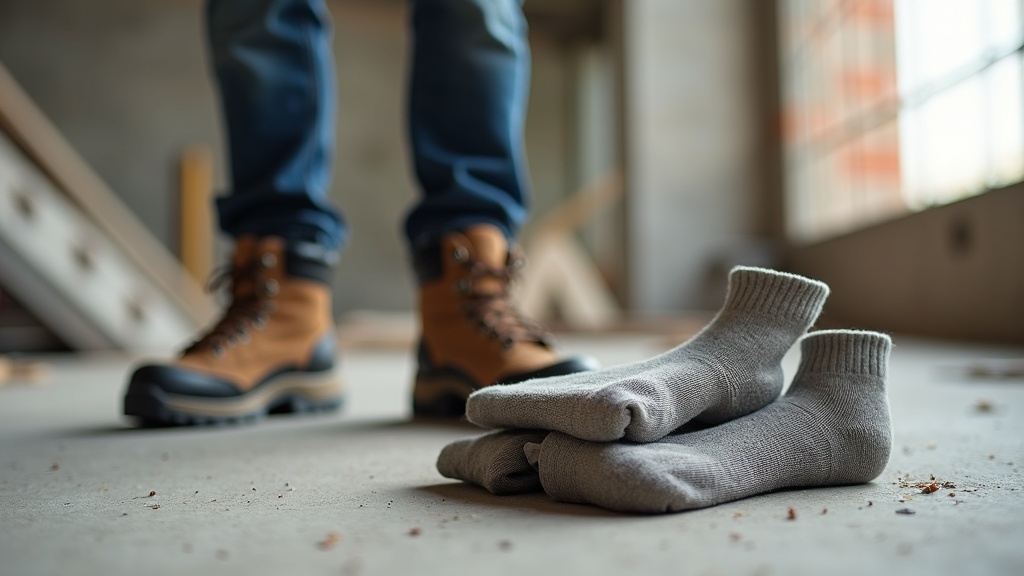
By noon you've got wet socks, hot feet, and a blister forming on your heel. That's not bad luck, that's a material problem. Most work socks are built to a price point, not a construction site.
Bamboo work socks have gotten real traction on jobsites over the last few years. Some of the hype is deserved. Some of it isn't. Here's the straight story.
Key points at a glance
- Cotton work socks absorb sweat and hold it, bamboo pulls it away from your skin
- Bamboo viscose has natural antimicrobial properties that cut down on end-of-day odor
- The right bamboo work sock needs reinforced heels, toes, and enough cushion for boot wear
- Bamboo blends, not 100% bamboo, hold up best under daily construction conditions
- Both men and women benefit from the same core features; fit and sizing matter more than gender branding
- Proper washing habits double the lifespan of any bamboo sock
Why Bamboo Works on the Jobsite
Why Your Current Work Socks Are Failing You by Lunchtime
A standard cotton crew sock absorbs sweat fast. That sounds like a feature. It isn't. Saturated cotton holds moisture against your skin, which creates friction, softens the skin, and speeds up blisters.
Synthetic blends wick better but trap heat and often smell ripe by mid-afternoon. Neither was designed with an eight-to-ten-hour boot shift in mind.
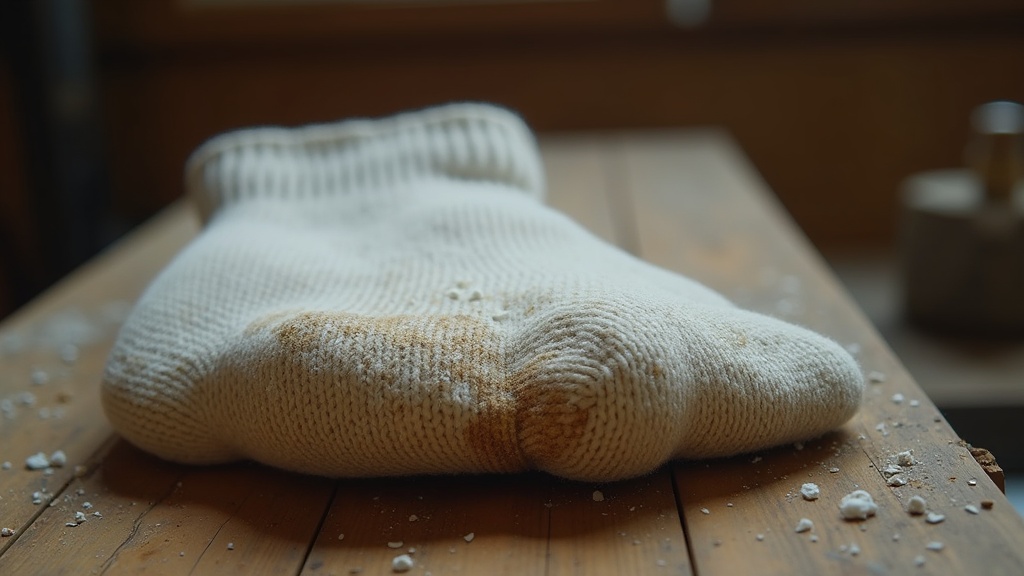
What Makes Bamboo Different from Cotton and Synthetic Blends
Bamboo is processed into a viscose fiber, which means it's semi-synthetic. The raw plant's natural structure survives processing well enough to retain two key properties: moisture-wicking speed and antimicrobial activity.
Bamboo fiber has micro-gaps in its structure that pull sweat away from the skin and release it into the air. It doesn't just move moisture, it disperses it.
Did you know?
Bamboo viscose fiber can absorb up to 40% more moisture than conventional cotton, according to textile research from the Hong Kong Polytechnic University. For anyone dealing with bamboo socks for sweaty feet, that difference becomes noticeable within the first hour of a shift.
Are Bamboo Socks Actually Good for Construction Work?
Short answer: yes, with conditions. Pure bamboo socks are too soft and too delicate for the daily abuse of a construction site. You need a blend.
The best bamboo work socks for construction pair bamboo viscose (usually 60 to 80%) with nylon or polyester for durability, and sometimes a small percentage of spandex for shape retention. That combination gives you the comfort and wicking of bamboo without the sock falling apart in six weeks.
| Material | Moisture Wicking | Odor Control | Durability |
|---|---|---|---|
| Cotton | Poor (holds moisture) | Poor | Good |
| Synthetic (polyester/nylon) | Good | Poor | Very Good |
| Merino Wool | Very Good | Very Good | Moderate |
| Bamboo (100%) | Very Good | Good | Poor |
| Bamboo Blend (with nylon) | Very Good | Good | Good |
What to Look For in a Bamboo Work Sock (Before You Waste Your Money)
Not every sock labeled bamboo is worth your money. Here's what actually matters for bamboo work boot socks:
- Reinforced heel and toe: These are the two zones that wear through first inside a steel-toe boot. No reinforcement, no longevity.
- Cushioned sole: A terry-looped or padded bottom reduces impact fatigue on concrete floors and scaffolding.
- Crew height minimum: A crew bamboo sock for men or women should sit above the ankle to protect the lower leg from boot collar abrasion.
- Compression arch band: Keeps the sock from sliding down and bunching under the ball of your foot by hour four.
- 60% bamboo or higher: Below that threshold, you're mostly buying a synthetic sock with marketing on the label.
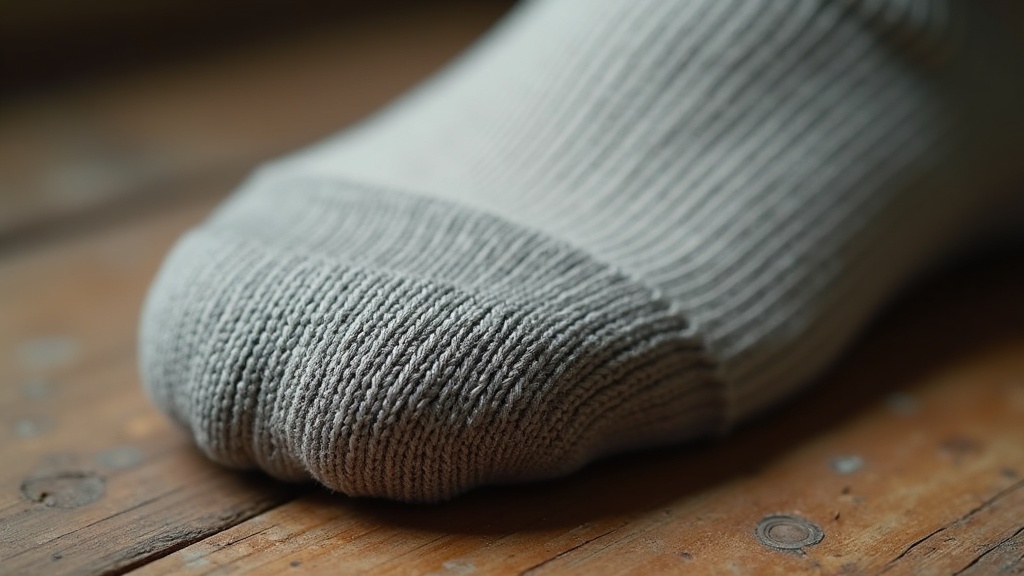
The Honest Disadvantages of Bamboo Socks
They cost more. A decent pair of bamboo work socks runs $10 to $18 per pair versus $3 to $5 for a basic cotton sock. For a full work week rotation, that's a real budget difference upfront.
They also require gentler washing. Hot water and tumble drying on high break down the bamboo fiber faster than cotton survives the same cycle. And they won't outlast a heavy-duty wool sock in raw durability terms, especially in extreme weather.
Did you know?
Washing bamboo socks inside out in cold water and air-drying them can extend their usable life by 30 to 50% compared to regular machine cycles. The fiber degrades primarily from heat and mechanical friction in the drum, not from the cleaning itself.
Best Bamboo Work Socks for Construction in 2026 (Men and Women)
These are the options worth spending money on. Men bamboo work socks for construction and women bamboo work socks for construction share the same core requirements. The differences come down to sizing and fit width, not much else.
Top picks for men
- Zkano Crew Work Sock: Made in the USA, 65% organic bamboo blend, reinforced heel and toe, solid arch support. Runs true to size.
- Darn Tough Bamboo Crew (Cushion): Lifetime guarantee, tight knit construction, holds up under daily boot wear. Slightly thicker than average.
- Cariloha Work Crew: Softer feel, good for workers with sensitive skin or recurring hot spots. Less aggressive cushioning, better for moderate labor.
Top picks for women
- Bamboosa Women's Crew Work Sock: Proportioned heel cup, higher bamboo content, minimal bulk inside the boot. Good for narrow to medium foot widths.
- Smartwool Everyday Bamboo Crew: Merino-bamboo blend, all-season performance, works equally well in winter boots and summer work shoes.
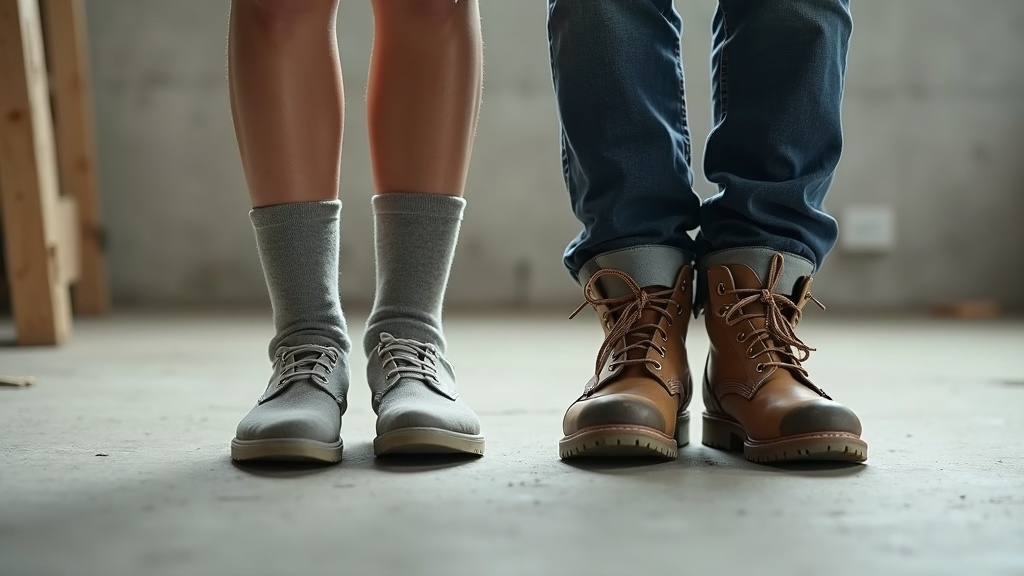
How to Make Your Bamboo Work Socks Last Longer
Buy enough pairs to rotate daily. Wearing the same pair two days in a row breaks down the fiber faster than washing does. Seven pairs for a five-day week gives each pair two full rest days per week.
- Wash cold, gentle cycle, inside out
- Skip fabric softener, it coats the bamboo fiber and kills moisture-wicking performance
- Air dry when possible, low heat in the dryer if needed
- Never wring or twist them to squeeze out water
- Trim toenails regularly, sharp edges destroy sock toes from the inside
Bottom line: bamboo work socks for construction are worth the switch if you deal with sweaty feet, blisters, or end-of-day odor. Buy a blend, not pure bamboo, get the reinforced heel, rotate your pairs, and wash them right. That's the whole system.
