


Finding the best insoles for work boots can completely transform the workday for professionals who spend long hours standing, walking, or working on hard surfaces. Insoles are not just accessories—they directly affect comfort, fatigue, risk of muscle pain, and overall posture. A systematic review in ergonomics research shows that using properly designed insoles significantly reduces discomfort and musculoskeletal fatigue for workers who remain on their feet for extended periods (Source: Journal of Foot and Ankle Research).
For many jobs, the standard insoles that come with work boots are often thin, lack support, and aren’t designed for intensive use. This guide will help you understand which insoles to choose for your work boots, based on your profession, your usage, and your specific needs, ensuring lasting comfort throughout your day.
In the following sections, you’ll discover:
- What truly makes the best insoles for work boots
- Recommended options for different work situations
- How to choose the right insoles for your job and foot type
- Where to purchase reliable, durable insoles.
Why Choosing the Best Insoles for Work Boots Matters?
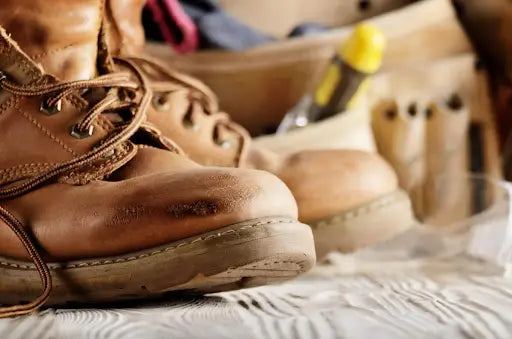
Choosing the best insole for work boot is not just about immediate comfort. Insoles play a key role in daily fatigue, pain prevention, and the ability to endure long workdays.
Long hours on hard surfaces: what happens to your feet
In construction, industrial, or logistics jobs, working on hard surfaces is common. Concrete, in particular, absorbs very little impact. Every step sends force up through the heel, knees, hips, and lower back. Ergonomics specialists explain that repeated micro-impacts lead to mechanical overload in the foot. Without proper cushioning, foot muscles tire quickly, and pressure concentrates on the heel and forefoot.
Foot pain, fatigue, and productivity at work
Foot pain rarely exists in isolation. When a worker experiences discomfort, they unconsciously adjust their posture. This can cause tension in calves, knees, or the back. Occupational health observations show that prolonged discomfort reduces focus and increases perceived fatigue. Conversely, proper insoles improve stability, reduce fatigue perception, and help workers maintain endurance throughout their shift.
Best Insoles for Work Boots by Work Situation
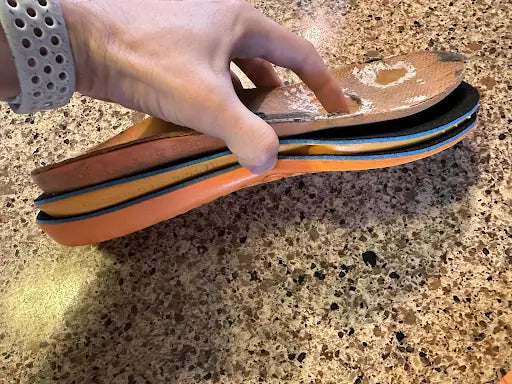
Choosing the best insoles for work boots heavily depends on your activity and work environment.
1. Best insoles for standing all day
For those standing long hours, the goal is to reduce heel and plantar fatigue. Recommended insoles have:
- Enhanced cushioning
- Arch support
2. Best insoles for work boots on concrete floors
Concrete floors increase impact. Insoles must absorb shock and distribute pressure evenly.
- Thick but stable insoles
- Durable materials for high wear
Mason Clothing’s concrete-specific insoles combine support, cushioning, and durability, ideal for construction and industrial work.
3. Best insoles for heavy-duty and construction work
In heavy-duty jobs, insoles must endure high stress while remaining comfortable. Features include:
- Reinforced heel and forefoot
- Shock absorption
- Support for carrying heavy loads
4. Best insoles for walking long distances at work
For long-distance walking in warehouses or sites:
- Lightweight + dynamic cushioning
- Stability and durability
Mason Clothing insoles combine comfort, support, and long-term resilience.
Best Insoles for Work Boots by Foot Condition
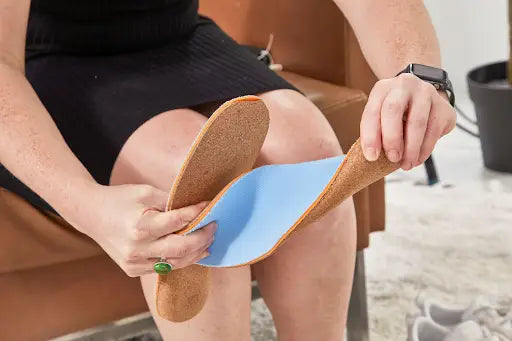
Insole needs also vary depending on foot shape and specific foot conditions. Choosing the best insoles for work boots that match your foot type helps reduce pain and fatigue while significantly improving overall comfort during long workdays.
5. Best insoles for plantar fasciitis
Plantar fasciitis affects many professionals who spend long hours standing or walking. Effective insoles should provide:
- Precise arch support
- Extra cushioning in the heel area
- Reduced tension on the plantar fascia
Mason Clothing insoles designed for plantar fasciitis combine gel technology and memory foam to deliver long-lasting comfort and targeted support throughout demanding shifts.
6. Best insoles for flat feet
Flat feet lack natural arch support, which can lead to discomfort and fatigue. The most effective insoles should:
- Correct arch collapse
- Redistribute pressure evenly across the foot
- Improve stability and posture
Mason Clothing offers ergonomic insoles for flat feet, tested for prolonged professional use and designed to support workers on their feet all day.
7. Best insoles for high arches
High arches tend to concentrate pressure on the heel and forefoot. Recommended insoles should provide:
- Enhanced cushioning in the heel and forefoot
- Lateral support to limit excessive movement
- Reduced pressure points
These features help improve comfort and minimize impact during repetitive movements.
8. Best insoles for foot and lower back pain
Poor pressure distribution under the feet can contribute to lower back pain over time. Proper insoles should:
- Support both the arch and heel
- Absorb repeated shocks
- Promote a natural, balanced posture
Using Mason Clothing insoles helps combine comfort, support, and durability, reducing pain associated with physically demanding work environments.
What Makes the Best Insoles for Work Boots?
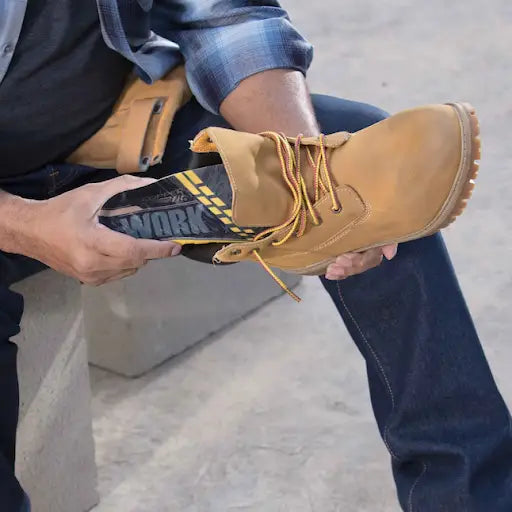
Not all insoles are created equal. The best insoles for work boots meet specific criteria related to foot biomechanics and professional work demands. Ergonomics and podiatry experts agree on several key factors.
Cushioning vs support: what experts really recommend
Good cushioning is important, but it’s not enough. Insoles that are too soft absorb shock but allow the foot to collapse, which can worsen fatigue over time. Experts recommend a balance of cushioning and support:
- Cushioning reduces impact on hard surfaces
- Support keeps the foot stable
Professional insoles prioritize this combination rather than offering mere “softness.”
Arch support and proper foot alignment
Arch support is one of the most critical criteria. Proper support helps:
- Distribute weight evenly
- Reduce pressure points
- Maintain natural foot and ankle alignment
Studies show that proper arch support prevents postural compensations, which often cause knee and lower back pain.
Shock absorption for concrete and industrial floors
Industrial floors transmit impact directly. The best insoles for work boots use materials that absorb energy with each step without compressing over time—essential for construction, factory, or logistics workers.
Breathability and moisture control
Long hours with sweaty feet increase discomfort and odor. Quality insoles use:
- Breathable materials
- Moisture-wicking layers
This enhances comfort and shoe longevity.
Durability for heavy-duty work environments
Good insoles must maintain their performance under stress. Professional-grade insoles are resistant to compression and wear. Mason Clothing selects insoles designed for intensive use, compatible with real-world work demands.
How to Choose the Best Insoles for Your Work Boots?
Choosing the best insoles for work boots requires considering multiple factors to ensure comfort and support fit your job and foot type.
Matching insoles to your job and daily workload
- Standing on hard floors: enhanced cushioning, shock absorption
- Long walking shifts: lightweight, dynamic support
- Heavy lifting jobs: stable insoles with reinforced heel and forefoot
Weight, posture, and work intensity
- Even pressure distribution
- Maintain natural alignment to prevent fatigue and back pain
- Avoid overly soft insoles for heavier workers
Mason Clothing insoles are adjustable and compatible with most work boots, keeping cushioning and support consistent throughout the day.
Sizing, trimming, and fitting insoles into work boots
- Choose the right size for your foot
- Trim insoles if needed for a perfect fit
- Ensure no pressure points or rubbing
Mason Clothing provides insole guides for proper fitting with most work boots.
Where to Buy the Best Insoles for Work Boots?
Finding the best insoles for work boots isn’t just about knowing what to choose—it’s also about buying from a reliable retailer.
Why does choosing a specialized workwear retailer matter?
Generic insoles from mass-market stores often:
- Lack of durability
- Offer insufficient support for demanding jobs
- Use lower-quality materials
Specialized retailers provide insoles tested for safety, comfort, and performance.
Advantages of buying insoles from MasonClothing
Mason Clothing offers:
- Insoles designed specifically for work boots
- Compatibility with various shoe types
- Targeted cushioning and support depending on job and foot type
- Durable materials tested for intensive use
Purchasing from Mason Clothing also provides expert guidance and complementary products, such as technical socks or boots, to maximize comfort and safety.
Common Mistakes When Buying Insoles for Work Boots
|
Common Mistake |
Why It’s a Problem |
Solution / Recommendation |
Mason Clothing Tip |
|
Choosing softness instead of real support |
Too soft: foot collapse, heel and knee pain |
Balance cushioning and support |
Gel + memory foam insoles for optimal support and comfort |
|
Ignoring boot type and work environment |
Non-compatible: pressure points, slipping |
Match insole to boot type and terrain |
Specialized insoles for high cut, low cut, and steel toe boots |
|
Waiting too long to replace worn-out insoles |
Reduced support: fatigue and pain |
Replace regularly based on use |
Durable Mason Clothing insoles maintain support even with intensive use |
FAQ: Best Insoles for Work Boots
How often should I replace my work boot insoles?
Experts recommend replacing them every 6–12 months, depending on usage intensity. Worn insoles lose cushioning and support, increasing fatigue and discomfort.
Can I use the same insoles for different types of work boots?
Yes, if the insole fits the shoe shape and size. Mason Clothing offers universal and boot-specific options.
Are expensive insoles always better?
Price isn’t always an indicator of quality. Key criteria: cushioning, arch support, durability, and material suited to your work environment.
Can insoles help with plantar fasciitis or foot pain?
Yes. Podiatry studies show proper insoles significantly reduce plantar fascia pain and general foot fatigue. Mason Clothing insoles offer targeted support for these conditions.
