


Most guys don't think twice about their socks — until their feet start aching at hour six of a twelve-hour shift. The right pair protects against blisters, sweat buildup, and the kind of foot fatigue that follows you home. If you spend most of your day standing, walking job sites, or working in boots, this one decision makes a bigger difference than you'd expect. These are the best men's work socks money can buy right now.
Why Your Work Socks Actually Matter?
Here's a number that puts it in perspective: the average tradesperson walks between 10,000 and 15,000 steps per day on the job. That's roughly 5–7 miles — in boots, on concrete, often in heat.
A 2021 study published in the Journal of Foot and Ankle Research found that compression and moisture-wicking properties in socks significantly reduce foot fatigue and blister formation in workers who stand for more than six hours a day. Cheap socks lose their cushioning within weeks. Quality work socks, worn and washed correctly, hold their shape and function for months. The difference isn't subtle once you've felt it.
The 5 Best Men's Work Socks from Mason
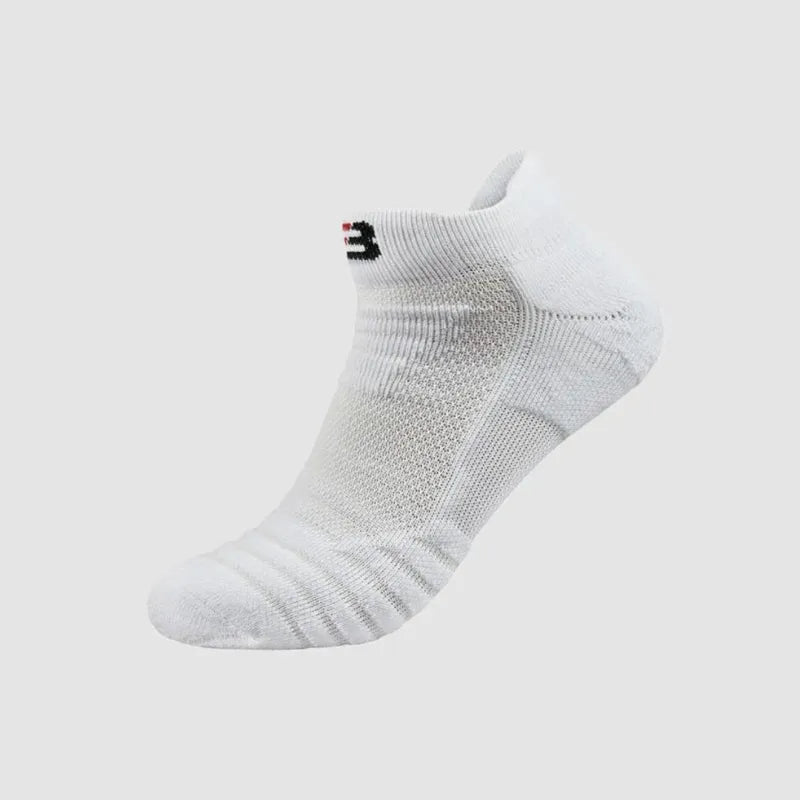
1. Tradesman Socks 2026
The Tradesman Socks are built specifically for heavy workdays. Reinforced heel and toe zones handle the kind of repetitive friction that destroys generic socks in two weeks. The mid-foot arch support band reduces fatigue without cutting off circulation — something cheap socks never get right. If you're spending your day in steel-toed boots on a job site, this is the pair to reach for.
- Best for: Construction, plumbing, heavy trades
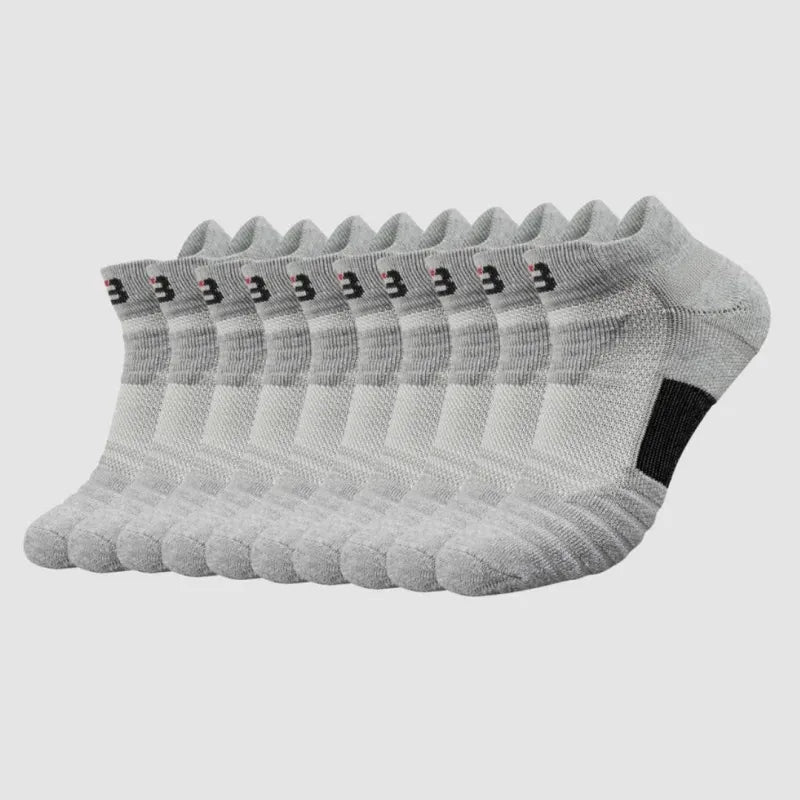
2. Breathable Work Socks — 5 Pack
Sweat isn't just uncomfortable — it's the main driver of blisters, odor, and bacterial buildup on the foot. Research from the American Podiatric Medical Association notes that excessive foot moisture is one of the top causes of athlete's foot in working adults.
These socks use a ventilated knit structure that pulls moisture away from the skin and lets heat escape. Five pairs in a pack means you're covered for a full work week without compromise.
- Best for: Warm climates, physically active jobs, high-sweat environments
3. Atlas Crew Socks — 2 Pairs
Crew-length socks matter more than most people realize. They protect the lower leg from boot abrasion, stay in place throughout the day, and add a layer of thermal regulation that ankle socks can't offer.
The Atlas Crew Socks sit at the right height — not so tall they bunch, not so short they slip. Durable enough to handle weekly washing without going flat. A solid everyday pick for the guy who needs reliability without overthinking it.
- Best for: Everyday trade work, boot-wearers, year-round use
4. Warming Work Socks — 5 Pack
Cold feet aren't just uncomfortable — they're a safety issue. Numbness and reduced sensation affect grip, balance, and reaction time. Workers in refrigeration, outdoor construction, or cold warehouse environments know this well.
These warming socks use a dense thermal knit that traps body heat without adding bulk inside the boot. Five pairs, durable construction, and real heat retention — not just a thicker version of a regular sock.
- Best for: Cold weather, outdoor jobsites, refrigeration and warehouse work
5. Nordwarm Heated Socks
For extreme cold environments, passive insulation isn't always enough. The Nordwarm Heated Socks take warmth into active territory with built-in heating technology that keeps feet at a stable, comfortable temperature regardless of outside conditions.
This is a niche product — but for the right person (think outdoor winter work, extended exposure to sub-zero temps), nothing else on this list comes close. Worth every cent when conditions are brutal.
- Best for: Extreme cold, long outdoor winter shifts, exposed environments

How to Pick the Right Pair?
Not every job calls for the same sock. A few things to consider:
Temperature. If you work in cold conditions regularly, thermal or heated socks belong in your rotation. For hot climates, prioritize breathability above everything else.
Boot type. Steel-toed boots create more friction at the toe box. Look for reinforced toe zones. Low-cut or slip-on work shoes pair better with a standard crew sock.
Shift length. The longer your shift, the more cushioning and arch support matter. Socks with compression bands reduce foot fatigue noticeably on 10+ hour days.
Washing frequency. If you're going through socks daily, a multi-pack (5-pack) is the smarter buy. Single pairs are worth the investment when you need a specialized feature like heating.
The Bottom Line
The best men's work socks aren't a luxury — they're part of the job. Eight to twelve hours on your feet demands footwear that can keep up: moisture control, cushioning, durability, and fit that doesn't slide or bunch by noon. Mason's lineup covers every temperature condition and workday intensity. Start with what your job actually puts your feet through, and pick from there.
FAQ: Best Men's Work Socks
Who makes the best work socks for men?
Mason is one of the strongest options specifically for tradespeople and industrial workers, because the product line is designed around real workday conditions — not just everyday comfort. Brands like Darn Tough and Wigwam are also well-regarded for durability, and Thorlos has a strong reputation for cushioning. What separates the best men's work socks from average pairs is construction quality at the heel, toe, and arch — not just fabric blend. If you're wearing boots for eight or more hours a day, it pays to buy from a brand that actually tests for that use case.
Are there socks for diabetics?
Yes. Diabetic socks are a real category, and the differences from standard socks matter clinically. They're designed with non-binding tops (to avoid cutting off circulation), seamless toe construction (to eliminate friction points that can turn into sores), moisture-wicking materials (to reduce bacterial and fungal risk), and extra cushioning in high-pressure areas. For people with diabetes — particularly those with peripheral neuropathy, where foot sensation is reduced — these features aren't optional extras. They're protective. If you have diabetes and spend long hours on your feet at work, diabetic socks should be a conversation you have with your podiatrist.
What are the first signs of diabetes in the feet?
The feet are often where diabetes makes itself known first, which is why foot health matters so much in this conversation. Early warning signs include:
- Tingling or numbness — particularly in the toes or the ball of the foot, often described as a "pins and needles" sensation that doesn't go away
- Burning sensations — especially at night
- Dry, cracked skin — diabetes affects circulation and sweat gland function, leading to skin that cracks and peels more easily
- Slow-healing cuts or sores — a small blister that takes weeks to close is a red flag
- Swelling — particularly in one foot more than the other
- Changes in skin color — pale, bluish, or reddish patches can indicate circulation issues
These symptoms don't automatically mean diabetes — but they're worth taking seriously and discussing with a doctor, especially if more than one is present. Early detection makes an enormous difference in outcome.
