


Your job requires safety footwear. Your diabetes makes every footwear decision a medical one. So when someone asks can diabetics wear steel toe shoes, the honest answer is: it depends — and the details really matter. Find out everything in this guide.
Why Diabetics Can't Just Grab Any Safety Shoe Off the Shelf?
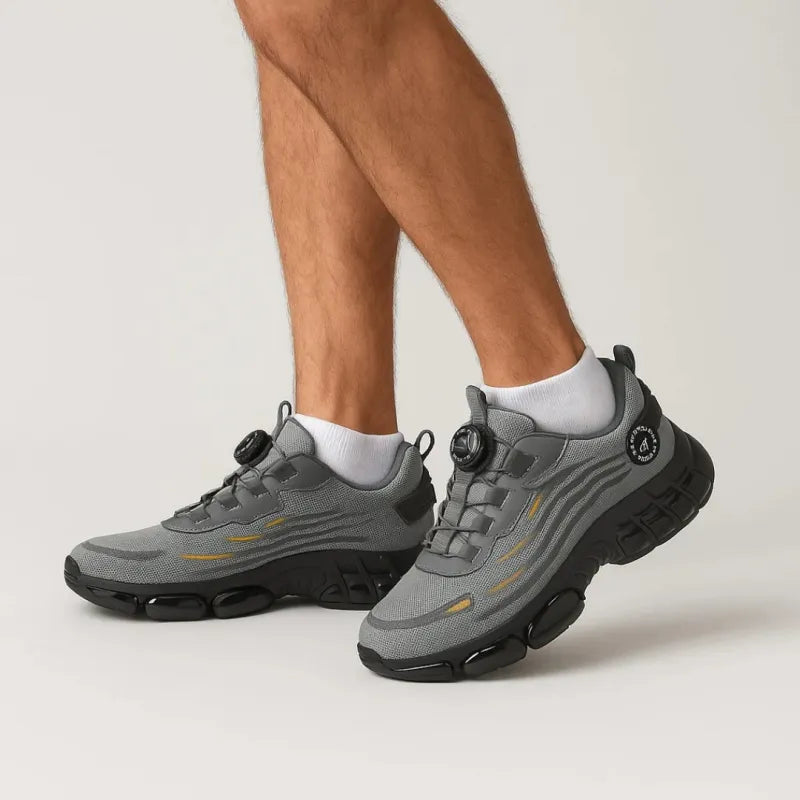
Diabetes changes the way your feet respond to pressure, friction, and temperature. Two conditions drive most of the risk:
- Neuropathy — nerve damage that reduces or eliminates sensation in the feet. You may not feel a blister forming, a seam rubbing, or a toe being compressed. By the time you notice something's wrong, the damage is done.
- Poor circulation — reduced blood flow slows healing dramatically. A small wound that a non-diabetic worker would shake off in days can take weeks to heal for a diabetic, and in the worst cases it escalates to infection or ulceration.
According to podiatrists at Balance Foot & Ankle in Michigan, a shoe seam that causes mild discomfort in a healthy foot can produce a full-thickness blister in a neuropathic diabetic foot within two hours — a blister the worker never feels, doesn't find until evening, and that can end up infected two weeks later.
That's the context. It's not about being overly cautious. It's about understanding what's actually at stake when you pick your work shoes.
Do you suffer from heel pain? Find out: Work Boot Insoles for Plantar Fasciitis Relief & All-Day Support
So, Can Diabetics Wear Steel Toe Shoes?
The short answer: for most diabetic workers, probably not the best idea. Here's why steel-toe shoes create specific problems for diabetics:
- Temperature conductivity. Steel transfers cold and heat. In a cold warehouse or outdoors in winter, a steel cap chills quickly and stays cold. For someone with poor circulation, that's a real risk — reduced blood flow already means extremities struggle to regulate temperature.
- Pressure and fit. Standard steel-toe caps are often narrow and rigid. If your feet swell during a shift — which is common with diabetes — a tight steel cap creates pressure points exactly where you can't afford them. And since neuropathy dulls sensation, you may not realize the damage until you take your shoes off.
- Weight. Steel caps are heavier. More weight means more fatigue, more movement with each step, and more friction over a long shift.
OSHA has acknowledged this directly. In an official guidance letter, the agency noted that diabetic workers may need non-metallic toe caps to get a proper, non-interference fit around the toes.
Standard steel-toe shoes can work for diabetics with well-managed, early-stage diabetes and no significant neuropathy or swelling. For everyone else — which is a large portion of diabetic workers — a podiatrist will often advise against them once they understand how steel caps actually behave on the foot. And if OSHA has specifically addressed this in guidance letters, it's because the problem is real enough to warrant it.
The Smarter Alternative: Composite Toe Safety Shoes
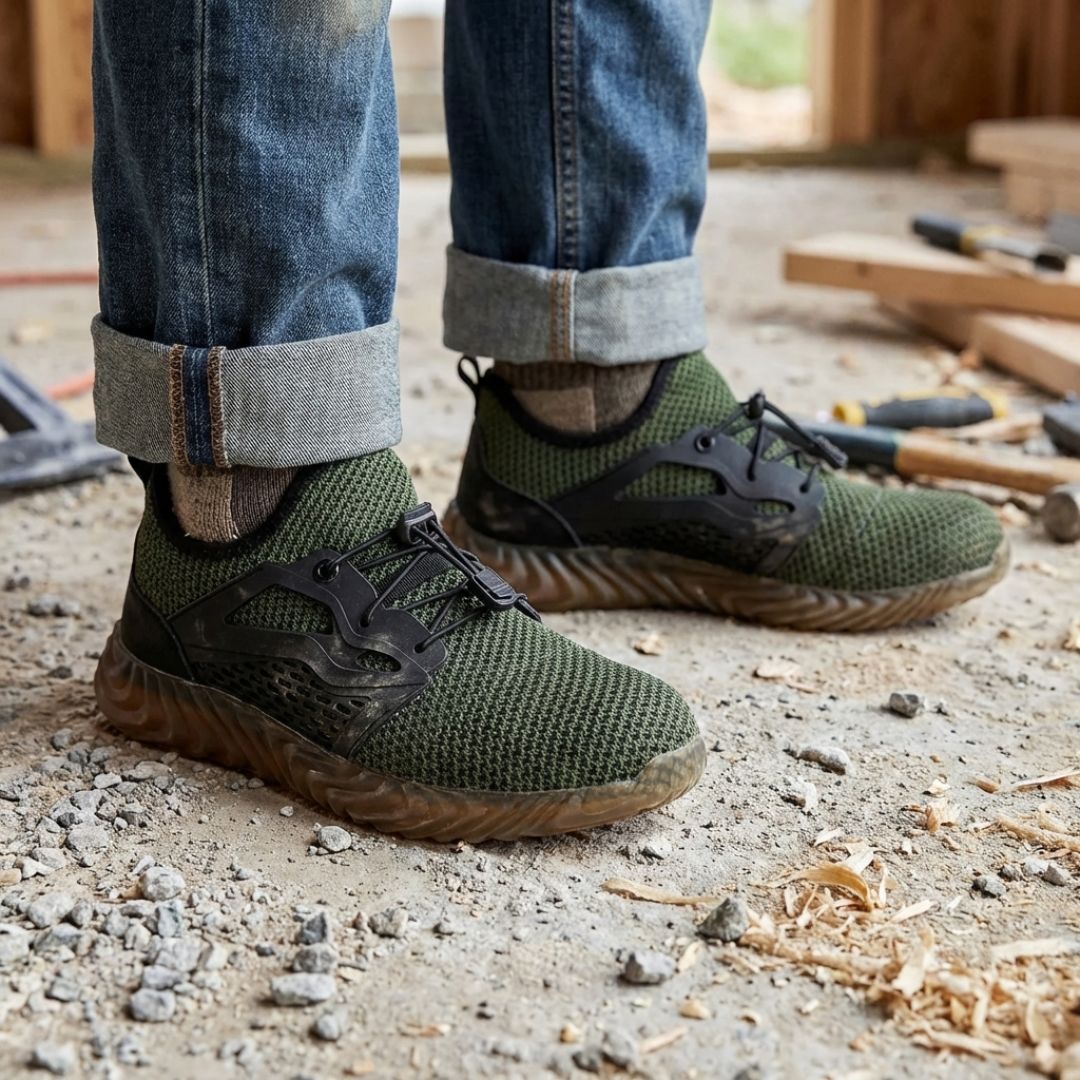
Composite toe shoes carry the same ASTM F2413 protection rating as steel — same impact resistance, same compression rating — but they're made from non-metallic materials like fiberglass, Kevlar, or carbon fiber. For diabetic workers, that difference in material is everything.
Steel conducts temperature. A steel cap in a cold warehouse stays cold, pressing against toes that already have compromised circulation. Composite doesn't do that. Your toes stay closer to your actual body temperature, which your blood flow will thank you for.
Composite caps are also lighter. Less weight on the foot means less friction over a full shift, less fatigue, and less pressure on the forefoot with every step. Workers who've switched from steel to composite almost always report feeling the difference by the afternoon. Not because composite is softer — it's just as protective — but because your feet aren't fighting the shoe's weight all day.
The fit tends to be roomier too. Composite caps are typically shaped more anatomically, with a wider toe box that leaves actual space for your toes, even if your feet swell through a shift. For a diabetic worker, that space is not a comfort preference — it's injury prevention.
If you're asking whether you need to trade protection for foot health, the answer is no. Composite toe gives you both.
Do you suffer from heel pain? Find out: Best Pull-On Work Boots for Plantar Fasciitis Relief
What to Actually Look for in Safety Shoes If You Have Diabetes?
Beyond the toe cap material, these are the features that matter:
- Extra depth and removable insole. This lets you swap in custom orthotics prescribed by your podiatrist without your toes pressing up against the safety cap.
- Wide toe box. Leaves room for deformities like bunions or hammertoes that are more common with diabetes, and accommodates swelling without creating pressure.
- Seamless or low-seam interior. Internal seams are where blisters start. A smooth lining is non-negotiable for neuropathic feet.
- Cushioned, shock-absorbing midsole. Long shifts on concrete are brutal on circulation. A proper EVA or PU midsole helps manage fatigue and reduces impact stress.
- Breathable materials. Moisture trapped in the shoe raises infection risk. Breathable uppers keep feet drier throughout the shift.
And yes — always get your podiatrist's input before committing to a pair, especially if you have active neuropathy, a history of ulcers, or chronic swelling.
Top 5 Mason Composite Toe Safety Shoes for Diabetic Workers
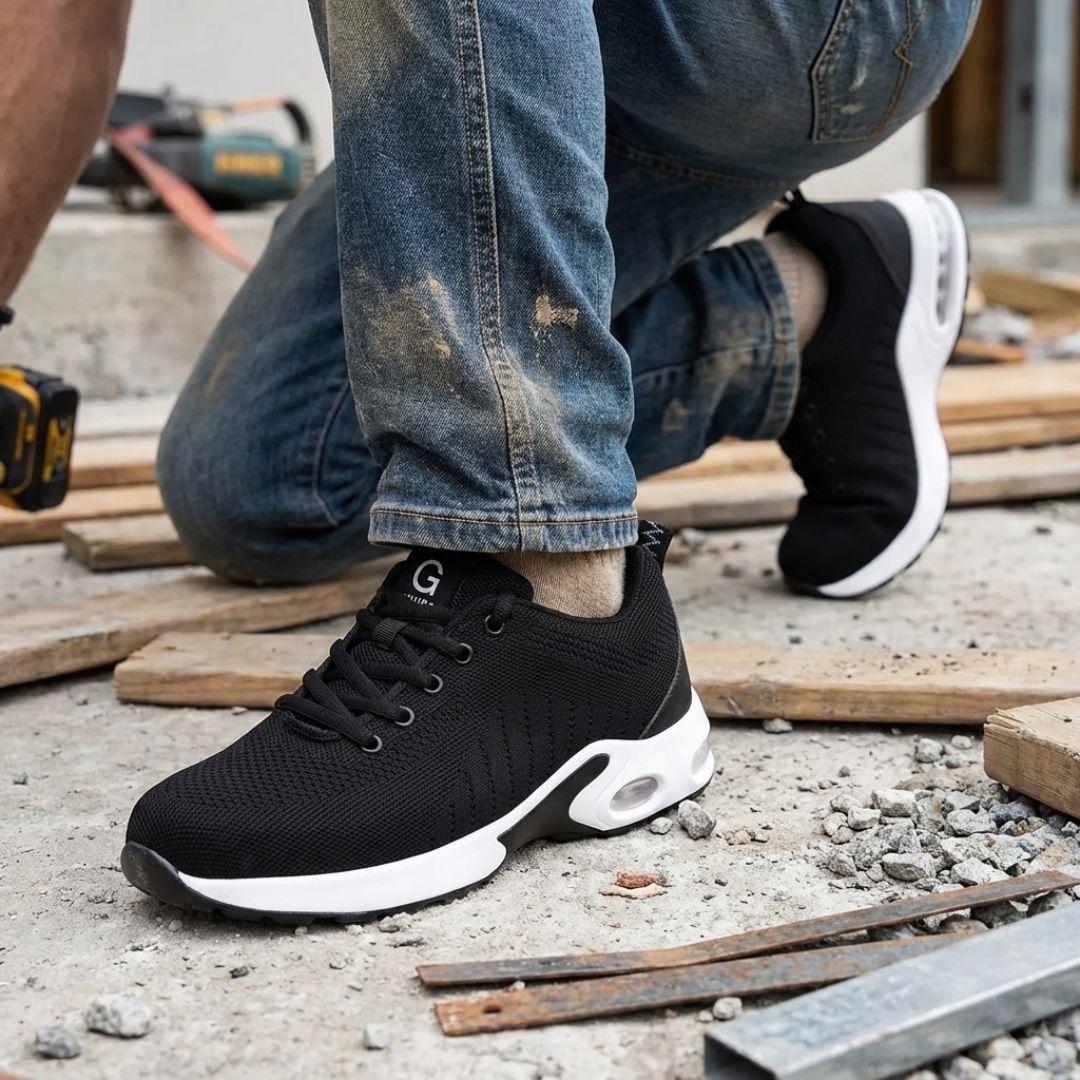
Mason's composite toe range was designed around one central problem: workers who spend all day on their feet and need protection without paying for it in foot fatigue and pain. That happens to overlap almost perfectly with what diabetic workers need. Here are the five models worth looking at.
1. Lightweight composite toe — warehouse and logistics
Built for environments where you're clocking 20,000+ steps a shift. The composite cap keeps the shoe's weight low, and the cushioned insole absorbs shock on hard warehouse floors. If you're diabetic and spending your day walking, this is the right starting point.
2. Slip-resistant composite toe — wet or multi-surface environments
A fall for a diabetic worker is a different problem than for anyone else — injuries don't heal at the same rate, and minor cuts become something you're tracking for weeks. Mason's slip-resistant outsoles hold traction on wet concrete and oily surfaces, which is worth paying attention to.
3. Quick-release closure safety shoes
This one matters if your feet swell through the day. Traditional laces are a problem — too tight in the morning, too loose by afternoon, and adjusting them means stopping work. The quick-release system lets you dial fit in seconds without taking the shoe off.
4. Breathable composite toe — warm environments
Moisture trapped inside a work shoe raises infection risk for diabetic skin. The breathable mesh upper in this model keeps airflow moving through a long shift, especially useful in heated indoor environments or summer work outdoors.
5. High-support composite toe — standing shifts
If your job is mostly standing — assembly, maintenance, counter work — fatigue builds differently than it does when you're walking. The extra heel stability and arch support in this model reduce the load that builds up over hours of static standing.
Browse the full Mason composite toe collection.

What to Do Between Shifts?
Good shoes get you most of the way there. But diabetic foot care doesn't stop when you clock out.
- Check your feet every evening. Look for redness, blisters, cuts, or swelling you didn't feel during the day. Neuropathy means visual checks replace sensation.
- Change socks at midday on long shifts. Especially in hot or wet environments. Moisture-wicking, seamless socks reduce friction and keep skin healthier.
- Replace your work shoes every 6 months. Cushioning compresses with use. A shoe that felt great in January may be giving your feet nowhere near the same protection in August.
- See a podiatrist regularly. Not just when something hurts — for routine checks and to get orthotic recommendations that match your current condition.
If you're still figuring out which insole works best with your footwear, check out our guide on work insoles for long shifts.
The Bottom Line
Can diabetics wear steel toe shoes? Technically, yes — but steel-toe shoes carry real risks for diabetic feet that composite toe shoes simply don't. Temperature conductivity, rigid fit, and extra weight all create pressure points and circulation issues that matter far more when neuropathy is in the picture.
For most diabetic workers who need safety footwear, composite toe is the right answer. Same protection rating, lighter weight, better thermal insulation, and a roomier fit that actually accommodates how diabetic feet behave over a full shift.
Your employer requires safety shoes. Your health requires that they fit properly, breathe, and don't create problems you can't feel until it's too late.
Find your Mason composite toe safety shoes.
