


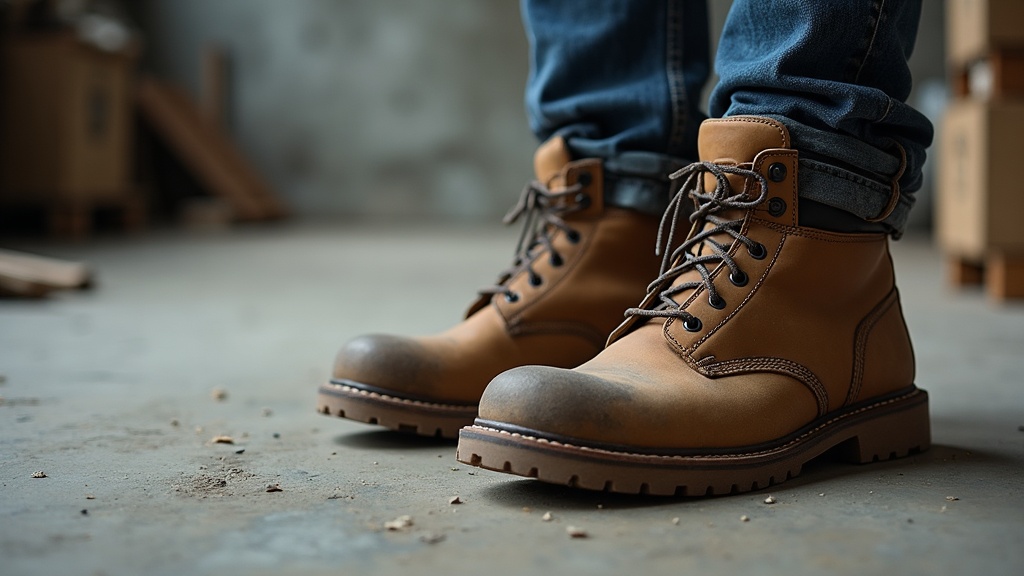
Your feet take about 8,000 steps on a good day at the office. On a construction site, a warehouse floor, or a kitchen line, that number doubles. If you have diabetes, every one of those steps is a negotiation between you and nerve damage you might not even feel yet.
This isn't about scaring you off the job. It's about keeping you working, healthy, and on two feet for the long haul. Here's what actually matters when you're on concrete 10 hours a day with a blood sugar problem.
Key points at a glance
- Peripheral neuropathy means you can have a serious wound and feel nothing at all, daily checks are non-negotiable.
- The right work boot and the right sock combo can cut blister and ulcer risk dramatically.
- A simple end-of-shift foot check takes two minutes and can catch problems before they become amputations.
- Concrete floors are especially brutal: they don't give, they retain cold, and they increase pressure on every part of the foot.
- There are clear red flags that mean stop waiting and go see a doctor today, not next week.
What This Guide Does for You
Why Diabetic Foot Problems Hit Harder When You Work on Concrete All Day
Concrete doesn't compress. Every step you take on it sends a shockwave straight up through your heel, your arch, your ankle. For someone without diabetes, that's just fatigue. For you, it's a pressure injury waiting to happen on feet that may not send pain signals fast enough to warn you.
Peripheral neuropathy, the nerve damage that comes with long-term high blood sugar, means the early warning system in your feet is broken or slow. You step on a nail, a screw, a rough seam inside your boot, and you don't feel it the way you should. By the time something looks wrong, the damage is already deep.
Add to that poor circulation, which diabetes also causes, and you've got wounds that don't heal fast. A blister that a non-diabetic worker shakes off in three days can turn into a serious ulcer in a week if you're not watching.
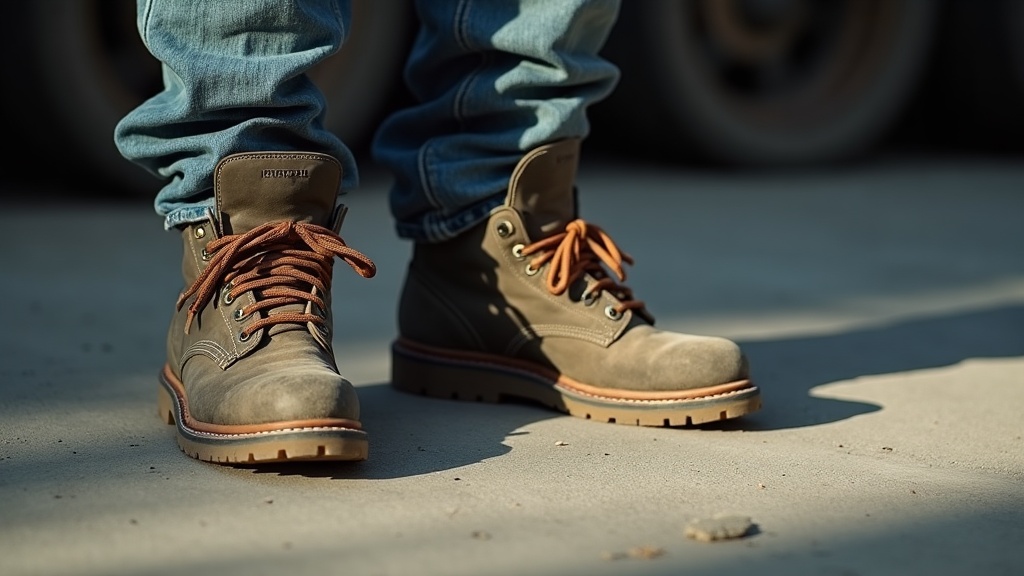
Early Warning Signs You Can't Afford to Ignore on the Job
The problem with diabetic foot pain is that pain isn't always the first sign. Watch for these instead.
- Tingling or burning sensation in your toes or the ball of your foot, especially at the end of a shift
- Numbness or a "dead" feeling in part of the foot that wasn't there six months ago
- Redness or warmth in one spot that doesn't go away after you take your boots off
- A blister or cut that's still there three days after you first noticed it
- Swelling in one foot more than the other, which can signal a Charcot foot event
- Dark spots or discoloration under a callus or toenail
Any one of these is a reason to pull your boot off and look. Two of them at the same time is a reason to call your doctor the same day.
Did you know?
According to the American Diabetes Association, roughly 15% of people with diabetes will develop a foot ulcer at some point in their lives, and foot complications are the leading cause of diabetes-related hospitalizations in the U.S. Most of those ulcers start as a blister or small abrasion that went unnoticed.
The Daily Foot Care Routine Built for a Full Shift (Not a Doctor's Office)
You don't need an hour. You need a system that fits into your actual morning and your actual evening.
Before your shift
- Wash your feet with lukewarm water (not hot, you may not feel the difference).
- Dry completely, especially between the toes. Moisture there breeds fungal infections fast.
- Apply a non-greasy diabetic foot cream to the heel and sole, skip between the toes.
- Do a 30-second visual check: no cracks, no redness, no open spots.
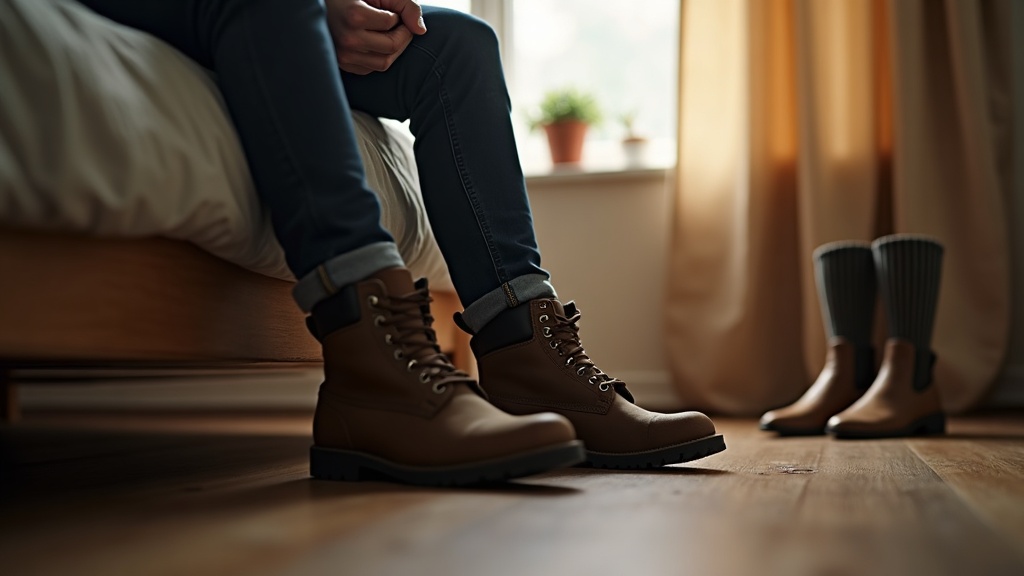
- Put on clean, dry socks before your boots. Never pull on yesterday's pair.
During your shift
- If you feel something rubbing or pinching inside your boot, stop and fix it. Don't push through.
- If you have a break longer than 20 minutes, take your boots off for a few minutes and let your feet breathe.
After your shift
- Check your feet before you do anything else. Full walkthrough at the bottom of this article.
- Moisturize again if the skin feels tight or dry.
- Let your boots air out overnight. Never wear them two days back to back without at least 12 hours of drying time.
Three Things You Should Never Do to a Diabetic Foot (Especially at Work)
These are the ones guys most often get wrong, usually because they're in a hurry or they learned these habits before their diagnosis.
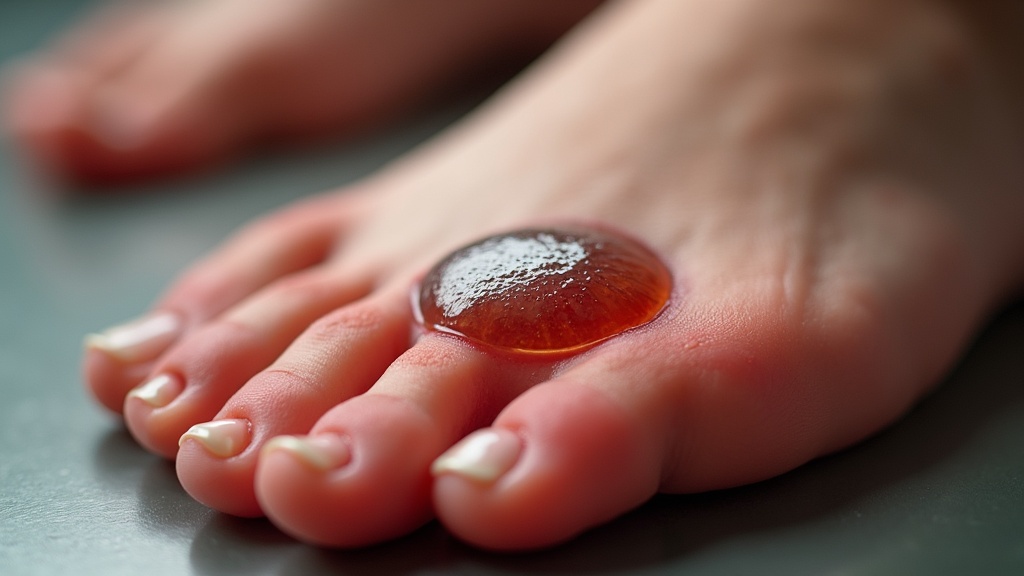
1. Pop a blister. A blister is a sealed, sterile environment. The second you open it, you create an infection risk. Clean it, pad it, and let your doctor handle it if it's big.
2. Cut your own calluses or corns. Over-the-counter corn pads with salicylic acid can eat through diabetic skin fast. A podiatrist handles calluses. You don't.
3. Go barefoot anywhere on site. Even in the break room, even for 30 seconds. One screw, one wood chip, and you've got an open wound you might not notice until the infection is already spreading.
The Right Socks and Boots: What Actually Protects Diabetic Feet on Site
Gear matters. Not the brand, the specs. Here's what to look for and why each thing is on the list.
Best socks for diabetics on their feet all day
You want non-binding tops (no tight elastic band cutting into your ankle), seamless or flat-seam construction (seams cause blisters when you're walking thousands of steps), and a moisture-wicking fiber like merino wool or a CoolMax-style synthetic blend. Avoid cotton for all-day wear: it holds sweat and softens your skin until it breaks down.
Thickness matters too. A cushioned sole adds shock absorption that your boot alone won't give you.
Work boots for diabetic feet
Look for boots with a wide toe box so toes aren't compressed. Rocker-bottom soles reduce forefoot pressure significantly. If you have any neuropathy at all, an insole upgrade, specifically an extra-depth diabetic insole with pressure redistribution, is one of the best investments you can make.
| Feature | Why It Matters for Diabetics | What to Avoid |
|---|---|---|
| Non-binding sock top | Prevents circulation restriction at the ankle | Tight ribbed elastic bands |
| Seamless sock toe | Eliminates friction that causes toe blisters | Bulky toe seams on the inside |
| Merino wool or CoolMax blend | Wicks sweat, reduces skin breakdown | 100% cotton for all-day wear |
| Wide toe box boot | Prevents nerve compression and toe ulcers | Narrow or pointed toe styles |
| Rocker-bottom or cushioned sole | Redistributes forefoot pressure on concrete | Flat, rigid soles with no cushioning |
| Extra-depth diabetic insole | Fills dead space, reduces shear force and hot spots | Generic flat insoles that came with the boot |
The 3-Hour Rule and Why You Need to Move Smarter, Not Less
Standing completely still on concrete for hours at a time is actually harder on diabetic feet than walking. When you stand still, pressure stays concentrated on the same spots continuously. When you walk, it shifts.
The 3-hour rule is simple: every three hours, change your position, walk a short loop, or at minimum shift your weight and flex your ankles for two minutes. This keeps blood moving and prevents the kind of localized pressure damage that builds silently under your skin.
If your job has you stationary for long stretches, talk to your supervisor about an anti-fatigue mat. OSHA doesn't require them for most jobs, but employers increasingly provide them, and they cut forefoot pressure by a measurable amount.
Did you know?
Anti-fatigue mats on concrete have been shown in ergonomics research to reduce plantar pressure by up to 50% compared to bare concrete, and to significantly lower reported lower-limb fatigue at the end of an 8-hour shift. For diabetic workers, that pressure reduction matters beyond just comfort.
End-of-Shift Foot Check: What to Look For Before You Pull Your Boots Off
Two minutes. That's all this takes. Make it a habit and it becomes automatic by the end of the first week.
The five-point check
- Tops and sides of both feet: Any new redness, swelling, or warmth you didn't have this morning?
- Heel and sole: Dry skin cracking? Any raw patches or dark spots under calluses?
- Between every toe: This is where fungal infections and moisture damage start. Check each space.
- Toenails: Any bruising under the nail? Ingrown edges? Discoloration?
- Temperature comparison: Feel both feet with your hand. One noticeably colder than the other can mean circulation trouble.
If you have trouble seeing the bottom of your feet, use a mirror on the floor or ask someone you trust to take a look. It's not a big deal. Your foot is.
When Home Remedies Aren't Enough: Red Flags That Mean See a Doctor Now
There's a reasonable place for diabetic foot pain home remedies. Soaking tired feet in cool (not hot) water, elevating your legs after a long shift, using a proper moisturizer, these are fine and they help.
But these situations are not for home remedies. They need a doctor, today or tomorrow, no exceptions.
- Any open wound that isn't clearly healing after 48 hours
- A wound with any pus, bad smell, or spreading redness around it
- A foot or ankle that swells suddenly and feels warm, especially if you haven't twisted it
- Black or dark tissue anywhere on your foot, especially around a wound
- Fever combined with any foot problem, that's a systemic infection and it moves fast
- Any wound on the bottom of the foot that's deeper than a surface scrape
These aren't worst-case scenarios you're unlikely to see. These are common outcomes for diabetic workers who push through and wait. The workers who lose toes or feet almost always have the same story: "I thought it would get better on its own."
Start Tonight: Your Three Non-Negotiables
You don't have to overhaul everything at once. Start with three things this week and build from there.
- Do the five-point foot check tonight. Just tonight. Then do it again tomorrow. It takes less time than checking your phone.
- Replace your socks. If you're wearing cotton athletic socks, swap them for non-binding, moisture-wicking diabetic socks. This is a $20 to $30 decision that reduces your risk every single day.
- Tell someone on your crew. Not because it's their business, but because if something happens on site, someone should know to look at your feet and not assume you just twisted an ankle.
Your feet got you to this job. The least you can do is check on them before you go to sleep.
