


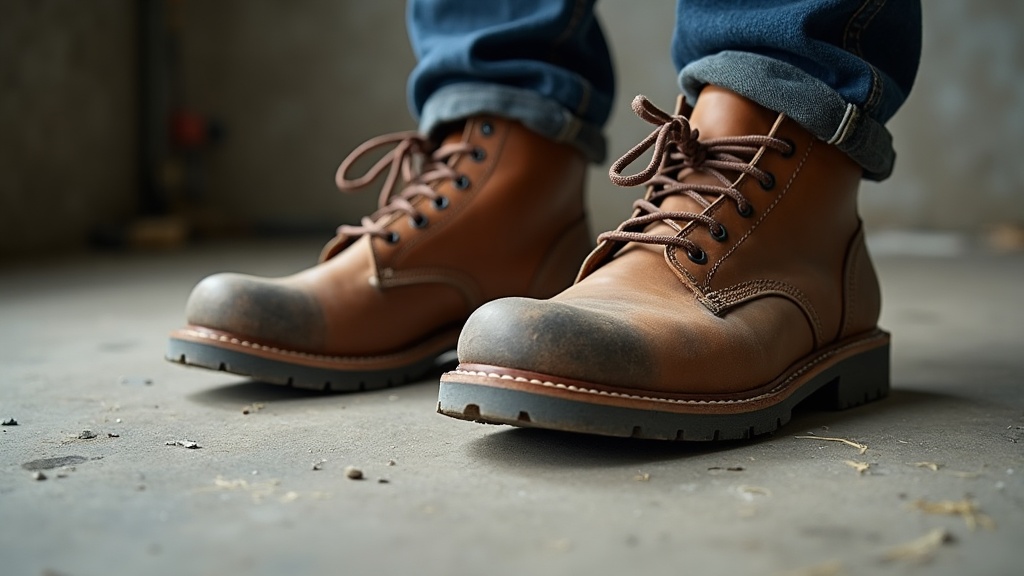
Your boots hit the truck bed and everyone rolls down the window. That's not just an inconvenience. That's sweat, bacteria, and dead skin that's been cooking inside airtight leather for ten hours straight.
Foot odor prevention in closed toe work boots isn't complicated, but you have to attack it from every angle: your feet, your socks, your insoles, and the boots themselves. Miss one, and the smell wins.
Key points at a glance
- Bacteria, not sweat itself, creates the odor. Kill the bacteria and you kill the smell.
- Cotton socks are the single biggest mistake most workers make every morning.
- A boot dryer does more work than any spray or powder you can buy.
- The right antimicrobial insole replaces the original footbed and fights odor at the source.
- Between-shift maintenance takes under two minutes and makes a real difference by Friday.
- Some boots are past saving. Knowing when to replace them saves you time and money.
Your Odor-Free Boot Strategy
Why Closed Toe Work Boots Smell Worse Than Regular Shoes
A regular sneaker breathes. A closed-toe work boot, especially one with a steel or composite toe cap, is essentially a sealed chamber. Your foot produces around 250 ml of sweat per day, and in a steel toe boot, that moisture has nowhere to go.
The real culprit is bacteria, specifically Brevibacterium and Staphylococcus species that thrive in warm, damp, dark environments. They break down sweat and dead skin cells into isovaleric acid. That's the compound that smells like a locker room floor.
Steel and composite toe caps also trap heat more than leather alone, which accelerates bacterial growth. You're not just dealing with odor, you're dealing with a petri dish strapped to your foot for ten hours.
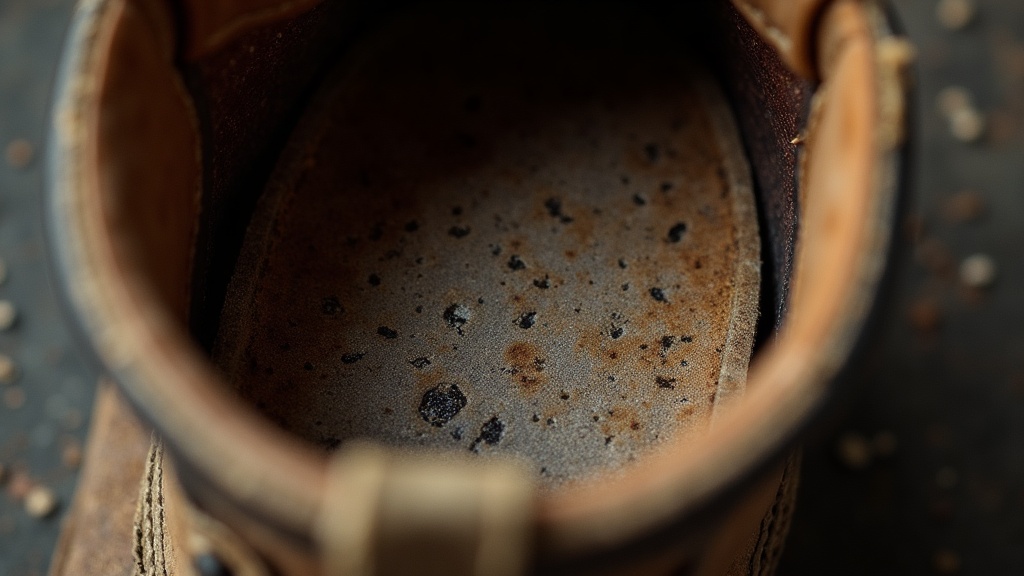
Start With Your Feet: Hygiene Steps That Make a Real Difference
No insole or spray fixes poor foot hygiene. Wash your feet with soap every single day, including between the toes. That's where bacteria concentrate the most.
After washing, dry your feet completely before putting on socks. Damp feet going into boots accelerate everything you're trying to prevent. A few seconds with a towel between each toe makes a noticeable difference by midweek.
If you sweat heavily, a foot antiperspirant applied to clean, dry feet two to three times a week cuts sweat production significantly. Look for ones containing aluminum chloride. This is one of the most underrated steps to stop sweaty feet in steel toe boots.
Did you know?
The human foot has roughly 250,000 sweat glands, more sweat glands per square inch than almost any other part of the body. Over an eight-hour shift in enclosed boots, feet can produce enough moisture to fill a shot glass.
The Right Socks Are Half the Battle (Skip Cotton)
Cotton holds moisture against your skin and keeps it there. In a work boot, that means your feet are sitting in their own sweat from hour two onward.
Merino wool socks for work boots are the upgrade that actually works. Merino wool wicks moisture away from skin, naturally resists bacterial growth (lanolin in the fiber is inherently antimicrobial), and regulates temperature so your feet don't overheat as fast.
- Merino wool: best all-around for odor and comfort, slightly pricier but worth every dollar
- Synthetic blends (polyester/nylon): good wicking, less odor resistance, fine as a backup
- Wool/synthetic blends: solid middle ground, more durable than pure merino
- Cotton: avoid entirely for full-day work boot use
Rotate two or three pairs of quality socks across the week. Wearing the same pair two days running compounds every odor problem you already have.
Insoles That Actually Fight Odor, Not Just Cover It Up
The original insole that comes with most work boots is a compressed foam slab with zero odor-fighting properties. Swap it out on day one.
The best insoles for foot odor use one of three technologies: activated charcoal (adsorbs odor molecules), copper-infused foam (antimicrobial), or silver-ion technology (kills bacteria on contact). All three outperform baking soda or cedar inserts by a wide margin.
| Insole Type | How It Fights Odor | Best For | Lifespan |
|---|---|---|---|
| Activated Charcoal | Adsorbs odor molecules passively | Moderate sweaters | 3 to 6 months |
| Silver-Ion | Kills bacteria on contact | Heavy sweaters, summer shifts | 6 to 12 months |
| Copper-Infused Foam | Antimicrobial + cushioning | Long shifts on hard surfaces | 6 to 9 months |
| Cedar Wood | Absorbs moisture, light deodorizing | Between-shift use only | 1 to 2 years |
| Original Boot Insole | None | Replace immediately | Weeks |
What to Put In Your Boots Between Shifts
Taking your boots off at the end of the day and tossing them in a corner is how the smell gets permanent. The bacteria keep working through the night unless you interrupt them.
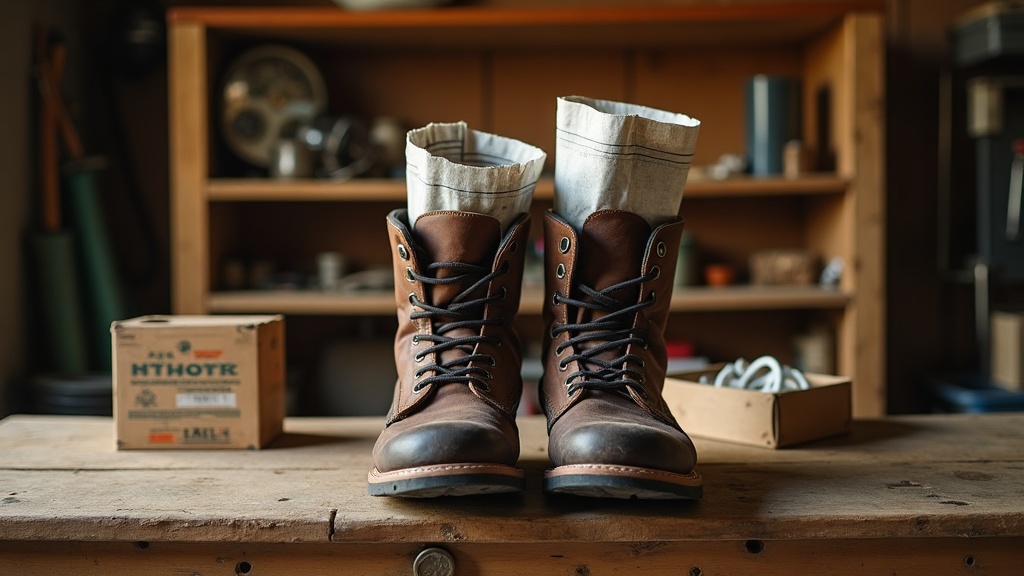
For a quick smelly work boots home remedy, stuff each boot with crumpled newspaper right after you take them off. Newspaper absorbs residual moisture fast. Swap it out after an hour and leave the boots somewhere with airflow, not in a bag, not in a closed closet.
Baking soda works as a short-term fix. Pour a tablespoon into each boot, let it sit overnight, then knock it out in the morning before you put them on. It neutralizes acid-based odors without damaging the lining.
Boot Dryers: Worth the Money or Gimmick?
A boot dryer is the single most effective purchase you can make for long-term odor control. Most units run between $25 and $60, and they pay for themselves in extended boot life alone.
Forced-air dryers push warm air through the boot, removing moisture from the insole, the lining, and the interior walls where bacteria breed. Bacteria need moisture to survive. Remove the moisture overnight, and you break the cycle.
Look for a boot dryer for work boots that offers gentle heat (under 105°F) rather than high-heat units that can crack leather or delaminate glued soles over time. Timer-equipped models are safer for regular use.
Did you know?
Studies on athletic footwear show that boots and shoes dried with forced air after each use harbor significantly lower bacterial counts than those left to air-dry passively. The difference is measurable within 48 hours of consistent use.
When to Clean Your Boots and How to Do It Without Wrecking Them
Cleaning the outside of your boots is maintenance. Cleaning the inside is odor control. Most workers do the first and skip the second entirely.
Interior Cleaning (Monthly Minimum)
- Remove insoles and wash them separately with mild soap and warm water
- Wipe the interior lining with a cloth dampened with white vinegar (diluted 50/50 with water). Vinegar kills bacteria and evaporates without leaving residue
- Let the interior dry completely, ideally with a boot dryer, before reinserting the insoles
Exterior Cleaning (As Needed)
- Brush off dried mud and debris before it compresses into the seams
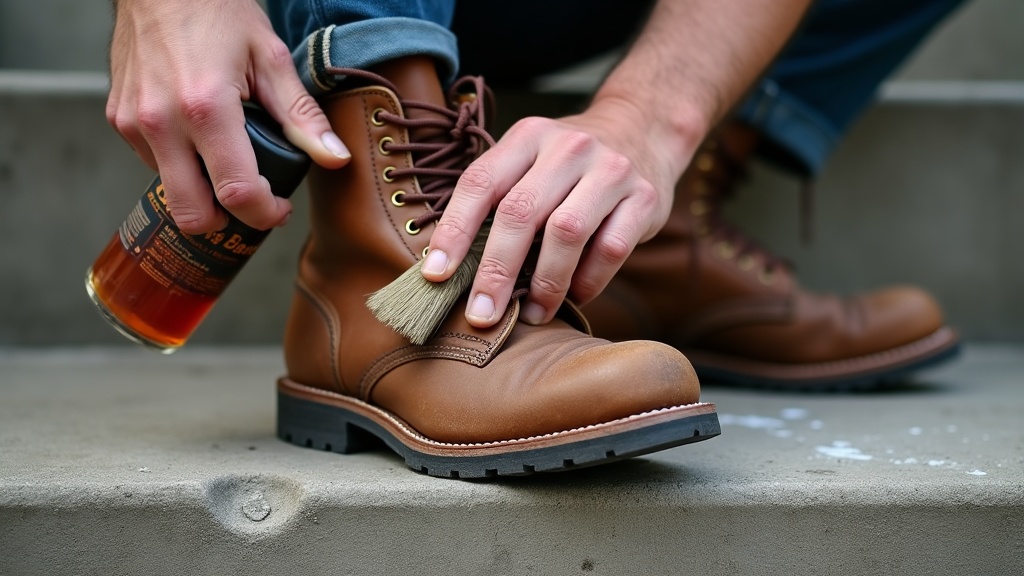
- Use a saddle soap or leather-safe cleaner, not dish soap, which strips protective oils
- Condition leather boots after every wet cleaning to prevent cracking
For stubborn cases, a work boot smell remover spray containing enzymes (not just fragrance) breaks down the organic compounds that cause odor at the molecular level. Spray the interior, let it sit for ten minutes, then wipe out and dry. The best odor eliminator for work boots uses enzyme-based or probiotic formulas, not masking agents.
Signs Your Boots Are Past Saving and It's Time to Replace Them
There's a point where no insole, no dryer, and no spray fixes the problem. The smell has soaked into the midsole foam and the interior lining permanently. You're fighting a lost cause.
Watch for these signs:
- The smell returns within an hour of putting fresh socks on
- The interior lining is visibly deteriorated, flaking, or pulling away
- The insole bed is so compressed it no longer has any cushioning
- The outsole is worn smooth in high-traction zones, which is a safety issue beyond just odor
- Leather upper is cracked through the surface, not just surface scuffs
A quality pair of work boots lasts two to five years with proper care. If yours are approaching that range and none of these fixes are holding, put the money into a new pair rather than a losing battle with the old ones. How to keep feet dry in work boots starts fresh with boots that still have intact, functional lining and midsole material.
Your Daily Two-Minute Protocol
This is the practical takeaway. Do these five things consistently and the odor problem mostly solves itself:
- Morning: Dry feet completely before putting on merino wool socks
- End of shift: Pull the boots off, pull the insoles out, set everything in a ventilated spot
- Overnight: Run the boot dryer or stuff with newspaper
- Weekly: Baking soda treatment in each boot
- Monthly: Wipe interior lining with diluted white vinegar, clean and condition the exterior
That's it. Stack those habits and foot odor prevention in closed toe work boots stops being a problem you react to and becomes one you've already handled.
