


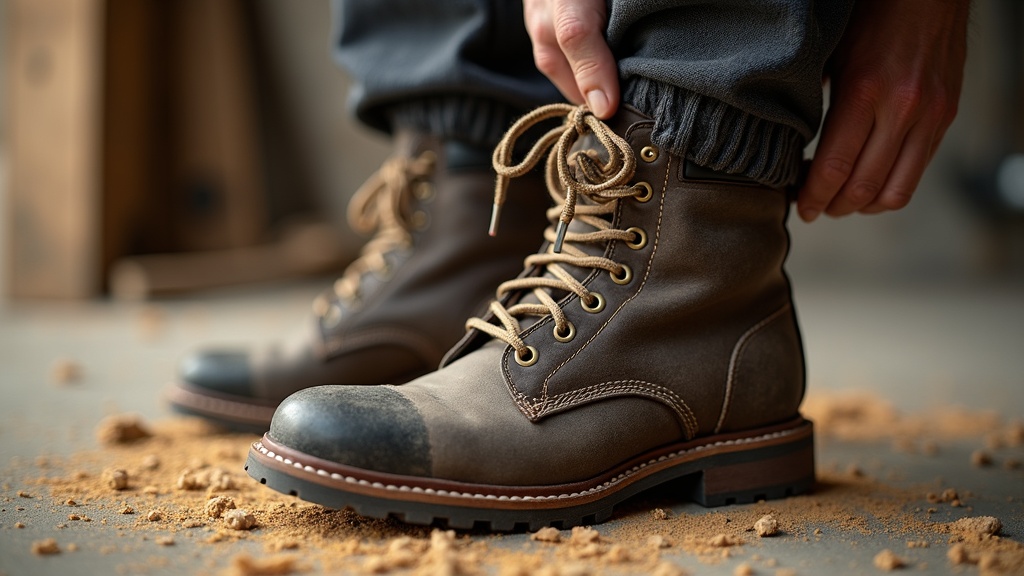
You probably own too many dress socks and not enough work socks. Or you own too many beat-up work socks you should have thrown out six months ago. Either way, your feet are paying for it.
This breaks down the real number, based on how you actually work, how often you actually do laundry, and what it actually takes to keep your feet healthy through a full week on the job.
Key points at a glance
- Most tradesmen need 7 to 10 pairs of dedicated work socks, not the 3 to 5 that lifestyle blogs suggest.
- Your laundry schedule is the single biggest variable in your sock count.
- Sock material determines blister protection more than thickness does.
- Work socks wear out in 4 to 6 months of daily use, faster than most guys admit.
- The two-sock method works on long shifts but requires the right liner sock underneath.
- A proper rotation protects your feet and your wallet long-term.
What a smart sock rotation gets you
The Short Answer (And Why Generic Advice Gets It Wrong for Tradesmen)
Most generic "how many socks should a man own" guides say 7 pairs total for the whole week. That math works if you sit at a desk in loafers. It does not work if you're on your feet for 10 hours in leather boots on concrete or crawling through a crawlspace.
A tradesman's sock gets more abuse in one shift than most people's socks see in a week. Sweat, friction, compression, and heat break down the fibers fast. You need more pairs, and they need to be the right kind.
Your Laundry Schedule Decides Your Sock Count, Not Lifestyle Gurus
This is the simplest formula: pairs needed = days between washes + 2 buffer pairs.
- Wash every 3 days: 5 pairs minimum
- Wash once a week: 9 pairs minimum
- Wash every 10 days (it happens): 12 pairs, no arguments
The buffer pairs exist for one reason: so you're not pulling a damp sock out of the dryer at 4:45 a.m. because you miscounted.
Did you know?
The average worker's foot produces up to half a pint of sweat per day inside a closed boot. Rotating socks and letting each pair dry fully between wears cuts bacterial growth significantly and extends the life of the fabric.
The Real Number: How Many Pairs of Work Socks You Need by Shift Type
Not every job is the same. A warehouse worker logging 12-hour shifts has different needs than a plumber doing half-day service calls.
| Shift Type | Pairs Per Week | Recommended Total Stock |
|---|---|---|
| Office / light duty (under 4 hrs standing) | 5 | 7 pairs |
| Standard trade shift (8 hrs, boots all day) | 5 | 9 to 10 pairs |
| Extended shift / OT (10 to 12 hrs, heavy boot) | 5 to 6 | 10 to 12 pairs |
| Hot environment (foundry, roofing, outdoor summer) | 6 to 10 (mid-shift change) | 12 to 14 pairs |
| Minimalist approach (daily washer, line dry) | 5 | 5 to 6 pairs |
If you work in extreme heat, changing your socks mid-shift is not a luxury. It's how you avoid trench foot-level problems. Pack a spare pair. It weighs nothing.
Why Work Socks Wear Out Faster Than Any Other Socks You Own
Work boots create conditions no dress shoe or sneaker comes close to. The interior is hot, damp, and compressive. Every step grinds the sock against a stiff liner.
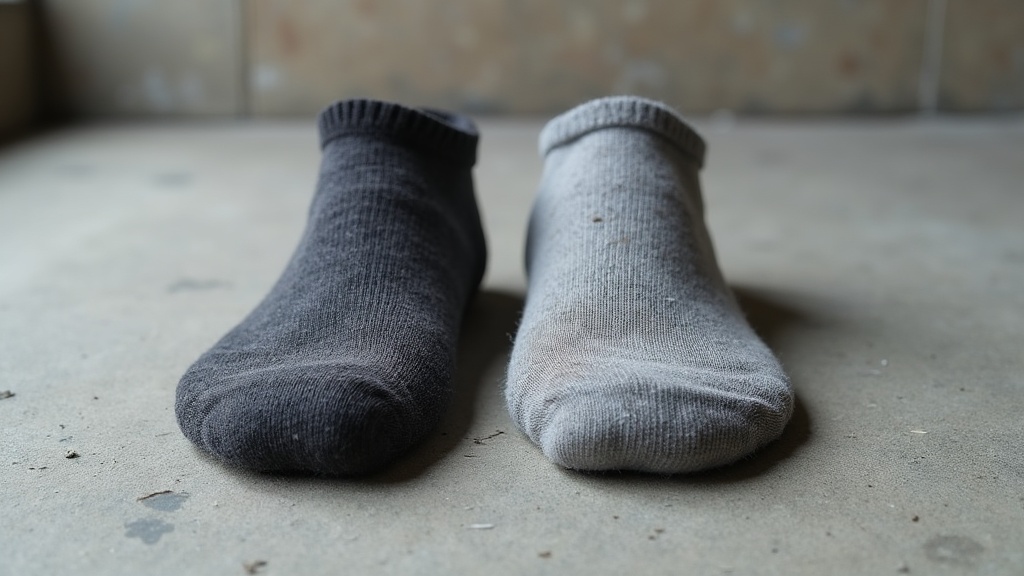
The heel and ball of the foot take the worst of it. Those zones thin out first, then the cushioning layer collapses, and then you're basically walking in a cotton sleeve. That's when blisters and hot spots show up.
Does Wearing Socks Actually Help With Blisters? (Yes, But Only the Right Ones)
Yes, socks help with blisters. But the sock has to be doing its job. A cotton sock that's gone flat or stays damp against your skin is not helping. It's making things worse.
What actually prevents blisters:
- Moisture-wicking fibers (merino wool, synthetic blends) that pull sweat away from skin
- Reinforced cushioning at the heel and ball of foot that absorbs impact and reduces friction
- A snug fit with no bunching, because loose material folds and creates pressure points
- A sock that stays in place, no sliding down inside the boot after the first hour
Pure cotton fails the first test. It holds moisture. Once it's wet, it stays wet, and wet skin blisters easily. Cotton has no place in a 10-hour work boot.
What the Two Sock Rule Is and Whether It's Worth It on the Job
The two-sock method means wearing a thin moisture-wicking liner sock directly against your skin, with a thicker cushioned work sock over it. The idea is that friction happens between the two socks instead of between the sock and your skin.
It works. Hikers have used it for decades. For tradesmen doing long shifts, especially in stiff new boots, it can be the difference between a normal day and a heel that looks like raw hamburger by Friday.
The catch: it only works if the liner sock fits well and doesn't bunch. A thin Merino or polyester liner sock is what you want. Not a dress sock. Not a second cotton tube sock.
Did you know?
Merino wool fibers can absorb up to 30% of their weight in moisture before they feel wet against your skin, which is why merino work socks keep feeling dry far longer than synthetic or cotton options during heavy physical labor.
Signs Your Work Socks Need to Be Replaced Right Now
Most guys hold onto bad socks way too long. Here's the honest checklist.
- Thinned heel or ball: you can see light through the fabric when you stretch it
- Elastic shot: the cuff slides down your calf inside the boot
- Persistent odor after washing: bacteria have colonized the fibers, no amount of detergent fixes that
- Bunching: the sock no longer holds its shape and folds inside the boot
- New blisters in spots that used to be fine: cushioning is gone
If your sock hits two or more of those, it's done. Replace it. A $15 pair of good work socks is cheap compared to a week of limping.
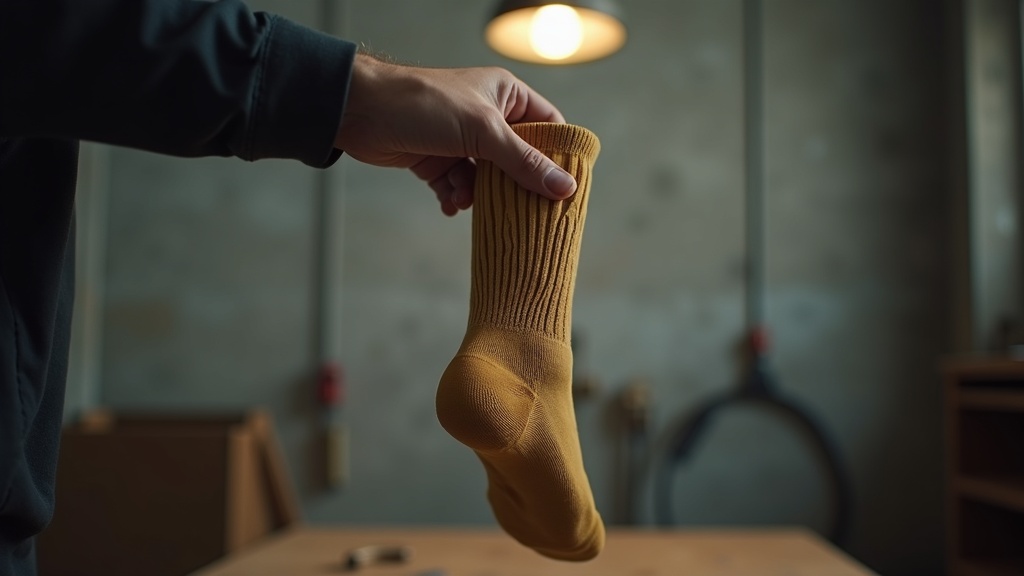
How to Build a Rotation That Keeps Your Feet Intact All Week
Here's a practical system, no overthinking required.
Step 1: Pick a number based on your laundry schedule
Use the table above. Add two pairs as a buffer. That's your target stock count.
Step 2: Buy the same sock in bulk
Identical pairs mean you never waste time matching socks and you replace individual pairs without disrupting the rotation. Three to four packs of the same model is the move.
Step 3: Date your pairs when you open the pack
Write a small mark or use a laundry marker on the toe. Rotate the oldest pairs into the heaviest-use days. Retire them on a fixed schedule, every 4 to 6 months of daily wear, not when they fall apart.
Step 4: Let socks dry fully before wearing again
Never re-wear a sock that's still damp. Twelve hours of airing out minimum. That's why you need more than a few pairs, because you can't rush the drying process and keep your feet healthy.
Step 5: Wash in cold, skip the dryer when you can
High heat kills elastic and shrinks wool blends. Cold wash, line dry when possible. Your socks last months longer. That's real money saved.
