


New work boots are stiff, unforgiving, and can wreck your feet before lunch. According to the American Podiatric Medical Association, over 77% of workers experience foot pain — and poorly broken-in footwear is one of the leading causes. If you need to know how to break in work boots fast, you're in the right place. No soaking, no heat guns, no gimmicks — just field-tested methods that cut break-in time from two weeks down to 3–5 days.
Why Work Boots Feel So Stiff and What You're Fighting Against?

Not all stiffness is equal. Full-grain leather boots have tightly packed fibers that need repeated flexion to soften. Steel toe caps create a rigid pressure zone across the toe box. EVA and rubber midsoles require heat and movement to compress into your natural stride pattern. The three main friction points to know:
- Heel counter: the stiff back cup that causes the most blisters
- Toe box: especially tight with steel or composite caps
- Boot shaft: rubs the ankle until the leather conforms
Understanding these zones lets you target your break-in efforts where they matter most.
Method 1: Wear Them at Home First (The Foundation)
Before your first shift, put in deliberate home time. Start with 1–2 hours per day — walking around the house, going up and down stairs, doing basic chores. It sounds simple, but this controlled exposure is what separates a smooth break-in from a painful one.
What to do:
- Wear thick work socks to pad pressure points and accelerate stretch
- Flex the boot manually with your hands before putting it on — 15–20 bends on the sole and shaft
- Walk actively: don't just stand still
Two days of focused home wear can eliminate 80% of the friction problems you'd otherwise face on the job site.
Check out this guide: Best Pull-On Work Boots for Plantar Fasciitis Relief
Method 2: The Thick Sock Hack (Fastest Natural Stretch)
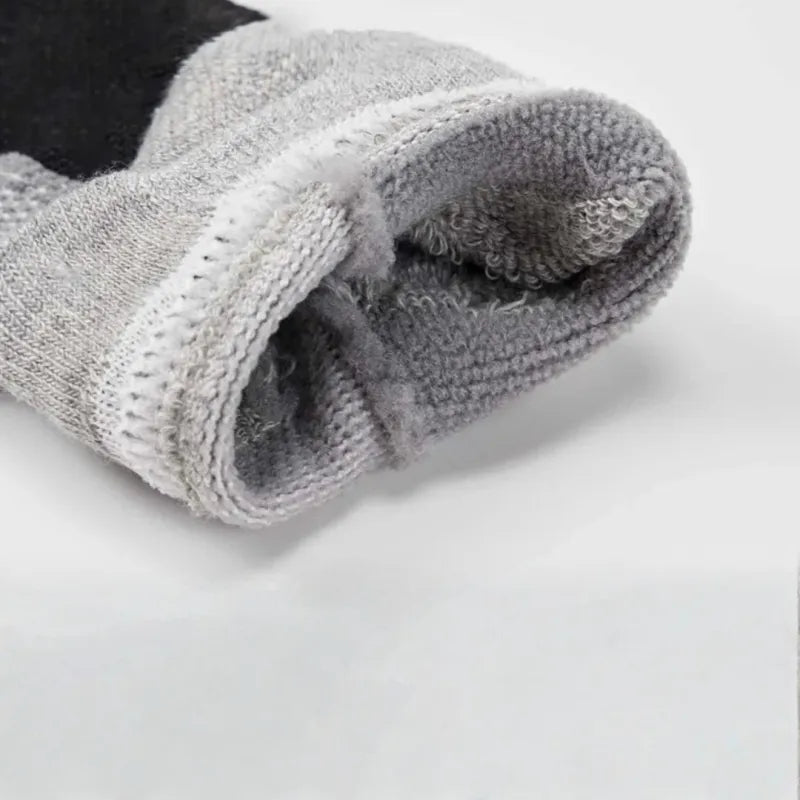
This is the most underrated trick to break in work boots fast without any product or tool. Put on two pairs of thick work socks — or one pair of thermal socks — lace your boots normally, and walk for 30–45 minutes.
Why it works: the extra volume creates outward pressure on the leather while your body heat softens the fibers simultaneously. It's a passive stretch that happens while you move.
Maximize the effect:
- Actively flex your toes and ankles while walking
- Focus on toe curls to open up the toe box
- Repeat daily for 2–3 days
Results are noticeable after the very first session.

Method 3: Leather Conditioner — The Speed Cheat Code
Leather conditioner is the closest thing to a shortcut when you need to break in work boots fast. Mink oil, neatsfoot oil, and beeswax-based conditioners penetrate the leather fibers and increase their flexibility by up to 40–50% — making the boot dramatically easier to bend and conform to your foot.
How to apply:
- Clean the boot surface first with a dry cloth
- Apply a generous coat on the heel counter, shaft, and toe box
- Let it absorb for 30 minutes, then put the boots on immediately
- Walk for at least 45 minutes while the leather is still supple
One non-negotiable rule: never use water, steam, or direct heat. It weakens the adhesive, damages waterproofing, and cracks the leather over time — the opposite of what you need.
Method 4: Targeted Flex Exercises
Passive wear isn't enough — active movement accelerates break-in significantly. Before putting your boots on, grab each one and bend the sole back and forth 20 times. Then do the same laterally on the shaft.
Once you have them on, run through this quick routine:
- 15 squats — loads the toe box and sole flex point
- 2 flights of stairs — targets heel counter and ankle shaft
- 10 forward lunges — opens up the instep and midsole
Ten minutes of this beats two hours of standing still. Your boots will feel noticeably more pliable by the end of the session.
Method 5: The Boot Stretcher Method
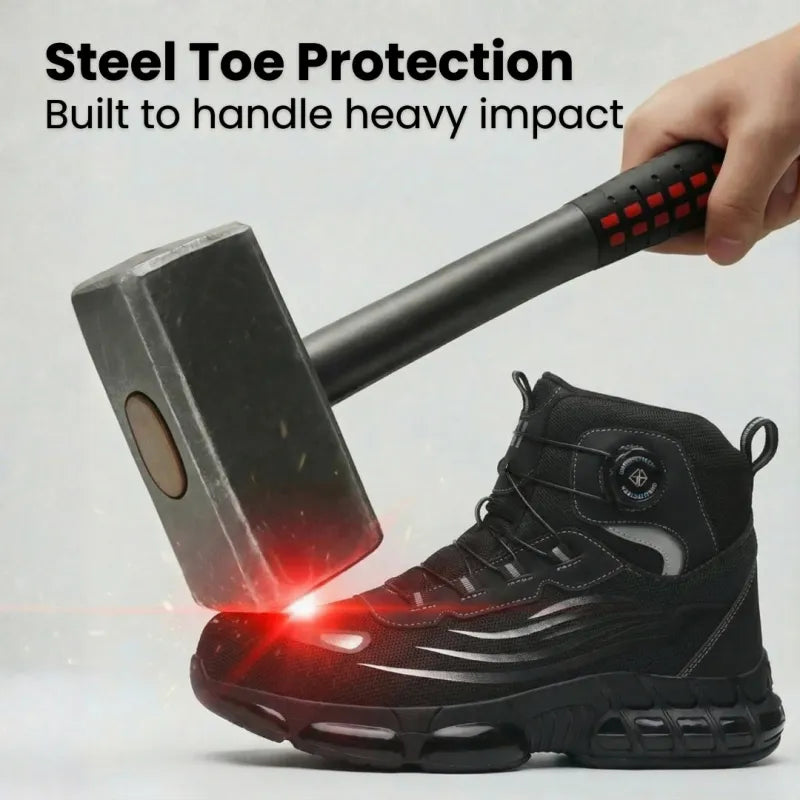
If your boots are too narrow or the toe box feels crushing, mechanical stretching is the answer. A boot stretcher — a wooden or plastic device inserted into the boot overnight — applies consistent outward pressure that no amount of walking can replicate.
No stretcher? Use this DIY alternative:
- Fill two zip-lock bags with water
- Insert them into the boots
- Place the boots in the freezer overnight — water expands as it freezes, gently stretching the material
This method works especially well on composite toe boots where the cap limits natural flex. Never attempt it with heat — cold stretching preserves leather integrity.
How Long Does It Really Take?
The honest answer depends on your boot material. Synthetic and nubuck uppers typically conform within 4–5 days. Full-grain leather boots need 10–14 days without intervention — but combining the methods above cuts that down to 3–5 days.
Day-by-day breakdown:
|
Day |
Action |
|
Day 1–2 |
Condition leather + home wear with thick socks (1–2h) |
|
Day 3–4 |
Half-day on the job, alternate with a backup pair |
|
Day 5–7 |
Full-day wear, monitor friction points |
|
Week 2 |
Boots fully conformed to your foot shape |
Pro tip: if a specific spot keeps rubbing after day 5, apply a targeted second coat of conditioner directly on that zone before your next shift.
What NOT to Do When Breaking In Work Boots?
Knowing what to avoid is just as important as knowing what to do. These common mistakes actively damage your boots and extend break-in time instead of reducing it.
- Soaking in water: destroys adhesive bonds, ruins waterproofing, causes mold inside the lining
- Direct heat (hair dryer, heater): dries out leather fibers, causes irreversible cracking
- Wearing them 10+ hours on day one: guarantees blisters and creates pressure sores that take days to heal
- Forcing with hard objects: uneven pressure damages the structure of the toe box and heel counter
- Skipping socks: friction without cushioning tears skin before leather even starts softening
Check out this guide: Steel Toe vs Composite Toe Boots: Expert Guide to Choosing the Best Protection
Start With the Right Boot — It Changes Everything
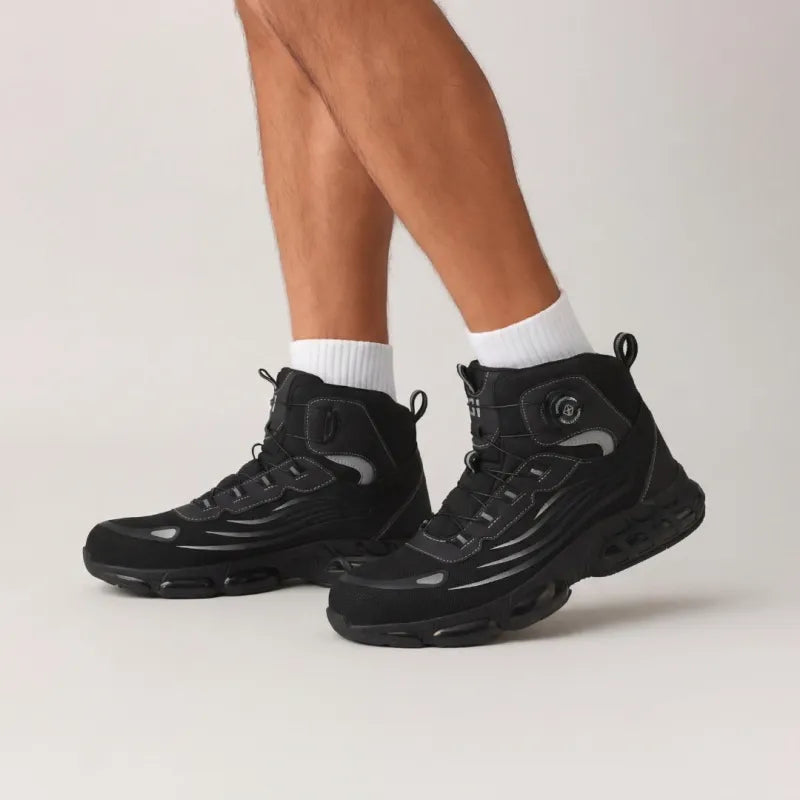
The fastest way to break in work boots fast is to start with a pair engineered for rapid comfort from day one. Stiff, low-quality boots will fight you every step of the way — no method compensates for poor construction. Mason's work boot lineup is built around exactly this principle — protective enough for demanding job sites, comfortable enough to minimize break-in time from the first wear.
Top picks from the Mason best work boots collection:
- ATLAS S3 Pro: full-grain leather upper with technical lining that conforms quickly, ideal for construction and heavy-duty sites
- STRIDE S1 Pro Slip-On: laceless design eliminates instep pressure entirely, one of the fastest boots to break in
- POLAR S3 Pro: insulated lining accelerates leather softening in cold environments
The right boot makes every method above work faster and more effectively.
Your Feet Deserve Better Than a Painful First Week
Breaking in work boots fast comes down to three things: targeted conditioning, progressive wear, and active flexing. Combine all five methods above and most boots conform within 3–5 days — not two weeks. Start at home, use thick socks, condition the leather, move deliberately, and never force the process with heat or water.
Choose boots built for fast comfort from day one — explore the Mason best work boots collection and cut your break-in time in half before you even lace up.
