


According to the U.S. Bureau of Labor Statistics, heat-related illness accounts for thousands of lost workdays every year — and the wrong workwear is a leading contributing factor. Knowing how to choose work pants for hot weather is not a comfort issue. It's a productivity and safety issue. The fabric, fit, and construction of your pants directly affect your body's ability to regulate temperature during physically demanding shifts. Get it wrong and you're dealing with overheating, chafing, and fatigue by mid-morning. Get it right, and you stay focused, protected, and comfortable — whatever the temperature on site.
Start with the Right Fabric — It Makes or Breaks Everything
Fabric is the single most important decision you'll make when selecting hot weather work pants. The wrong material traps heat, saturates with sweat, and breaks down faster under heavy use. Here's how the main options compare:
|
Fabric |
Best for |
Key benefit |
|
Lightweight ripstop |
Construction, outdoor |
Tear-resistant + breathable |
|
Polycotton blend |
General trades |
Comfort + durability |
|
Technical stretch (polyester/nylon) |
Active, mobile roles |
Movement + fast-drying |
|
Cotton-rich |
Low-risk environments |
Natural breathability |
One rule professionals follow: avoid 100% polyester in sustained heat. It dries fast but doesn't breathe — moisture builds up against the skin, accelerating fatigue and increasing chafing risk on long shifts.
For most demanding outdoor roles, a polycotton or ripstop blend under 200g/m² hits the sweet spot: light enough to keep you cool, tough enough to last the season. Technical stretch fabrics add mobility for roles involving constant crouching, climbing, or lifting.
Pants vs. Shorts: Which One Is Right for Your Job?
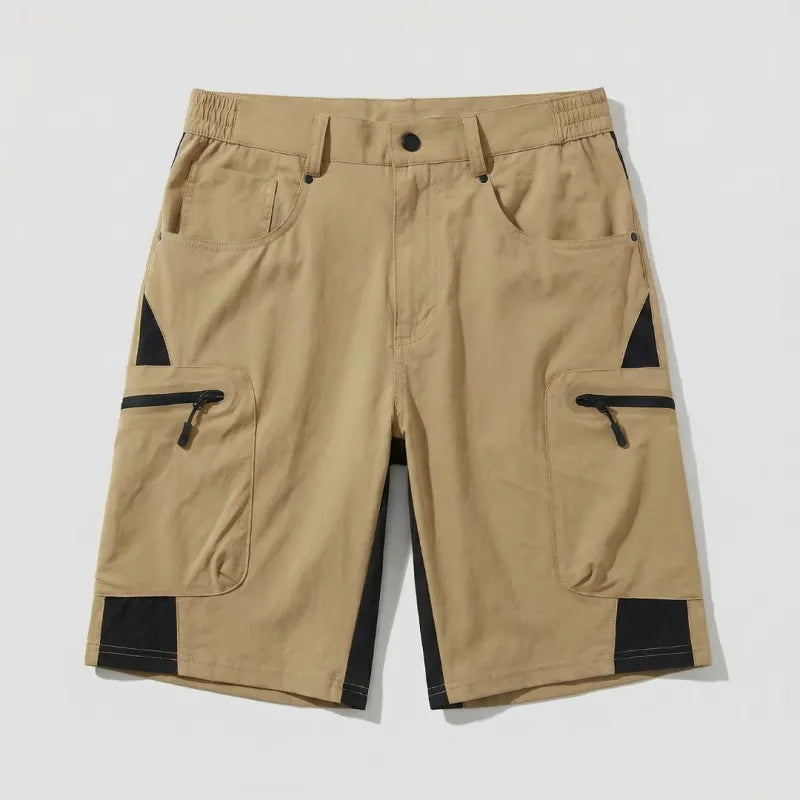
The instinct in hot weather is to go straight for shorts. But on most work sites, that decision needs to be deliberate — not automatic. Ask yourself three questions before choosing:
- What are your site's PPE requirements? Some environments mandate full leg coverage regardless of temperature.
- Are you exposed to direct sun for extended periods? Full-length pants in a lightweight breathable fabric can actually keep you cooler than shorts by shielding skin from radiant heat.
- What's the terrain and risk level? Rough surfaces, debris, and sharp materials all make the case for pants over shorts.
As a general rule:
- Shorts: low-risk environments, extreme heat, short outdoor exposure (FLEX Pro, ATLAS)
- Pants: sun exposure, site compliance, rough terrain (AIR Pro, CORE Pro, AIR Pro Lightweight Summer)
When in doubt, pants with ventilation zones outperform shorts in most professional settings.
Check out this guide too: Best Pull-On Work Boots for Plantar Fasciitis Relief
5 Features That Actually Matter in Hot Weather Work Pants
Once you've settled on a fabric, these are the construction details that separate a genuinely high-performing hot weather pant from one that just looks lightweight on the label.
1. Ventilation zones. Mesh panels at the inner thigh and a gusseted crotch dramatically improve airflow where heat builds fastest. Non-negotiable for roles involving sustained physical output.
2. Stretch construction. 4-way stretch allows full range of motion without the fabric pulling tight — critical in heat, where any restriction increases perceived temperature and muscle fatigue. 2-way stretch is a compromise; acceptable for lower-mobility roles.
3. Moisture management. Moisture-wicking and fast-drying are not the same thing. Wicking moves sweat away from the skin. Fast-drying evaporates it quickly. The best hot weather work pants do both — look for fabrics with a DWR (Durable Water Repellent) finish combined with an open weave structure.
4. Weight. Under 200g/m² is the benchmark for genuine hot weather performance. Above that, you're wearing a warm-weather pant at best.
5. Waistband design. A rigid waistband in sustained heat causes pressure points and restricts breathing. Elasticated or part-elasticated waistbands with a drawcord maintain fit without constriction — especially important during physically demanding shifts.
Matching the Pants to Your Work Environment
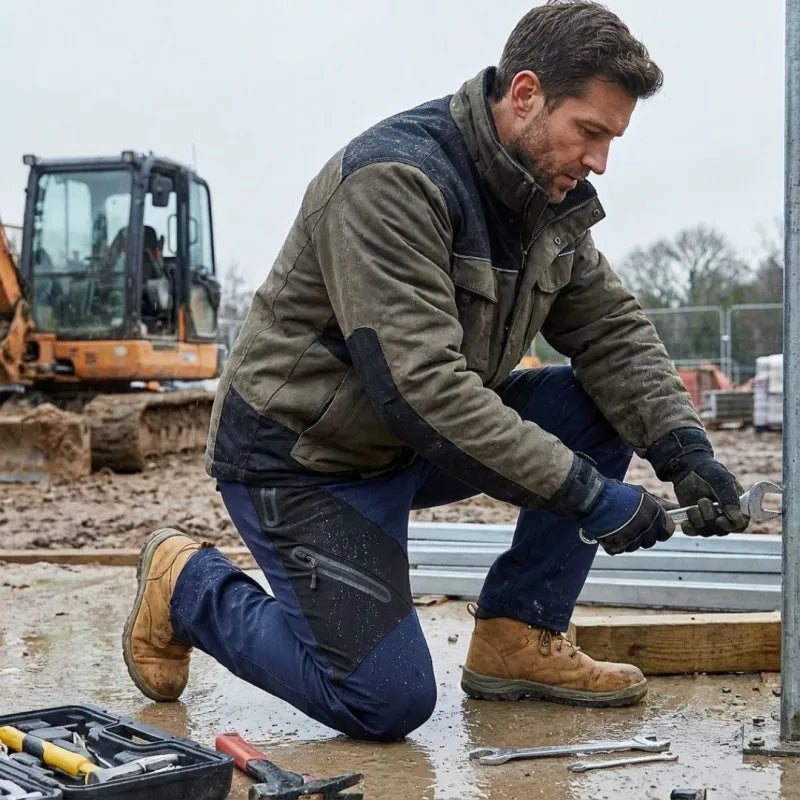
Not all hot weather work pants are built for the same conditions. Choosing the right model comes down to matching the pant's specific performance features to the demands of your environment — not just picking the lightest option available.
- Construction & outdoor sites: High abrasion, debris, and sun exposure demand a pant with reinforced seams and ripstop construction. The AIR Pro Breathable Work Pants and CORE Pro Everyday Work Pants are built for this — durable enough for rough terrain, breathable enough for sustained heat.
- Active trades — roofing, landscaping, ground work: Roles involving constant movement, crouching, and climbing need maximum mobility. The FLEX Pro Lightweight Work Short and ATLAS Work Short deliver unrestricted movement when site rules allow shorts.
- Warehousing & light industrial: Lower physical risk but long hours on your feet. The CORE Pro handles daily wear without overheating — a reliable, cost-effective choice for teams.
- Mixed or unpredictable weather: British summers being what they are, the TITAN Pro Waterproof Work Pants offer protection against sudden downpours without sacrificing breathability on warm days.
- Extreme heat + heavy-duty demands: For the most punishing conditions, the AIR Pro Lightweight Summer Work Pants combine maximum breathability with the durability that serious outdoor work requires.

Safety Compliance in Hot Weather — Don't Compromise
Warmer temperatures don't relax safety standards on site. One of the most common mistakes when buying hot weather work pants is prioritising comfort at the expense of compliance. Lightweight does not mean less protected — but you need to verify it on the label before you buy.
Key standards to check:
- EN 14404: Kneepad protection for roles involving prolonged kneeling. Confirm the pant has compatible kneepad pockets, not just the rating.
- EN ISO 20471: High visibility requirement for road, rail, and low-light environments. Applies year-round regardless of season.
- EN ISO 11612: Flame and heat resistance for high-risk environments. If your role requires it in winter, it requires it in summer too.
What to check before purchasing:
- Certification label sewn into the garment — not just listed on the product page
- Wash durability rating — some lightweight fabrics lose their protective properties after repeated washing
- Compatibility with knee pads if EN 14404 is required on your site
Compliance and comfort are not in conflict. The right pant delivers both.
Check out this guide too: Best Looking Work Boots: Expert-Approved Style, and Safety Guide
Quick Decision Guide: Choose the Right Pants in 60 Seconds
Match your situation to the right solution:
- Extreme heat + low risk: Short (FLEX Pro / ATLAS)
- Extreme heat + rough terrain: AIR Pro Lightweight Summer Work Pants
- Sun exposure + compliance required: AIR Pro Breathable Work Pants
- Variable weather + waterproofing needed: TITAN Pro Waterproof Work Pants
- Daily versatile use: CORE Pro Everyday Work Pants
- Maximum mobility + active trades: FLEX Pro Lightweight Work Short
Your Team's Performance Starts with the Right Gear
Choosing the right work pants for hot weather is ultimately about one thing: keeping your team safe, compliant, and performing at their best when conditions are toughest. Fabric, fit, ventilation, and compliance aren't optional extras — they're the baseline. Whether you need the breathability of the AIR Pro, the versatility of the CORE Pro, or the mobility of the FLEX Pro, there's a solution built for your environment.
Don't wait for a heatwave to find out your current workwear isn't up to the job.
