


Picking the wrong work pants is more costly than most workers think. According to the Bureau of Labor Statistics, musculoskeletal injuries — many linked to restrictive or ill-fitting workwear — account for nearly 30% of all workplace injuries requiring days away from work. The right pair of work pants directly impacts your mobility, protection, and endurance through a full shift. In this guide, we cut through the noise and give you a clear, field-tested framework to pick the best work pants for your specific job — no guesswork, no wasted budget.
The 5 Criteria That Actually Matter
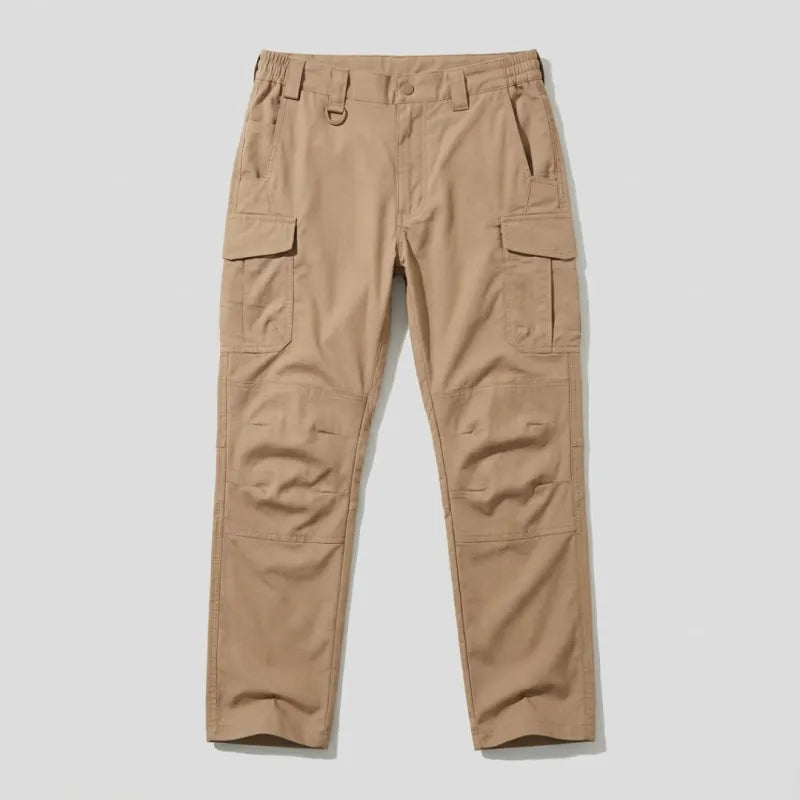
Choosing work pants isn't about brand or price first — it's about matching the garment to the reality of your job. After years of equipping workers across construction, logistics, utilities, and field services, these are the five criteria that consistently determine whether a pair of pants performs or fails.
1. Work environment: Are you exposed to rain, chemicals, sparks, or extreme temperatures? Your environment sets the baseline for what protection level you actually need. Outdoor workers face completely different demands than warehouse or workshop staff.
2. Physical demand: Jobs involving heavy kneeling, squatting, or lifting put enormous stress on fabric and seams. High-demand roles need reinforced panels — particularly at the knees and seat — and a cut that doesn't restrict movement under load.
3. Climate and season: Temperature management is non-negotiable. An insulated pant in summer or a lightweight fabric in winter kills productivity fast. The right work pants match the season as precisely as they match the job.
4. Safety and compliance requirements: Many trades carry legal obligations: hi-vis visibility on road sites, waterproofing for outdoor crews, flame resistance for welders. Check your employer's PPE requirements before selecting any garment.
5. Fit and mobility: A pant that gaps at the waist or locks up at the knee is a liability, not protection. Modern work pants incorporate elastane panels or articulated knees — features that make a measurable difference across a 10-hour shift.
Check out this guide too: Best Water Resistant Work Boots – Expert Picks 2026
Which Work Pants for Which Job?

The fastest way to pick the best work pants is to start from your job profile. Here's a field-tested breakdown by trade and environment.
Construction & heavy site work
Reinforced cargo trousers are the standard for good reason. Look for Cordura-reinforced knee panels, dedicated knee pad pockets, and multiple tool loops. Durability at stress points — knees, seat, inner thighs — is the primary spec to check.
Outdoor & all-weather work
Waterproof work pants are non-negotiable for crews exposed to rain, wind, or standing water. A true waterproof membrane (not just a DWR coating) keeps you dry and mobile. The TITAN Pro is built precisely for this profile — fully waterproof, with articulated knees for unrestricted movement on site.
Hot climates & summer work
Heat is a productivity killer. Lightweight, breathable fabrics with ventilation zones make a direct difference in comfort and focus during peak summer months. The AIR Pro and AIR Pro Lightweight Summer Work Pants are engineered for exactly this — maximum airflow without sacrificing pocket functionality or durability.
Cold weather & winter sites
Thermal lining and wind resistance are your two non-negotiables. The THERMO Pro delivers insulated warmth without the bulk that restricts movement — critical when you're active on site all day in sub-zero conditions.
Everyday trades & mixed environments
For tradespeople who move between indoor and outdoor settings, an everyday work pant built on a cotton/poly/elastane blend hits the right balance. The CORE Pro is designed for full-day wear across varied conditions — durable enough for demanding tasks, comfortable enough for the long haul.
Warm-season site work & active roles
When temperatures climb, work shorts become a legitimate performance choice. The FLEX Pro and ATLAS Work Short offer full tool pocket functionality with the freedom of movement that long pants simply can't match in high heat.

Fabric Guide: What the Label Really Means
Most workers never read the fabric composition label. That's a mistake. The material determines everything — durability, comfort, protection, and how the pant performs after 200 wash cycles.
Cotton: Breathable and skin-friendly, but it absorbs moisture and wears out faster under mechanical stress. Best suited for light indoor work or low-exposure environments.
Cotton/Polyester blend: The workhorse of the industry. Polyester adds dimensional stability and abrasion resistance; cotton keeps the feel comfortable against the skin. This blend covers the majority of trade applications reliably.
Cotton/Polyester/Elastane: The gold standard for physically demanding roles. Elastane — typically 2 to 5% of the composition — delivers the stretch that lets you squat, climb, and kneel without the fabric fighting back. If your job involves constant movement, this blend is non-negotiable.
Cordura-reinforced panels: Cordura isn't a fabric — it's a targeted reinforcement system. Applied to the knees, seat, and hem, it multiplies abrasion resistance in the exact zones that fail first on standard work pants.
Waterproof membrane vs. DWR coating: A DWR (Durable Water Repellent) coating repels light surface moisture. A waterproof membrane stops sustained rain penetration entirely. For outdoor crews, only the membrane delivers genuine protection — check the label carefully before buying.
3 Mistakes to Avoid When Buying Work Pants

Even experienced buyers get these wrong. Avoiding them saves money, discomfort, and in some cases, a workplace injury.
- Measuring waist only: Waist size tells you almost nothing about actual fit. The rise, seat, and leg cut determine whether you can move freely on the job. Always check the full sizing chart — and if possible, try the pants under real working conditions before committing to a bulk order.
- Buying one pair for all seasons: A single pant solution is a comfort compromise year-round. Workers who pick the best work pants for each season consistently report higher energy levels and fewer fatigue-related errors at the end of a shift. Seasonal rotation is an investment, not an expense.
- Underestimating safety features: Skipping knee pad pockets, hi-vis panels, or waterproofing because it "seems unnecessary" is a false economy. A single knee injury or a day lost to hypothermia costs exponentially more than a proper pair of protective work pants.
Check out this guide too: Work Boots for Back Pain: Expert Guide to Reducing Discomfort at Work
Quick Decision Guide: Pick Your Pants in 60 Seconds
Answer three questions. Match your profile. Get the right pant.
What's your climate?
- Cold / winter conditions: THERMO Pro (insulated, wind-resistant)
- Hot / summer conditions: AIR Pro or AIR Pro Lightweight (breathable, ventilated)
- Wet / all-weather: TITAN Pro (waterproof membrane)
- Moderate / mixed: CORE Pro (everyday versatility)
How physical is your work?
- Heavy kneeling, lifting, site work: prioritize Cordura reinforcement + knee pad pockets
- Active but moderate: cotton/poly/elastane blend covers you
- Light / indoor: standard cotton blend is sufficient
Any compliance requirements?
- Hi-vis mandatory: check your local PPE regulation before selecting any pant
- Flame resistance required: verify EN ISO 11612 certification on the label
- No specific requirement: focus on comfort, durability, and seasonal fit
When you pick the best work pants, these three questions eliminate 90% of bad purchasing decisions before you even look at price.
The Right Work Pants Pay for Themselves
The best work pants aren't the most expensive ones — they're the ones that match your job, your climate, and your physical demands precisely. Workers who pick the best work pants for their specific profile consistently outperform those wearing generic solutions: better mobility, fewer injuries, and longer garment lifespan. Every criterion covered in this guide — environment, demand, fabric, fit, and compliance — is a variable your current pants either handle or don't. If they don't, the cost shows up in discomfort, fatigue, and replacement cycles. Invest once in the right pair, and the return is measurable from the first shift.
