


Knowing how to wash work pants properly is essential if you want them to last in tough working conditions. According to textile care studies, improper washing can reduce a garment’s lifespan by up to 40%, especially for heavy-duty fabrics exposed to grease, dust, and repeated stress. Yet, most people still use the same washing method as for regular clothes — a costly mistake.
Work pants are designed to handle demanding environments, but without the right cleaning routine, they quickly lose durability, flexibility, and protective features. The good news is that with a few expert techniques, you can remove stubborn dirt, eliminate odors, and preserve fabric strength without damaging your gear.
In this guide, you’ll discover the most effective method used by professionals to clean work pants safely and extend their lifespan.
The Quick Answer: Best Way to Wash Work Pants

If you’re wondering how to wash work pants quickly and effectively, follow these expert steps:
- Remove dirt, dust, and empty all pockets
- Pre-treat stains like oil or grease before washing
- Turn pants inside out to protect the fabric
- Wash at 30–40°C (86–104°F) using a mild detergent
- Avoid fabric softener to preserve durability
- Use a normal or gentle cycle depending on fabric type
- Air dry whenever possible to prevent shrinkage and damage
Pro tip: Always wash work pants separately from regular clothes to avoid spreading heavy dirt and grease.
Check out this guide too: Best work boots for construction workers: Safe, Durable & Trusted
Step-by-Step Guide to Washing Work Pants
Learn step by step how to properly wash work pants:
1. Pre-treat Heavy Stains: Essential Step
Before putting your pants in the washing machine, proper stain treatment is critical. This is where most people fail when learning how to wash work pants, especially after exposure to grease, oil, or mud. Apply a targeted solution directly to the stained areas:
- Use a degreaser for oil and mechanical stains
- Apply liquid detergent or Marseille soap for general dirt
- Let it sit for 10–15 minutes before washing
This step helps break down stubborn residues embedded deep into the fibers — something a regular wash cycle alone cannot achieve.
Expert insight: Skipping pre-treatment is the #1 reason stains become permanent on workwear.
2. Choose the Right Washing Settings
Temperature and cycle selection play a major role in preserving your work pants. The wrong settings can weaken fibers, fade colors, and reduce durability.
- Use 30–40°C (86–104°F) for most work pants
- Choose a normal cycle for durable fabrics
- Opt for a gentle cycle for stretch or lightweight materials
Avoid high temperatures unless absolutely necessary, as they can damage reinforced stitching and technical fabrics.
3. Use the Right Detergent
Not all detergents are suitable for workwear. Choosing the right one makes a big difference in both cleaning efficiency and fabric longevity.
- Prefer liquid detergents (better for grease removal)
- Avoid harsh chemicals that can weaken fibers
- Skip fabric softeners — they reduce breathability and performance
Pro tip: A high-quality detergent is key when mastering how to wash work pants effectively.
4. Wash Work Pants Separately
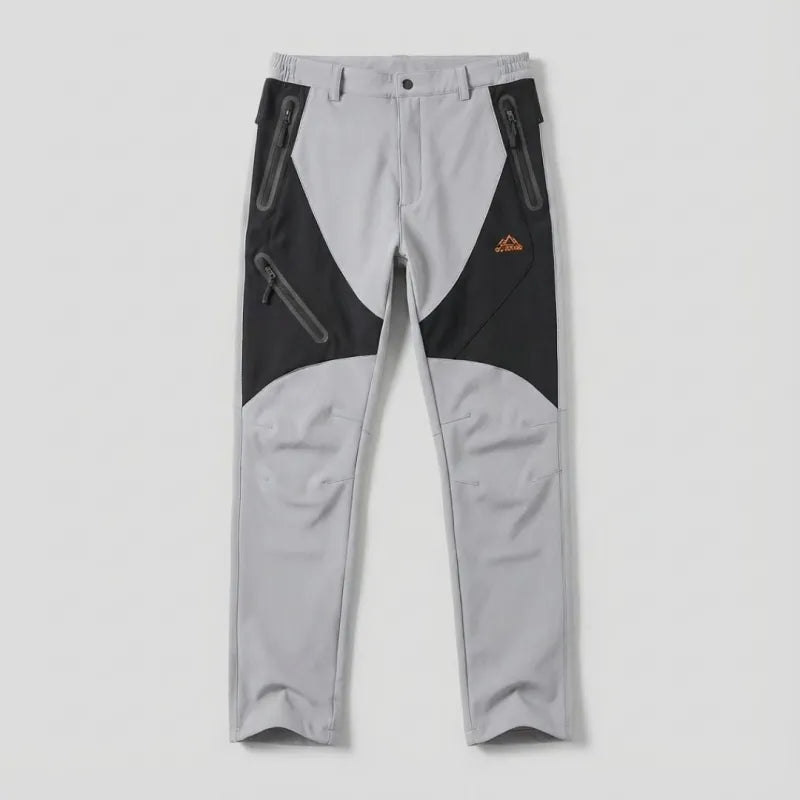
Work pants often carry heavy dirt, bacteria, and industrial residues. Washing them with everyday clothes can lead to contamination and poor cleaning results.
- Always separate workwear from regular laundry
- Avoid overloading the machine
- Wash similar fabrics together
This ensures a deeper clean and protects your other garments.
5. Drying the Right Way
Drying is just as important as washing. Improper drying can shrink or damage your work pants.
- Air drying is the safest option
- Avoid high heat in dryers
- Hang pants inside out for faster drying
Heat is one of the main causes of fabric wear over time, especially for technical workwear.
How to Remove Tough Stains from Work Pants
Even when you know how to wash work pants, some stains require extra attention. Work environments expose fabrics to stubborn substances that standard washing alone cannot remove. Here’s how professionals deal with the most common ones:
Oil & Grease Stains
These are the toughest and most common stains on work pants, especially in construction or mechanical jobs.
- Apply a degreaser or liquid dish soap directly on the stain
- Gently scrub with a soft brush
- Let it sit for 10–20 minutes before washing
Expert tip: Avoid hot water at this stage — it can set the grease deeper into the fabric.
Paint & Cement Stains
These stains harden quickly and can permanently damage fabric if not treated fast.
- Let the stain dry, then scrape off excess material
- Apply white vinegar or a specialized cleaner
- Wash normally after pre-treatment
For cement, act quickly — once fully hardened, it becomes very difficult to remove.
Bad Odors (Sweat & Industrial Smell)
Work pants often retain strong odors even after washing.
- Add 1 cup of white vinegar to the wash cycle
- Use baking soda for deep odor neutralization
- Air dry thoroughly to prevent moisture buildup
Odor buildup is often caused by bacteria trapped in thick fabrics, not just dirt.
Check out this guide too: Work Boot Insoles for Plantar Fasciitis Relief & All-Day Support
Common Mistakes That Ruin Work Pants

Even if you think you know how to wash work pants, a few common mistakes can drastically reduce their lifespan. Avoiding these errors is what separates basic cleaning from expert-level care.
Washing at High Temperatures
Hot water may seem effective, but it can actually damage fibers, fade colors, and weaken reinforced areas.
Stick to 30–40°C for optimal results.
Using Too Much Detergent
More detergent doesn’t mean cleaner pants. In fact, excess detergent:
- Leaves residue on fabric
- Traps dirt instead of removing it
- Reduces breathability
Using Fabric Softener
This is one of the biggest mistakes. Fabric softeners:
- Coat fibers and reduce durability
- Affect moisture-wicking performance
- Can damage technical fabrics
Skipping Pre-treatment
Ignoring stains before washing often leads to permanent marks. If you're serious about mastering how to wash work pants, pre-treatment is non-negotiable.
Overloading the Washing Machine
Putting too many clothes in one cycle:
- Prevents proper cleaning
- Increases friction and wear
- Leaves dirt trapped in fabrics
Does Fabric Type Change How You Wash Work Pants?
Yes — fabric type plays a major role in determining how to wash work pants correctly. Using the wrong method can lead to shrinkage, reduced durability, or loss of flexibility, especially with modern technical fabrics.
Cotton Work Pants
Cotton work pants are durable but can shrink if exposed to high temperatures. It’s best to wash them at moderate temperatures and avoid excessive heat during drying. Over time, repeated hot washes can weaken the fibers and reduce their lifespan.
Polyester & Blended Fabrics
Polyester and blended fabrics are easier to maintain and more resistant to wear. They handle frequent washing well, but using mild detergent is essential to preserve their structure. Avoiding harsh products helps maintain their breathability and overall performance.
Stretch & Technical Fabrics
Stretch and technical fabrics require more delicate care to maintain their flexibility. Washing them with gentle settings and avoiding heat is crucial to prevent damage to elastic fibers. Proper care ensures long-term comfort and performance on the job.
Best Work Pants for Easy Maintenance: Expert Picks
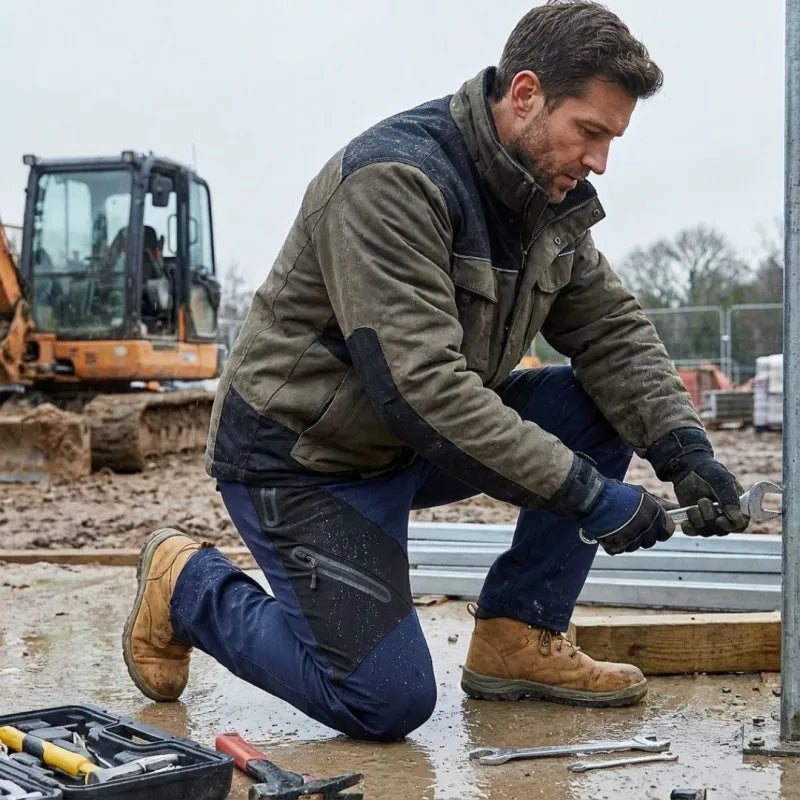
Choosing the right workwear also makes a big difference in how to wash work pants efficiently. Some models are specifically designed to resist stains, dry faster, and maintain their shape even after repeated washing. Here are expert picks built for durability and easy care.
THERMO Pro | Insulated Work Pants
Designed for cold environments, the THERMO Pro combines insulation with durable outer fabric that resists moisture and dirt. It’s easy to clean despite heavy use, making it ideal for demanding outdoor jobs.
- Excellent heat retention in cold conditions
- مقاistant to dirt and moisture
- Maintains structure after repeated washing
FLEX Pro | Lightweight Work Short
The FLEX Pro is built for flexibility and comfort, especially in warm conditions. Its lightweight fabric dries quickly and requires minimal maintenance after washing.
- High flexibility for movement
- Fast-drying fabric
- Easy to wash and maintain
AIR Pro | Breathable Work Pants
These pants are optimized for airflow, making them perfect for long working hours in hot environments. Their breathable fabric reduces odor buildup and simplifies cleaning.
- Enhanced breathability
- Reduces sweat and odors
- Lightweight and quick to dry
TITAN Pro | Waterproof Work Pants
The TITAN Pro offers strong protection against water and harsh conditions. Its waterproof layer prevents deep stains, making cleaning faster and more efficient.
- Waterproof and مقاistant fabric
- Ideal for harsh environments
- Limits stain absorption
CORE Pro | Everyday Work Pants
The CORE Pro is designed for daily use, balancing durability and comfort. It handles frequent washing without losing its shape or strength.
- Durable for everyday wear
- Comfortable fit
- Retains quality after multiple washes

Pro Tips to Make Work Pants Last Longer
Understanding how to wash work pants is only part of the equation. Extending their lifespan depends just as much on your daily care habits and washing discipline. Professionals who work in demanding environments rely on a few simple but highly effective practices.
Wash Less Frequently When Possible
Work pants don’t always need to be washed after every use. If they are not heavily soiled, airing them out can be enough. Overwashing accelerates fabric wear and weakens protective fibers over time.
Treat Stains Immediately
Fresh stains are significantly easier to remove than dried ones. Addressing dirt, oil, or grease as soon as possible prevents them from penetrating deep into the fabric. This small habit makes a big difference in long-term maintenance.
Turn Pants Inside Out Before Washing
Turning work pants inside out reduces friction on the outer surface. This helps preserve color, texture, and reinforced stitching, especially in high-wear zones like knees and pockets.
Avoid High Heat at All Stages
High temperatures are one of the main causes of damage in workwear. Whether during washing or drying, heat can shrink fabrics, weaken fibers, and reduce elasticity. Gentle cycles and air drying remain the safest options.
Proper Care Is the Key to Long-Lasting Work Pants
Knowing how to wash work pants correctly is essential, but consistent care habits are what truly extend their lifespan. By combining proper washing techniques with smart daily maintenance, you preserve both durability and comfort over time. Work pants are designed to withstand tough environments, but they still need the right treatment to maintain their performance and protective qualities.
