


You spent real money on bamboo merino work socks. The last thing you want is to pull them out of the laundry and find a shrunken, pilled, matted mess that belongs in the trash. That happens when you treat them like cheap cotton tube socks, and it doesn't have to.
This guide covers exactly how to wash work socks properly, whether they're bamboo, merino, or a blend of both. No guesswork, no vague advice. Just what works, shift after shift.
Key points at a glance
- Machine washing is fine for bamboo and merino socks, but cold water and a gentle cycle are non-negotiable.
- The dryer is where most people wreck good socks. Air dry whenever possible.
- Merino and bamboo naturally resist odor, so daily washing isn't always required.
- Disinfect with a white vinegar rinse or a wool-safe antimicrobial spray, not bleach.
- Washing inside-out protects the fiber structure and keeps pilling to a minimum.
- Owning 5 to 7 pairs gives your socks time to recover between wears.
What Proper Washing Protects
Why Bamboo Merino Socks Need Different Care Than Cotton
Cotton is basically indestructible in the wash. Crank up the heat, throw it in the dryer on high, no problem. Bamboo and merino wool are different animals.
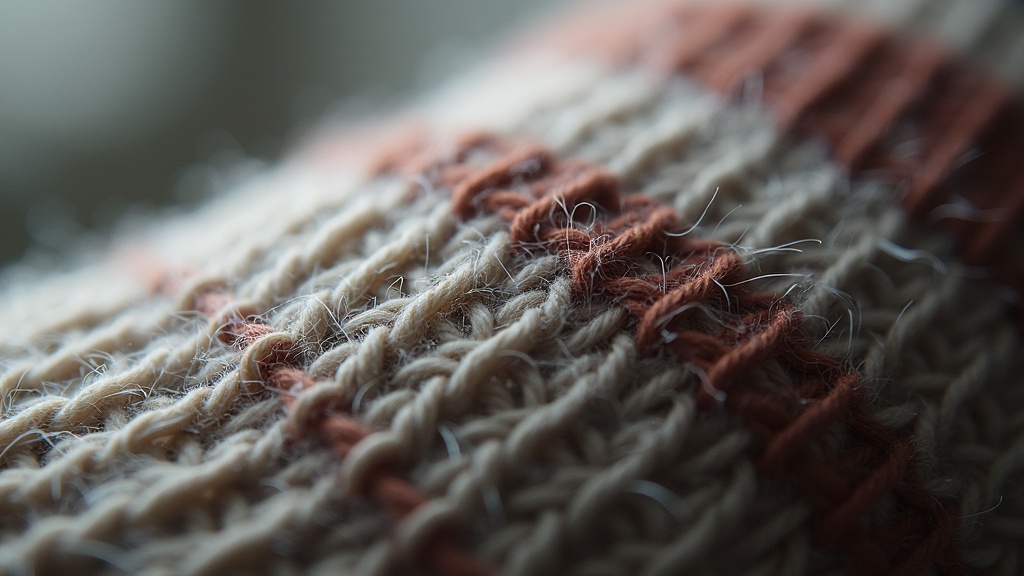
Merino wool fibers have microscopic scales along their length. Heat and agitation cause those scales to interlock and mat together, a process called felting. Once it happens, there's no going back. Bamboo viscose is softer and more delicate than cotton, prone to breaking down under the same rough treatment.
The good news: these fibers were built to perform on your feet. They just need a little respect in the laundry.
Can You Machine Wash Bamboo and Merino Work Socks? (Short Answer: Yes, With Conditions)
Yes, bamboo socks can be machine washed and so can merino. But the conditions matter more than the method.
- Use cold water only (60°F / 15°C or below)
- Select the delicate or wool cycle on your machine
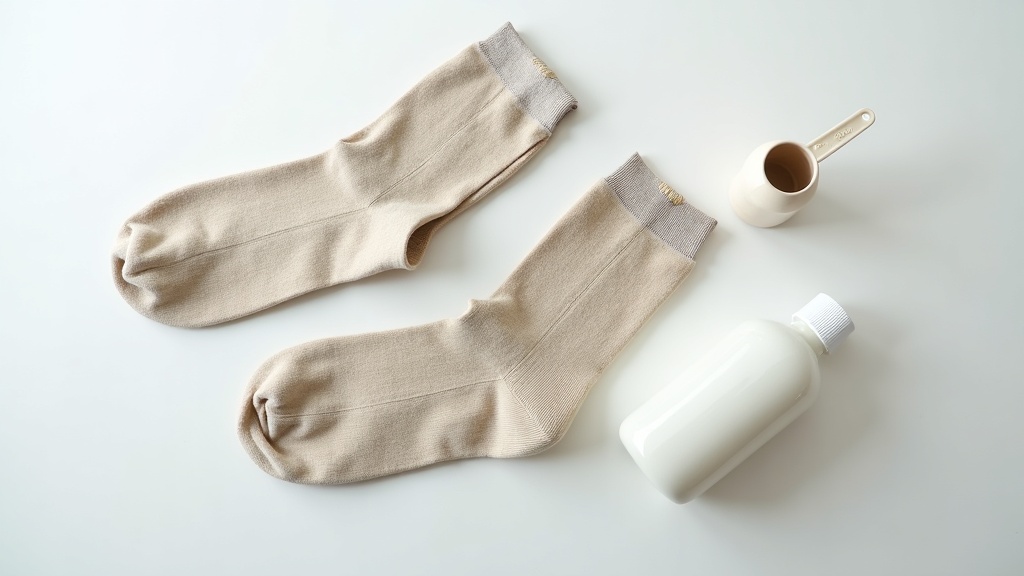
- Use a wool-safe or mild detergent, no enzymes, no fabric softener
- Wash socks inside-out to protect the outer surface
- Use a mesh laundry bag to prevent snagging and stretching
Fabric softener sounds harmless. It's not. It coats the fibers and kills the moisture-wicking properties you paid for. Skip it every time.
Did you know?
Merino wool fibers are typically under 18.5 microns in diameter, finer than a strand of silk. Standard washing agitation at high temperatures can cause those fibers to permanently felt in under 10 minutes.
Step-by-Step: How to Machine Wash Your Work Socks Right
Learning how to wash merino wool socks in a washing machine takes about two minutes. Here's the exact process.
Before you load the machine
- Turn socks inside-out
- Place them in a mesh laundry bag
- Keep them away from heavy items like jeans with metal rivets or work jackets
Machine settings
- Cycle: Delicate, wool, or hand-wash setting
- Water temperature: Cold (30°C / 86°F max for bamboo blends, cold only for pure merino)
- Spin speed: Low, under 600 RPM if your machine allows it
- Detergent: Wool-safe formula, about half the standard dose
After the cycle
Remove immediately. Don't let them sit wet in the drum. Gently reshape by hand and lay flat or hang to dry away from direct sunlight and heat sources.
Hand Washing When You Need a Quick Turnaround
Maybe you're on a rotation with fewer pairs, or you need a specific pair ready for tomorrow's shift. Hand washing is the best way to wash work socks when you need control.
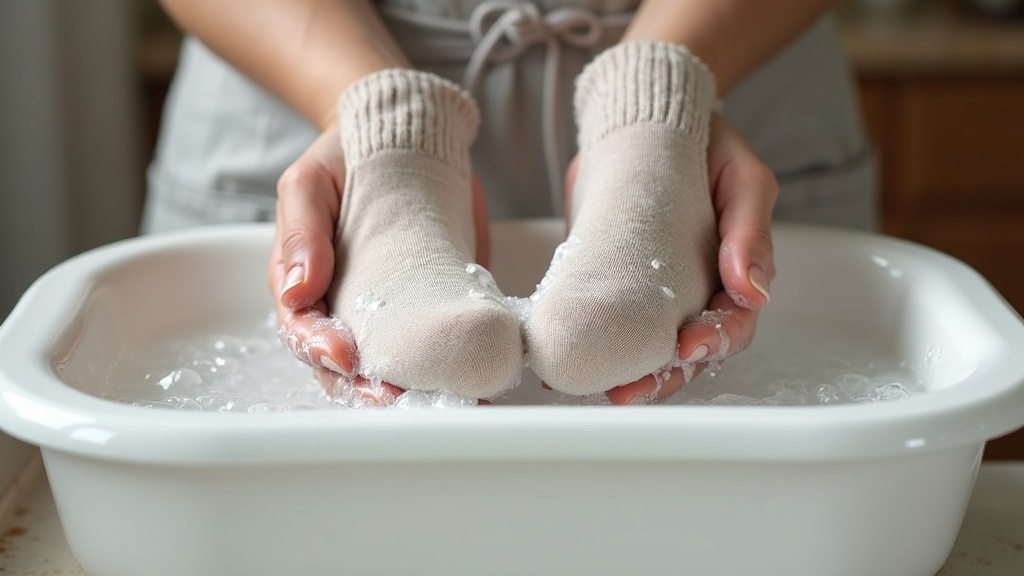
- Fill a basin with cool water and a small amount of wool-safe soap
- Submerge the socks and gently squeeze the water through, no wringing, no scrubbing
- Rinse with clean cool water until soap is gone
- Press (don't twist) excess water out against the side of the basin, then roll in a clean towel and press again
- Lay flat to dry or hang over a rod
Total active time: about four minutes. They'll be ready to wear in three to four hours in a warm room.
The Dryer Question: What You Can and Cannot Do
Can you put bamboo work socks in the dryer? Technically yes, once, maybe twice, before they start degrading. The practical answer is no.
Heat is the enemy of both bamboo viscose and merino wool. Even a low heat setting on most residential dryers runs hot enough to shrink merino or break down bamboo fibers over time.
| Drying Method | Safe for Bamboo? | Safe for Merino? | Notes |
|---|---|---|---|
| Lay flat, room temp | Yes | Yes | Best option for both |
| Hang dry, cool air | Yes | Yes (avoid clothespins on cuff) | May slightly stretch merino cuffs |
| Dryer, no heat / air-only | Acceptable | Acceptable | Use sparingly, check your machine actually runs cool |
| Dryer, low heat | Risky | No | Felting and shrinkage start here |
| Dryer, medium/high heat | No | No | Will damage both fabrics quickly |
| Direct sunlight | Avoid | Avoid | UV degrades fibers and fades color |
If you're running three pairs and can't wait overnight, a small fan pointed at your socks laid flat will cut dry time to under two hours.
How Often Should You Wash Work Socks (And How Many Pairs Do You Actually Need)
Here's where bamboo and merino have a real edge over cotton. Both fibers naturally resist bacterial growth, which means odor doesn't build up as fast. You don't need to wash after every single wear if the shift wasn't particularly sweaty or dirty.
For a standard 8-hour shift with moderate physical activity: wash after every wear. For lighter desk or supervisory work: every second wear is reasonable if you aired them out properly.
On how many pairs to own: five to seven pairs is the sweet spot. That gives you a full work week, lets each pair fully dry between wears, and spreads the wear cycles so no single pair takes all the punishment.
Did you know?
Merino wool contains lanolin and has a natural antibacterial structure that inhibits the growth of odor-causing bacteria. Studies by CSIRO Australia found that merino garments worn for multiple days generated significantly less odor than equivalent synthetic garments worn once.
How to Disinfect Without Wrecking the Fibers
After a particularly rough shift, a jobsite with standing water, or any situation where your boots got soaked, you want more than a regular wash. Here's how to disinfect wool socks without bleach.
White vinegar rinse
Add half a cup of white distilled vinegar to your rinse cycle or soak basin. It kills bacteria and breaks down odor compounds. It does not damage merino or bamboo fibers at this concentration, and the smell rinses out completely.
Wool-safe antimicrobial spray
Products like Mirazyme or Nikwax Wool Wash have a light antimicrobial action. Spray on, leave five minutes, then wash as normal.
What to absolutely avoid
- Bleach: destroys both wool protein and bamboo cellulose on contact
- OxiClean or enzyme-based cleaners: enzymes digest protein fibers, meaning they digest merino wool
- Hot water soak: even 15 minutes in hot water will start to felt merino
Common Mistakes That Trash Good Socks Fast
Most guys don't ruin their work socks through neglect. They ruin them through a handful of specific habits.
- Washing on hot: the single most common cause of shrunken, matted socks
- Leaving them in the washer: sitting wet accelerates fiber breakdown and mildew
- Tumble drying on heat: once felted, the padding is gone permanently
- Using regular detergent with enzymes: check the label, most mainstream detergents contain them
- Storing damp: bamboo and merino resist odor but they're not immune to mold when stored wet
- Bunching in a ball: it stresses the elastic fibers in the cuff and speeds up sagging
The Bottom Line on Keeping Your Work Socks Going Shift After Shift
Good bamboo merino work socks cost more than a three-pack of cotton. That's the trade you make for socks that actually protect your feet over a long shift, manage moisture, and don't stink by noon. Washing them right is the only thing standing between that investment and the trash can.
Cold water. Gentle cycle. Wool-safe detergent. Air dry. That's the whole system. It takes no extra time once it's habit, and it keeps your socks performing the way they were built to perform.
