


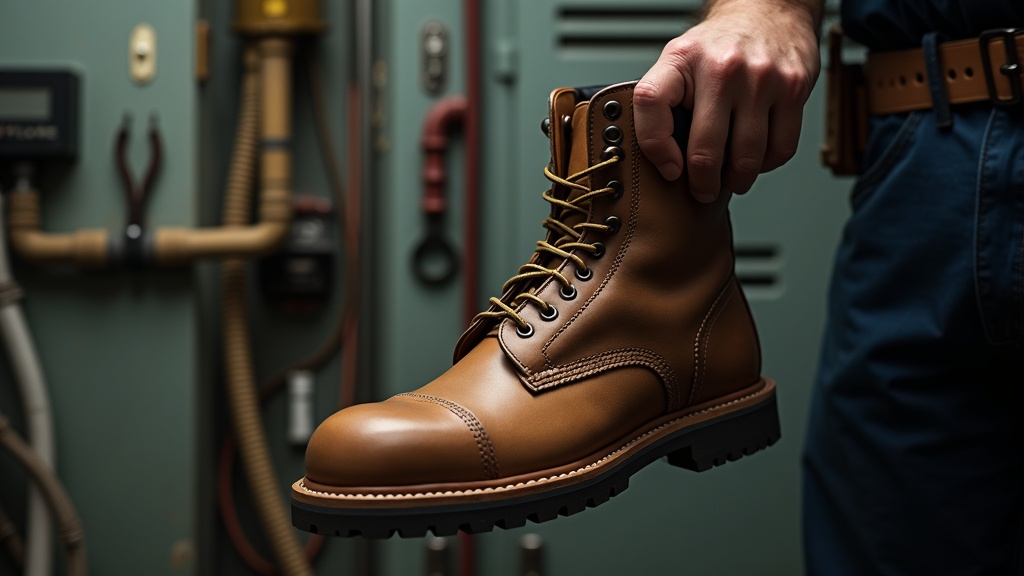
Your boots already feel like a vice grip by noon. Stuffing a thick insole in there doesn't fix your feet, it just makes things worse. Most electricians pick the wrong insole because they pick for cushion instead of profile.
This breaks down what actually fits in a tight boot, what supports your arch after ten hours on concrete, and which options real electricians keep going back to.
Key points at a glance
- Thick insoles in tight boots cause more pressure, not less. Profile matters first.
- Low-profile insoles under 4mm thick are the right starting point for snug steel-toe boots.
- Standard insoles are not a shock hazard. Dedicated non-conductive insoles matter only in specific HV situations.
- Plantar fasciitis doesn't require a bulky orthotic. A thin, rigid-arch insole does the job without crowding.
- Superfeet Carbon and Sof Sole AIRR are the two names that keep coming up among electricians who've tried a dozen options.
- Always remove the factory insole before adding an aftermarket one.
What a good insole does for you on the job
Why Tight Boots Make Insole Choice So Critical (and Most Guys Get It Wrong)
A boot that fits right is already using most of its internal volume. Drop a 6mm gel insole in there and your toes get compressed against the cap. That's not comfort, that's a recipe for blisters, numbness, and black toenails by the end of the week.
The mistake is treating insoles like a cure-all cushion instead of a precision tool. In a roomy boot, you have margin for error. In a tight boot, every millimeter counts.
What to Look for in an Insole When Space Is Already Tight
Focus on these four things, in this order:
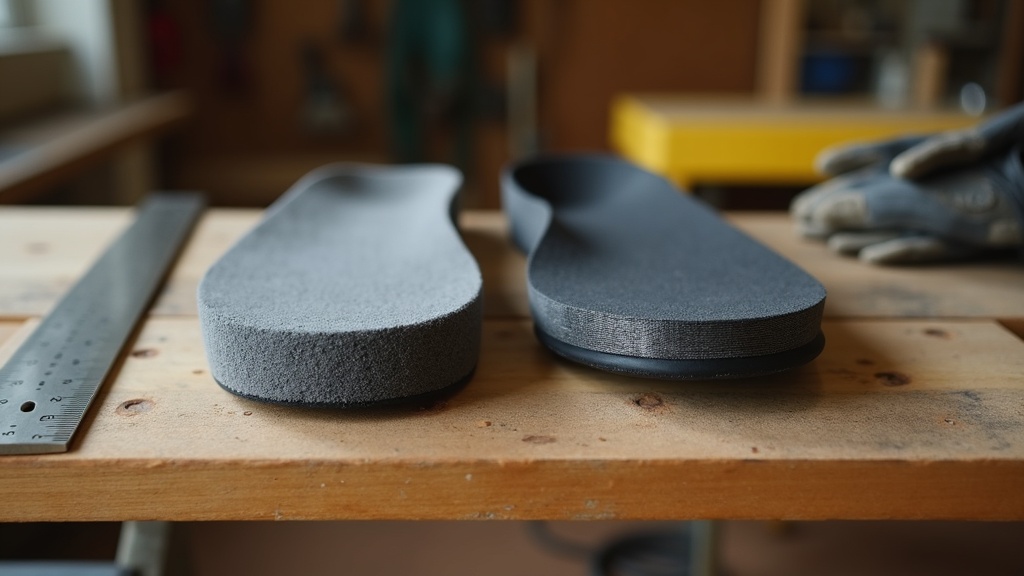
- Thickness under 4mm. If it looks plush in the package, it won't work in a tight boot. Period.
- A rigid or semi-rigid arch. Foam compresses and disappears. A hard arch shell keeps working all day.
- Heel cup depth. A shallow heel cup stabilizes without adding significant height.
- Moisture management on the top cover. You're on your feet in a boot all day. Wet insoles break down faster and smell worse.
Skip anything marketed as "maximum cushion." Those are made for running shoes with room to spare.
Do Electricians Need Non-Conductive Insoles? Here's the Straight Answer
Probably not, and here's why. Your boots already have an EH rating built into the outsole. That outsole provides the primary electrical hazard protection, not the insole. A standard insole sitting on top of an EH-rated sole doesn't compromise your protection in normal field conditions.
Did you know?
ASTM F2413 EH-rated work boots are tested to withstand 18,000 volts at 60 Hz for one minute with no current leakage exceeding 1 milliamp. That rating is in the outsole and welt construction, not the insole material.
Where non-conductive insoles actually matter: high-voltage live work environments where your employer specifically requires them as part of PPE protocol. If that's your situation, choose a non-conductive insole that also meets your profile requirements. Otherwise, pick the best support and save the money.
The 5 Best Insoles for Electricians in Tight Boots, Ranked
1. Superfeet Carbon
The thinnest Superfeet makes, with a carbon fiber stabilizer cap. About 3.8mm at the heel, firm arch, zero bulk. This is the one most often cited when the question comes up on Reddit threads about steel-toe work boots.
2. Sof Sole AIRR Orthotic
A half-millimeter thicker than the Carbon but adds a forefoot air chamber that genuinely helps on concrete slabs. Good pick if you're mostly standing, less so if you're climbing all day.
3. Powerstep Pinnacle Maxx
Semi-rigid arch, medical-grade shell, and a low enough profile to fit most snug boots after you pull the factory liner. Solid choice if you're dealing with plantar fasciitis.
4. Timberland Pro Anti-Fatigue Technology Replacement Insole
Made specifically for work boots, so the geometry actually matches. Fits Timberland Pro boots perfectly and works well in other brands with similar lasts.
5. Dr. Scholl's Work Massaging Gel Advanced
The budget option that holds up better than you'd expect. Not as thin as the Superfeet Carbon, but for a standard-width work boot that's just a little snug, it clears the bar.
| Insole | Thickness | Arch Type | Best For |
|---|---|---|---|
| Superfeet Carbon | ~3.8mm | Rigid carbon fiber | Tightest boots, climbing |
| Sof Sole AIRR | ~4.5mm | Semi-rigid | Standing on concrete all day |
| Powerstep Pinnacle Maxx | ~5mm | Medical semi-rigid | Plantar fasciitis |
| Timberland Pro AF | ~5mm | EVA anti-fatigue | Timberland boot owners |
| Dr. Scholl's Work Gel | ~5.5mm | Soft gel | Budget pick, standard-width boot |
Plantar Fasciitis and Tight Boots: How to Get Support Without Crowding Your Toes
Plantar fasciitis wants a firm arch support that keeps the fascia from overstretching under load. It does not need a thick, cushy insole. That's a common misread that makes the fit problem worse without solving the pain.
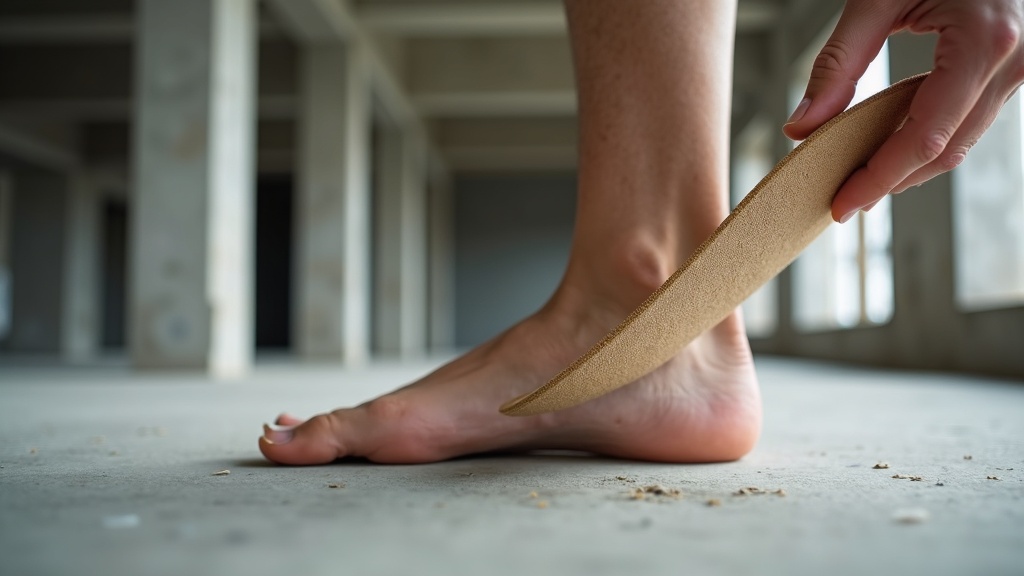
The Powerstep Pinnacle Maxx is the best fit here. If it's still too thick after removing the factory liner, go with the Superfeet Carbon and add a single metatarsal pad at the forefoot for extra relief. That combination is thinner than most OEM insoles.
Should You Even Bother Wearing Insoles in Work Boots?
Yes, but not for the reason most guys think. Factory insoles in work boots are foam fillers. They're there so the boot doesn't feel hollow out of the box. They compress to almost nothing in the first two weeks.
Aftermarket insoles give you actual structure. Over a ten-hour day, that structure is the difference between walking to the truck normally or limping. Your knees and lower back feel it too.
Did you know?
A 2019 study published in Applied Ergonomics found that workers in manufacturing and construction who used custom or semi-custom foot orthotics reported a 34% reduction in lower back pain compared to those using stock insoles after 12 weeks on the job.
How to Make Any Insole Fit a Tight Boot (One Simple Trick Most Skip)
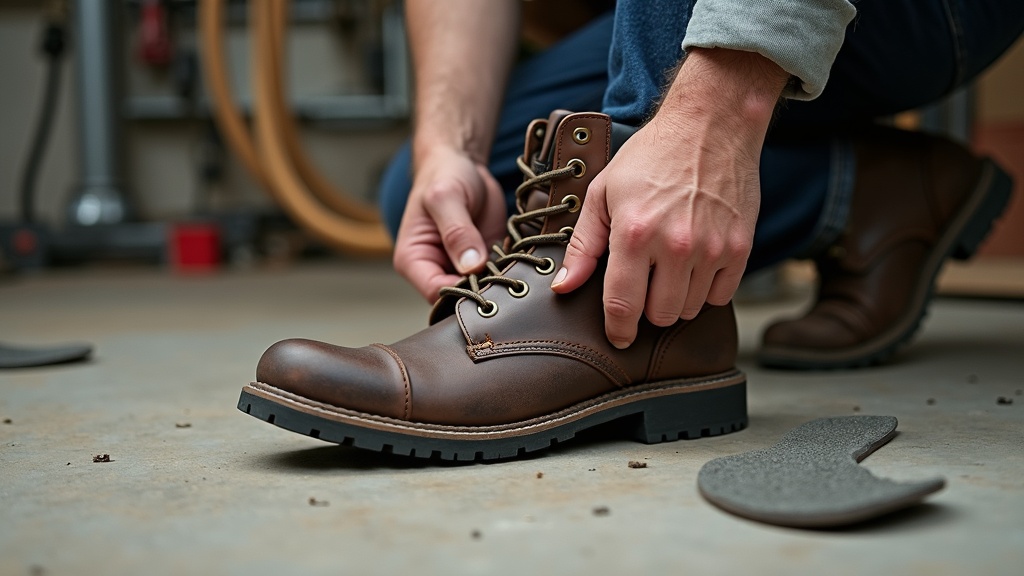
Pull the factory insole out first. That's it. That's the trick. Most guys layer the new insole on top of the factory one and then wonder why their boots feel like a tourniquet.
Once you remove the stock liner, you gain 4 to 6mm of usable depth. That's exactly what a quality low-profile insole needs to sit properly and function the way it was designed to.
- Trace the old insole on the new one and trim to match if needed.
- Use scissors, not a box cutter. Cleaner cut, less chance of a jagged edge that digs in.
- Test with your work sock on before committing to a full day.
What Electricians on Reddit Actually Use and Swear By
Threads on r/electricians and r/WorkBoots come up with the same names repeatedly. Superfeet Carbon is by far the most recommended for tight boots. Users specifically call out its rigidity and the fact that it doesn't bottom out after a month.
Sof Sole AIRR comes up second, usually from guys who spend most of their day on slabs and finished floors rather than climbing. A few threads mention Sole Signature Thin as a sleeper pick for narrow boots.
The consensus on plantar fasciitis: Powerstep, full stop. Several users also mentioned that their podiatrist confirmed Powerstep as a reasonable OTC alternative to custom orthotics for mild to moderate PF.
Spend Smart, Save Your Feet
A $45 insole lasts six to twelve months in daily work boot use. That's less than $4 a month to not limp at the end of a shift. It's one of the cheapest per-day upgrades on a job site.
Start with the Superfeet Carbon if your boots are genuinely tight. If you have PF, go Powerstep Pinnacle Maxx. If you're budget-conscious and your boot has a little room, the Dr. Scholl's Work Gel will get the job done. Remove the factory liner first, trim to fit, and give it a full week before you make a call.
