


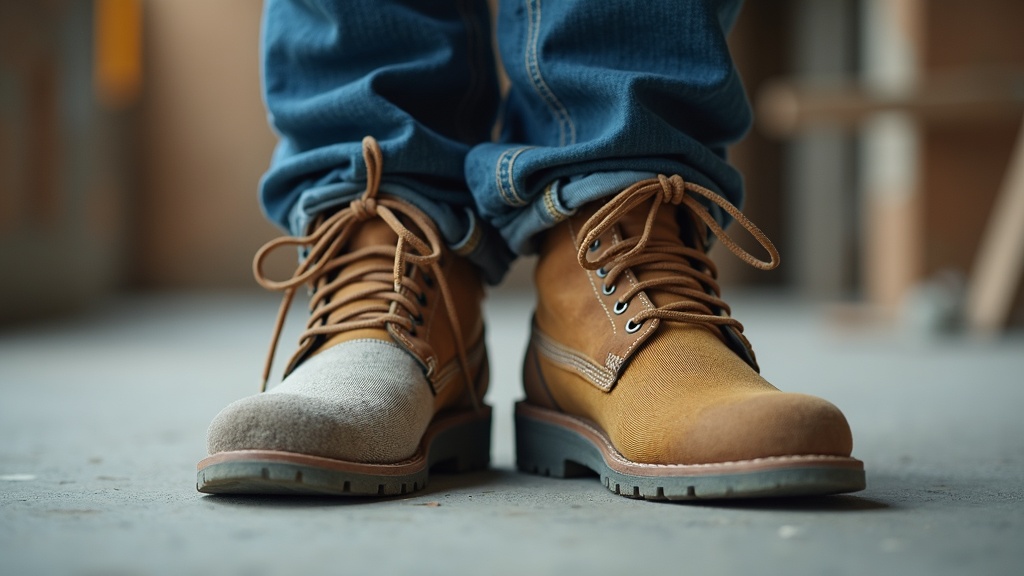
You've blown through a three-pack of thick socks in two months, and your buddy swears by thin ones. Both of you work the same job. One of you is wasting money, and it might not be who you think.
Sock thickness is the wrong question most guys start with. The right question is: what does your specific job demand from a sock, and which construction can actually survive it? Let's get into it.
Key points at a glance
- Thickness alone doesn't predict durability: material and construction do.
- Thick socks win for cushioning and cold weather, but trap heat and wear faster in tight boots.
- Thin socks outlast thick ones in warm, fast-paced trades when made from the right synthetics or merino wool.
- Cotton is the enemy of longevity in any thickness: it holds moisture and breaks down fast.
- Boot fit changes everything: a sock that's too thick turns a well-fitted boot into a blister machine.
- Wool work socks consistently outperform cotton in both durability and comfort across all-day wear.
What actually makes a work sock worth buying
The Short Answer: It Depends on the Job, Not Just the Sock
A framer working a frozen roof deck in January needs something different than an HVAC tech crawling through a hot attic in July. Both need durable socks. Neither needs the same sock.
Thick socks pad impact and insulate. Thin socks breathe and fit tighter boots. Neither is inherently tougher. The one that holds up longer is the one that was right for the environment in the first place.
What 'Thick' and 'Thin' Actually Mean in a Work Sock
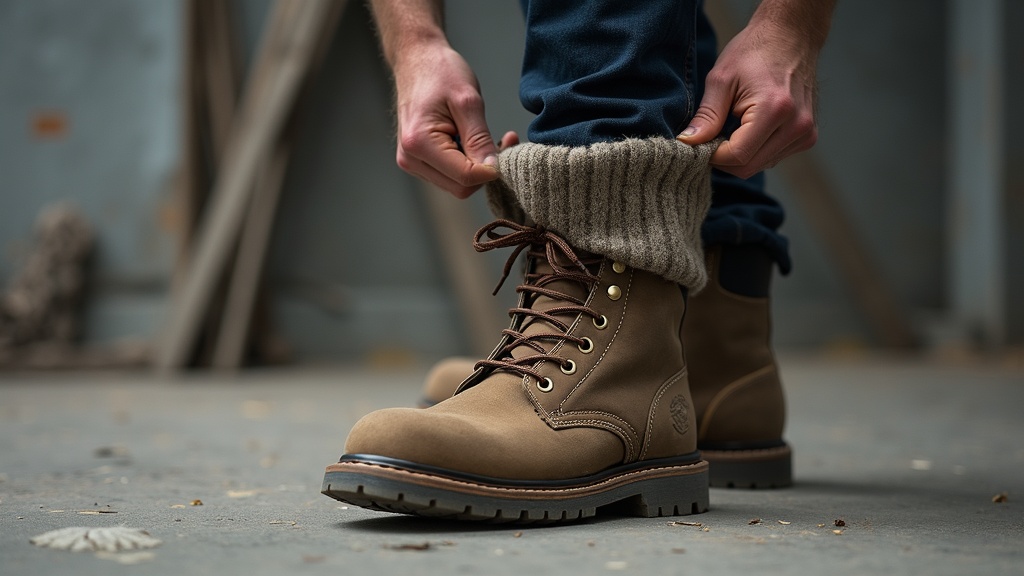
Sock manufacturers measure thickness in cushion zones: full cushion (the whole foot), partial cushion (heel and ball only), and no cushion (basically a liner). Weight is sometimes listed as light, medium, or heavy.
What cushion zones actually do
- Full cushion: More padding everywhere, more bulk, more warmth. Best for cold conditions and concrete floors.
- Partial cushion: The sweet spot for most trades. Impact protection where you need it, less heat buildup everywhere else.
- No cushion / liner: Almost no bulk. Works inside fitted boots or as a layering sock.
Fabric weight runs from about 200g to 400g per square meter in quality work socks. Higher isn't automatically better. It just means more fiber, more warmth, and more stress on boot seams.
Durability Breakdown: Where Thick Socks Win and Where They Fall Apart
Heavy-cushion socks take abuse well on rough surfaces. Concrete, gravel, and metal grating shred the heel and ball of thin socks fast. A thick sock has more material to burn through before it fails.
Where they lose: heat and compression. Stuff a thick sock into a snug boot and you've created friction at every pressure point. The sock degrades faster, and so does your foot. Blisters aren't just painful, they're a sign the sock is already failing.
Did you know?
The American Podiatric Medical Association reports that friction-related foot injuries are among the most common occupational foot complaints in construction and manufacturing. Sock-to-boot fit mismatch is a leading cause, not just footwear quality.
Where Thin Socks Hold Their Own
Thin socks made from merino wool or nylon-reinforced synthetics outlast cheap thick cotton socks by a significant margin. Less bulk means less friction inside the boot. Less friction means less wear on the sock and less wear on your skin.
For trades that keep you moving fast, like electrical, plumbing, or roofing in warm months, a thin technical sock stays drier and survives more wash cycles without losing its shape.
When thin socks make more sense
- Inside fitted work boots with little extra room
- Warm or hot environments where sweat is the main problem
- Trades requiring a lot of ladder climbing or kneeling
- Guys who run hot and deal with foot odor by the end of shift
Material Is What Actually Decides Longevity
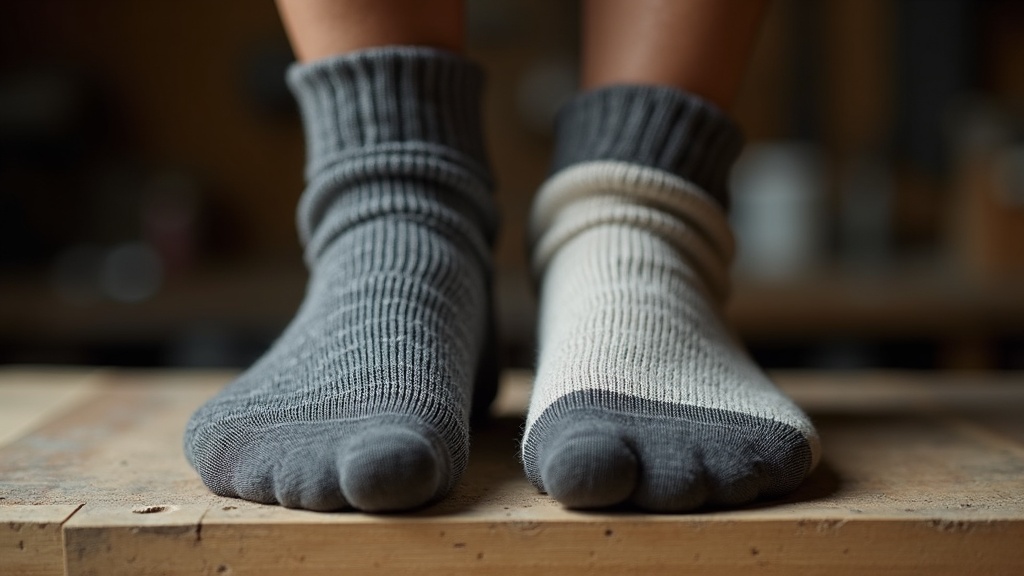
Thickness is a feature. Material is the foundation. Get the material wrong and no amount of cushioning saves the sock.
| Material | Durability | Moisture Control | Best For |
|---|---|---|---|
| Merino Wool | Excellent (300+ washes) | Outstanding: absorbs and releases | Year-round, all trades |
| Nylon Blend | Very good | Good: wicks fast, dries fast | Warm climates, fast-paced work |
| Polyester Blend | Good | Decent wicking, holds odor over time | Budget option for warm conditions |
| Wool / Nylon Blend | Excellent | Best of both worlds | Cold to moderate temps, long shifts |
| Cotton | Poor | Holds moisture, stays wet | Avoid for any serious work boot use |
Cotton is cheap. It's also the fastest way to burn through a pair. It saturates with sweat, stays wet, and the fibers break down from that repeated moisture cycle. You're not saving money buying cotton work socks. You're buying them more often.
Thick Socks for Standing All Day: Do They Really Reduce Fatigue?
Yes, but only up to a point. A sock with full cushioning in the heel and forefoot does reduce the impact shock transferred to your joints over a 10-hour shift on concrete. Studies on occupational fatigue consistently flag hard flooring as a major contributor to lower limb fatigue.
The problem: after about four hours, a thick compressed sock loses most of its cushioning benefit. The foam-like loop structure in the cushion zone compresses and doesn't fully recover until you take the boot off and let it breathe. Rotating two pairs per day fixes this completely.
Did you know?
A worker standing on concrete for 8 hours absorbs roughly 1,000 impact events per foot. Anti-fatigue mats reduce this, but the sock is your last line of defense when you step off the mat onto bare floor.
Sweat, Heat, and Boot Fit: The Factors Most People Ignore
If your feet sweat heavily, thickness works against you unless the sock is built to move moisture. A thick cotton sock becomes a wet sponge by noon. That constant moisture softens skin, causes blisters, and breaks down the sock's internal structure from the inside out.
Boot fit is the other factor guys skip. If you sized your boots with a thin sock, wearing a thick one creates pressure points at the toe box and across the instep. That pressure causes the sock to wear unevenly, usually blowing out right at the seam near the big toe first.
How to Pick the Right Sock Thickness for Your Trade
Thick socks make sense if you:
- Work in temperatures under 40°F regularly
- Stand on concrete or metal grating for most of the shift
- Have boots with extra room in the shaft (common in logger-style boots)
- Work in roofing, framing, or heavy equipment operation
Thin or medium socks make sense if you:
- Work in warm or hot environments year-round
- Wear fitted safety boots with a precise toe box
- Do a lot of ladder work, crawl spaces, or confined areas
- Are an electrician, HVAC tech, or plumber doing service calls
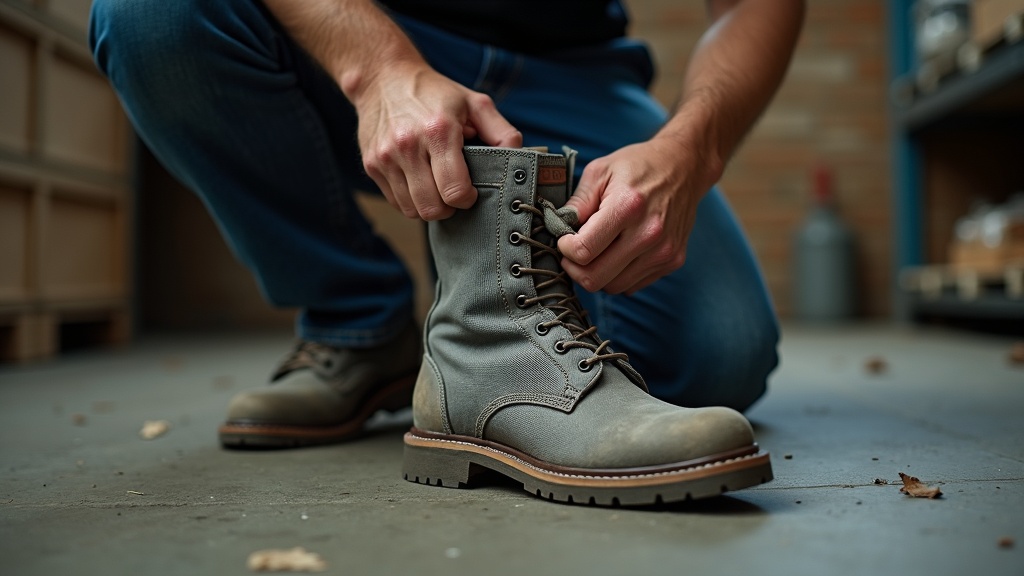
Most guys in construction land in the medium-cushion zone. Enough padding for impact, not so much that boot fit suffers.
What to Look for on the Label Before You Buy
Labels are small and packed with information most people walk past. Here's what actually matters when you're standing in the aisle or scrolling a product page.
- Fiber content: 40%+ merino or nylon content is your minimum bar for durability. If cotton is first on the list, put it back.
- Reinforced zones: Look for "reinforced heel and toe" explicitly. Not implied. Written out.
- Cushion type: Full, partial, or no cushion. Match it to your boot fit and the surface you work on.
- Seamless toe construction: Reduces friction at the toe box. Worth paying extra for if you're on your feet all day.
- Moisture management claim: Generic "breathable" means nothing. Look for "moisture-wicking" paired with a performance fiber, not just a cotton-poly blend.
One last thing: buy fewer, better pairs. Three pairs of $15 merino-blend socks outlast ten pairs of $4 cotton ones. The math works out the first time you actually run it.
