


Choosing among the different types of work boots is not a matter of chance. It directly affects safety, comfort, and on-the-job performance. According to the Bureau of Labor Statistics (BLS), tens of thousands of foot injuries are reported each year in professional environments, many linked to inadequate protective footwear.
Steel toe or composite toe, electrical hazard protection, thermal insulation, slip-resistant outsoles—each type is designed to address specific workplace risks. Yet many workers still choose their boots based mainly on price or appearance. Understanding the different types of best work boots helps reduce accidents, improve comfort during long shifts, and invest in a model that truly fits your profession.
In this expert guide, we detail the 6 main types, their technical features, and their specific uses to help you make an informed decision.
1. Safety Toe Work Boots: Steel, Composite, and Alloy
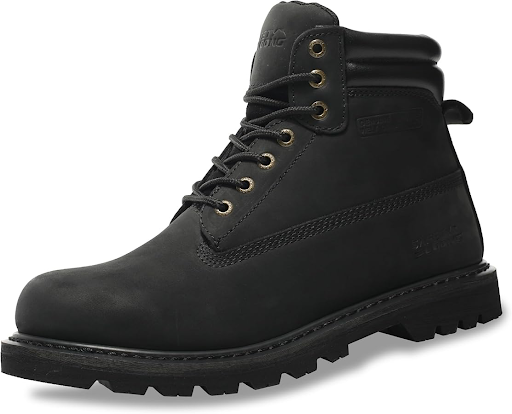
Among all the different types of work boots, safety toe models are the most common. Their purpose is simple: protect your toes from impact and compression. However, not all protective toe caps offer the same performance.
Safety standards such as ASTM F2413 set strict requirements for impact and compression resistance. Choosing the right toe type depends on the actual level of risk in your work environment.
Steel Toe Boots: Maximum Protection
Steel toe boots remain the traditional industry standard. They provide strong resistance against heavy impacts and crushing hazards.
Advantages:
-
Maximum protection against compression
-
High durability
-
Generally more affordable
Limitations:
-
Heavier
-
Conducts heat and cold
Best for: heavy construction, industrial sites, intensive material handling.
Composite Toe Boots: Lightweight and Insulated
Made from materials such as fiberglass, carbon fiber, or Kevlar, composite toe caps are lighter and non-metallic.
Advantages:
-
Lighter than steel
-
Better thermal insulation
-
Do not trigger metal detectors
Best for: electricians, cold environments, airport security zones.
Alloy Toe Boots: The Modern Compromise
Alloy toe caps (aluminum or titanium) offer protection comparable to steel while reducing weight and maintaining a slimmer profile.
Best for: professionals seeking both protection and mobility.
Discover this: Expert Guide to Waterproof Work Boots: Protection, Comfort & Durability
2. Electrical Hazard Work Boots: Protection Against Electrical Risks
Among the different types of work boots, Electrical Hazard (EH) certified models address a specific risk: accidental electric shock. They are designed to reduce the flow of electricity through the body when a worker comes into contact with a live electrical source.
According to ASTM F2413 standards, an EH boot must withstand high voltage in dry conditions without allowing dangerous levels of current to pass through. This certification does not replace safety procedures but provides an essential layer of protection.
How EH Boots Work?
They feature:
-
Insulating soles and heels
-
Non-conductive materials
-
Design without exposed metal components
Important: EH protection is only effective in dry environments. Moisture significantly reduces insulation performance.
Who Needs EH Boots?
-
Electricians
-
Maintenance technicians
-
Industrial workers exposed to live circuits
Choosing this type of types of work boots is essential whenever electrical hazards are part of daily professional tasks.
3. Waterproof & Weather-Resistant Work Boots: Facing All Conditions
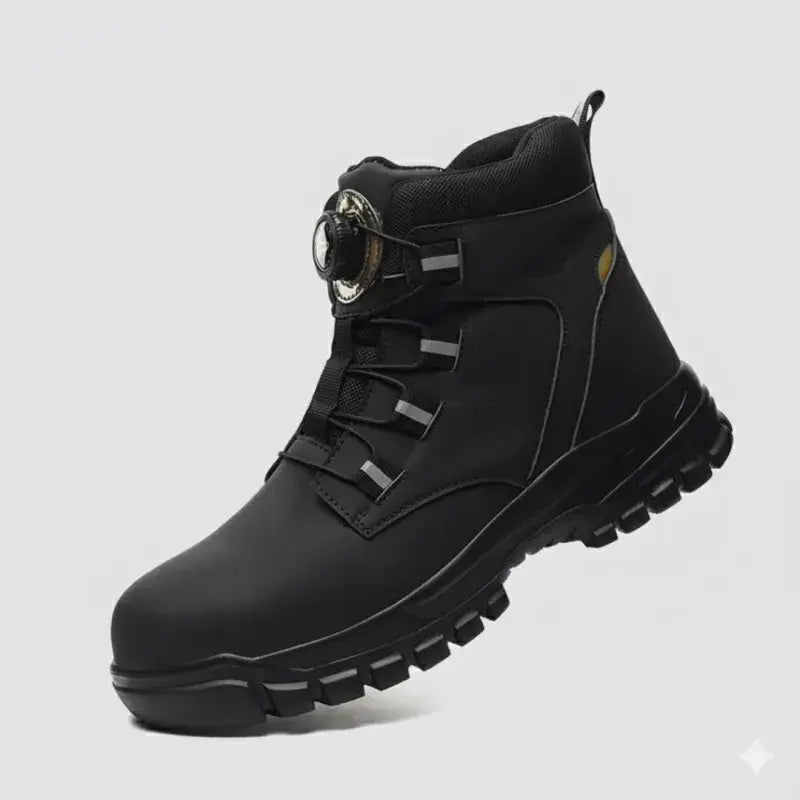
Among the different types of work boots, waterproof and weather-resistant models are essential for professionals exposed to moisture, rain, snow, or damp environments. Poor protection can lead not only to discomfort but also health risks such as frostbite or fungal infections.
Waterproof Boots
These boots feature:
-
Waterproof membranes (Gore-Tex or equivalent)
-
Sealed seams to prevent water entry
-
Moisture-resistant materials
Advantages: keep feet dry all day, prevent dampness, and extend the boot’s lifespan.
Best for: outdoor construction sites, agriculture, logistics jobs exposed to rain.
Insulated Boots
For cold environments, some boots provide:
-
Thermal insulation (Thinsulate or technical wool)
-
Protection against extreme cold
Best for: cold storage, outdoor work in winter.
Slip-Resistant Outsoles
To enhance safety, many weather-resistant boots include:
-
High-traction outsoles
-
Resistance to oily or wet surfaces
Advantages: reduce the risk of slips, provide better stability on slippery surfaces.
These models combine water protection, thermal insulation, and slip resistance, making them essential for anyone working in challenging conditions.
Read also: Best Work Boots for Factory Work: Safety, Comfort & Durability
4. Pull-On vs Lace-Up Work Boots: Daily Comfort and Practicality
Among the different types of work boots, choosing between Pull-On and Lace-Up depends as much on comfort as on practicality. Each has advantages depending on the job and work environment.
Lace-Up Boots: Support and Adjustment
Lace-up boots provide:
-
Precise ankle support
-
Customizable fit
-
Optimal stability on uneven terrain
Best for: construction sites, industrial work, or areas with irregular or rough floors.
Pull-On Boots: Speed and Ease
Pull-On boots, such as Chelsea or Wellington models, offer:
-
Quick and easy on/off
-
Immediate comfort
-
Flexibility for frequent movement
Best for: logistics, agriculture, or light work where speed matters.
Comparison Table
|
Criteria |
Lace-Up |
Pull-On |
|
Ankle support |
Excellent |
Moderate |
|
Ease of putting on |
Moderate |
Very quick |
|
Comfort for long shifts |
Very good |
Good |
|
Suitable for rough terrain |
Yes |
Limited |
On the job site or through golden fields, choosing your boot is how you keep your feet shielded.
5. Heavy-Duty vs Lightweight Work Boots: Choosing Based on Work Intensity
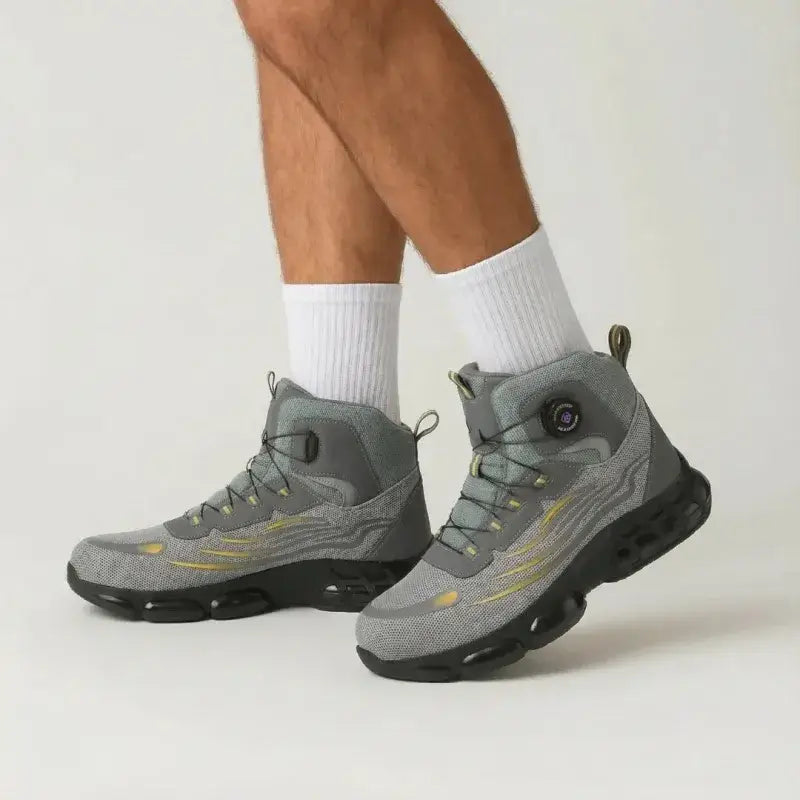
Among the different types of work boots, the choice between Heavy-Duty and Lightweight mainly depends on the intensity and duration of work. A boot that is too heavy can quickly cause fatigue, while a boot that is too light may lack protection in demanding environments.
Heavy-Duty Work Boots: Maximum Durability
These boots are designed to withstand the toughest conditions:
-
Thick, durable materials
-
Reinforced, shock-resistant soles
-
Optimal ankle support
Advantages: maximum protection, long-lasting durability, safety on heavy-duty worksites.
Best for: construction, material handling, heavy industry.
Lightweight Work Boots: Mobility and Comfort
Lightweight models focus on:
-
Reduced weight to limit fatigue
-
Greater flexibility for walking and frequent movement
-
Good ventilation and prolonged comfort
Advantages: comfort during long shifts, greater freedom of movement.
Best for: logistics, maintenance, jobs requiring mobility and speed.
Expert Tip
For 8–12 hour shifts, alternating or choosing boots according to the task can reduce fatigue and optimize productivity.
Discover this guide: Best Steel Toe Work Boots: Expert Guide to Safety, Comfort & Protection
6. Specialized Work Boots by Industry: Choosing According to Your Profession
Among the different types of work boots, some are designed to meet the specific needs of each professional sector. Choosing the right boots reduces risks, improves comfort, and increases productivity.
Construction
-
Main risks: falling objects, uneven floors, contact with heavy materials
-
Recommendation: Steel Toe or Alloy Toe, slip-resistant soles, puncture protection
Warehouse & Logistics
-
Main risks: fatigue from walking, slips on smooth surfaces, handling heavy loads
-
Recommendation: Lightweight Lace-Up, slip-resistant soles, prolonged comfort
Electrical Work
-
Main risks: electric shocks
-
Recommendation: Electrical Hazard (EH) boots, insulating, non-conductive materials
Oil & Gas
-
Main risks: slippery surfaces, chemical exposure, heat
-
Recommendation: Waterproof, Slip-Resistant, steel or composite toe as per standards
Cold Storage
-
Main risks: extreme cold, wet floors
-
Recommendation: Insulated Waterproof Boots, slip-resistant soles, thermal insulation
Landscaping
-
Main risks: uneven terrain, moisture, contact with sharp tools
-
Recommendation: Pull-On or Lace-Up, durable soles, toe protection
Choosing boots according to your industry turns every step into safety and every workday into comfort.
How to Compare Work Boots Before Buying: Practical Guide
Before choosing among the different types of work boots, it is essential to compare models based on objective criteria. This helps you find boots that are suitable for your profession, comfortable, and durable.
1. Safety Standards
Ensure the boots meet ASTM F2413 or local standards. These guarantee toe cap resistance, puncture protection, and, if applicable, electrical hazard protection.
2. Toe Type
-
Steel Toe: maximum protection
-
Composite Toe: lightweight and insulating
-
Alloy Toe: compromise between weight and protection
3. Water Resistance and Insulation
Depending on your environment:
-
Waterproof boots for rain and wet floors
-
Insulated boots for extreme cold
4. Soles and Traction
-
Slip-resistant soles to prevent falls
-
Soles resistant to oil or chemicals
5. Weight and Comfort
-
Lightweight boots reduce fatigue
-
Heavy-duty boots provide more protection but can be tiring
6. Material Durability
-
Full-grain leather or high-quality synthetic
-
Reinforced stitching and durable soles
7. Manufacturer Warranty and Returns
Always check the warranty policy and return options to test comfort over a full workday.
Expert tip: Use this mini-checklist before each purchase to avoid regrets and keep your feet protected.
Our Best-Selling Work Boots at Mason Clothing
On the Best Sellers page of Mason Clothing, several work boots stand out among the most popular types of work boots, all designed to combine safety, comfort, and performance in real conditions.
ATLAS® S3 Pro Safety Boots — Robust protection for the job site
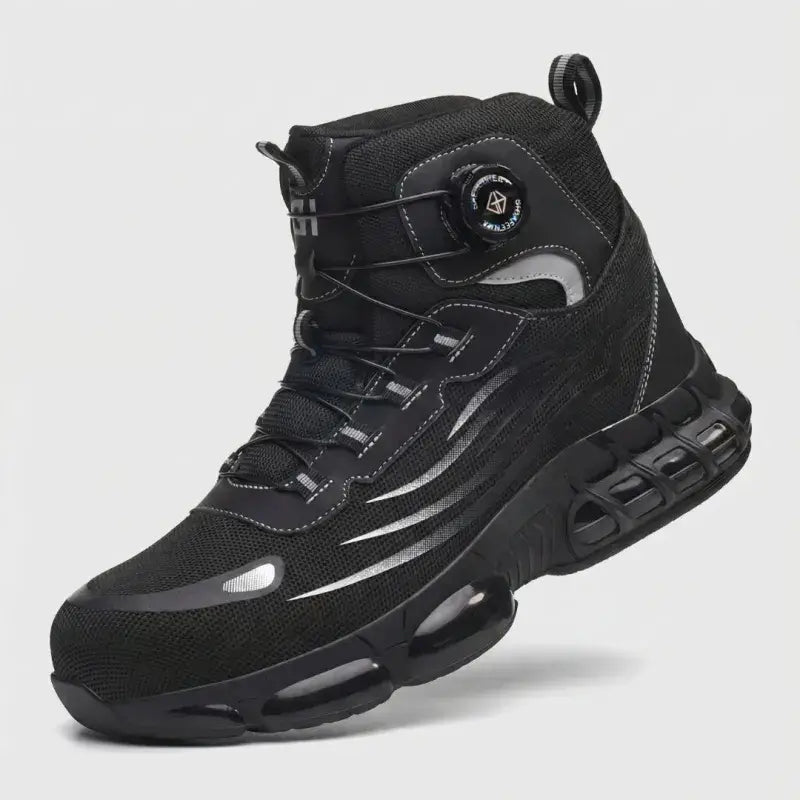
The ATLAS® S3 Pro Safety Boots are classic safety boots with reinforced toe caps, built to withstand impacts and heavy loads. They feature a solid structure, slip-resistant sole, and good stability on uneven surfaces — a reliable choice for construction or industrial work.
Key features:
- Reinforced toe and sole according to safety standards
- Good grip to prevent slips
- Comfortable for long work hours
ATLAS® S3 Pro Safety Trainer — Trainer style with integrated protection
These boots offer safety features in a more trainer-like style, combining protection, lightness, and comfort, ideal for those who spend a lot of time on their feet or moving on hard surfaces.
Key features:
- Certified safety toe
- Lightweight design to reduce fatigue
- Slip-resistant sole
POLAR™ S3 Winter Safety Boots — For wet and cold conditions
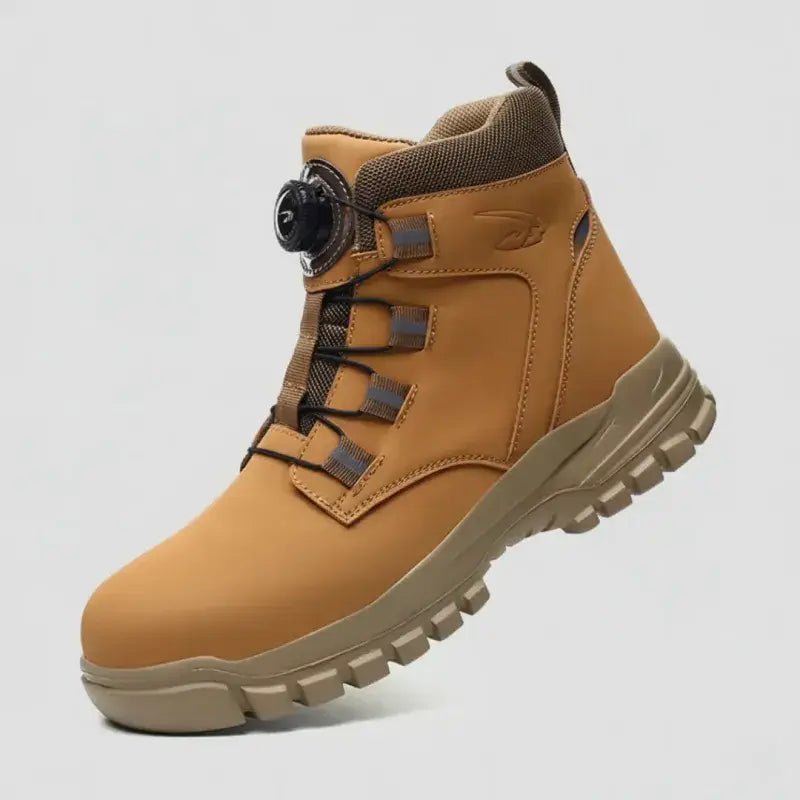
The POLAR™ S3 Winter Safety Boots represent a key type of work boots: waterproof and insulated for cold. Perfect for wet environments, outdoor worksites in bad weather, or areas requiring thermal comfort.
Key features:
- Waterproof and thermal insulation
- Slip-resistant sole for wet surfaces
- Comfort for long outdoor workdays
NOVA™ S3 Safety Trainer — Reliable protection in a trainer style
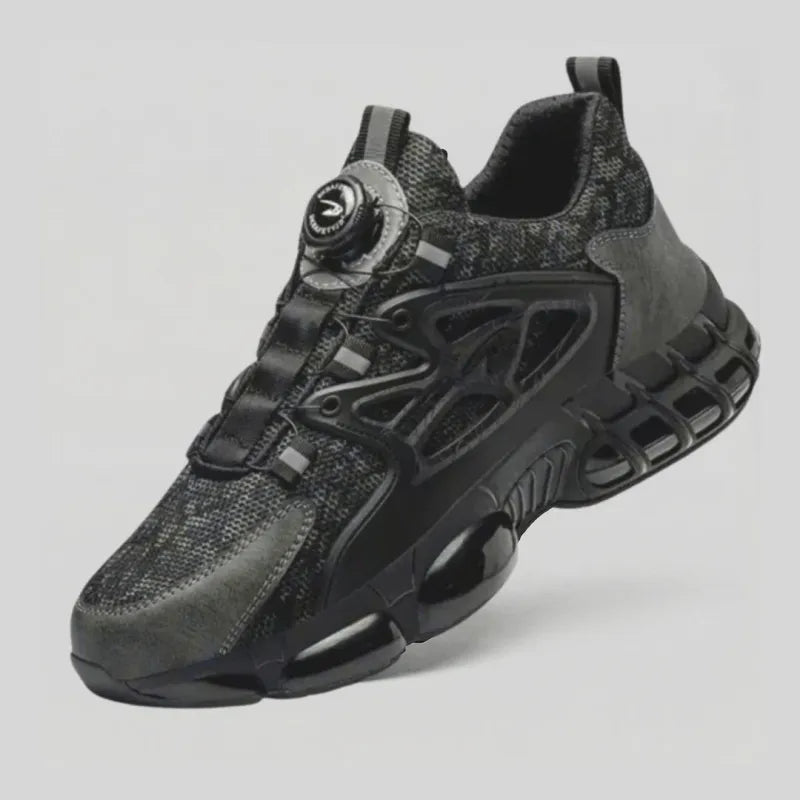
Similar to the ATLAS® model but with a more modern design, the NOVA™ S3 Safety Trainer combines safety-compliant toe protection with a sneaker-inspired style. Perfect for those who want safety + style without compromising performance.
Key features:
- Reinforced safety toe
- Slip-resistant sole
- Comfortable and versatile style
Why these models stand out:
- All are built to recognized safety standards (toe protection, grip, durability).
- They cover multiple types of work boots: heavy-duty protection, mobile comfort, waterproof, winter insulation.
- They meet the real needs of professionals on demanding worksites.
Expert Tips for Choosing the Right Type of Work Boots
Choosing among the different types of work boots is not just about style or price. Safety, comfort, and durability should always come first.
It is essential to match the boot to the main workplace risk. On heavy-duty construction sites, Steel Toe or Alloy Toe models are recommended. For wet or cold environments, Waterproof and Insulated boots provide both comfort and protection. Electrical work requires Electrical Hazard (EH) certified boots.
Never compromise safety for style. Even if Safety Trainers combine look and protection, the toe cap and sole must comply with safety standards.
Fitting is crucial. Wear your boots for a full day to check ankle support, cushioning, and overall comfort.
Rotating and maintaining your boots extends their lifespan. Alternate pairs to reduce fatigue and clean them regularly to preserve materials and soles.
With the right choice, every step becomes safe, and every workday more comfortable.
Choose the Right Type of Work Boots Now
Understanding the different types of work boots allows you to make an informed choice. Each model addresses a specific need: protection, comfort, mobility, or weather resistance. The best-sellers from Mason Clothing cover all these requirements and meet the highest safety standards.
Investing in the right boots means protecting your feet, reducing fatigue, and improving productivity. With the right pair, every step becomes safe, and every workday more comfortable.
