


Spending long hours standing on hard surfaces puts constant strain on the lower back. In most cases, back pain does not start in the spine itself, but with poor foot support. According to the National Institutes of Health, nearly 80% of adults experience lower back pain at some point in their lives, often linked to posture and repetitive physical stress (source: NIH). Well-designed work boots for back pain help absorb impact, improve posture, and reduce pressure on the spine throughout the workday. Choosing the right work footwear becomes a real health decision, not just a comfort preference.
Orthopedic work boots are designed to respect the natural alignment of the foot and the body. They provide better cushioning, proper arch support, and increased heel stability. These features help limit muscle fatigue and reduce the risk of chronic back pain over time. Make the right choice today: explore work footwear designed for comfort and performance at Mason Clothing, and start protecting your back every day.
Why Bad Work Boots Can Cause Back Pain?
Back pain at work rarely appears overnight. It develops gradually, often due to improper footwear. The feet are the first point of contact with the ground. With every step, impacts travel up to the knees, hips, and finally the spine. When boots fail to provide proper support, the lower back bears the full load. Poorly designed work boots often lack cushioning. On concrete or industrial floors, this leads to repeated shocks. Over time, these micro-impacts fatigue the lumbar muscles. Posture deteriorates. The body compensates, sometimes unconsciously, resulting in stiffness, persistent pain, and fatigue by the end of the day.
On the other hand, work boots designed correctly can provide real relief. Good cushioning absorbs vibrations. A stable heel helps maintain proper pelvic alignment. Adequate arch support distributes pressure more evenly. The back works less, and muscles tire more slowly. Work boots directly influence posture and spinal health. This is not marketing—it’s a biomechanical fact. Choosing the right boots, suited to your body and environment, helps reduce existing pain and prevent long-term issues.
Discover also: Best Steel Toe Work Boots: Expert Guide to Safety, Comfort & Protection
Best Types of Work Boots for Back Pain By Work Environment
Choosing the right pair of shoes is essential to protect your back throughout the day. At Mason Clothing, every model is designed to reduce impact on the lower back, support the arch, and improve posture. Our boots are specifically made for professionals looking for work boots for back pain, no matter their work environment. Here are four types of boots suited to different professional needs.
1. Heavy-Duty Construction Boots
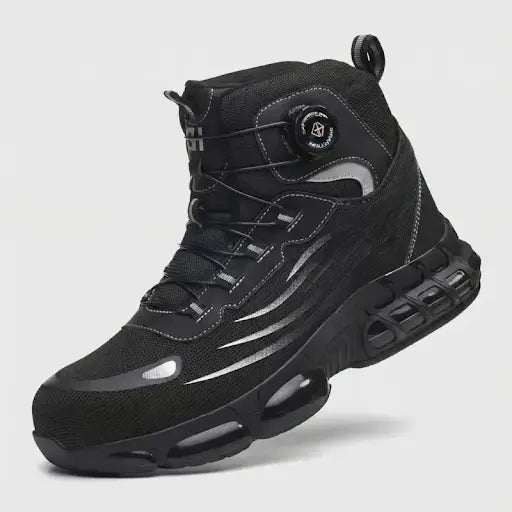
Perfect for heavy work and construction sites, these boots provide maximum cushioning and reinforced heel support. Their non-slip sole reduces slips while stabilizing the foot. Combining durability and comfort, they are ideal for preventing lumbar fatigue and are a reliable choice for professionals.
2. Warehouse and Concrete Floor Boots
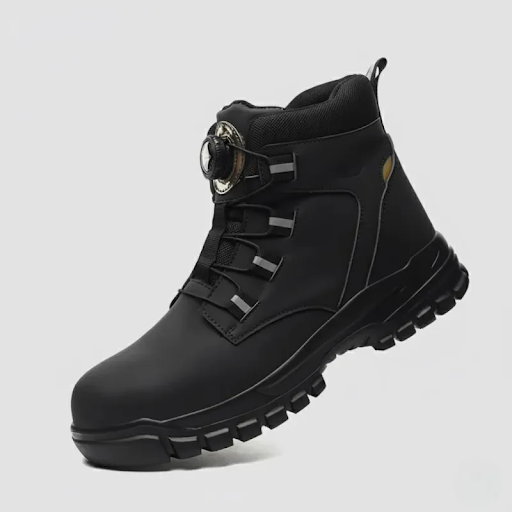
Designed for prolonged standing, these boots feature targeted cushioning and a flexible sole. They reduce joint pressure and help maintain natural body alignment. Lumbar muscles tire less, even after long hours on concrete floors, making them a practical solution for everyday comfort.
3. Outdoor and Uneven Terrain Boots

Lightweight yet durable, these boots combine protection, stability, and flexibility. They adapt to varied terrain while supporting the heel and arch. Every step becomes safer, reducing lower back strain and muscle fatigue, making them effective for outdoor work.
4. Advanced Safety Technology Boots
These models integrate modern technologies such as enhanced cushioning, ergonomic support, and anti-fatigue soles. They distribute body pressure evenly and help keep the back in a neutral posture. Perfect for professionals seeking boots that combine safety and lumbar comfort throughout the day.
Here's a guide that might interest you: Winter womens workwear: Expert Choices and Selection Criteria Revealed
What to Look for in Work Boots for Back Pain? Expert Criteria
Choosing the right pair of shoes to protect your back is crucial. Studies show that over 75% of workers experience foot- or posture-related back pain at some point in their careers (source: American Podiatric Medical Association). To reduce lumbar pain, certain technical criteria should be prioritized. The right work boots for back pain not only provide comfort but also protect the spine, improve posture, and reduce fatigue over long shifts.
1. Cushioning and Shock Absorption
Good cushioning reduces impact on joints and the spine. Thick, flexible soles absorb vibrations effectively, preventing fatigue in the lower back muscles.
2. Arch Support
Proper arch support maintains natural foot and body alignment. This decreases lower back tension and improves stability during long periods of standing or walking.
3. Heel Stability
A stable heel prevents excessive foot movement inside the boot. Stability reduces compensatory movements that can strain the back and cause discomfort after several hours of work.
4. Boot Weight
Heavy boots increase muscle fatigue. Lightweight models allow longer periods of standing and walking without overloading the lower back.
By following these criteria, you can maximize comfort, reduce fatigue, and prevent lower back pain. The work boots for back pain from Mason Clothing meet these standards, combining safety, support, and ergonomics.
Read this article: Best mens workwear approved by experts for 2026
Work boots for back pain: Complementary accessories

According to the American Chiropractic Association, nearly 80% of adults experience back pain at some point in their working life (American Chiropractic Association). Even with high-quality work boots for back pain, additional solutions such as insoles and work socks can significantly improve comfort and reduce strain during long hours on hard surfaces.
Work Socks That Help Reduce Fatigue and Lower Back Strain
Work socks available at Mason Clothing play an important role in overall comfort and stability. Compression work socks help improve blood circulation and reduce leg fatigue, which is often linked to lower back discomfort. Reinforced cushioning in key areas absorbs impact and minimizes vibrations transmitted from the ground to the spine, especially during prolonged standing or walking.
Insoles That Improve Support and Body Alignment
Work insoles from Mason Clothing are designed to enhance existing footwear. They help absorb shock, distribute pressure evenly, and support the arch of the foot. By improving foot alignment, these insoles reduce stress on the knees and lower back, making long workdays more manageable and comfortable.
When combined with proper footwear, these alternatives help protect the back and extend comfort throughout the workday.
Discover this: Best Carpenter Work Boots Tested by Professionals for Jobsite Safety
Real Benefits Workers Report After Switching to Proper Work Boots

According to the National Institute for Occupational Safety and Health, nearly 25% of workplace injuries are related to back pain, often linked to prolonged standing and inadequate footwear (NIOSH). Workers who switch to proper work boots for back pain consistently report noticeable improvements in comfort and daily performance.
-
Reduced lower back pain at the end of the workday: Improved cushioning and shock absorption help limit repeated impact on hard surfaces, reducing strain on the lower back.
-
Less stiffness in the morning: Better foot alignment throughout the day helps prevent tension buildup in the muscles and joints overnight.
-
Improved endurance and focus at work: With less pain and fatigue, workers report better concentration, efficiency, and overall job performance.
-
Long-lasting stability and comfort: Secure heel support and proper arch alignment enhance balance and provide consistent comfort during long shifts.
These real-world benefits explain why many professionals view proper work boots as a long-term investment in both health and productivity.
Expert Tips to Maximize Back Pain Relief at Work
According to the National Institute for Occupational Safety and Health, prolonged standing and inadequate footwear significantly increase the risk of lower back pain among workers (NIOSH). Even with proper work boots for back pain, certain habits can greatly enhance comfort and long-term back protection at work.
- Choose a precise fit: Poorly fitting boots disrupt body alignment. The foot should feel secure without excessive pressure.
- Rotate work boots when possible: Alternating footwear reduces repetitive muscle strain and helps limit cumulative back stress.
- Use insoles adapted to your work environment: Insoles improve shock absorption and arch support, especially on concrete or industrial floors.
- Monitor wear and tear regularly: Worn-out cushioning loses its protective function and increases pressure on the lower back.
- Match footwear to working conditions: Floor hardness, standing duration, and movement patterns should guide boot selection.
Applying these expert-backed tips helps workers get the most out of their footwear and significantly reduce back pain over time.
Where to Buy Effective Work Boots for Back Pain?
Protecting your back and reducing fatigue at work starts with choosing the right footwear. Work boots for back pain from Mason Clothing are designed to provide optimal support, absorb impact, and improve posture even after long hours on hard floors.
Here’s what makes their boots stand out:
- Ergonomic design and high-quality materials: ensure comfort and safety throughout the workday.
- Enhanced heel and arch support: reduces lumbar strain and promotes natural body alignment.
- Effective cushioning on hard surfaces: minimizes repetitive impact and muscle fatigue.
- Tested and validated by professionals: each model is evaluated for performance, durability, and comfort.
According to experts and user feedback, investing in quality work boots for back pain helps prevent chronic discomfort, improves stability, and increases endurance at work. Explore Mason Clothing work boots to protect your back and stay comfortable all day: Work Boots Mason Clothing.
Investing in the Right Work Boots for Back Pain Protects Your Back
Choosing the right work boots for back pain is a true investment in back health and all-day comfort at work. These boots improve body alignment, reduce muscle fatigue, and prevent lower back pain, even during long hours on hard surfaces. When paired with high-quality insoles and socks from Mason Clothing, they enhance posture, increase endurance, and provide lasting stability and comfort. Feedback from professionals and expert validation confirm their real-world effectiveness. Preventing pain before it starts is possible. Upgrade to work boots for back pain today to protect your back and work more efficiently. Explore Mason Clothing work boots.
FAQ – Work Boots for Back Pain
What makes a work boot suitable for back pain?
A good work boot for back pain provides proper arch support, a stable heel, and effective cushioning to absorb impact, reduce fatigue, and maintain natural body alignment.
Can I use insoles with my current work boots?
Yes. Ergonomic and cushioned insoles enhance your existing boots, improving comfort, reducing lower back pressure, and minimizing back pain during long hours on hard surfaces.
How long do work boots remain effective?
Even high-quality boots lose cushioning and support over time. It’s recommended to replace your work boots every 12 to 18 months, depending on daily usage and workload.
