


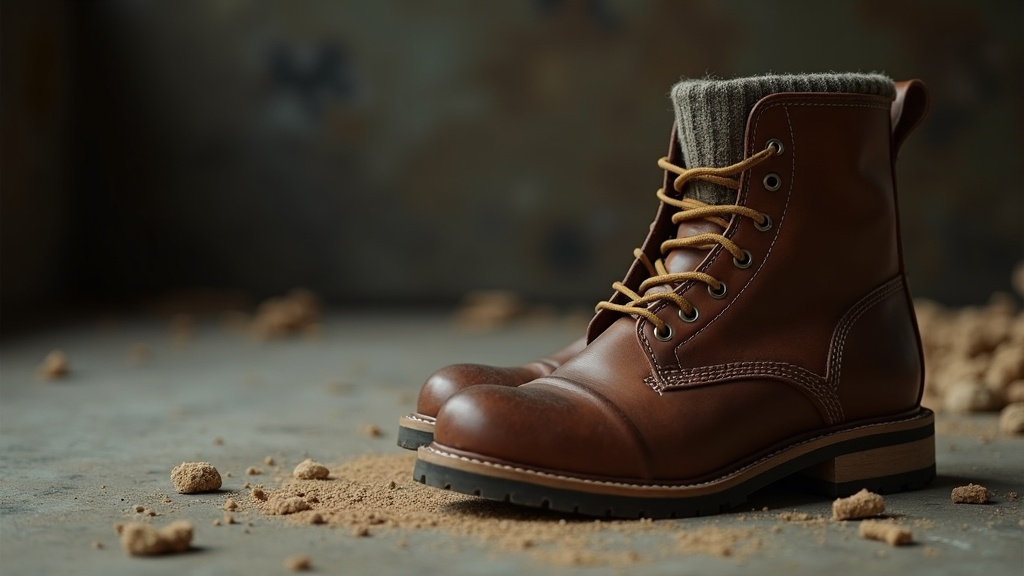
You're four hours into a twelve-hour shift. Your sock is bunched up under your heel, rubbing a hot spot into the back of your foot. You can't stop to fix it. That's not just annoying. That's how blisters happen, and blisters cost you days.
The right work socks that stay up all shift long aren't magic. They're engineering. Once you know what actually holds a sock in place inside a work boot, buying the wrong pair feels like throwing money at the floor.
Key points at a glance
- Elastic band tension and calf height are the two main factors that keep a work sock up.
- Over-the-calf socks outperform crew cuts in work boots for long shifts, full stop.
- Merino wool manages sweat better than most synthetics and won't kill your foot smell.
- Darn Tough and Thorlos are the two most field-tested options for 12-hour shift workers.
- Compression socks help circulation but are not a replacement for a well-fitted sock.
- Washing habits and boot fit both affect how long your socks hold their shape.
What a good work sock actually gives you
Why Your Socks Slide Down (And Why It's Not Just Bad Luck)
The main culprit is a dead elastic band. Cheap socks use a single ring of elastic at the cuff. That ring loses tension after twenty washes, and then it's over.
The second reason is boot height. A standard crew sock sits right at the ankle. Inside a tall work boot, there's nowhere for that cuff to grip. The boot shaft pushes it straight down with every step.
Sweat makes it worse. Moisture reduces friction between the sock and your skin, so even a sock with decent elastic will start to migrate once your feet are damp. Sweat management and cuff construction are not separate problems. They work against you together.
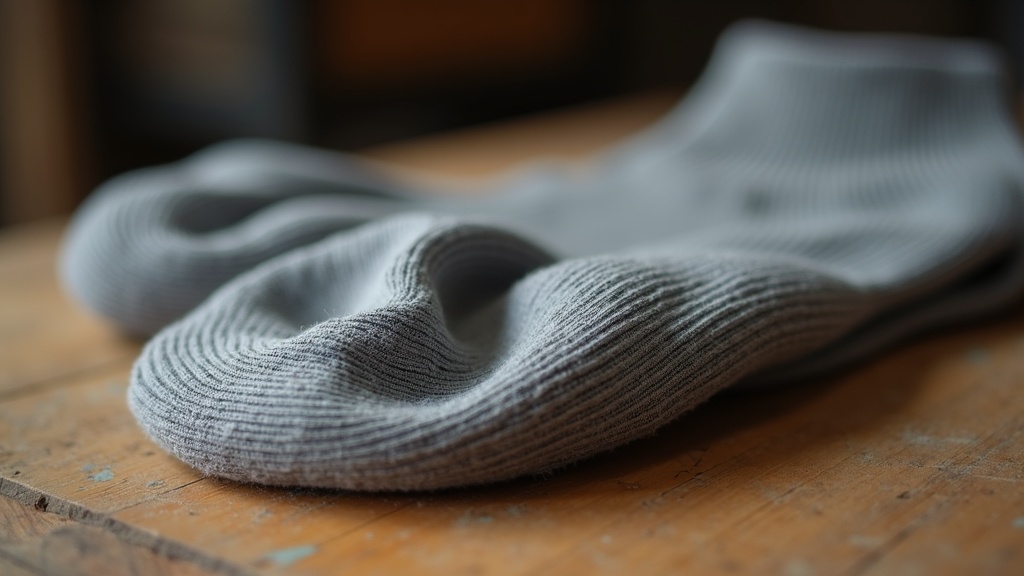
What Actually Keeps a Work Sock Up All Day
Three things: cuff length, elastic architecture, and material grip.
- Cuff length: A longer cuff has more surface area to brace against the boot shaft. That's why over-the-calf styles dominate in work environments.
- Multi-row elastic: Quality socks use graduated compression through the leg, not just one band at the top. The sock squeezes the calf evenly and stays anchored.
- Material grip: Wool and textured synthetics create micro-friction against skin. Smooth polyester blends slide. It's that simple.
Some manufacturers also add silicone grip dots inside the cuff. It's a small detail. On a long shift, small details matter a lot.
Did you know?
The American Podiatric Medical Association has linked ill-fitting hosiery, including socks that bunch or slide, to an increased incidence of plantar fasciitis and Achilles tendinitis in workers who spend eight or more hours on their feet daily.
Over-the-Calf vs. Crew Cut: Which One Holds Better in Work Boots
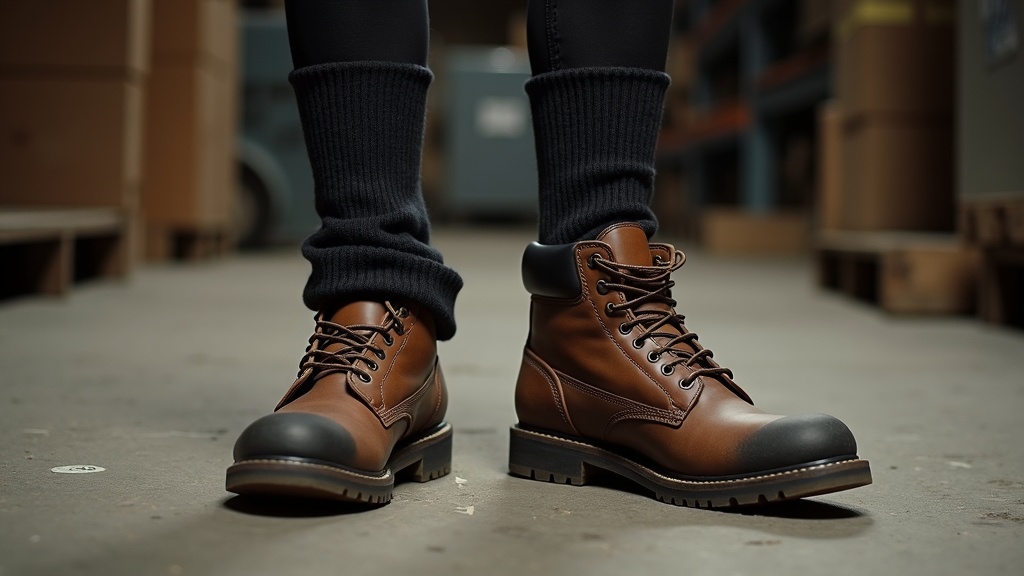
Over-the-calf work socks win this comparison every time inside a high-shaft boot. The sock extends above the boot top, so it has a fixed reference point on the leg, not inside the boot where everything shifts.
Crew cuts are fine for low-cut sneakers or casual wear. Inside a six-inch or eight-inch work boot, they've got nowhere to anchor. Half your shift, they're under your heel.
The one trade-off with over-the-calf: they run hotter. If you're working in high heat, a quality mid-calf with reinforced cuff construction is a reasonable compromise.
The Best Work Socks That Stay Up All Shift Long (Tested by People Who Work)
These are the names that keep coming up when you ask workers, not marketers, what actually survives a 12-hour shift.
Darn Tough Work Socks
Darn Tough out of Vermont builds their socks on a fine-gauge merino wool blend with a lifetime guarantee. They back it up: you wear them out, they replace them free. The cushion sole versions are particularly good for concrete floors. Over-the-calf styles grip and stay up without cutting off circulation.
Thorlos 12-Hour Shift Socks
Thorlos engineered their padding system specifically for workers on hard surfaces. The thick pile cushioning under the heel and ball of the foot absorbs the cumulative shock of eight to twelve hours of standing. Their over-the-calf options maintain their cuff tension well past the 100-wash mark.
Carhartt Force Over-the-Calf
A more affordable entry. FastDry technology manages moisture well enough for moderate-sweat work environments. Not as refined as Darn Tough, but a solid choice if you're buying in bulk for a crew.
Wigwam Merino Wool Work Socks
Underrated. Wigwam has been making performance socks in Sheboygan, Wisconsin since 1905. Their workhorse blends offer durability and temperature regulation at a price point slightly below Darn Tough.
| Brand | Best For | Material | Warranty |
|---|---|---|---|
| Darn Tough | All-around 12-hr shift sock | Merino wool blend | Lifetime guarantee |
| Thorlos | Cushioning on hard floors | Acrylic/wool blend | 30-day comfort pledge |
| Carhartt Force | Bulk buying for crews | Polyester/nylon blend | Standard return policy |
| Wigwam | Budget-conscious merino | Merino wool blend | Standard return policy |
| Compression Brands (CEP, Sockwell) | Circulation support, varicose risk | Merino/nylon compression blend | Varies |
Are Compression Socks Worth It for Long Shifts on Your Feet?
If you're standing on concrete for ten or twelve hours, your blood is fighting gravity every minute. Compression socks for long shifts apply graduated pressure from the ankle up, which pushes blood back toward the heart and reduces leg fatigue and swelling.
Workers with early-stage varicose veins, heavy legs at end of shift, or jobs that don't allow much movement see the most benefit. For younger workers without circulation issues, the gain is real but smaller.
One practical note: true medical-grade compression (20-30 mmHg or above) requires a sizing chart. Too tight and you cut off circulation. Too loose and you get no benefit. Get the fit right or skip it.
Did you know?
A 2019 study published in the Journal of Occupational Health found that workers who wore graduated compression hosiery during shifts longer than eight hours reported 28% less leg fatigue and significantly lower incidence of ankle swelling compared to those wearing standard socks.
Best Work Socks for Sweaty Feet: Merino Wool vs. Synthetic
Sweat is what turns a slipping sock into a blistering sock. The material you choose determines how fast your feet dry out.
Merino Wool
Merino absorbs moisture into the fiber itself without feeling wet against your skin. It also resists odor naturally because the fiber's structure resists bacterial growth. Best for sweaty feet that also need temperature regulation.
Synthetic Blends (Polyester, Nylon, CoolMax)
Synthetics move moisture away from the skin faster than wool but dump it into the sock fabric rather than absorbing it. On a very hot shift, they can feel clammy sooner. They're typically cheaper and dry faster in the laundry.
The honest answer for work socks for sweaty feet: a merino-synthetic blend gives you the best of both. Darn Tough's blends land around 60-70% merino with nylon for durability. That's the sweet spot.

How to Make Any Work Sock Last Longer (And Stay Up Longer)
The sock doesn't fail alone. Half the time, it's how you wash it or what boot you pair it with.
- Wash cold, dry low or air dry. Heat is the number one elastic killer. A dryer set to high heat destroys the rubber compounds in elastic after 20-30 cycles.
- Rotate at least three pairs. The same pair every day never fully recovers its shape between shifts. Rotation extends elastic life by 40-60%.
- Match sock thickness to boot fit. If your boot fits snug with thin socks and you switch to heavy-duty socks, the compression bunches fabric at the toe. Always fit your boot wearing the sock weight you plan to use daily.
- Replace on a schedule, not just when they fall apart. By the time a sock looks bad, it's been performing badly for months. Most heavy-duty work socks should be replaced every 6-12 months of daily use.
One more thing worth saying straight: a $30 pair of Darn Tough socks worn for two years costs less per shift than a $10 five-pack replaced every three months. Run the math before you grab the cheap ones off the rack.
