


In many manual professions, work trousers are not just clothing items—they are functional equipment that directly affects safety, comfort, and daily endurance. According to European occupational health data, nearly 60% of reported occupational diseases are linked to musculoskeletal disorders, often worsened by repetitive movements, constant friction, and poorly adapted workwear. In this context, choosing work wear trousers designed for real professional use is not a minor detail but a strategic decision.
On construction sites, in warehouses, or during outdoor work, poorly designed trousers can restrict movement, wear out too quickly, or expose workers to avoidable risks. On the other hand, well-designed work wear improve mobility, reduce fatigue at the end of long shifts, and withstand demanding working conditions. This guide is based on criteria used by professionals themselves: material durability, all-day comfort, practical features, and adequate protection. The goal is simple—to help you make a reliable, practical, and long-term choice grounded in real-world working conditions.
Why Work Wear Trousers Are Essential for Professional Work

In professional work, work wear trousers are not just clothing—they represent the first line of protection and comfort. According to a study by the European Agency for Safety and Health at Work, nearly 25% of accidents related to posture and repetitive movements could be reduced with appropriate equipment. This figure clearly demonstrates the direct impact that well-designed work trousers can have on safety and productivity.
Standard trousers, often made of light cotton or low-resistance fabrics, wear out quickly and do not adequately protect against abrasion, tears, or moisture. In contrast, professional work wear trousers use reinforced materials, strong stitching, and reinforcements in critical areas such as the knees and seat. These features not only extend the garment’s lifespan but also reduce fatigue and muscular discomfort for workers by providing freedom of movement suited to daily tasks.
Finally, choosing appropriate trousers directly affects performance. An ergonomic, breathable, and terrain-resistant pair allows workers to operate longer and more efficiently while minimizing the risk of accidents. This is why serious professionals consider their work wear trousers an essential investment in their daily safety and comfort.
Key Features to Look for in High-Quality Work Wear Trousers

Choosing work wear trousers is not just about brand or price—technical details make all the difference. A high-performing pair must combine durability, comfort, and safety while meeting the specific requirements of the job. According to a study by the British Safety Industry Federation, professionals equipped with appropriate workwear report a 30% reduction in premature trouser wear and injuries from repetitive movements. These data highlight that every feature matters to optimize performance and workplace well-being.
Durable Fabrics Built for Tough Conditions
Quality work wear trousers use reinforced fabrics, often a poly-cotton blend or durable canvas, capable of withstanding abrasion, tears, and moisture exposure. Critical areas such as the knees and seat are often reinforced or double-stitched, significantly extending the garment’s lifespan.
In practice, durable fabric protects the worker while maintaining shape after multiple washes, preventing trousers from deforming or weakening and restricting movement. Durability is not a luxury—it is a direct safety and cost-efficiency factor, especially for those spending their days in demanding environments.
Comfort for Long Working Hours
Comfort is essential for professionals to remain effective throughout the day. Work wear trousers often include:
- stretch panels to facilitate movement,
- an ergonomic cut suited for crouching or kneeling,
- breathable fabrics that reduce perspiration.
Field surveys among construction workers show that over 70% consider trouser comfort directly influences their endurance and productivity. Poorly fitted trousers can cause pain or chafing, reducing efficiency and increasing accident risk.
Safety and Functional Design
Beyond durability and comfort, work wear trousers must integrate safety and practical features:
- reinforced knees for protection during kneeling tasks,
- multiple pockets for tools and accessories,
- sturdy seams and closures to prevent accidental tears.
These details minimize work interruptions, facilitate tool access, and enhance safety. By combining protection and functionality, high-quality trousers become an essential professional ally, not just clothing.
Choosing the Right Work Wear Trousers for Your Job
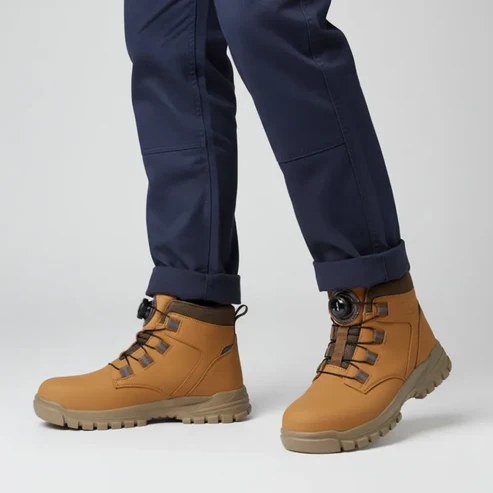
Not all jobs have the same requirements, and selecting the right work wear trousers depends directly on the environment and daily tasks. A study by Safe Work Australia shows that matching workwear to the job reduces injuries from repetitive movements or awkward postures by 40%. This demonstrates that trouser choice must be carefully tailored to each professional activity.
Construction and Heavy-Duty Work
For construction workers, trousers must withstand extreme conditions: dust, debris, heavy tools, and constant friction. Ideal work wear trousers for this sector include:
- reinforced knees and seat,
- highly abrasion-resistant fabrics,
- double stitching to minimize tearing,
- functional pockets for essential tools.
These features allow professionals to work safely for extended periods, reducing fatigue and injury risk. Experienced workers choose trousers that withstand years of heavy use without losing comfort or protection.
Industrial and Warehouse Jobs
In warehouses and light industry, mobility and quick access to tools are critical. Suitable work trousers should offer:
- maximum freedom of movement,
- easily accessible pockets for tools or devices,
- resistance to light friction and tearing,
- breathable materials to limit sweating.
Ergonomic trousers increase efficiency and reduce fatigue, especially in jobs involving frequent movement and regular lifting.
Outdoor and All-Weather Work
For professionals working outdoors, protection against the elements is essential. Appropriate work wear trousers should provide:
- water- and wind-resistant fabrics,
- thermal comfort for seasonal conditions,
- reinforcements in high-wear areas,
- a cut that allows layering with other clothing.
These features ensure workers remain effective and protected regardless of weather conditions while maintaining optimal mobility.
Recommended Work Wear Trousers Trusted by Professionals
For professionals seeking durability, comfort, and performance on the job, these Mason Clothing models are tested and approved by real users. Each product is designed to meet the demands of tough jobs, combining strength, mobility, and practical features.
1. MOTION™ Shield Softshell Jacket
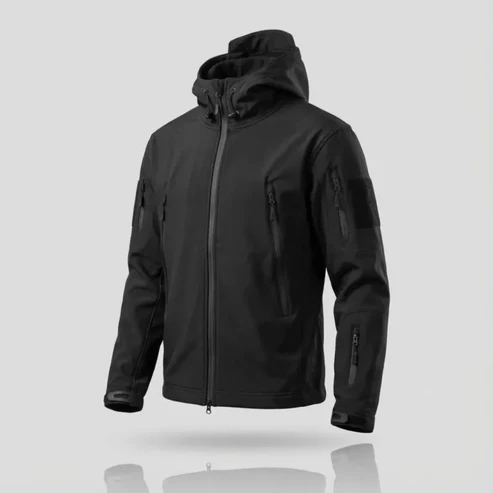
This softshell jacket perfectly complements work wear trousers, offering protection against wind and light rain. Lightweight and flexible, it provides great freedom of movement for all professional activities. Convenient pockets keep essential tools within reach. Perfect for outdoor workers needing comfort and all-day protection.
2. MOTION™ Thermal Work Fleece
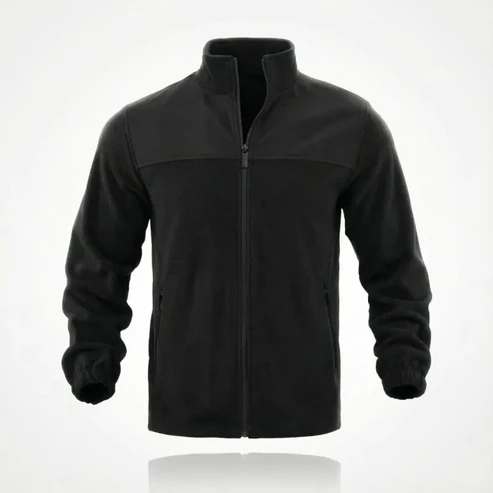
This thermal work fleece is ideal for maintaining body warmth during cold days. Its breathable fabric prevents overheating while staying comfortable during physical tasks. Reinforced seams and ergonomic cut ensure durability and mobility. It’s an excellent complement to Mason trousers and jackets.
3. MOTION™ ProWork Thermo Trousers
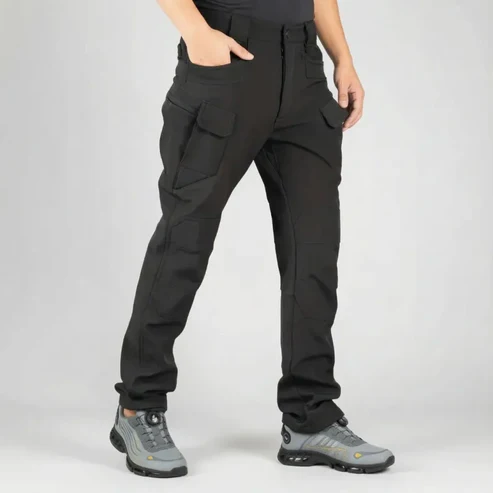
These versatile trousers combine durable fabric and light thermal insulation, perfect for outdoor work in cool conditions. Multiple pockets and reinforced knees make them highly functional for all types of professional tasks. Their ergonomic cut ensures comfort and freedom of movement even during long workdays. They are especially favored by construction and maintenance professionals.
Other Essential Workwear for All Types of Jobs

Beyond work trousers, a complete set of equipment is essential to ensure safety, comfort, and efficiency. According to a survey by the British Safety Industry Federation, over 50% of minor workplace accidents are linked to inadequate or insufficient equipment. Therefore, having the best work wear trousers alone is not enough—complementary clothing and accessories play a crucial role in professional performance and protection.
Safety Footwear and Insoles
Safety shoes and proper insoles are inseparable from high-performing work trousers. They protect against impacts, slips, and uneven surfaces while improving comfort during long hours on your feet or in motion. Ergonomic and cushioned insoles reduce muscle fatigue and joint pain, contributing to overall safety.
Everyday Work Accessories That Improve Performance
Some simple yet effective accessories can transform the professional’s experience:
- Reinforced gloves to protect hands from tools and abrasive materials
- Insulated bottles and tool holders to stay hydrated and organized
- Knee pads and removable protections for kneeling tasks
Used alongside work wear trousers, these items help prevent injuries, improve comfort, and enhance daily efficiency.
How to Maintain Your Work Wear Trousers and Extend Their Lifespan

Proper care of work wear trousers is essential to maintain their durability, comfort, and protection. According to a study by Textile Exchange, improper maintenance can reduce the lifespan of technical garments by up to 30%, leading to frequent replacements and additional costs. Following the right practices not only extends the life of your trousers but also optimizes safety and daily performance.
Washing and Drying
- Wash your trousers at moderate temperature with a mild detergent.
- Avoid fabric softeners that may alter the properties of technical fabrics.
- Prefer air drying over tumble drying to preserve fibers and reinforcements.
Protecting Reinforcements and Seams
- Regularly check knees, seat, and pockets for early wear.
- Repair small tears immediately to prevent them from spreading.
- Store trousers flat or hung to avoid deforming seams and stretch panels.
Proper Usage
- Wear your work wear trousers only for professional activities to limit unnecessary wear.
- Avoid excessive friction against abrasive surfaces when not needed.
- Rotate with other trousers if possible to extend their life cycle.
Following these practices ensures that your work trousers remain effective, comfortable, and safe for several years while protecting your investment.
Maximize Comfort and Safety with Your Work Wear Trousers
Choosing the right work wear trousers is much more than a matter of style or price: it is an investment in safety, comfort, and daily performance. Professionals who prioritize durable, ergonomic trousers with practical features experience a significant reduction in fatigue and injuries, as confirmed by data from OSHA and Textile Exchange.
Whether in construction, logistics, outdoor work, or industrial jobs, high-quality work wear trousers, like those offered by Mason Clothing, provide an optimal balance of durability, mobility, and protection. Combined with appropriate accessories and clothing (jackets, shoes, gloves), they form a complete set designed to maximize each professional’s safety and performance.
Investing in reliable work trousers, maintained correctly, ensures daily comfort and protection while reducing costs from frequent replacements and work interruptions.
FAQ – Work Wear Trousers
Here are the most frequently asked questions by professionals and users of work wear trousers, with answers based on field data and reliable studies.
Which materials provide the best durability for work trousers?
The most durable work wear trousers use reinforced fabrics such as heavy poly-cotton or canvas, often combined with reinforced knees and seat. According to a Textile Exchange study, these materials can extend lifespan by up to 50% compared to standard trousers. They also allow workers to operate more comfortably and safely on abrasive surfaces or demanding job sites.
How do I choose trousers suited to my job?
The choice depends on activity type and job constraints. For example:
- Construction or heavy maintenance: prioritize trousers with reinforcements and durable fabric.
- Warehouse or logistics work: choose an ergonomic fit with functional pockets.
- Outdoor work: select weather-resistant trousers with thermal insulation if needed.
Professionals always recommend testing mobility and comfort before purchase, as trousers that are too rigid or poorly fitted can reduce performance and increase fatigue.
How often should I replace my work wear trousers?
Replacement frequency depends on usage, maintenance, and working conditions. On average, a quality pair can last 2 to 3 years under heavy use. Replacement is advised when significant tears, worn reinforcements, or loss of comfort appear, to maintain safety and performance.
