
If you work in a warehouse, you already know one thing: your feet take the hit every single day. Long shifts, hard concrete floors, constant movement, heavy lifting… It's a combination that often leads to foot pain, fatigue, and even long-term injuries. What starts as a slight discomfort can quickly turn into burning soles, aching heels, or lower back pain by the end of your shift.
The truth is simple: not all work shoes are built for warehouse conditions. Wearing the wrong pair doesn’t just affect your comfort — it can impact your productivity, your posture, and even your safety on the job. That’s why choosing the best work shoes isn’t a luxury. It’s a necessity. In this 2026 guide, you’ll discover:
Whether you’re walking miles inside a facility or standing for hours in one spot, the right footwear can make a massive difference from day one.

Warehouse work is physically demanding — not just on your muscles, but especially on your feet. Unlike standard office or retail jobs, warehouse environments expose your body to continuous stress and impact throughout the day. And without the right footwear, that stress builds up fast.
First, there’s the issue of long hours on hard surfaces. Most warehouses have concrete floors, which offer zero natural shock absorption. Over time, this leads to foot fatigue, heel pain, and even joint discomfort. Then comes the constant movement: walking back and forth, lifting, turning, climbing. In fact, regular shoes simply aren’t designed to handle that level of repetitive strain. Furthermore, warehouse workers are often exposed to:
Without proper protection like reinforced toes or slip-resistant soles, the risk of injury increases significantly. Cheap or non-specialized shoes wear out quickly under warehouse conditions, losing their support and putting even more pressure on your feet. That’s why investing in specialized work shoes is essential. They are specifically designed to combine:
In short, the right pair doesn’t just protect your feet — it helps you perform better every single day.

If you’ve been working in a warehouse for a while, chances are you’ve already felt it — that persistent discomfort that builds up throughout the day. What many workers ignore at first can quickly turn into real physical issues if not addressed properly. Here are the most common foot problems caused by long hours, hard floors, and inadequate footwear.
This is the most immediate and widespread issue. After several hours on concrete floors, your feet start to feel heavy, sore, and overworked. Without proper cushioning and support, every step adds pressure instead of absorbing it. By the end of the day, even simple movements can become uncomfortable.
One of the most frequent conditions among warehouse workers. It causes a sharp pain under the heel, especially in the morning or after long periods of standing. This happens when the plantar fascia (a ligament under your foot) becomes inflamed due to repeated stress. Without the right shoes, this condition can worsen quickly.
Foot problems rarely stay isolated. When your feet lack proper support, your entire posture is affected. This leads to misalignment, which puts extra strain on your knees and lower back. In many cases, back pain actually starts… from the feet.
Standing or walking all day can also affect blood flow. You may notice:
This is often made worse by tight or poorly designed footwear.
The key takeaway is simple: most of these problems are not caused by the job itself — but by wearing the wrong shoes for the job. The good news? With the right footwear (and a few smart adjustments), you can significantly reduce — or even prevent — these issues.
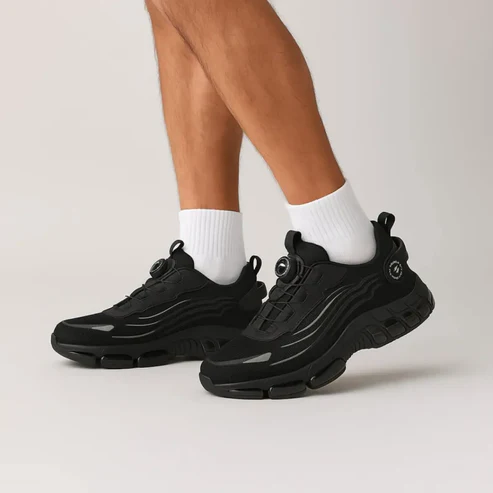
Not all work shoes are created equal — especially when it comes to demanding environments like warehouses. If you're searching for the best work shoes, you need to look beyond basic design and focus on features that directly impact your comfort, safety, and performance throughout the day. Here are the key criteria that define high-quality work shoes for warehouse workers.
One of the most important factors when choosing the best shoes for standing all day. Warehouse floors are usually made of concrete, which creates constant impact on your feet. Without proper cushioning, this pressure travels up to your knees and back. Good work shoes should absorb shock and reduce fatigue from the first hour to the last.
Lack of arch support is a major cause of foot pain. Whether you have flat feet or high arches, your shoes must provide proper alignment to prevent strain. This is essential for reducing issues like plantar fasciitis and long-term discomfort. The best work shoes offer built-in support that adapts to your foot shape.
Protection is non-negotiable in many warehouse roles. The best work shoes for warehouse workers often include:
These features protect your feet from falling objects and heavy equipment.
Long shifts mean heat and sweat. Shoes that don’t breathe properly can cause discomfort, odors, and even skin issues. Look for materials that allow airflow to keep your feet dry and comfortable all day.
Warehouse work is tough — your shoes should be tougher. Low-quality footwear breaks down quickly, losing support and protection. Investing in durable work shoes ensures long-term performance and better value.

Now that you know what to look for, let’s get to the point: what are the best work shoes for warehouse workers in 2026? The answer depends mainly on your work environment, your daily movement, and the level of protection you need. In most cases, warehouse workers fall into two categories:
Here are the two best options to consider.

If your job involves a lot of walking, fast movement, and long hours on your feet, safety trainers are often the best choice. These are among the most popular comfortable safety shoes for modern warehouse workers.
Why do they work so well?
They combine the feel of athletic sneakers with essential safety features. This means you get:
Perfect for: pickers, packers, logistics operators and fast-paced warehouse roles. If you're looking for work shoes for standing all day without sacrificing comfort, this is your go-to option.
👉 Check out our full collection of safety toe tennis shoes.
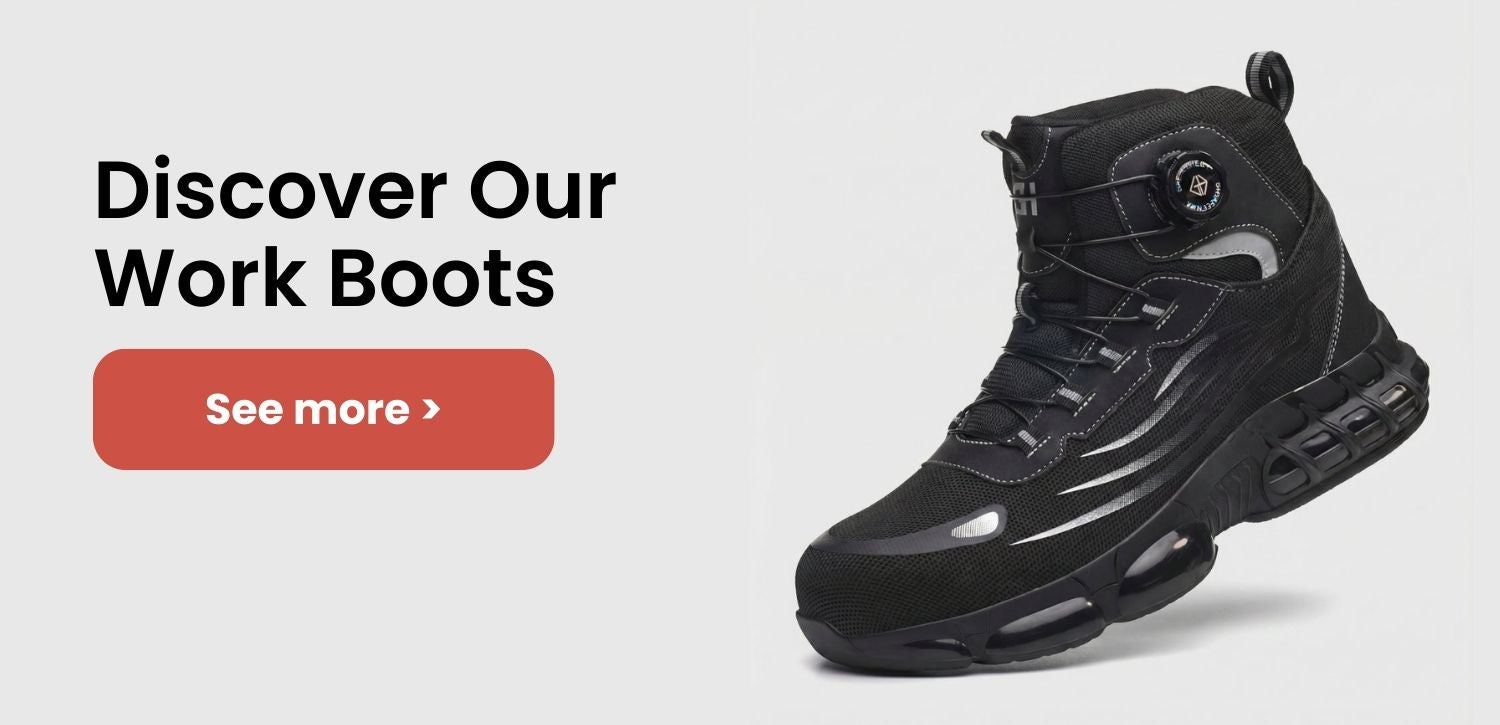
For tougher environments, work boots remain a top choice. These are designed for workers exposed to higher risks, heavier loads, or rougher conditions. They are ideal if safety and durability are your top priorities.
What makes them different:
Perfect for: heavy-duty warehouse roles, construction-related storage, loading and unloading zones. If your job requires warehouse safety footwear that can handle serious impact, work boots are often the best investment.
👉Check out our full collection of work boots now.
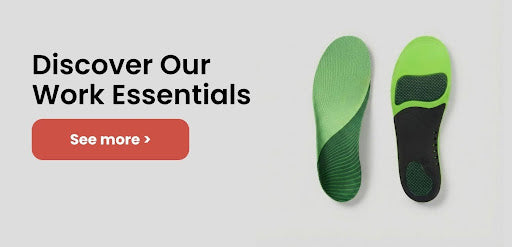
Even the best work shoes can only do so much on their own. If you’re still experiencing discomfort after long shifts, the problem might not be your shoes — but what’s inside them. That’s where insoles make a real difference.
Warehouse work puts constant pressure on your feet. Over time, this leads to:
Even high-quality work shoes for warehouse workers may not fully adapt to your unique foot shape. Just adding high-quality insoles to your current warehouse safety footwear can significantly improve comfort and reduce pain.
Even with the best work shoes and quality insoles, warehouse work can still challenge your feet. Here are some expert-backed strategies to keep pain and fatigue under control.
Switching between shoes with different support levels can reduce strain on your feet.
This prevents overuse injuries and keeps your feet fresh throughout the week.
Simple stretches before, during, and after your shift can help reduce soreness. Focus on:
Strengthening your feet improves circulation and prevents plantar fasciitis.
Even 5 minutes of walking or light movement every couple of hours helps:
Especially important if you spend long hours standing in one place.
Proper lacing ensures your shoes support your feet where it matters most. Tips:
A well-laced shoe enhances comfort all day long.
Even the best work shoes lose cushioning and support over time.
Staying proactive prevents most common foot problems before they start.
Spending long hours on concrete floors doesn’t have to mean constant foot pain or fatigue. The right work shoes are more than just protection — they are a foundation for your comfort, posture, and overall performance. By investing in high-quality safety trainers or work boots, and pairing them with supportive insoles, you can transform your daily experience from exhausting to manageable. Small adjustments make a big difference, such as:
Warehouse work is demanding, but the discomfort doesn’t have to be. With the best work shoes for your needs, you’ll notice benefits like:
Your feet carry you through every task — give them the support and protection they deserve, and the benefits will last well beyond the end of your workday.
The best shoes combine cushioning, arch support, and slip resistance. Lightweight safety trainers are great for mobility, while work boots offer maximum protection.
Yes — if you choose shoes with proper cushioning and support. Adding insoles can further improve comfort for long hours on hard floors.
It depends on your tasks:
Many workers rotate between both depending on the shift.

I was having trouble with my feet being soaked by the end of the day, and let me you, that is a thing of the past. They have withheld the 100° test this week, magnificently. Thank you so much!

I love my new work socks. I got the original black crew socks. They got a good grip and work as advertised and they almost go up to my knees and stay up without sliding down. I do alot of walking and Mason socks help alot.

I was skeptical as to whether these socks would actually work as well as advertised. We've had real feel over 110° this past week. My feet have stayed so dry I've since thrown away all of my other socks.

I bought 4 pair for a friend. He LOVES them. He wears metal toe boots in East Texas heat. His feet don't hurt anymore after a 14-hour day and his feet stay dry. He thanks me every day!

Great socks. Only had them for 1 week and it's my favorite socks. Doesn't make my feet sweat and it doesn't stink at the end of a long work day. I am a delivery truck driver, walking every day.

I have bad neuropathy, and am on my feet 8 hrs a day in boots, these socks are the best support I've found yet. Please post this so people with the same issue will purchase these. I will be buying more.

I wore a pair Tuesday, July 14th. It was an 8hr workday plus a 90min ride on my motorcycle each way. When I got home they weren't damp with sweat, nor was it uncomfortable wearing them all day.

Most comfortable sock I've worn. After 10 years of tree lopping and a further 10 years in construction, my feet have earnt their keep and deserve the best. Mason Tradesman are the best so far.

So far these do not overheat my feet, and made do be very durable. The extra cushions to the socks are a great perk and helps with more comfort wearing safety toe shoes.