
Working in a warehouse is physically demanding, fast-paced, and often underestimated. Behind every smooth operation is a worker walking miles each day, lifting heavy loads, and repeating the same movements for hours — sometimes under intense productivity pressure, especially in high-performance environments like large distribution centers. Over time, this constant strain takes a toll. Foot pain, joint fatigue, back discomfort, and repetitive stress injuries are not exceptions — they’re part of the daily reality for many warehouse workers. And in most cases, these issues don’t come from a single accident, but from poor equipment, inadequate support, and long-term exposure to physical stress.
This is where the right warehouse worker safety gear makes a real difference. Not just for protection, but for endurance, comfort, and long-term health. In this guide, you’ll learn how to identify workplace risks, understand the most common injuries, and most importantly, choose the right gear — from safety shoes to insoles and workwear — to stay protected and perform at your best every day.

Warehouse environments are built for efficiency — not comfort. Every process is designed to maximize speed and productivity, often at the expense of physical well-being. For workers on the ground, this means constant exposure to multiple risks throughout the day. Some hazards are obvious, others are more subtle but just as damaging over time. The most common risks in warehouse work include:
What makes these risks particularly dangerous is not just their intensity, but their constant repetition throughout the day. Over time, even minor stress can turn into chronic pain or injury. Understanding these risks is essential — because the right warehouse worker safety gear is designed to reduce their impact and protect your body where it matters most.

Warehouse risks don’t stay theoretical — they translate into very real, very common injuries that affect workers on a daily basis. And unlike sudden accidents, many of these issues develop gradually, making them even harder to detect and prevent early. The most frequent injuries among warehouse workers include:
What’s important to understand is why these injuries happen. In most cases, it’s not just the task itself — it’s the combination of repetition, inadequate support, and insufficient recovery. For example, without proper cushioning and support, every step on a hard floor sends shockwaves through your body. Multiply that by thousands of steps per day, and it’s easy to see how pain and injuries develop.
This is why prevention is critical. And in warehouse environments, prevention starts with choosing the right warehouse worker safety gear — designed to absorb impact, support your body, and reduce long-term strain.

In warehouse environments, safety gear is often seen as a basic requirement — something you wear because you have to. But in reality, the right equipment goes far beyond compliance. It directly impacts how your body handles the demands of the job, hour after hour, day after day. Without proper gear, every movement becomes more demanding. Each step on a hard floor creates impact. Every load handled adds strain. Over time, this constant stress builds up, leading to fatigue, discomfort, and eventually injury.
The key insight is simple: warehouse worker safety gear is not just about protection — it’s about endurance. It allows you to handle repetitive tasks, long hours, and physically demanding conditions without breaking down over time. Investing in the right equipment isn’t just a comfort upgrade. It’s a long-term decision that affects your health, your performance, and your ability to keep going day after day.

Not all injuries happen suddenly. In warehouse work, some of the most damaging effects are the ones you don’t notice right away. Doing the same movements again and again — walking, lifting, turning, scanning — may feel manageable at first. But over the course of a full shift, and even more over weeks or months, this repetition creates continuous stress on the body.
This is what makes repetition so dangerous: it’s silent, gradual, and cumulative. A small lack of support in your shoes. Slight discomfort in your lower back. Mild fatigue in your legs. At first, it feels manageable. But over time, it compounds into chronic pain, reduced mobility, and even long-term injury.
That’s why prevention is not optional — it’s essential from day one. And this is exactly where the right warehouse worker safety gear plays a crucial role. By reducing impact, supporting your posture, and improving comfort, it helps limit the accumulation of stress your body experiences every single day.
All these challenges — physical strain, repetitive stress, and high work pace — have one thing in common: they put your body under constant pressure. The difference between ending your shift exhausted and in pain, or staying comfortable and consistent, often comes down to one factor: the gear you rely on every day.
Because in warehouse work, you can’t eliminate the risks — but you can control how your body responds to them. This is exactly where the right warehouse worker safety gear makes a real difference.
Choosing the right equipment isn’t just about meeting basic safety standards. It’s about selecting gear that actively reduces fatigue, improves comfort, and protects your body throughout long, demanding shifts. Here are the three essential categories every warehouse worker should focus on:
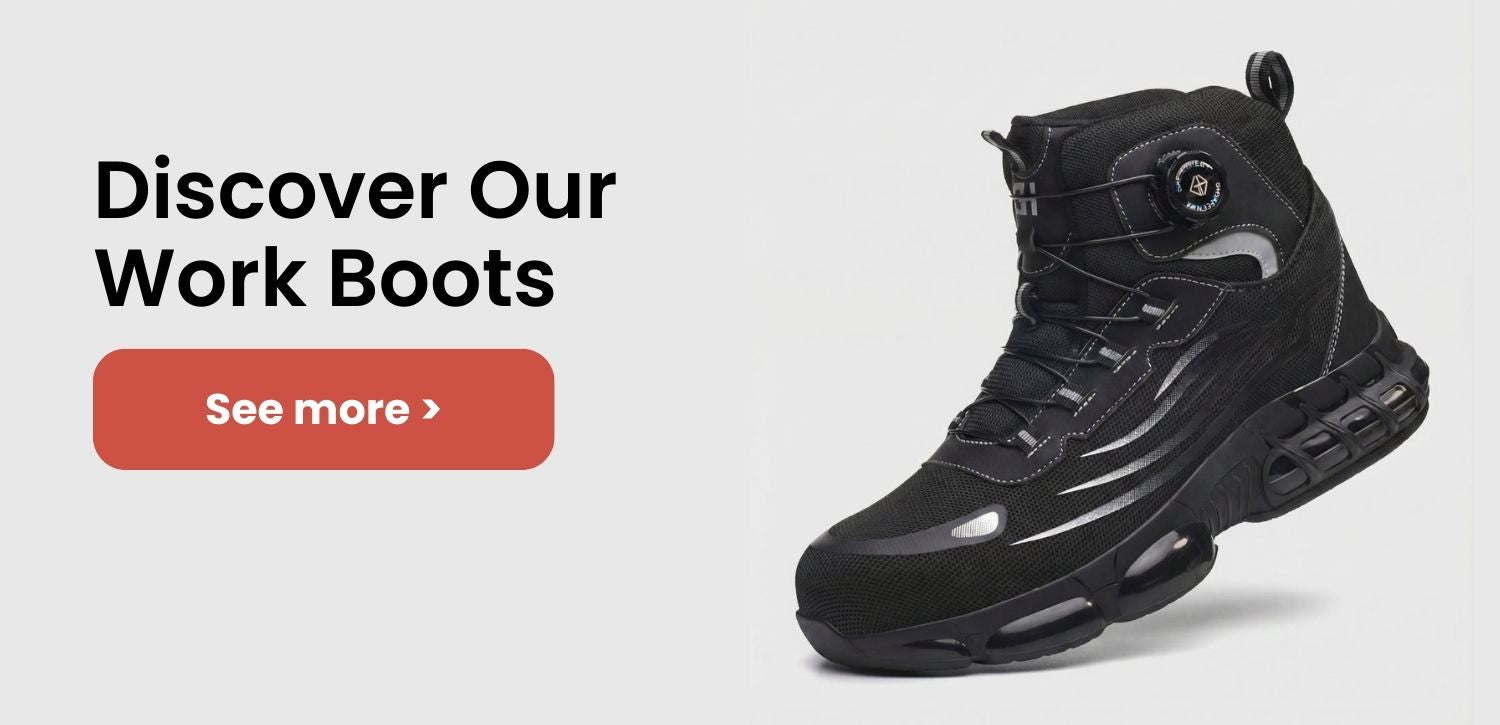
Your feet are the most exposed and most used part of your body in a warehouse. Every step, every movement, every load you carry depends on proper support. The right safety shoes are not just about protection — they are the foundation of your comfort and performance.
What to look for:
Without proper footwear, every step increases fatigue and stress on your joints. With the right pair, you gain stability, comfort, and long-term protection.
👉 Explore Mason Safety Shoes.
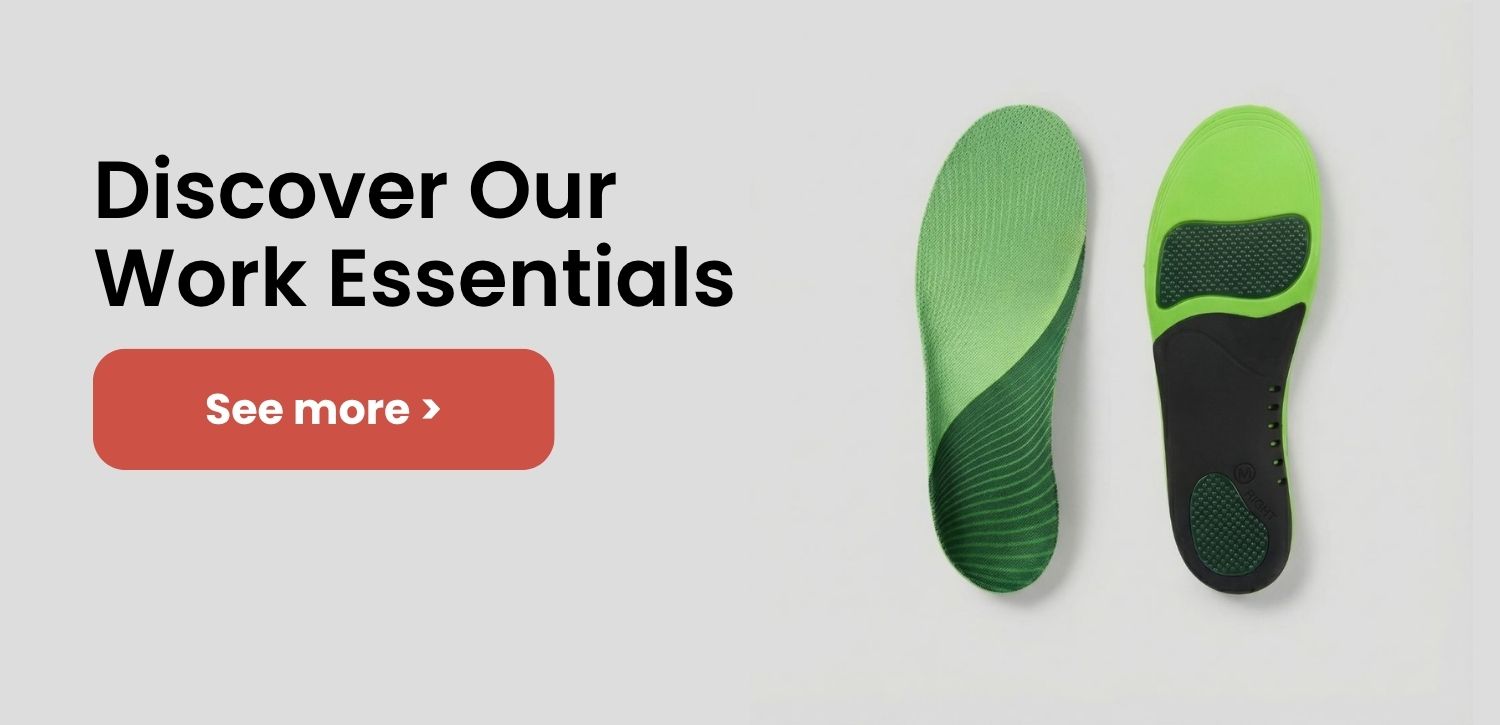
While safety shoes provide protection, insoles are what truly transform comfort and reduce fatigue during long shifts. Yet, they are often overlooked. In reality, the right insoles can make a massive difference in how your body absorbs impact and handles hours of walking and standing on hard surfaces.
Why insoles matter so much:
For warehouse workers walking thousands of steps per day, this added layer of support is not a luxury — it’s a necessity. Over time, using proper insoles can significantly reduce foot pain, improve posture, and help prevent long-term injuries caused by repetitive impact.
👉 Explore Mason Insoles.
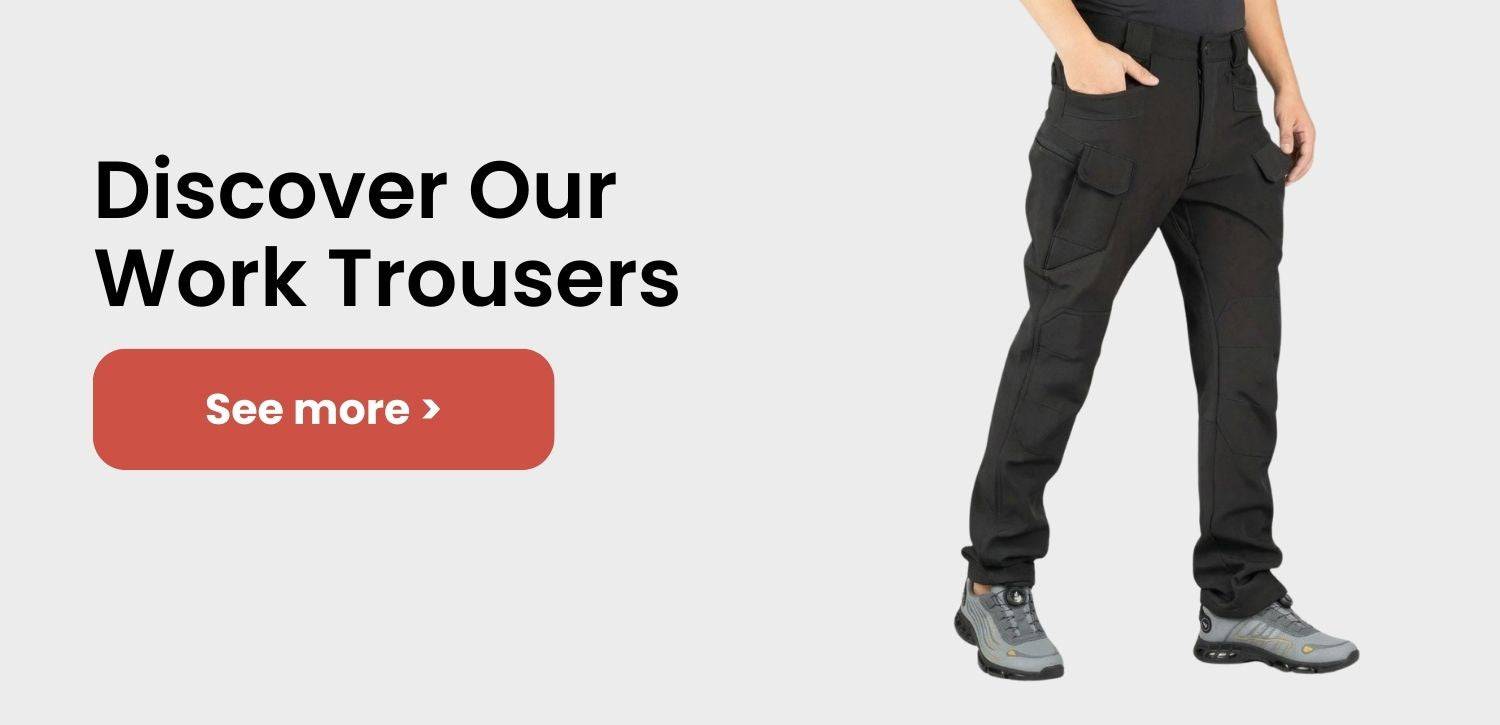
In a warehouse, what you wear directly affects how you move, how you feel, and how long you can maintain your performance. Workwear is often underestimated, yet it plays a key role in reducing discomfort and supporting your body throughout the day. Unlike regular clothing, warehouse workwear is designed to handle constant movement, friction, and long hours without restricting mobility.
What to look for in workwear:
Wearing the right workwear helps you stay focused on your tasks instead of adjusting your clothes or dealing with discomfort. It also reduces friction and unnecessary strain caused by poor fit or low-quality materials. In high-paced environments, even small improvements in comfort can have a major impact on your energy and productivity over time.
👉 Explore Mason Workwear.
Beyond choosing the right equipment, daily habits and small adjustments can significantly improve comfort, reduce fatigue, and lower the risk of injury in warehouse environments. These are practical insights based on real working conditions — not theory.
Improving comfort, posture, and equipment consistency is one of the most effective ways to maintain performance and protect your body in the long run.
Warehouse work is physically demanding, repetitive, and often underestimated. Over time, long hours on hard floors, constant movement, and heavy loads can lead to fatigue, pain, and long-term injuries. The right equipment is not just a comfort upgrade — it is essential for protecting your body and maintaining performance throughout every shift.
By choosing proper safety shoes, supportive insoles, and durable workwear, you reduce daily strain, improve stability, and help prevent common warehouse injuries. Small improvements in your gear can make a significant difference in how you feel at the end of the day and how your body performs over time.
Don’t wait for discomfort to become a problem. Upgrade your warehouse worker safety gear and take control of your working conditions.
This section answers the most common questions warehouse workers have about safety, comfort, and choosing the right equipment.
The most essential warehouse worker safety gear includes safety shoes with slip-resistant soles, shock-absorbing insoles, and durable workwear designed for long hours of movement. The goal is not only protection, but also reducing fatigue and preventing long-term injuries.
Safety gear helps protect workers from common risks such as heavy objects, slippery floors, and repetitive strain. More importantly, it reduces physical fatigue caused by long shifts, hard surfaces, and constant movement.
Foot pain can often be reduced by wearing properly fitted safety shoes with good cushioning and adding supportive insoles. These help absorb impact from walking on hard concrete floors throughout the day.
Yes. Insoles improve shock absorption, support foot alignment, and reduce pressure on joints. For workers who walk thousands of steps per shift, they can significantly reduce fatigue and discomfort.

I was having trouble with my feet being soaked by the end of the day, and let me you, that is a thing of the past. They have withheld the 100° test this week, magnificently. Thank you so much!

I love my new work socks. I got the original black crew socks. They got a good grip and work as advertised and they almost go up to my knees and stay up without sliding down. I do alot of walking and Mason socks help alot.

I was skeptical as to whether these socks would actually work as well as advertised. We've had real feel over 110° this past week. My feet have stayed so dry I've since thrown away all of my other socks.

I bought 4 pair for a friend. He LOVES them. He wears metal toe boots in East Texas heat. His feet don't hurt anymore after a 14-hour day and his feet stay dry. He thanks me every day!

Great socks. Only had them for 1 week and it's my favorite socks. Doesn't make my feet sweat and it doesn't stink at the end of a long work day. I am a delivery truck driver, walking every day.

I have bad neuropathy, and am on my feet 8 hrs a day in boots, these socks are the best support I've found yet. Please post this so people with the same issue will purchase these. I will be buying more.

I wore a pair Tuesday, July 14th. It was an 8hr workday plus a 90min ride on my motorcycle each way. When I got home they weren't damp with sweat, nor was it uncomfortable wearing them all day.

Most comfortable sock I've worn. After 10 years of tree lopping and a further 10 years in construction, my feet have earnt their keep and deserve the best. Mason Tradesman are the best so far.

So far these do not overheat my feet, and made do be very durable. The extra cushions to the socks are a great perk and helps with more comfort wearing safety toe shoes.