


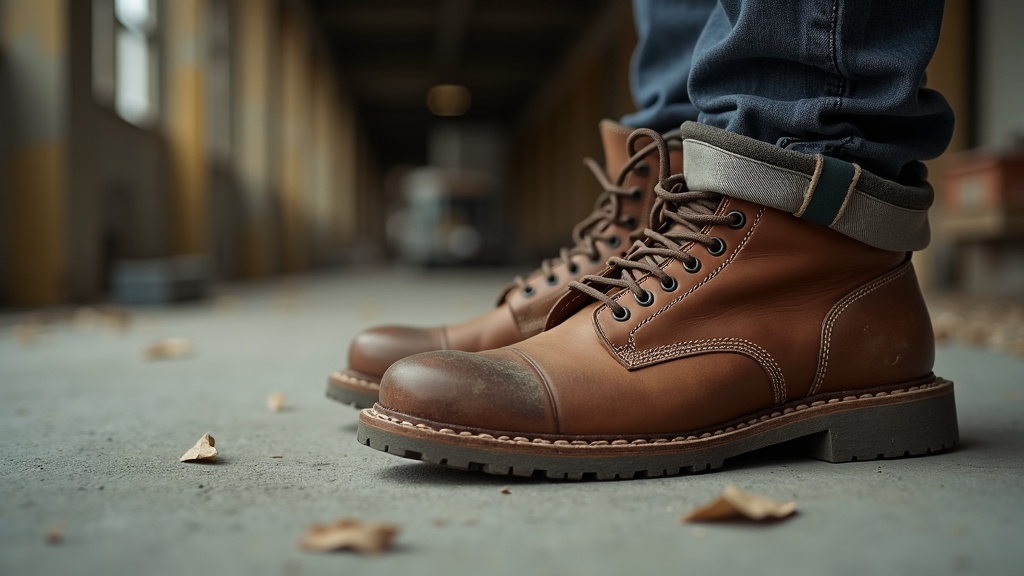
You feel it around hour four. That burning, aching pressure right under the ball of your foot, like you're stepping on a marble that won't go away. By the end of a ten-hour shift, it's all you can think about.
That's metatarsalgia. And the wrong boots make it significantly worse. The right ones, with the right setup inside, can get you through a full shift without grinding you down.
Key points at a glance
- Metatarsalgia is inflammation of the metatarsal heads, the bones just behind your toes, and it worsens fast on hard surfaces.
- Most standard work boots have flat, rigid midsoles that concentrate pressure exactly where it hurts most.
- A wide toe box, cushioned midsole, and proper metatarsal pad placement are the three things that actually move the needle.
- A quality aftermarket insole can turn a decent boot into a boot that genuinely helps.
- Rocker-sole geometry reduces forefoot load by up to 50% compared to flat-soled boots.
- Persistent ball-of-foot pain lasting more than 6 weeks warrants a podiatrist visit, full stop.
What a good setup gives you
What Metatarsalgia Actually Feels Like on a Long Shift
It starts as a dull ache, sometimes a burning sensation, right in the pad of your foot just behind the toes. On concrete or asphalt, it sharpens quickly.
Some people describe it as a pebble stuck inside the boot. Others feel a hot, stabbing pain on the toe-off phase of every step. By the end of a shift, the pain can radiate into the toes themselves.
Metatarsalgia is not one injury, it's inflammation of the metatarsal heads caused by repeated overloading. That overloading gets worse when your boot doesn't share the burden.
Why Most Work Boots Make Ball-of-Foot Pain Worse
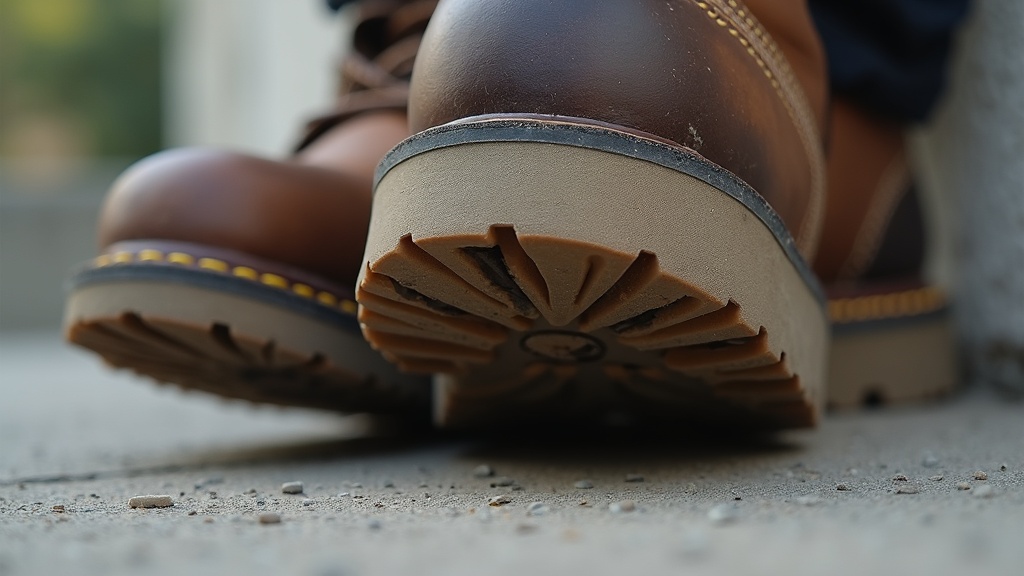
Standard work boots are built for durability and safety ratings, not forefoot biomechanics. The midsole is often a single slab of compressed EVA or rubber that flattens out within a few months.
Once that cushioning is gone, every step transfers full impact directly through your metatarsal heads. Add a narrow toe box that squeezes the forefoot, and you've got a recipe for chronic pain.
Steel-toe and composite-toe caps can also push back against the toes in the wrong boot, compressing the foot and increasing pressure on the ball. Fit matters as much as the cap material.
Can a Boot Actually Help With Metatarsalgia? What to Look For
Yes, but only if it has the right geometry. Here's what you need:
- Wide toe box: Lets the metatarsals spread out instead of being pinched together.
- Cushioned, multi-density midsole: Absorbs impact before it reaches the forefoot. Look for polyurethane or dual-density EVA.
- Metatarsal pad or built-in met guard: Positions behind the met heads to offload pressure. Not the same as a safety met guard, which protects the top of the foot from impacts.
- Rocker sole geometry: A curved sole that rolls the foot forward without requiring full toe-off. Dramatically reduces forefoot loading.
- Removable footbed: So you can swap in a better insole if needed.
Did you know?
A rocker sole can reduce peak forefoot plantar pressure by up to 50% compared to a flat-soled shoe, according to research published in the Journal of Foot and Ankle Research. That's not a small difference when you're logging 10 miles of steps per shift.
How to Tell If a Boot Has Real Metatarsal Protection vs. Marketing
A lot of boots claim to be "comfort-focused" or "ergonomic." Most of that is packaging. Here's how to cut through it.
Check the midsole thickness
Flip the boot over. Look at the midsole depth under the forefoot. Less than 15mm is thin. You want to see at least 20mm of actual cushioning material, not just outsole rubber.
Press the forefoot with your thumb
Push hard on the ball-of-foot area from outside the boot. If it barely compresses, it will barely absorb impact. A good midsole gives noticeably under firm pressure.
Check the toe box width in writing
"Wide fit" varies by brand. Look for boots explicitly listed in 2E or 4E width. Brands like Keen, New Balance, and Thorogood actually engineer wider forefoot lasts, not just a looser heel.
Ask about the last shape
A tapered last (common in fashion-forward work boots) crushes the forefoot. A square or anatomical last matches the actual shape of a human foot.
Best Work Boots for Ball-of-Foot Pain: What to Buy and Why
These are the categories and features worth spending money on, based on what podiatrists recommend and what workers with metatarsalgia actually report helps.
| Boot Feature | Why It Matters for Metatarsalgia | What to Look For |
|---|---|---|
| Wide toe box | Reduces lateral compression on met heads | 2E or 4E width; square last |
| Rocker sole | Offloads toe-off pressure by rolling foot forward | Visible curve at forefoot on the outsole |
| Dual-density midsole | Softer forefoot, firmer heel for impact control | PU or dual-density EVA midsole listed in specs |
| Removable footbed | Lets you add a metatarsal insole | Pull the insole out in-store before buying |
| Metatarsal pad built-in | Lifts and offloads the met arch directly | Look for it in the insole, not the external guard |
| Women's-specific last | Women's feet have a different forefoot width ratio | Brands: Keen Utility, Timberland PRO women's line |
Top picks by category: For construction with safety ratings, Thorogood American Heritage and Keen Utility Pittsburgh both offer genuine wide-toe-box builds. For women dealing with metatarsalgia at work, Keen Utility's women's line is built on a last that actually accounts for female forefoot anatomy, not just a downsized men's boot.
Best Insoles for Metatarsalgia in Work Boots: Upgrade What You Already Own
If you already own a decent boot that fits well, a quality insole might be all you need. This is often the faster and cheaper fix.
What makes a metatarsal insole actually work
- The metatarsal pad dome must sit behind the met heads, not under them. Check the placement before you buy.
- Full-length insoles provide more total support than 3/4 length for work boots.
- Semi-rigid arch support holds the foot in proper alignment, reducing the forefoot overloading that causes metatarsalgia in the first place.
Worth the money: Powerstep Pinnacle, Superfeet Green (for high arches), and Spenco Polysorb Cross Training are consistently recommended by podiatrists and workers alike for insoles for metatarsal pain in construction settings. Sof Sole Airr Orthotic is another solid option if you're on a tighter budget.
Did you know?
The average construction worker takes between 8,000 and 12,000 steps per shift on hard surfaces. At that volume, even a 10% reduction in forefoot pressure per step adds up to thousands of pounds of cumulative load relief over a single day.
How to Treat Metatarsalgia While You Keep Working
Most workers can't take time off. Here's what actually helps day-to-day without stopping work entirely.
- Ice the forefoot for 15 minutes after each shift. Not during. Cold reduces inflammation overnight so you're not starting each morning already inflamed.
- Swap your insoles every 6 months. Insoles lose most of their shock absorption well before they look worn out.
- Avoid the cheapest compression socks, and go for graduated compression (15-20 mmHg) to reduce foot swelling during long shifts.
- Stretch the toe flexors and calf before your shift. Tight calves load the forefoot harder. Two minutes of calf stretching makes a measurable difference.
- If the pain spikes mid-shift, a silicone metatarsal sleeve pad worn under your sock adds a direct cushion layer right where you need it.
How Long Does Metatarsalgia Take to Heal (and When to See a Doctor)
With the right boots and load management, mild metatarsalgia often improves within 4 to 8 weeks. Moderate cases can take 3 to 6 months.
See a podiatrist or orthopedic doctor if:
- Pain has persisted more than 6 weeks with no improvement
- You feel numbness or tingling between your toes (possible Morton's neuroma)
- One toe starts drifting or overlapping others
- Pain is sharp and localized to one specific met head rather than spread across the forefoot
Custom orthotics from a podiatrist are significantly more precise than off-the-shelf insoles and are worth the investment if you've had this pain for more than three months.
What Your Feet Need to Make It Through the Full Shift
Three things get you through the day: pressure off the met heads, room for the forefoot to function normally, and shock absorption that hasn't been compressed flat.
Start with fit. A boot that's the right length but too narrow in the forefoot is still the wrong boot. Go up a width before you go up a size.
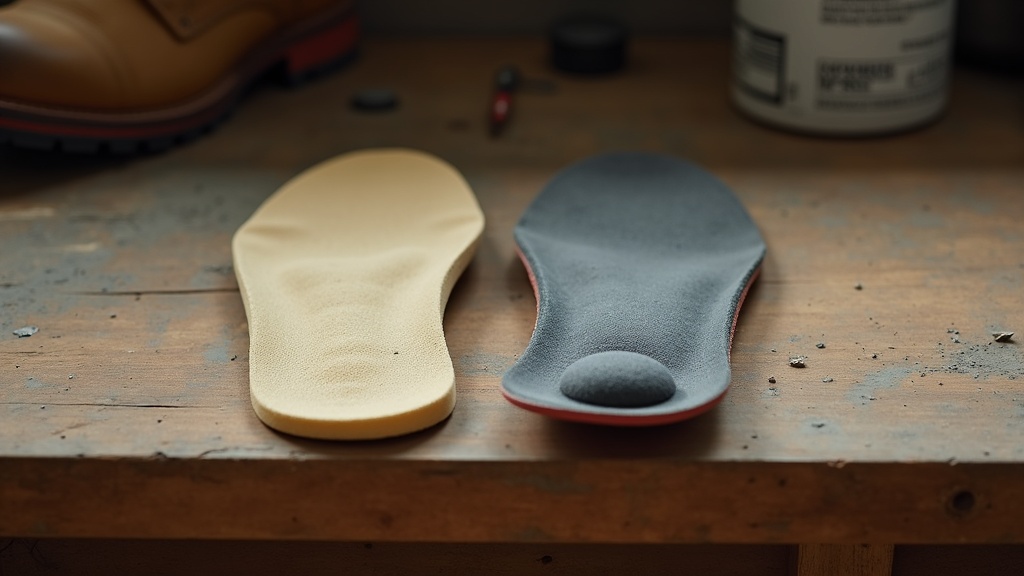
Then address the insole. Pull out the stock footbed and compare it to a real metatarsal insole. If the difference in cushioning is obvious in your hand, it'll be obvious under your foot at hour eight.
Replace your insoles before they feel dead, not after. Set a reminder every six months. It's a $30 to $60 fix that saves you from a much more expensive injury and a much longer recovery.
