


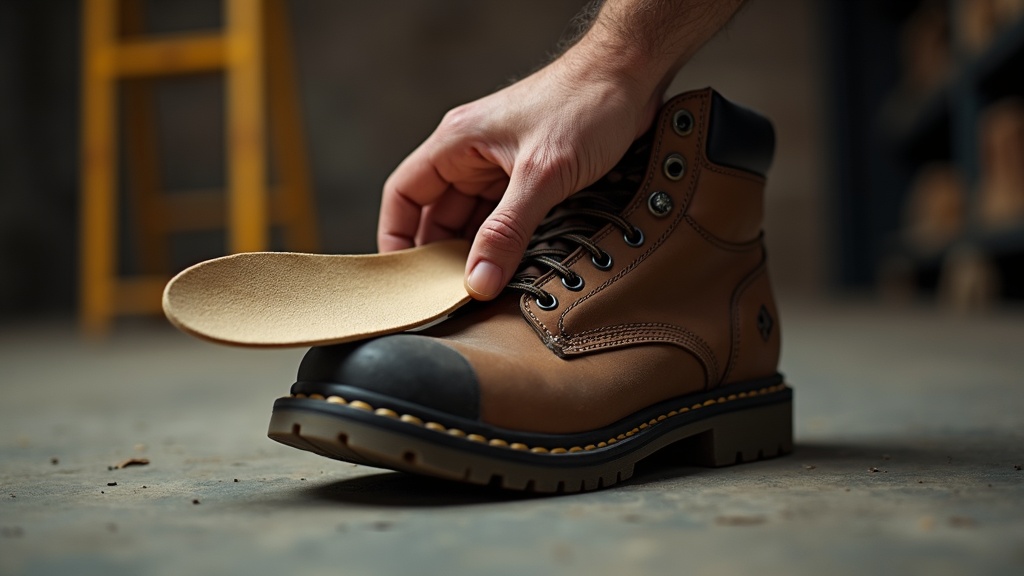
Your boots are rated for the job. Your feet are not. Steel toe boots are built to protect you from falling steel, not to keep your arches happy after ten hours on concrete. That gap is where a good insole earns every penny.
This guide cuts straight to what works: which insoles hold up in real work conditions, which ones are worth the money, and how to pick the right one for your feet and your floor.
Key points at a glance
- Factory insoles in most steel toe boots are thin foam that flattens within weeks.
- The best aftermarket insoles combine a firm arch support base with a cushioned top layer.
- For concrete floors, prioritize shock absorption and heel cupping over pure softness.
- Women's steel toe boots often have a narrower last, so sizing your insole correctly matters more than the brand.
- A quality insole should last 6 to 12 months with daily use before it loses meaningful support.
- Trim-to-fit insoles work fine as long as you cut from the toe end, not the heel.
What a Good Work Boot Insole Does For You
Why Steel Toe Boots Kill Your Feet (And What to Do About It)
The steel cap itself is not the problem. The problem is that manufacturers build boots to a price point, and the first corner they cut is the footbed. Most stock insoles are 3mm of compressed foam that bottoms out before lunch on day two.
Add a flat, hard surface like a warehouse floor or a concrete slab, and your heel is taking a beating every single step. Over months, that adds up to plantar fasciitis, knee pain, and lower back soreness that follows you home.
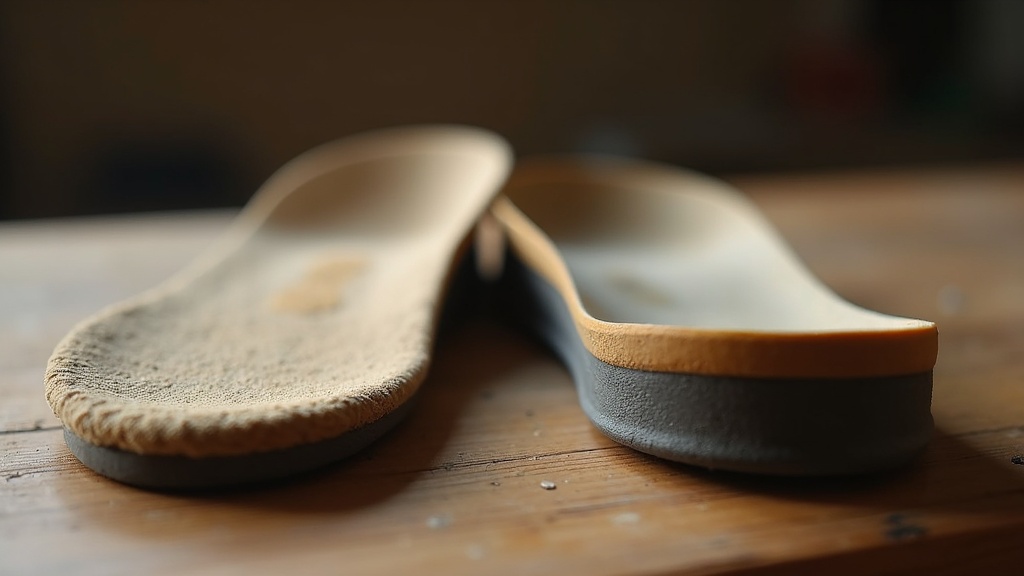
The fix is straightforward: pull the stock insole out and replace it with something built for the job. A $30 to $55 insole is cheap compared to a cortisone shot or a week off your feet.
What to Look For in an Insole for Steel Toe Boots
Not every insole is built for work boots. Gel insoles designed for sneakers are too soft and break down fast under constant load. Here is what actually matters:
- Arch support: A rigid or semi-rigid shell under the arch prevents it from collapsing over a long shift.
- Deep heel cup: Keeps your heel centered and absorbs vertical impact on hard floors.
- Top cover material: Moisture-wicking fabric or open-cell foam keeps sweat from pooling.
- Profile thickness: Steel toe boots have less internal volume than regular boots. A low-to-medium profile insole fits without crushing your toes into the cap.
- Trim-to-fit vs. sized: Sized insoles are more precise. If you go trim-to-fit, cut from the toe end only.
Did you know?
According to the Bureau of Labor Statistics, overexertion and musculoskeletal injuries account for more than 30% of workplace injuries annually. A significant portion trace back to improper foot support on hard floor surfaces over years of daily wear.
The Best Insoles for Steel Toe Boots: Our Top Picks
These are the insoles that actually hold up. No fluff, just what they do well and who they are for.
Superfeet Green
Best overall for high arches. The rigid stabilizer cap is the real value here. It does not compress over time the way foam-only insoles do. Works especially well in leather boots with room to spare.
Timberland PRO Anti-Fatigue Technology Insole
Best for all-day standing. Inverted cone geometry in the heel layer is engineered specifically for hard floor fatigue. The brand makes the boots too, so the sizing is trustworthy.
Sof Sole Airr Orthotic Insole
Best budget option that does not embarrass itself. Air-filled heel pad, reasonable arch support, and wide availability. Replace it every six months.
Powerstep Pinnacle
Best for plantar fasciitis. Podiatrist-designed, firm shell, and a split heel pad that cushions without going mushy. Available in a wide range of sizes, including women's.
Dr. Scholl's Work Insoles
Best for wide feet. Massaging gel ribbing across the full foot, thinner profile than most, fits boots that run narrow in the toe box.
Read also: What Are the Best Work Socks for Sweaty Feet?
| Insole | Best For | Arch Type | Expected Lifespan |
|---|---|---|---|
| Superfeet Green | High arches, all surfaces | High | 12+ months |
| Timberland PRO Anti-Fatigue | Standing all day on concrete | Medium | 8, 12 months |
| Sof Sole Airr Orthotic | Budget buy, general use | Medium | 5, 7 months |
| Powerstep Pinnacle | Plantar fasciitis, women's fit | Medium-High | 10, 12 months |
| Dr. Scholl's Work | Wide feet, low-profile boots | Low-Medium | 5, 6 months |
Best Insoles for Standing All Day on Concrete
Concrete does not give. Every step sends vibration straight up your heel, your knee, and your lower back. Shock absorption here is non-negotiable, not a nice-to-have.
Look for insoles with a dedicated heel strike zone: either a gel insert, an air cushion, or a multi-density foam that is firmer at the base and softer on top. The Timberland PRO Anti-Fatigue insole was designed with exactly this surface in mind and it shows.
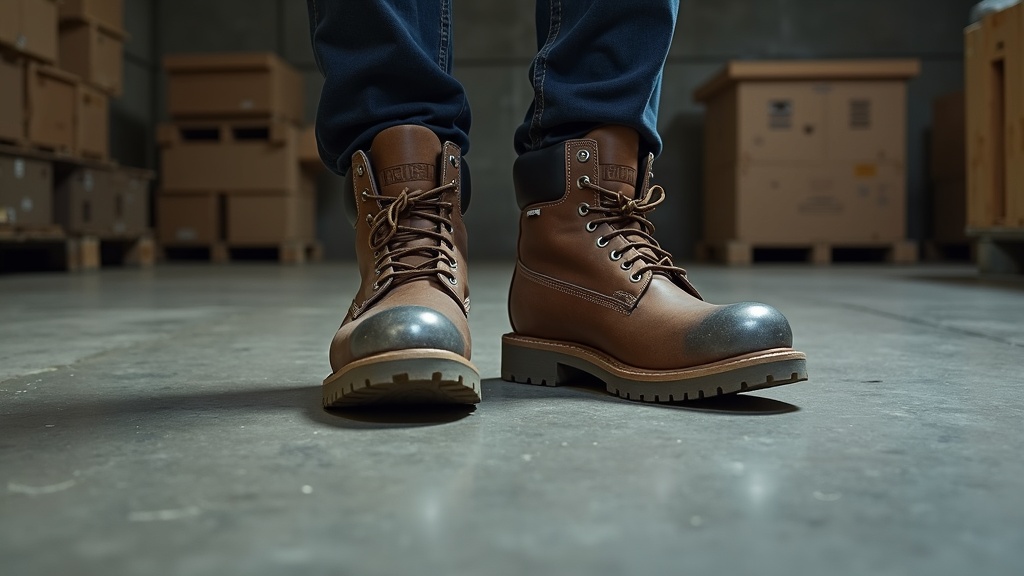
If you have flat feet and work concrete, pair a cushioned top layer with a firm arch shell. Soft-all-the-way-through insoles feel great for the first hour and do nothing after that.
Best Insoles for Steel Toe Boots for Women
Women's steel toe boots often run on a narrower last with a lower volume toe box. That means a standard men's insole will buckle at the sides or crowd your toes against the cap. Fit matters more here than brand loyalty.
The Powerstep Pinnacle comes in women's-specific sizing down to a size 5. Superfeet also makes a Women's Berry version with a slightly lower arch profile that fits narrower boots cleanly. Both are available trim-to-fit if you land between sizes.
One practical check: put the new insole on the floor and stand on it barefoot before you install it. If the arch hits your foot in the wrong place, try the next size down.
Can You Put Any Insole in Steel Toe Boots?
Technically, yes. Practically, not every insole is worth putting in a work boot.
Avoid: gel sport insoles designed for running shoes. They compress under sustained static load and turn into slippery pads by midday. Also avoid insoles thicker than 6mm if your boots already fit snug. Stacking volume in a tight boot pushes your foot up and forward, which drives toes into the steel cap.
The safest move: pull the factory insole out, measure its thickness, and buy an aftermarket insole in the same profile range or slightly thicker if you have room.
Did you know?
The average construction worker takes between 8,000 and 12,000 steps per shift. On concrete, that translates to roughly 1.5 to 2.5 times your body weight of force hitting your heel with every step, according to biomechanics research published in Applied Ergonomics.
How Long Should Work Boot Insoles Last?
A quality insole used five days a week on hard floors should give you six to twelve months of real support. After that, the arch shell can still feel firm but the cushioning layer has compressed beyond usefulness.
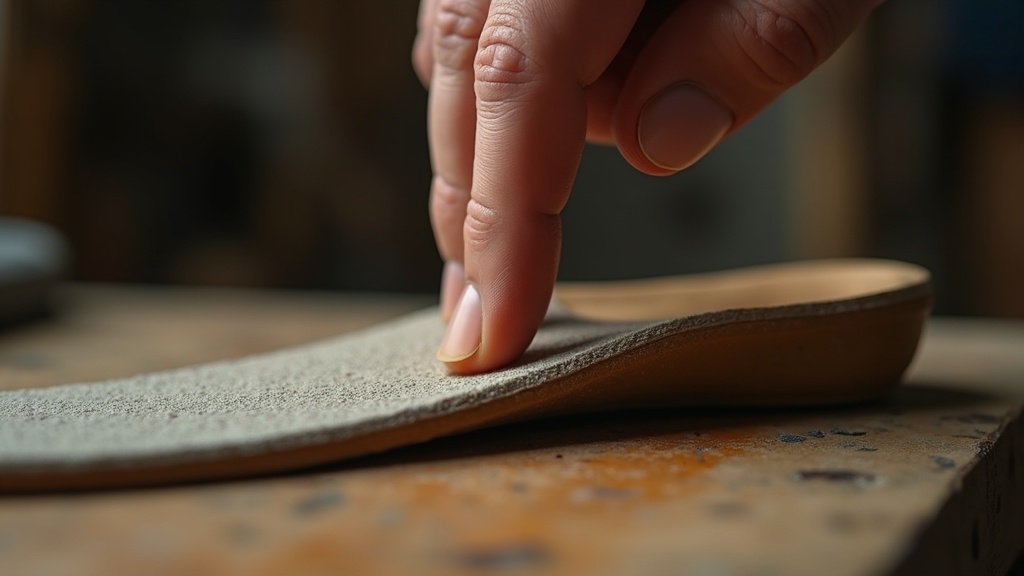
The test: press your thumb into the heel pad. If it bottoms out in under a second and does not spring back, it is done. Also check the arch. If it no longer makes contact with your arch when you stand, the insole is working as flat foam, not as support.
Budget insoles from a gas station or dollar store shelf? Three months, tops. Spend the extra $20 and replace them twice a year instead of every 90 days.
Read also: Best Work Socks for Men: A Rigorous Selection by Experts in 2026
How to Get the Most Out of Your Insoles on the Job
Buying the right insole is step one. Here is how to make it last and work better from day one:
- Rotate between two pairs of boots if possible. Letting insoles dry out between shifts adds weeks to their life.
- Wear the right socks. A medium-weight merino or synthetic crew sock manages moisture and adds micro-cushioning between your foot and the insole surface.
- Break in the insole for two days before judging it. New arch support can feel strange for the first shift or two while your foot adjusts.
- Replace both insoles at the same time, even if one side seems fine. Asymmetric wear changes your gait and puts uneven stress on your knees.
- Air them out every night. Pull the insoles out, let them sit open. Compressed wet foam loses structure faster than anything else.
Your feet carry you through every shift. Treat the insole like a tool, not an afterthought. A worn-out insole that you keep replacing cheaply costs you more in pain and lost productivity than buying right the first time.
