


The best work socks for sweaty feet use a wicking blend such as bamboo-derived fibers, merino wool or synthetics, have mesh ventilation over the top of the foot, and stay snug so wet fabric doesn't rub. Skip cotton, which soaks up sweat and stays wet.
Feet sweat more in work boots than almost anywhere else. This guide covers the sock, the boot and the daily habits that keep feet drier all shift.
In this guide
- Key takeaways
- Why do feet sweat so much in work boots?
- What material is best for sweaty feet?
- Are wool socks good for sweaty feet?
- Thick or thin socks for sweaty feet?
- Sweaty feet in waterproof and steel toe boots
- How to keep feet from sweating in work boots
- Socks for extremely sweaty feet
- Sweaty and smelly feet
- Socks for construction workers with sweaty feet
- How MASON keeps feet drier
- FAQ
Key takeaways
- Sweat is normal. The goal is to move it off your skin, not to stop it.
- Wicking blends keep feet drier than cotton on long shifts in boots.
- Mesh zones over the top of the foot let heat out where feet run hottest.
- Dry boots matter as much as dry socks. Rotate pairs and pull the insoles at night.
- Heavy sweating that never lets up is worth a chat with a doctor.
Why do feet sweat so much in work boots?
Feet sweat so much in work boots because the boot traps heat and moisture around a foot that's working hard all shift. Feet have a lot of sweat glands, and a closed leather or waterproof boot gives the sweat nowhere to go.
The sock decides what happens next. A sock that soaks up sweat keeps your skin damp. Damp skin softens and rubs, which is how blisters and rashes start. One worker described exactly that: blisters and rashes from a cotton-poly work sock, with boots that smelled terrible. Cold weather doesn't fix it either. In MASON's winter customer survey, many people said their feet got sweaty and then went cold.
What material socks are better for sweaty feet?
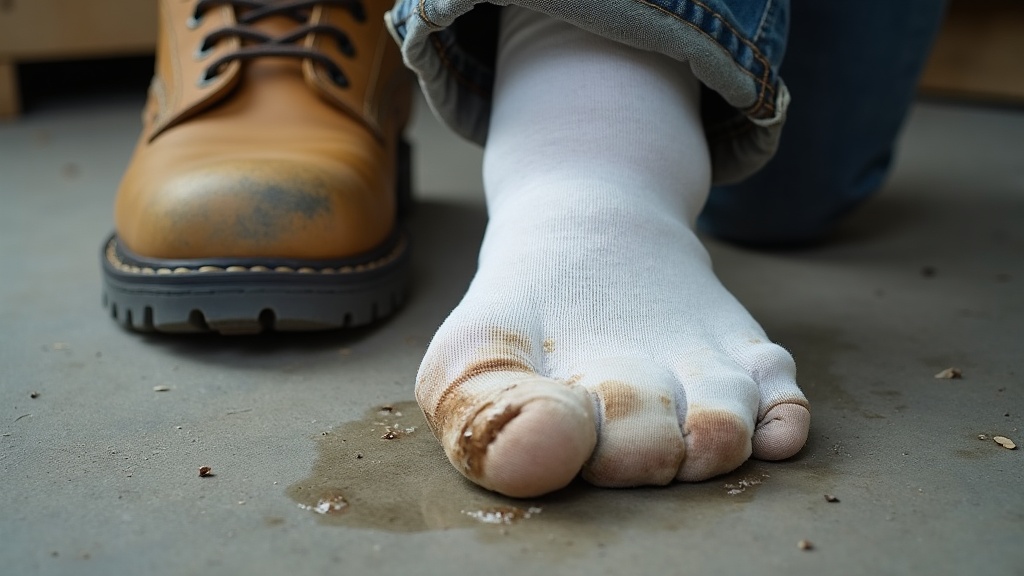
Merino wool, bamboo-derived fibers and synthetics like polyester and nylon are better for sweaty feet than cotton, because they move moisture away from the skin instead of holding it. Blends with some nylon also last longer under boots.
| Fiber | For sweaty feet | Watch out for |
|---|---|---|
| Bamboo-derived blends | Soft, wick sweat | Need nylon for strength |
| Merino wool | Wicks, resists odor | Some people find it warm |
| Polyester and nylon | Dry fast | Can hold odor on their own |
| Cotton | Cheap, soft | Holds sweat and stays wet |
For a deeper look at fibers, read which moisture-wicking material wins.
Are wool socks good for sweaty feet?
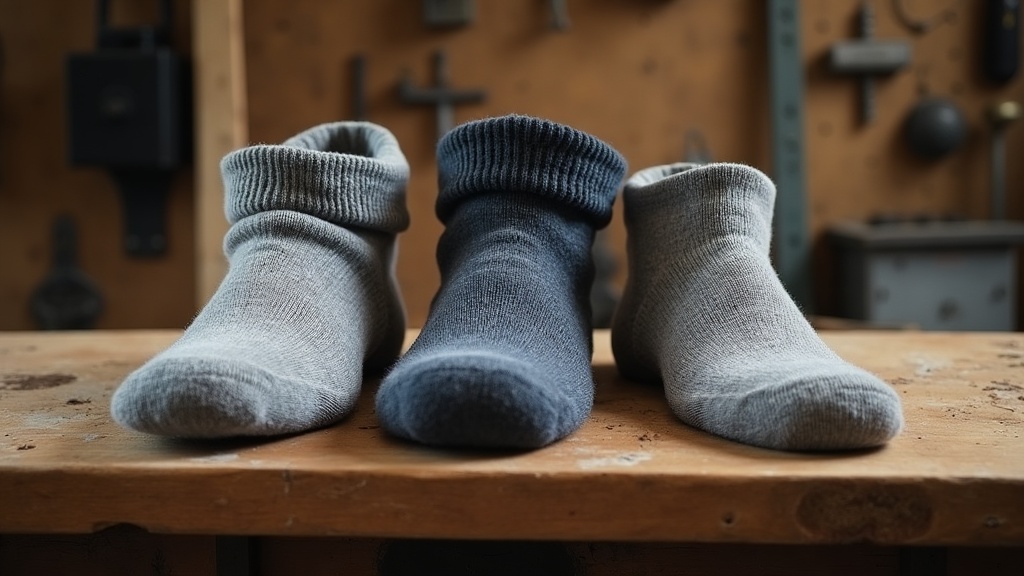
Merino wool socks are good for sweaty feet for many people, because merino wicks sweat and resists odor, but some workers find wool too warm. Merino also needs nylon in the blend to hold up in work boots.
If wool socks leave your feet hotter, try a bamboo or synthetic blend with mesh zones. The guide to merino wool socks for sweaty feet covers wool in more detail.
Should sweaty feet wear thick or thin work socks?
Sweaty feet do best in thin to mid-weight work socks with cushion only under the heel and ball of the foot, because thick fabric all over holds more heat and sweat. You still want padding where your foot hits the ground, especially on concrete.
If your boots are roomy and your job is cold, a heavier sock can work, as long as it wicks. For help picking a cushion level, see the guide to thick cushioned work socks.
What socks work for sweaty feet in waterproof and steel toe boots?
Waterproof boots
Waterproof boots keep water out and sweat in. They're the hardest boots for sweaty feet. Wear a wicking sock, change it mid-shift, and give the boots a full day to dry when you can.
Steel toe boots
Steel toe boots add a hard cap that traps heat at the front of the foot. Pick a sock with some padding over the toes and mesh on top. The guide to the best work socks for steel toe boots covers the fit.
How do you keep your feet from sweating in work boots?
Keeping feet drier in work boots takes wicking socks, a mid-shift sock change on hot days, and boots that dry fully between shifts, ideally by rotating two pairs.
- Wear a wicking blend, never cotton.
- Bring a spare pair and change at lunch on hot days.
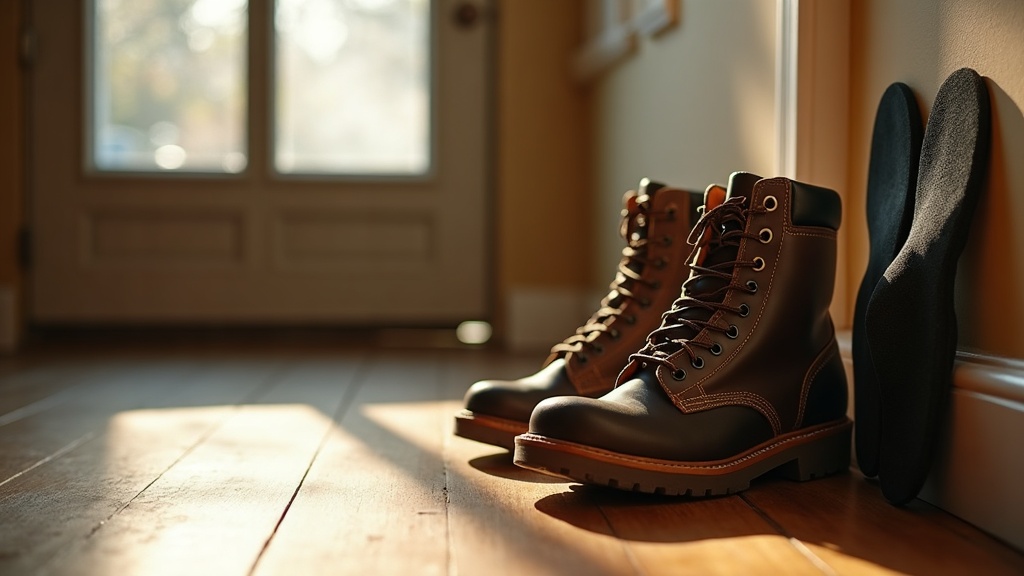
- Pull the insoles out at night so the boots dry.
- Rotate two pairs of boots if you can.
- Dry your feet fully, including between the toes, before putting socks on.
Hot days need extra care. The guide to summer work socks that don't trap heat covers that.
What are the best socks for extremely sweaty feet?
For extremely sweaty feet, the best socks are thin to mid-weight wicking blends with mesh zones, changed at least once during the shift. Thick cushion all over holds more sweat, so keep the padding under the heel and ball of the foot only.
If your feet sweat heavily all the time, even when you're not working, see a doctor or pharmacist. Excessive sweating has its own treatments, and a better sock is only part of the answer.
Which socks are best for sweaty and smelly feet?
Socks for sweaty and smelly feet should wick sweat and dry fast, because odor comes from sweat and bacteria. Change socks every day, and let boots dry between shifts. The guide to socks for smelly feet covers odor in detail.
What are the best moisture-wicking socks for construction workers with sweaty feet?
The best moisture-wicking socks for construction workers with sweaty feet combine a wicking blend and mesh zones with reinforced heels and toes, because site work is hot, long and hard on socks. Damp socks wear out faster too, since soft wet fibers break down under the boot.
Pick crew or boot height to clear the boot collar, and keep a spare pair in your bag. For more on wicking socks by work condition, see the guide to the best moisture-wicking socks for work.
How does MASON keep feet drier in work boots?
MASON makes work socks in a bamboo blend for people on their feet all shift. Every pair has:
- Mesh Ventilation over the top of the foot
- Cloud Cushioning under the heel and ball of the foot only
- An Arch Strap that keeps the sock snug, so wet fabric doesn't bunch
- A Reinforced Heel Cup and a reinforced toe
Start with Tradesman Socks for most work boots, or Tradesman No-Show Socks for work shoes on hot days. Sizes fit US men's 6 to 15 and US women's 7 to 13. Every order comes with a 99-day money-back guarantee, and a lifetime warranty after that. You can compare every pair in the bamboo work socks collection.
"It's really nice getting off work and not having stinky sweaty feel and socks..." Jonathan P., customer review
Checklist: work socks for sweaty feet
- A wicking blend, not cotton
- Mesh zones over the top of the foot
- Cushion under the heel and ball of the foot only
- A snug fit that doesn't bunch
- A height above your boot collar
- A spare pair for hot days
FAQ
Do moisture-wicking socks actually work for sweaty feet?
Moisture-wicking socks work for sweaty feet by moving sweat away from the skin so it can dry. They don't stop sweating, but they keep skin drier than cotton.
What are the downsides of merino wool socks?
Merino wool socks can feel warm for some people, and pure merino wears faster than a blend. Merino blended with nylon lasts longer in boots.
Should you wear two pairs of socks for sweaty feet?
Two pairs of socks usually make sweaty feet worse, because they trap more heat. One wicking sock and a spare pair for later work better.
Can antiperspirant help sweaty feet in work boots?
Antiperspirant on the soles can help some people. Ask a pharmacist or doctor if sweating is heavy or the skin gets sore.
Want more work sock guides like this in your Google results? Add masonclothing.com as a preferred source.
Next, see the guide to socks for standing on concrete all day.
