


The best socks for smelly feet wick sweat and dry fast, because foot odor comes from bacteria feeding on sweat. Wool and bamboo-derived blends are popular choices. Changing socks daily and drying boots between shifts matters as much as the fiber.
Eight to twelve hours in a closed boot is about as good as it gets for odor bacteria. This guide covers what a sock can do, and what it can't.
In this guide
Key takeaways
- Foot odor comes from sweat and bacteria, so dry feet smell less.
- A wicking sock keeps skin drier than a sock that soaks up sweat and stays wet.
- Wear a fresh pair every day, and don't wear the same boots two days running if you can avoid it.
- Odor-resistant socks help, but they don't replace clean, dry feet and dry boots.
- Sock color has nothing to do with smell. Material and moisture do.
What causes smelly feet in work boots?
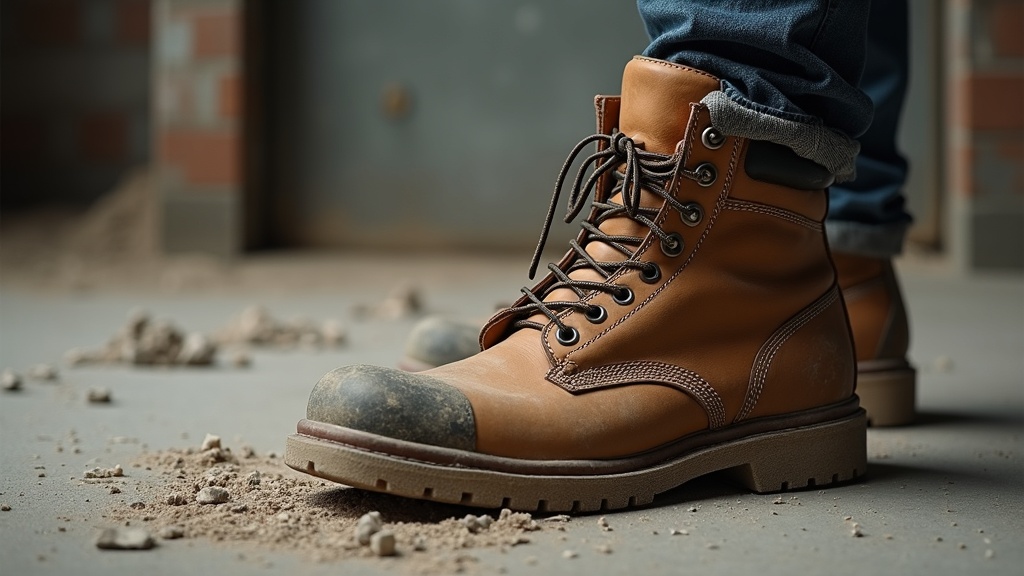
Smelly feet in work boots are usually caused by a build-up of sweat and bacteria, according to the NHS. Work boots make it worse. They're closed, warm and worn for long shifts, so sweat has nowhere to go.
The NHS advice for smelly feet is simple: keep your feet clean and dry, including between the toes. Don't wear the same socks or shoes two days in a row, let shoes dry out before you wear them again, and avoid tight shoes. A pharmacist can help if the smell doesn't improve.
Are cotton socks bad for smelly feet in work boots?
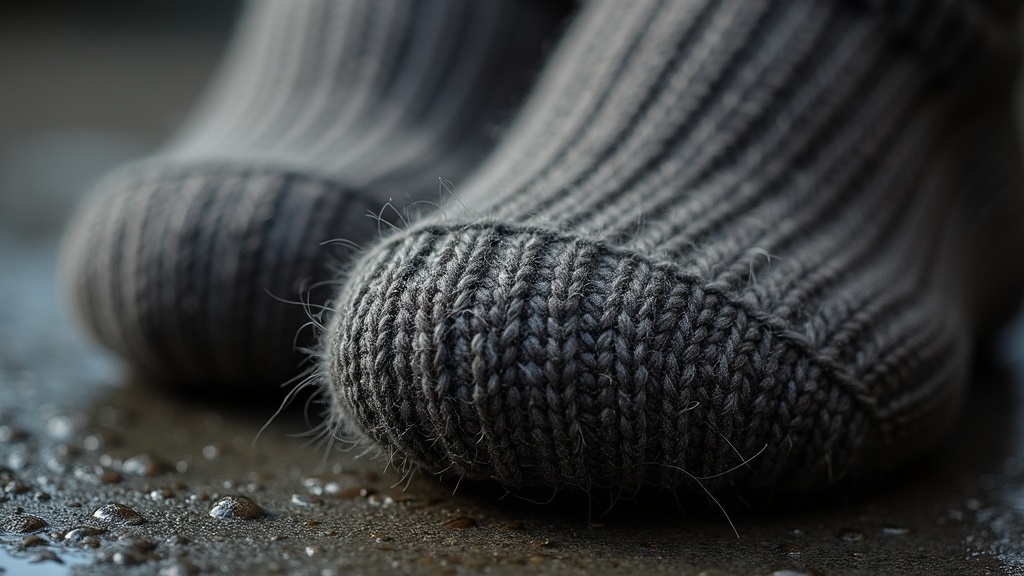
Cotton socks breathe in everyday shoes, but in work boots on long shifts they soak up sweat and stay wet, which keeps skin damp. A damp sock and damp skin give odor bacteria more to work with.
A wicking blend moves sweat to the outside of the sock, where it can dry. For heavy sweating in boots, that usually keeps feet drier than cotton. The guide to the best moisture-wicking socks for work explains how wicking works.
Do polyester socks make your feet smell?
Polyester socks don't cause foot odor, but some people find they hold onto smell more than wool once they've been worn. Polyester dries fast, which helps. Blended with merino or bamboo-derived fibers and nylon, it makes a strong, quick-drying work sock.
If your synthetic socks smell even after washing, try washing them inside out and drying them fully, or switch to a wool or bamboo blend.
What socks are best for stinky feet?
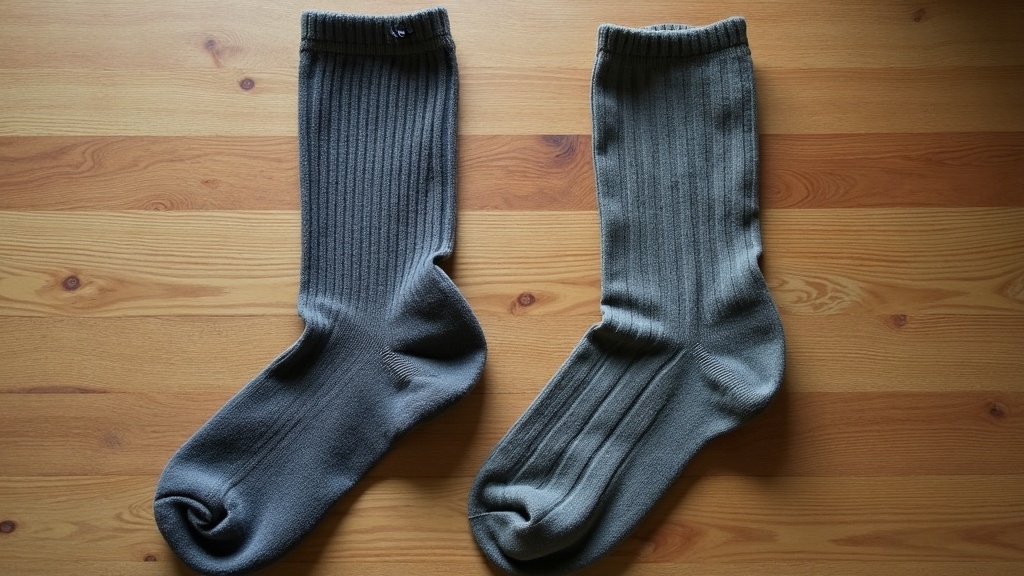
The best socks for stinky feet are made from a wicking blend that dries fast, such as merino wool, bamboo-derived fibers or synthetics with nylon. Fit matters too. A sock that bunches holds sweat in the folds.
- Merino wool: handles moisture well and is known for resisting odor.
- Bamboo-derived blends: soft and good at handling sweat.
- Synthetic blends: dry fast, though some people find they hold odor more than wool.
- Mesh zones: thinner panels on top of the foot let heat and moisture out.
Wondering whether wool is worth it? The guide do wool socks help with smelly feet answers that question in detail.
Do odor-resistant socks actually work all day?
Odor-resistant socks can slow the smell during a shift, but they don't stop it if feet stay damp or boots never dry. Some socks add silver or copper fibers meant to slow bacteria. Others rely on the fiber itself, like merino.
No sock works alone. A fresh pair every day and dry boots do more than any treatment in the yarn.
How do you stop work socks and boots from smelling?
Work socks and boots smell less when feet go in clean and dry, socks are changed daily, and boots dry fully between shifts.
- Wash and dry your feet well, including between the toes.
- Wear a fresh pair of socks every day. On hot days, change at lunch.
- Pull the insoles out at night so the boots dry.
- Rotate two pairs of boots if you can.
- Wash socks inside out, so the sweaty side gets cleaned.
What else helps smelly feet besides socks?
Besides socks, the NHS suggests foot powder or an antiperspirant, short clean toenails and removing hard skin, alongside keeping feet clean and dry. For work boots, the boot itself matters too:
- Take the insoles out at night and let them dry.
- Replace insoles when they stay damp or smell after drying.
- Give boots a full day to dry if you can rotate two pairs.
- Avoid boots that are too tight, which the NHS also lists.
If you sweat heavily all the time, a pharmacist or doctor can tell you about treatments for excessive sweating.
How does MASON handle sweat in work socks?
MASON makes work socks in a bamboo blend for people on their feet all shift. Every pair has:
- Mesh Ventilation over the top of the foot
- Cloud Cushioning under the heel and ball of the foot
- An Arch Strap that stops the sock bunching
- A Reinforced Heel Cup and a reinforced toe
Start with Tradesman Socks, the everyday crew work sock, or The Work Week Pack for a fresh pair every day. Sizes fit US men's 6 to 15 and US women's 7 to 13. Every order comes with a 99-day money-back guarantee, and a lifetime warranty after that. You can compare every pair in the bamboo work socks collection.
"Doesn't make my feet sweat and it doesn't stink at the end of a long work day." Raymond M., customer review
FAQ
Do black socks make your feet smell?
Black socks don't make your feet smell. Odor comes from sweat and bacteria, so the fiber and how damp the sock stays matter, not the color.
How do you get rid of foot odor in socks?
Foot odor in socks washes out best when you turn them inside out and wash them after every wear. Let them dry fully before wearing them again.
Which socks are best for sweaty and smelly feet?
Socks for sweaty and smelly feet should wick sweat and dry fast. Merino, bamboo-derived and synthetic blends all work, paired with a fresh pair every day.
When should you see a doctor about smelly feet?
See a pharmacist or doctor if the smell doesn't improve with clean, dry feet and fresh socks, or if you have heavy sweating, itching or broken skin.
Want more work sock guides like this in your Google results? Add masonclothing.com as a preferred source.
Next, see the guide to socks that prevent blisters in work boots.
