


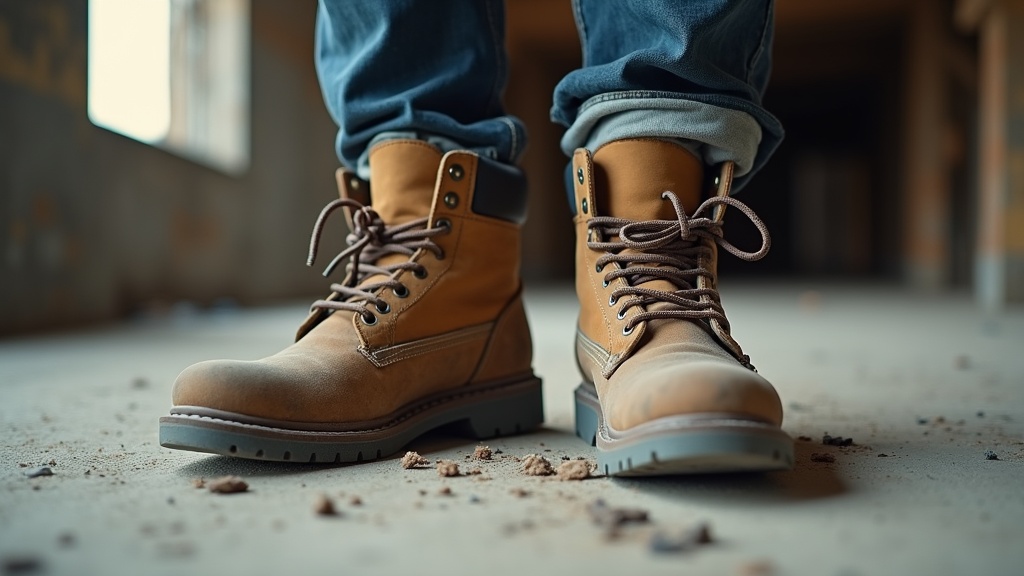
Blisters don't care that you've got a pour at 6 AM or a deadline breathing down your neck. One bad pair of socks and by Tuesday you're limping through a ten-hour shift, every step a reminder of a $6 mistake.
This guide cuts through the marketing noise. No fluff, no lab stats dressed up as common sense. Just what actually works on a real jobsite, from the concrete to the steel toe, all day long.
Key points at a glance
- Friction and moisture together cause nearly every blister a construction worker gets.
- Double-layer socks move friction between layers, away from your skin, and that's not a gimmick.
- Merino wool and synthetic moisture-wicking blends outperform plain cotton every single time.
- Seamless toe construction removes one of the most common hot-spot triggers inside a work boot.
- Sock thickness matters, but matching it to your boot fit matters more.
- Women's-specific fits exist and make a real difference for female construction workers.
What the right work sock does for you
Why Construction Workers Get Blisters More Than Most
A blister forms when two forces hit your skin at once: friction and moisture. The outer skin layer shears away from the layer beneath it, fluid fills the gap, and you've got a problem that won't let you forget it.
Construction work stacks every risk factor. You're on your feet eight to twelve hours. You're walking on uneven, abrasive surfaces. Your boots are stiff, often heavy. And you sweat, a lot, in an enclosed leather or synthetic shell that traps heat.
Most office workers never hit the friction threshold. A framer, a concrete finisher, a roofer, they blow past it by 9 AM.
Do Anti-Blister Socks Actually Work? Here's the Honest Answer
Yes, but not magic. A quality anti blister work sock won't save you if your boots are two sizes too big or you're wearing them without breaking them in. The sock is one part of a system.
That said, the right sock makes a measurable, real-world difference. Studies on military recruits, who share almost identical foot-stress conditions with construction workers, consistently show blister rates drop significantly when moisture-wicking and friction-reducing socks replace standard cotton issue.
The key is understanding what the sock is actually doing. It's not padding alone. It's managing heat, moisture, and movement simultaneously.
Did you know?
Research published in the Journal of the American Podiatric Medical Association found that moisture-wicking socks reduced blister incidence by up to 40% compared to standard cotton socks during prolonged physical activity on hard surfaces.
The 3 Sock Features That Actually Stop Blisters on the Job
1. Moisture-wicking fiber
Wet skin blisters faster than dry skin. Full stop. Merino wool and synthetic blends (nylon, polyester, CoolMax) pull sweat away from the surface and let it evaporate. Cotton holds it against your skin like a wet rag.
2. Seamless toe construction
That little ridge across the toe box on cheap socks? It rubs the same spot, thousands of times a day. Seamless toe work socks eliminate that seam entirely. It's a simple fix that makes a large difference by hour six.
3. Targeted cushioning and compression zones
Good blister prevention work socks for construction have extra padding at the heel and ball of the foot, and a snug arch band that holds the sock in place. A sock that slides around inside your boot is just adding friction, not removing it.
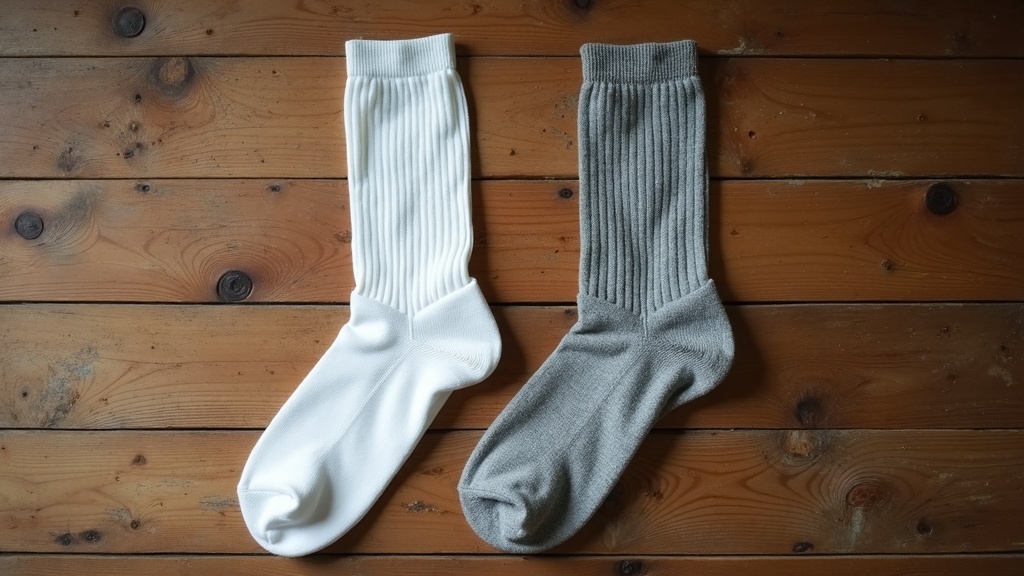
Double-Layer vs. Single-Layer: Which One Wins on a Real Jobsite
Double-layer socks are built with two layers of fabric that move independently. The friction happens between those two layers instead of between the sock and your skin. That's the entire mechanism, and it works.
Brands like Wrightsock and Drymax have built their reputation on this design. For double layer socks blister prevention, the real-world feedback from tradespeople is consistently positive, especially for workers who deal with high-mileage days on concrete.
The trade-off: they run slightly thicker. If your boots fit tight already, double-layer can create pressure that causes its own problems. Try one pair before you buy six.
| Feature | Single-Layer (Quality) | Double-Layer | Cotton (Avoid) |
|---|---|---|---|
| Blister protection | Good | Excellent | Poor |
| Moisture wicking | Excellent | Good | None |
| Bulk inside boot | Low | Moderate | Low |
| Durability | High | High | Low |
| Best for | Hot climates, snug-fit boots | High-mileage, roomy boots | Nothing on a jobsite |
Thick or Thin? What the Trades Actually Need
The thick vs thin socks blisters debate comes down to one thing: does the sock fit the space inside your boot?
- Thick socks cushion concrete impact well. They're good for roomy boots, cooler weather, and workers on their feet all day on hard floors.
- Thin socks work better in tight-fitting boots or in summer heat. Less bulk means less pressure, and they wick moisture faster.
- A sock that's too thick for the boot creates its own pressure points. That causes blisters just as fast as friction does.
A medium-weight sock with targeted cushioning at the heel and ball is the sweet spot for most construction workers in most seasons.
Did you know?
The average construction worker walks between 6,000 and 10,000 steps per day on a jobsite, often on concrete or gravel surfaces. That's roughly four to six miles of cumulative friction on your feet before you clock out.
Best Blister Prevention Work Socks for Construction in 2026 (Men and Women)
These are the options consistently recommended by workers in the trades, not sponsored picks, just real-world feedback from people logging hard hours.
Top picks for men and women
- Darn Tough Hiker Micro Crew: Merino wool blend, lifetime warranty, holds up through brutal wash cycles. One of the best socks to prevent blisters on feet all day, period.
- Wrightsock Coolmesh II: Classic double-layer design, extremely lightweight, excellent for hot summer work. Best-in-class for anti blister work socks in warm weather.
- Smartwool PhD Work Heavy Crew: Heavier merino option for cold-weather jobsites. Dense cushioning at heel and ball, seamless toe.
- Farm to Feet Damascus Crew: American-made merino, reinforced heel and toe, trusted by outdoor workers and tradespeople alike.
- Wrightsock Stride (Women's): Narrower heel cup, lower volume forefoot, built specifically for women blister prevention work socks construction use. Women with smaller feet in standard-width boots often find this fit eliminates the sliding that standard men's socks allow.
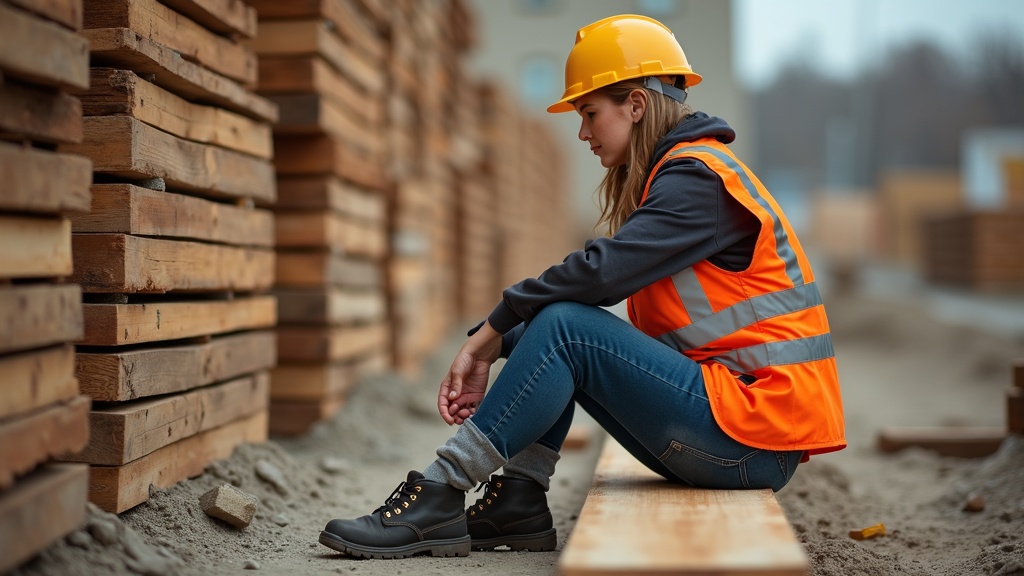
What to Avoid: Sock Materials and Designs That Will Wreck Your Feet
100% cotton. It absorbs sweat and holds it against your skin. Wet cotton also loses its shape, bunches up, and creates folds that rub. There is no good reason to wear a cotton sock inside a work boot.
Avoid these as well:
- Socks with prominent toe seams that run across the top of the toes
- Loose, baggy socks with no arch support band, they migrate and bunch
- Socks marketed as "one size fits most" when your foot is under a size 8 or over a size 13
- Thin dress socks worn because "they were all that was clean", you will pay for that by noon
How to Get More Miles Out of Your Work Socks
Good blister prevention work socks for construction cost between $18 and $30 a pair. That's real money. Here's how to protect that investment.
- Wash in cold water, hang dry when possible. Heat destroys merino fibers and breaks down synthetic elasticity. The dryer is the enemy of a $25 sock.
- Rotate at least three pairs per week. Compression fibers need 24 hours to recover their shape. Wearing the same pair two days running compresses the cushioning permanently.
- Inspect the heel and toe every few weeks. When the fabric thins, the sock stops protecting. A worn-out Darn Tough goes back for a free replacement. Most others just need replacing before they fail on you mid-shift.
- Keep your toenails trimmed. A sharp nail edge will destroy any sock from the inside out, no matter what it costs.
