


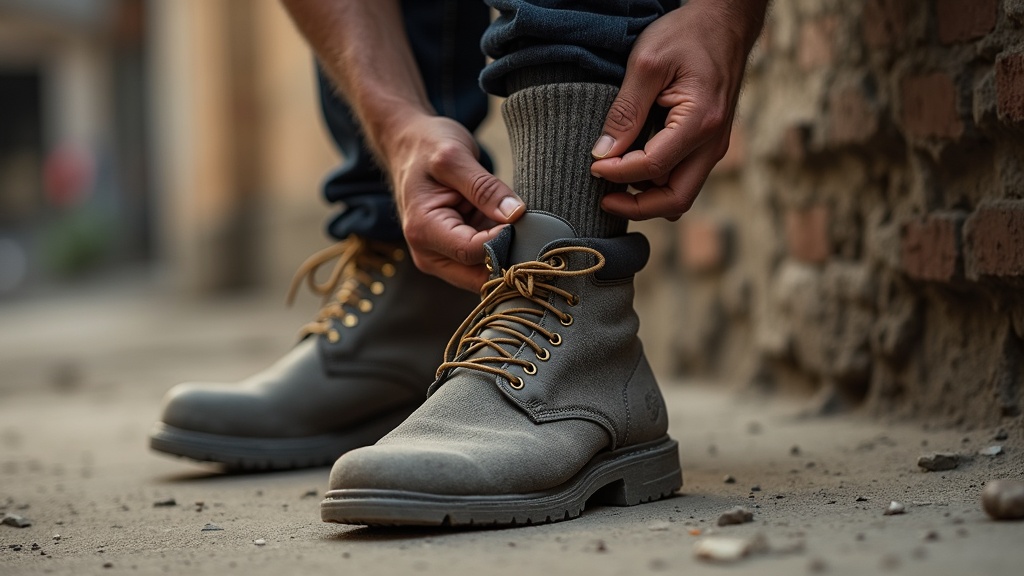
Your feet sweat about half a pint a day. Put them in the wrong socks inside a steel-toe boot for ten hours, and you already know what happens.
The question isn't whether wool socks are marketed as odor-resistant. The question is whether they actually deliver on a real shift, in real conditions, for real money.
Key points at a glance
- Yes, wool socks genuinely reduce foot odor, not as a gimmick but because of how the fiber handles moisture and bacteria.
- Merino wool is the best pick for sweaty feet: fine, soft enough for all-day wear, and antimicrobial without chemical treatment.
- Cotton loses this fight: it holds sweat against your skin and feeds the bacteria that cause the smell.
- Synthetics dry fast but can stink worse than cotton after a few hours of hard use.
- Wool socks can still smell after washing if you wash them wrong. There's a fix for that.
- The upfront cost is real, but a good pair of merino work socks outlasts three pairs of cotton.
What Wool Work Socks Actually Do For You
Why Your Feet Smell Bad After a Shift (It's Not Just Sweat)
Sweat itself has almost no smell. The odor comes from bacteria, specifically Brevibacterium linens and a handful of related species that live on your skin and thrive in warm, damp environments.
A sealed boot is basically a petri dish. Heat builds up, sweat pools, and bacteria multiply fast. The byproduct of that process is isovaleric acid, which is the compound that makes your boots smell like they need to live outside.
The sock material controls how wet that environment gets. That's the whole game.
Do Wool Socks Actually Help With Smelly Feet?
Short answer: yes, and not by a small margin.
Wool absorbs up to 30% of its weight in moisture without feeling wet against your skin. That keeps the surface drier, which means less food for odor-causing bacteria. The fiber also binds to odor molecules directly, trapping them inside the structure until you wash the sock.
Multiple workers who made the switch from cotton report they can wear a good merino pair for two days before any noticeable smell. That's not a sales claim, that's something the fiber chemistry actually supports.
Did you know?
Wool fiber has a natural outer layer called the cuticle that physically traps odor molecules. It doesn't just wick sweat away: it chemically binds to the ammonia and fatty acid compounds that create foot odor, holding them locked in the fiber until laundry day.
How Wool Fights Odor: The Science Without the Fluff
Three things are happening at the fiber level:
- Moisture wicking: Wool pulls sweat away from the skin surface and moves it toward the outer layer of the sock where it can evaporate. Less moisture at skin level means fewer bacteria can survive.
- Odor binding: Wool's protein structure (keratin) reacts with and neutralizes the volatile compounds produced by bacteria. This is passive, not a chemical treatment that washes out over time.
- Lanolin: The natural oil in wool has mild antimicrobial properties. Merino retains enough of it after processing to make a real difference.
This is why merino wool socks for sweaty feet specifically outperform regular wool. Merino fibers are finer (under 20 microns), which means more surface area doing this work, and no itch against bare skin.
Wool vs. Cotton vs. Synthetic: What Wins on a Full Work Day
| Material | Moisture Control | Odor Resistance | All-Day Comfort |
|---|---|---|---|
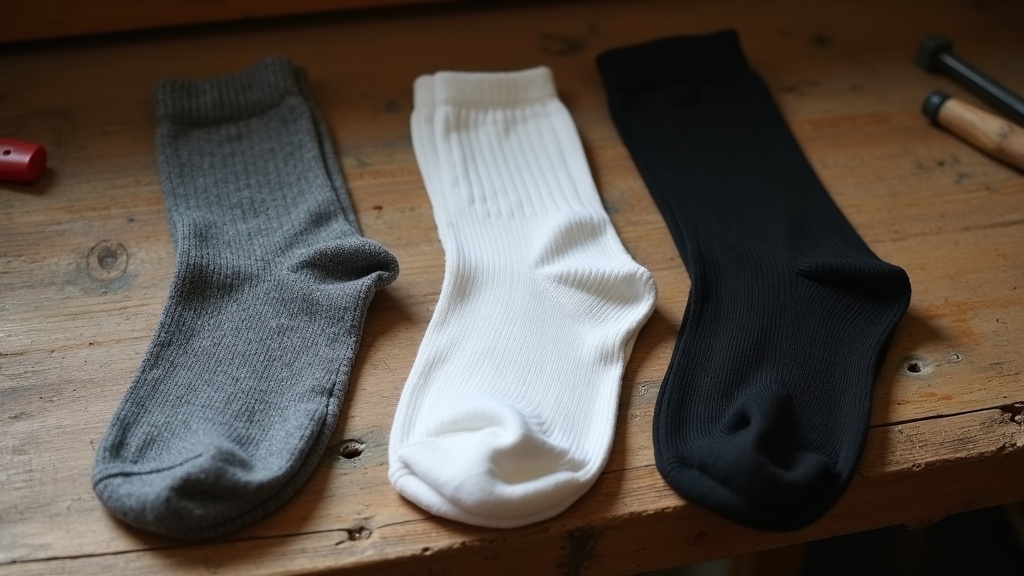
| Merino Wool | Excellent: wicks and releases | Excellent: natural, lasts multi-day | High: soft, temperature-regulating |
| Regular Wool | Good: wicks well | Good: less refined than merino | Medium: can itch on bare skin |
| Cotton | Poor: holds moisture against skin | Poor: feeds bacteria fast | Soft at first, clammy by midday |
| Polyester / Nylon | Good: dries fast | Poor: bacteria bond to fibers permanently | Medium: gets hot, no temp regulation |
| Bamboo | Decent: soft and breathable | Decent: fades faster than wool | Good: gentler than synthetics |
Are cotton socks good for sweaty feet? No. Cotton absorbs sweat but doesn't release it. After a couple of hours in a boot, you're sitting in a wet, warm sock. That's exactly the condition bacteria need.
Synthetics dry faster than cotton, but the fibers develop a permanent smell over time because bacteria embed into the plastic surface. You've probably seen this with athletic socks that never fully come clean.
What Are the Downsides of Wool Socks? (Being Straight With You)
Wool socks are not perfect. Here's what they won't fix:
- Price: A quality pair of merino work socks runs $20 to $30. That's real money, especially if you need five pairs for the week.
- Durability with rough use: Pure merino is not the most abrasion-resistant fiber. The best work socks blend merino with nylon (around 80/20) to fix this. Check that before you buy.
- Wash sensitivity: Hot water and high-heat drying shrinks wool. If you toss them in with your jeans on hot, you'll end up with doll socks.
- They don't fix an underlying problem: If you have hyperhidrosis (excessive sweating) or a fungal infection, a sock upgrade helps but won't solve it alone.
What to Look for in a Wool Work Sock (So You Don't Waste Money)
Not every sock labeled "wool" is worth your hard-earned dollar. Here's what the label needs to show:
- At least 60% merino wool: Blends with less than that cut corners on the odor and moisture benefits.
- Nylon or reinforced heel and toe: Merino alone wears through fast in a work boot. A nylon blend at the friction points adds months to the sock's life.
- Cushioning rating: Light, medium, or heavy. For steel-toe boots on concrete, medium or heavy cushioning reduces fatigue noticeably.
- No silver or copper anti-odor treatment: These are added to synthetic socks to compensate for what the fiber can't do naturally. Wool doesn't need them, and you shouldn't pay extra for a fix to a problem you won't have.
Did you know?
Merino wool fiber measures under 20 microns in diameter. Human hair averages around 70 microns. That fineness is why merino doesn't scratch, and it's also what gives the fiber more surface area to trap and neutralize odor compounds.
How to Keep Wool Socks From Smelling After Washing
If your wool socks smell after washing, something went wrong in the process, not with the fiber. Here's what actually works:
- Cold or lukewarm water only. Heat sets odors into wool and degrades the lanolin that helps fight bacteria.
- Use a wool-specific detergent (Eucalan, Woolite, or similar). Standard detergent strips the natural lanolin coating over time.
- Don't use fabric softener. It coats the fibers and blocks the moisture-wicking function you paid for.
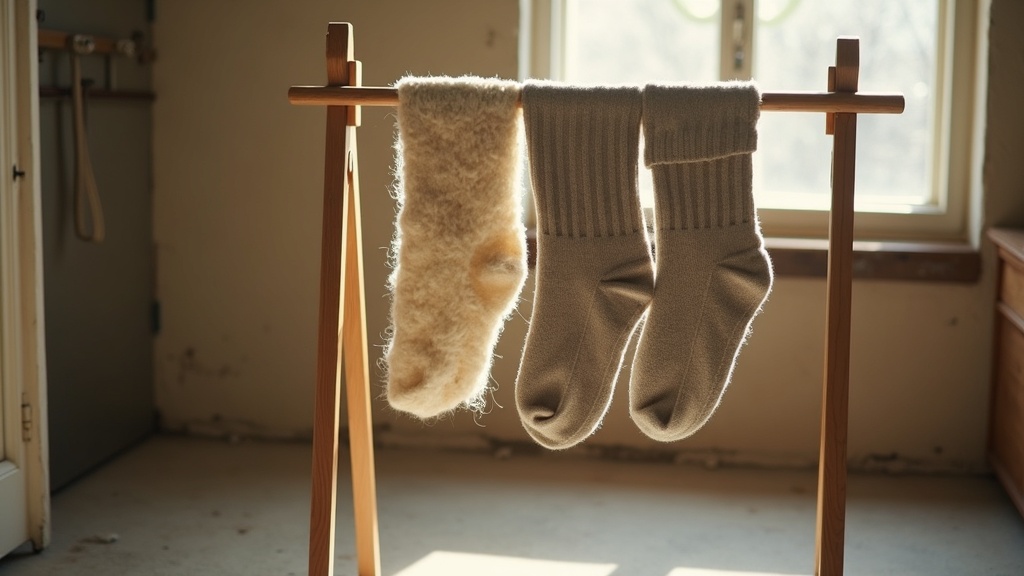
- Air dry, flat or hanging. A dryer on any heat setting is the fastest way to ruin wool socks.
- Let them fully dry before storing. Putting even slightly damp wool in a drawer or locker creates mold smell that's very hard to wash out.
The Bottom Line: Are Wool Socks Worth It for Trades Workers?
If you're on your feet eight to twelve hours a day and foot odor is a real issue, yes. Wool socks, specifically merino blends, are the most practical solution available that doesn't involve prescription treatments or foot sprays you have to reapply every few hours.
The cost works out in your favor. A $25 pair of well-made merino work socks, washed properly, lasts 18 to 24 months of regular use. A $4 pack of cotton socks often needs replacing inside six months, and your boots pay the price for every day you wore the wrong material.
Buy two or three good pairs. Rotate them. Wash them cold. Air dry them. That's the whole system. Simple as that.
