


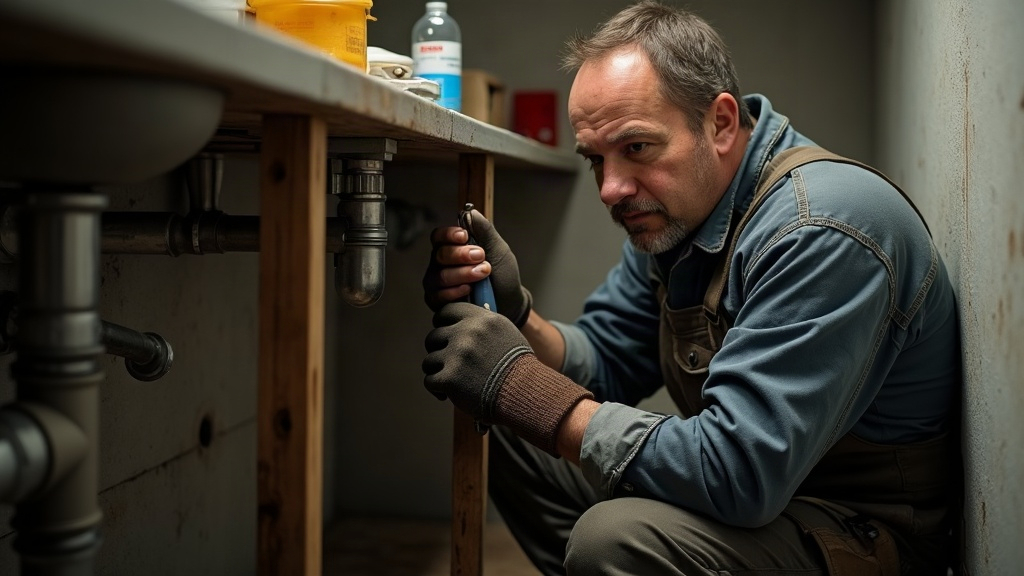
You're thirty feet into a crawl space, turning the same fitting for the hundredth time this week. Your wrist has been aching since Tuesday. You chalk it up to a long day and keep moving. That's the job.
But wrist pain from repetitive work doesn't stay quiet forever. For plumbers and electricians especially, that dull throb has a way of turning into something that ends careers. Here's what you need to know before it gets to that point.
Key points at a glance
- Repetitive gripping, twisting, and bending are the primary drivers of wrist injury in the trades
- Carpal tunnel syndrome is common in both plumbers and electricians, not just office workers
- Early warning signs are easy to dismiss but critical to catch before nerve damage sets in
- Proper tool selection and a quality wrist brace can significantly reduce daily strain
- Most cases respond well to conservative treatment if caught early enough
- Knowing when to see a specialist is the difference between a minor setback and surgery
What this guide gives you
What's Actually Happening Inside Your Wrist (Not the Textbook Version)
Your wrist is a tight corridor. Eight small carpal bones, tendons, blood vessels, and the median nerve all crammed into a space about the width of your thumb. When you repeat the same motion hundreds of times a day, the tendons swell. That swelling squeezes the median nerve. That's carpal tunnel syndrome.
But carpal tunnel isn't the only problem. You can also inflame the tendons themselves (tendinitis), strain the ligaments on the thumb side (De Quervain's), or wear down the triangular fibrocartilage complex on the pinky side from constant rotation. Different motions, different injuries. Same result: a wrist that stops working for you.
Read also: Best Work Socks for Sweaty Feet: What Actually Works
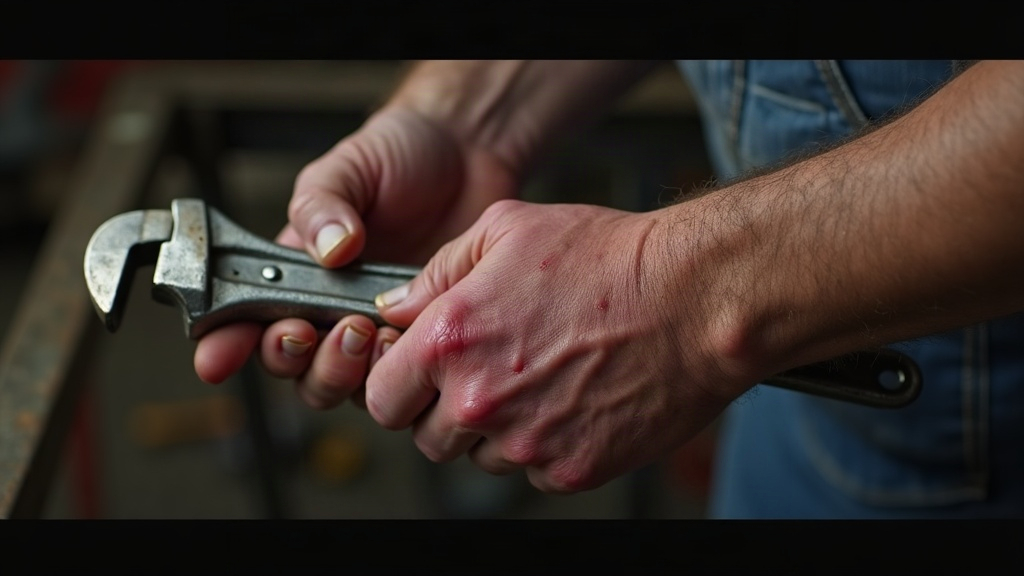
Why Plumbers and Electricians Take the Hardest Hit
Office workers get carpal tunnel from typing. Tradesmen get it from twisting pipe, pulling wire, running conduit, and torquing fittings, while gripping hard, often at awkward angles, for eight to twelve hours a day.
Plumbers are constantly rotating their forearms: tightening fittings, cutting pipe, working compression valves. Electricians spend hours pulling wire through tight conduit runs, stripping cable, and squeezing wire nuts in confined panel boxes. Both trades combine high grip force with repetitive wrist deviation, the two biggest risk factors for median nerve compression from repetitive work.
Signs You're Heading Toward a Real Problem, Not Just Soreness
Muscle soreness fades overnight. Nerve and tendon problems don't. Watch for these red flags:
- Numbness or tingling in the thumb, index, or middle finger, especially at night or first thing in the morning
- Weakness when gripping: dropping tools, losing your grip on a wrench mid-turn
- Pain that wakes you up at 2 a.m. even though you haven't touched a tool in six hours
- A burning sensation running from the wrist up the forearm
- Swelling that doesn't go down after a day off
Any one of these, showing up regularly, means your body is past the point of just being tired.
Did you know?
According to the Bureau of Labor Statistics, construction and extraction occupations consistently rank among the top industries for work-related musculoskeletal disorders, with hand and wrist injuries accounting for a significant share of lost workdays annually.
Are Electricians Prone to Carpal Tunnel? The Honest Answer
Yes, and the data backs it up. Carpal tunnel syndrome in electricians is not just common, it's occupational. A study published in the Scandinavian Journal of Work, Environment and Health found that workers who perform high-repetition hand tasks combined with sustained grip have significantly elevated risk for median nerve compression compared to the general population.
Electricians also work in positions that flex the wrist sharply: reaching into junction boxes, pulling wire at low angles, bending conduit. Every degree of wrist flexion past neutral increases pressure inside the carpal tunnel. Do that for years and the math catches up with you.
What Causes Wrist Pain from Repetitive Movement on the Job
The root causes aren't mysterious. They're the same motions you've been doing since your first week on the job:
- Repetitive gripping: every pipe wrench turn, every conduit bender cycle
- Forceful pinching: wire stripping, tightening small fittings by hand
- Sustained wrist flexion or extension: working in tight spaces at non-neutral wrist angles
- Vibration exposure: rotary tools, impact drivers, hammer drills
- Cold temperatures: cold constricts blood flow and stiffens tendons, amplifying the damage
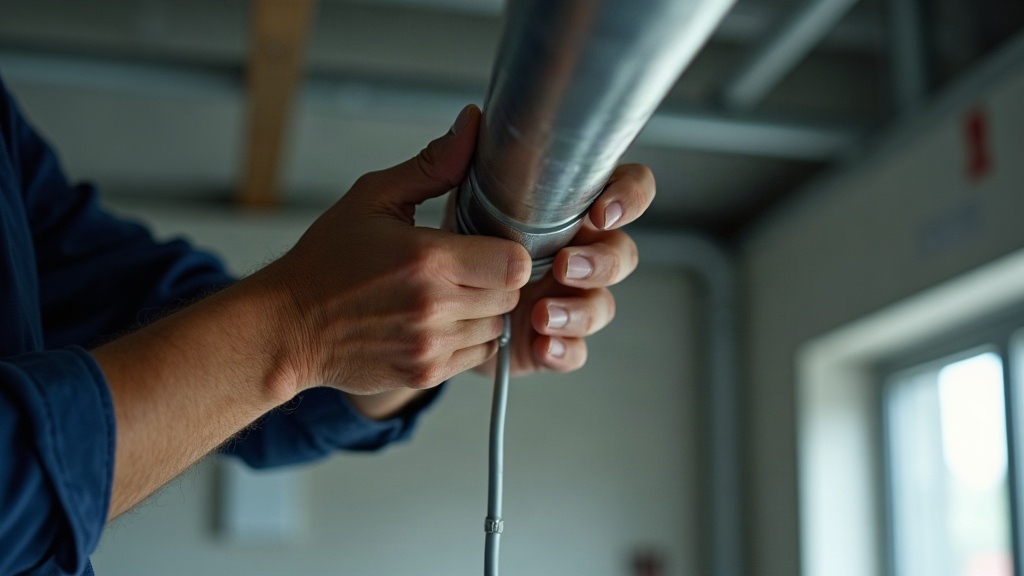
How to Avoid Carpal Tunnel as an Electrician or Plumber: Practical Steps That Work on a Real Jobsite
Prevention isn't about quitting hard work. It's about working smarter with the body you've got.
Keep your wrist neutral as often as possible
When you can reposition, do it. If your wrist is bent hard to reach a fitting, stop and reposition your body instead. Thirty seconds of repositioning beats six weeks of physical therapy.
Rotate tasks through the day
Don't run conduit for four straight hours. Alternate between high-repetition tasks and tasks that demand less from your wrist. Your tendons need that break to recover.
Warm up before you grip anything heavy
Two minutes of wrist circles, gentle stretching, and opening and closing your fist before the first wrench of the day makes a real difference. It's not soft, it's smart maintenance on the tools that can't be replaced.
Pay attention to grip force
Most people grip harder than they need to. If the work doesn't require a white-knuckle grip, don't give it one. A controlled, firm grip does the job with less strain.
Did you know?
The pressure inside the carpal tunnel at a neutral wrist position is around 2 to 10 mmHg. Bend the wrist fully forward or backward and that pressure spikes to 30 mmHg or higher, enough to restrict blood flow to the median nerve.
Gear Worth Using: Braces, Gloves, and Tool Choices That Actually Help
Not all gear is worth the money. Here's what moves the needle:
Wrist brace for construction workers
A rigid or semi-rigid wrist brace worn during high-repetition tasks holds the wrist close to neutral and reduces nerve compression significantly. Wear it overnight too if you're getting numbness while you sleep. Look for braces with a palmar stay (a metal spine on the palm side) that holds position under load.
Padded anti-vibration gloves
If you're running an angle grinder or impact driver regularly, anti-vibration gloves with gel padding in the palm reduce the vibration load transmitted to your carpal tunnel. They're not a cure, but they reduce cumulative exposure.
Ergonomic tool handles
Larger-diameter handles reduce grip force requirements. Tools with pistol grips keep your wrist closer to neutral than straight-handled versions. That's not marketing, it's basic biomechanics backed by occupational health research.
| Gear Type | Best For | Limitation |
|---|---|---|
| Rigid wrist brace (palmar stay) | Maintaining neutral wrist during repetitive tasks and overnight | Reduces grip strength slightly; not ideal for all fine-motor tasks |
| Anti-vibration gloves | Impact driver, grinder, and hammer drill use | Adds bulk; may reduce tactile feel for fine electrical work |
| Ergonomic pistol-grip tools | Drilling, driving, and sustained tool use at shoulder height | Higher upfront cost than straight-handle equivalents |
| Compression sleeve (elastic) | Mild inflammation management, end-of-day recovery | Not enough support for active high-load tasks |
| Padded tool handle wraps | Increasing grip diameter on existing tools cheaply | May slip under heavy torque; needs occasional replacement |
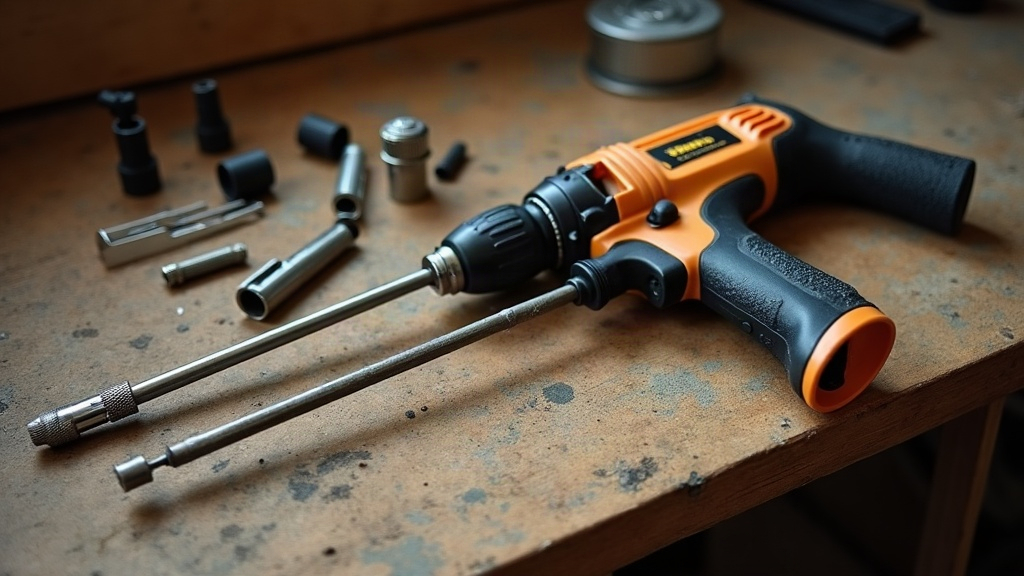
When to Stop Pushing Through It and See Someone
There's tough and then there's dumb. Pushing through nerve pain is dumb. Median nerve damage that goes untreated long enough becomes permanent. At that point, no brace, no stretch, and no amount of toughness fixes it without a surgeon.
See a doctor, preferably one who works with occupational injuries, if:
- Numbness or tingling has been present for more than two weeks
- You've lost grip strength noticeably in one or both hands
- Pain is waking you up at night more than once a week
- Over-the-counter anti-inflammatories stop helping after a few days
An electromyography (EMG) test can tell you exactly how much the nerve is compressed and whether you're dealing with early-stage or advanced carpal tunnel. That information matters for treatment decisions.
Keeping Your Wrists Working for Another 20 Years
The guys who stay in the trade into their 50s and 60s without ending up in surgery or on disability aren't just lucky. They started paying attention early. They wore the brace before the pain got bad. They switched tools when it made sense. They took the five minutes at the end of the day to stretch.
Wrist pain from repetitive work is not inevitable. It's a product of unmanaged exposure over time. Manage the exposure and you manage the outcome. Neutral wrist position, quality gear, task rotation, and getting seen early if something feels wrong. That's the whole playbook, and it fits in your back pocket.
