


The best socks for standing on concrete all day have dense cushion under the heel and ball of the foot, a snug arch band, and a wicking blend that keeps skin dry. Pair them with supportive insoles and boots that fit. Socks can't do the whole job alone.
Concrete doesn't give. Every step on a slab sends the impact straight back into your feet. This guide covers what a sock can do about that, and what it can't.
In this guide
- Key takeaways
- Why does concrete hurt your feet?
- What kind of socks are best for standing all day?
- Socks for 12-hour shifts on concrete
- Socks for walking on concrete
- Cushioned or compression socks?
- Do socks or insoles matter more?
- What shoes work on concrete?
- Warm warehouses and sweaty feet
- Cold concrete floors
- What else makes concrete easier?
- How MASON cushions socks for concrete
- FAQ
Key takeaways
- Cushion belongs under the heel and ball of the foot, where concrete hits hardest.
- An arch band stops the sock sliding, which stops the rubbing.
- Cotton holds sweat. A wet sock on a long shift means soft skin and blisters.
- Socks, insoles and boots work together. Fix the weakest one first.
- Compression socks are a separate choice. Ask a doctor if you have swelling or a medical condition.
Why does standing on concrete all day hurt your feet?
Standing on concrete all day hurts because the slab doesn't flex, so the same spots under your heel and the ball of your foot take the load hour after hour. Sweat and friction add up over a long shift too. A damp sock that shifts a little with every step turns pressure into hot spots.
The right sock does two jobs on concrete. It adds a soft layer where the pressure lands, and it keeps the foot dry and still inside the boot.
What kind of socks are best for standing all day?
Socks for standing all day should be cushioned underfoot, fit without bunching, and wick sweat. A snug arch band keeps the sock in place. Full medical compression is a separate choice, best discussed with a doctor.
Look for four things:
- Cushion: dense padding under the heel and ball of the foot.
- Hold: an arch band and a cuff that stays up without squeezing.
- Blend: bamboo-derived fibers or merino wool with nylon, not cotton.
- Height: crew or boot height, above the top of your boot.
What are the best socks for 12-hour shifts on concrete?
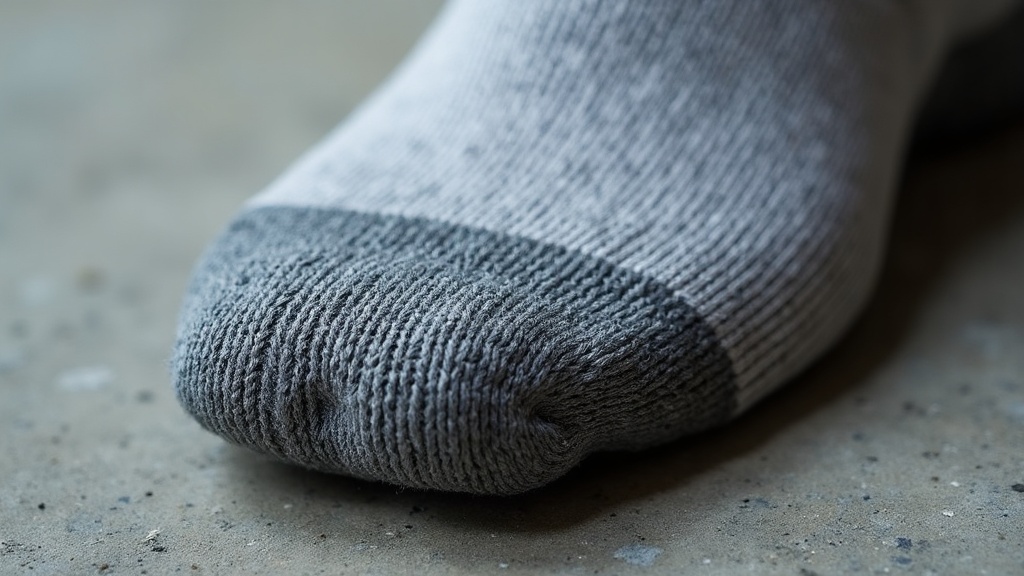
The best socks for 12-hour shifts on concrete combine full cushion under the heel and forefoot, a wicking blend, and an arch band that keeps the sock from bunching. Over twelve hours, small problems add up. A sock that slides a little at hour two is rubbing a hot spot by hour ten.
Two habits help on long shifts. Rotate pairs, so the cushion recovers between wears. On hot days, change into a dry pair at lunch. For more on cushion levels, see the guide to thick cushioned work socks.
Which socks are best for walking on concrete all day?
The best socks for walking on concrete all day pair cushion under the heel and forefoot with a snug fit, because walking adds friction on top of impact. Every step pushes the foot forward and back inside the boot. A loose sock bunches at the toes and rubs at the heel.
Look for an arch band that locks the sock in place and a cuff that stays up. The guide to why work socks slide down and bunch up covers the fixes.
Are cushioned socks or compression socks better for standing on concrete?
Cushioned socks soften the impact under your feet, while compression socks squeeze the lower leg to help circulation, so they solve different problems. If your feet ache, cushion is the first fix. If your legs swell or feel heavy, talk to a doctor about compression.
Many work socks sit in the middle. They have a snug arch band that holds the sock in place, but they aren't medical compression.
Do socks or insoles matter more on concrete?
Insoles matter more for support on concrete, because they shape how the foot sits in the boot, while socks add a cushioned layer and manage sweat. Most people on hard floors get the best result from both together.
Plenty of workers say sore feet are a boot problem, not a sock problem. They're partly right. A worn-out boot or a flat insole will hurt no matter what sock you wear. But a thin, damp sock makes a good boot feel worse by the end of the shift. If you're looking at insoles too, read the guide to insoles for work boots on concrete.
What shoes are best for standing on concrete all day?
The best shoes for standing on concrete all day have a cushioned midsole, firm arch support and enough room in the toe box for a cushioned sock. Replace them when the midsole starts to feel flat. Try new boots on with the socks you'll work in, so the fit is right from day one.
What socks work in warm warehouses?
Warehouses, kitchens and shop floors can run hot, and feet sweat on a long shift even when the air feels fine. Pick a wicking blend with mesh zones over the top of the foot. Keep the heavy cushion under the foot, where you need it, and thinner fabric on top. The guide to the best moisture-wicking socks for work goes deeper.
Which socks work on cold concrete floors?
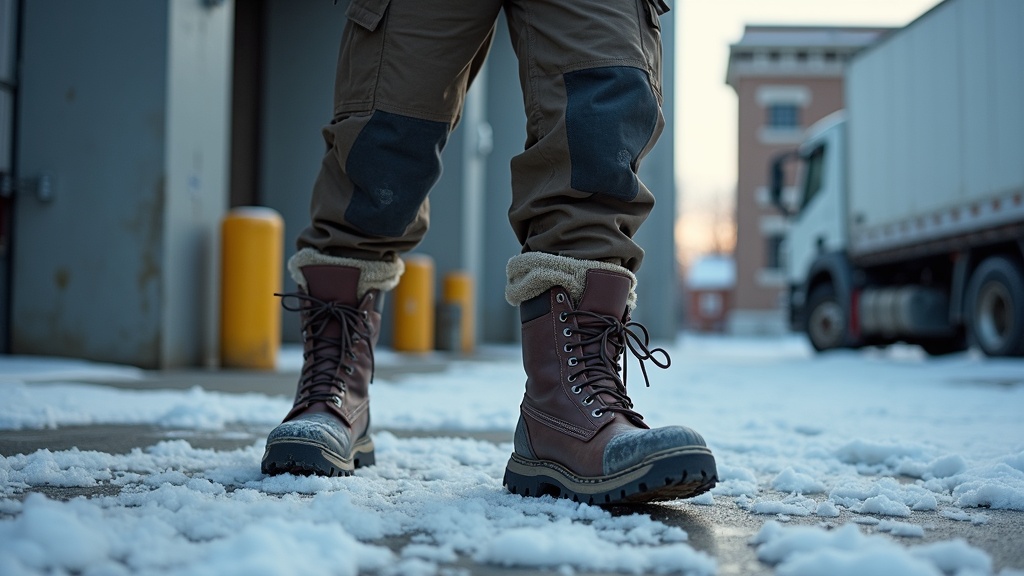
Cold slabs, loading docks and freezer rooms pull heat out of your feet. A heavier sock helps, as long as the boot still fits with it on. A squeezed foot gets cold faster. Keep the sock dry, too, because damp socks lose warmth. The guide to the best winter work socks covers cold shifts in detail.
What else makes standing on concrete easier?
Standing on concrete gets easier when you combine good socks with supportive insoles, boots that fit, and small changes to how you stand.
- Use an anti-fatigue mat where you stand in one spot for long stretches.
- Shift your weight and move around when the job allows it.
- Stretch your calves on breaks.
- Replace boots and insoles when the cushion feels flat.
If foot pain doesn't ease with better socks and boots, see a podiatrist or doctor.
How does MASON cushion socks for concrete floors?
MASON makes work socks for people who stand on hard floors all shift. Every pair has:
- Cloud Cushioning under the heel and ball of the foot
- An Arch Strap that keeps the sock from twisting
- A Reinforced Heel Cup and a reinforced toe
- Mesh Ventilation over the top of the foot
Three picks suit concrete work:
- Tradesman Socks: the everyday crew work sock.
- Tradesman Boot Socks: for tall lace-up boots.
- The Work Week Pack: enough pairs to rotate through the week.
MASON work socks come in sizes that fit US men's 6 to 15 and US women's 7 to 13. Every order comes with a 99-day money-back guarantee, and a lifetime warranty after that. You can compare every pair in the bamboo work socks collection.
"...at least 10 hr days, on concrete, in workboots... My calves & feet used to kill me by the time I got home, not any more!" Mark C., customer review
Checklist: socks for concrete floors
- Dense cushion under the heel and ball of the foot
- An arch band and a cuff that stays up
- A wicking blend with nylon, not cotton
- Crew or boot height, above your boot collar
- Room in the boot for the cushion
- Enough pairs to rotate through the week
FAQ
What are the best socks for long work hours?
The best socks for long work hours are cushioned underfoot, wick sweat and stay in place. Crew or boot height protects your legs from the boot collar.
Are cushioned socks better for your feet on hard floors?
Cushioned socks are better on hard floors, as long as the padding sits under the heel and ball of the foot and the boot still fits. Thick all over just makes the boot tight.
Should women's socks for concrete floors be different?
Socks for concrete floors work the same for anyone. Size by shoe size so the heel and arch band sit in the right place.
How often should you replace socks you stand in all day?
Socks you stand in all day need replacing when the cushion feels flat or the heel wears thin. Rotating pairs makes each one last longer.
Want more work sock guides like this in your Google results? Add masonclothing.com as a preferred source.
Next, see the guide to the best heavy duty work socks.
