


Work socks slide down and bunch up in boots when the size is wrong, the cuff sits too close to the boot collar, or the heel lifts inside the boot and drags the sock with it. The fix is a sock sized by your shoe size, tall enough to clear the collar, with an arch band to hold it in place.
Workers call it one of the most annoying things about boots: socks that fall down or shift around all shift. This guide covers why it happens and what actually stops it.
In this guide
- Key takeaways
- Why do boots pull socks down?
- Why do socks bunch up in boots?
- Why does one sock twist or slip?
- Rubber and pull-on boots
- Socks that stay up on bigger calves
- How to stop socks slipping down
- Socks too big or too small?
- What makes work socks stay up
- Socks that stay up on 12-hour shifts
- How MASON keeps boot socks up
- FAQ
Key takeaways
- A sock that ends at the boot collar gets pulled down every step.
- Heel lift inside the boot drags the sock down and bunches it at the toes.
- Socks that are too big fold. Socks that are too small get pulled down.
- Elastic wears out. High dryer heat speeds it up.
- An arch band holds the sock from the middle of the foot, which beats a tight top.
Why do boots pull socks down?
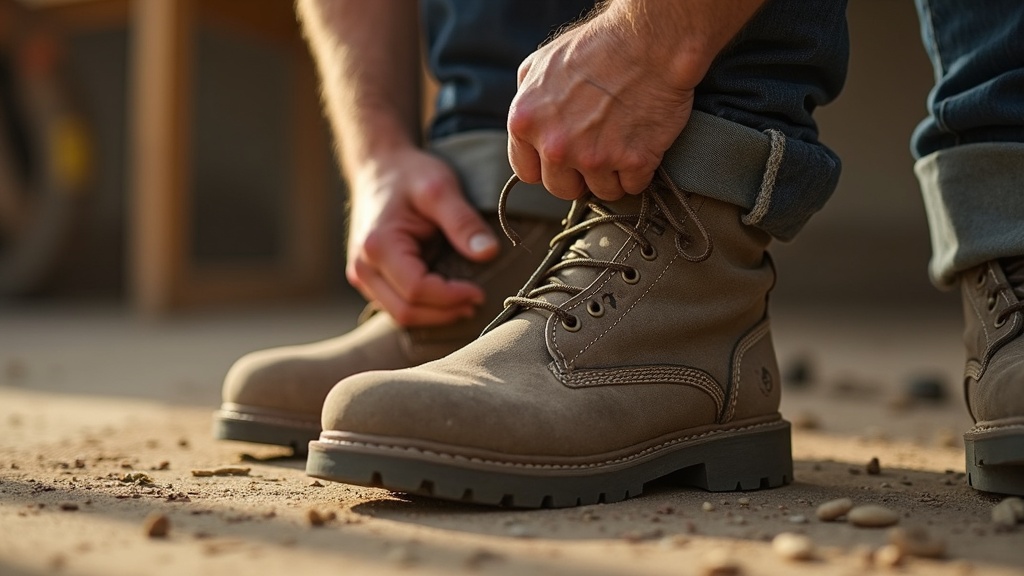
Boots pull socks down when the cuff sits at or below the collar, so the boot catches the top of the sock with every step. Heel lift makes it worse. If the heel rises inside the boot as you walk, the sock gets dragged down a little each time.
Smooth or rubber boot linings add to it, because the sock slides more easily against them. That's why rubber and pull-on boots are the worst for socks falling down.
Why do socks bunch up in boots?
Socks bunch up in boots when they're too big, when the elastic has worn out, or when the heel slips and drags the sock forward. A correctly sized sock with an arch band and a reinforced heel pocket stays flat.
Bunching matters because folds rub. A wrinkle under the toes for ten hours turns into a hot spot or a blister.
Why does one sock twist or slip and not the other?
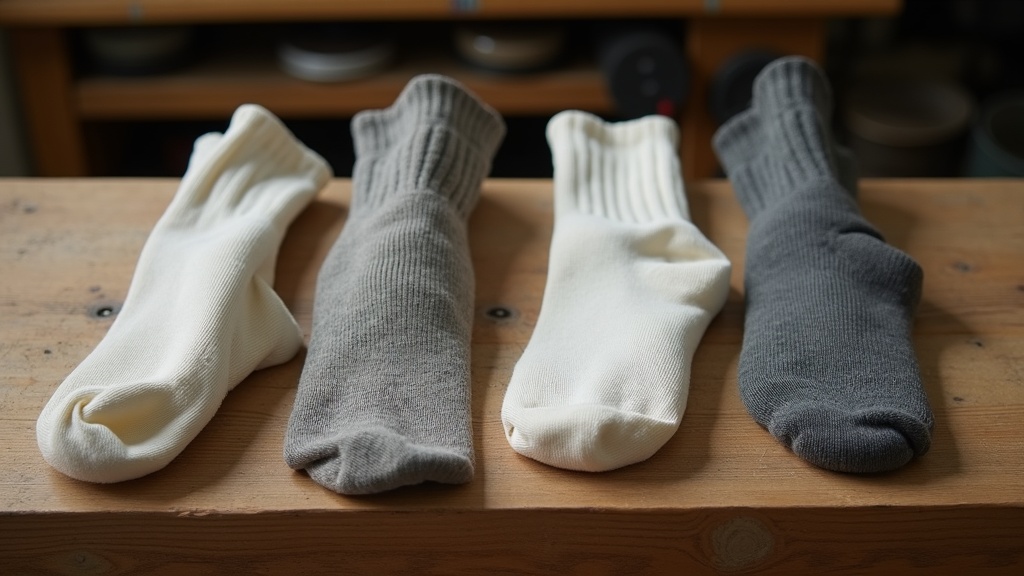
One sock usually twists or slips because one foot is slightly smaller, or one boot fits looser, so that heel moves more. Most people have one foot a little bigger than the other.
Lace the looser boot a little snugger over the instep. If that doesn't fix it, an insole can take up extra room in that boot.
Why do socks fall down in rubber and pull-on boots?
Socks fall down in rubber and pull-on boots because there are no laces to hold the heel, and the smooth lining lets the sock slide. The foot moves more inside the boot, so the sock gets dragged down with every step.
Wear a sock that's clearly taller than the boot, with an arch band. Folding the cuff over the boot top also helps. Rubber boots trap sweat too, and damp socks slide more, so a wicking blend matters here.
How do you keep socks up if you have bigger calves?
Socks stay up on bigger calves when the cuff is wide enough to sit flat without squeezing. A cuff that's too tight for the calf rolls down to the narrowest point of the leg, then the boot pulls it further.
Look for wide calf socks, or a sock with a non-binding cuff. If a sock leaves a deep ring on your leg, the cuff is too tight for you.
How do you stop socks slipping down in boots?
Socks stop slipping down in boots when the size matches your shoe size, the cuff grips above the boot collar, and an arch band holds the sock to the foot. If the heel lifts inside the boot, fix the boot fit too.
- Go taller: pick a height that clears the collar with room to spare.
- Lock the heel: lace snugly over the instep so the heel doesn't lift.
- Fill extra room: an insole can take up space in a roomy boot.
- Fold the cuff: in pull-on boots, folding a tall sock over the boot top holds it up.
- Replace worn socks: once the cuff stays stretched, it won't grip.
For which height suits your boots, see the guide to boot socks vs crew socks.
Is it better to get socks too big or too small?
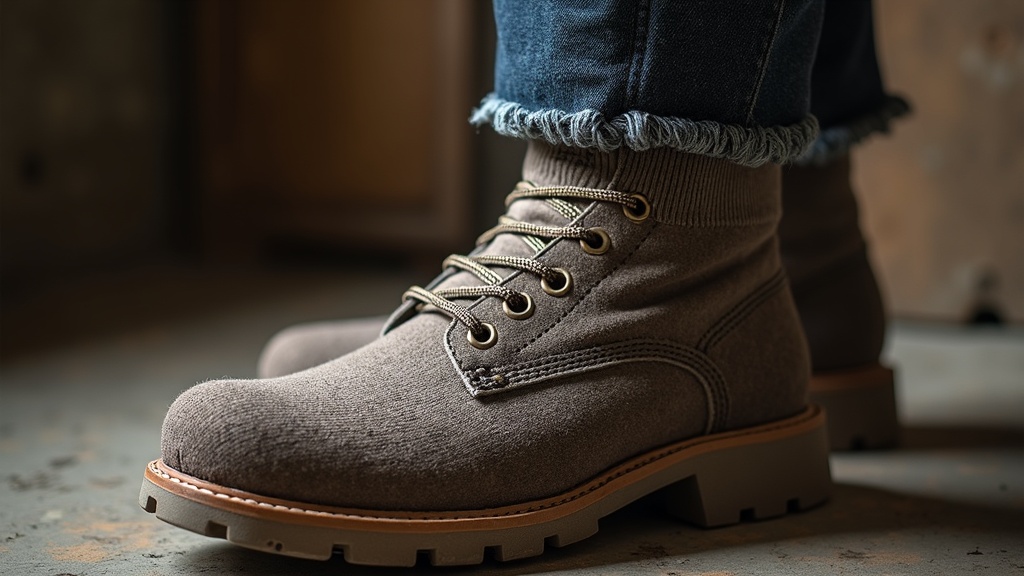
Neither is good, but a sock that's slightly snug is better than one that's too big, because a big sock folds and slides while a snug one stays put. A sock that's far too small gets pulled down by the boot and wears through at the heel.
Size by your shoe size, using the size chart on the product page. If you're between sizes, pick the one that matches your work boots.
What makes work socks stay up all shift?
Work socks stay up all shift when they have an arch band, a firm cuff that doesn't bite, the right height for the boot and elastic that hasn't worn out. A tight top alone won't do it, and it can leave a deep mark on your leg.
Elastic is the part that gives out first. Some workers say their socks lose their stretch after about 10 to 20 washes. High dryer heat speeds that up, so hang them dry or use a low setting.
What socks stay up on 12-hour shifts?
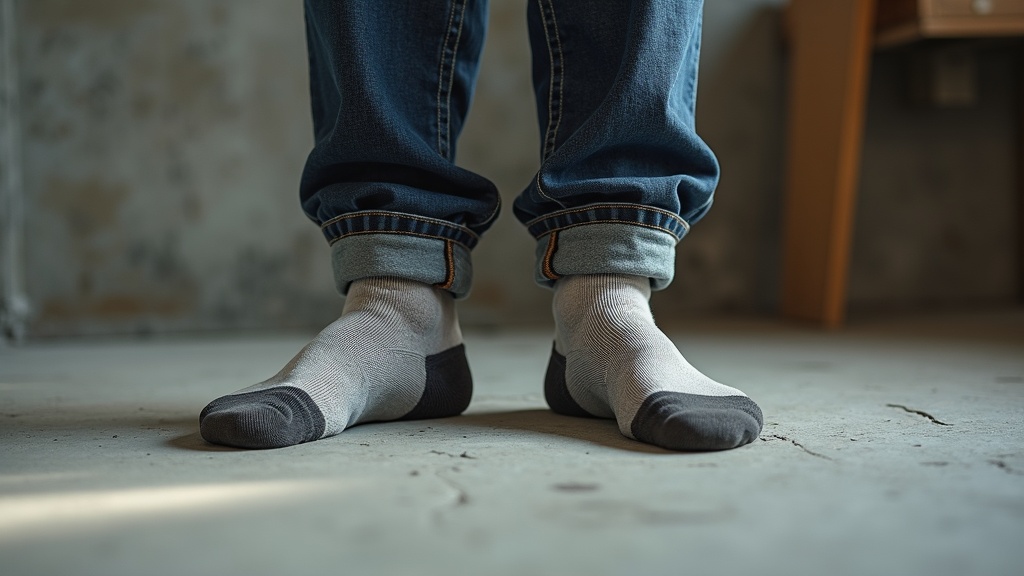
The socks that stay up best on 12-hour shifts have an arch band, a firm cuff, cushion under the heel and ball of the foot, and a wicking blend. Over twelve hours, damp socks stretch and slide more, so keeping feet dry helps socks stay up too.
On long shifts, a dry pair at lunch resets both. For more on long shifts, see the guide to the best work socks.
How does MASON keep boot socks up?
MASON designs its work socks to stay put. Every pair has:
- An Arch Strap that holds the sock to the middle of the foot
- A Double Cuffed Pull Tab, so the sock goes on fully and stays up
- A Reinforced Heel Cup that keeps the heel in place
- Cloud Cushioning under the heel and ball of the foot
For tall lace-up boots, pick Tradesman Boot Socks. If cuffs dig into your calves and roll down, Tradesman Wide Calf Boot Socks give the leg more room. Sizes fit US men's 6 to 15 and US women's 7 to 13. Every order comes with a 99-day money-back guarantee, and a lifetime warranty after that.
"They got a good grip and work as advertised and they almost go up to my knees and stay up without sliding down." Chris S., customer review
FAQ
How do you wear socks over boots?
To wear socks over boots, pull a tall sock all the way up, then fold the cuff down over the boot top. It works best with pull-on boots.
Why do my socks roll down at the top?
Socks roll down at the top when the cuff is too tight for your calf or the elastic is worn. A wider cuff or a fresh pair usually fixes it.
Do compression socks stay up better?
Compression socks stay up well because they fit tightly, but they're made for circulation. A work sock with an arch band and firm cuff stays up without the squeeze.
Which type of socks should you wear with boots?
Wear socks with boots that are taller than the boot collar, cushioned under the foot and snug at the arch. The guide to the best socks for work boots matches socks to boot types.
Next, see the guide to socks that prevent blisters in work boots.
