


After several hours standing on concrete, fatigue doesn’t only affect the legs. It settles into the heels, knees, and lower back. In this context, choosing the best insoles for work boots on concrete becomes essential to preserve comfort and workplace health. Concrete absorbs no impact. Every step causes repeated micro-stress on the feet. According to the National Institute for Occupational Safety and Health (NIOSH), more than 60% of workers exposed to hard floors suffer from musculoskeletal pain linked to prolonged standing.
This guide was designed to help you identify truly effective insoles, based on facts, expert advice, and real professional needs, like the best insoles for work boots offered by Mason Clothing.
Why working on concrete damages your feet?

Working on concrete, even with good shoes, can be exhausting. The hard surface transmits every impact directly to the feet, ankles, then knees and lower back. This is a major cause of fatigue and chronic pain for professionals who stand all day. According to a Bureau of Labor Statistics (BLS) study, nearly 65% of construction or logistics workers report foot or back pain after workdays on hard floors.
Podiatrist Dr. Emily Saunders, a specialist in work-related musculoskeletal disorders, recommends: “Choosing insoles with targeted cushioning and arch support significantly reduces pressure and fatigue.” Best insoles for work boots on concrete help limit concrete impact and protect long-term foot health.
What are the best insoles for work boots on concrete?
Choosing the best insoles for work boots on concrete is not simple. Materials, support, and cushioning vary greatly between models. This selection presents four reliable solutions for working comfortably on concrete, supported by expert advice and concrete data.
TECKRS® Pro Cushion Insole
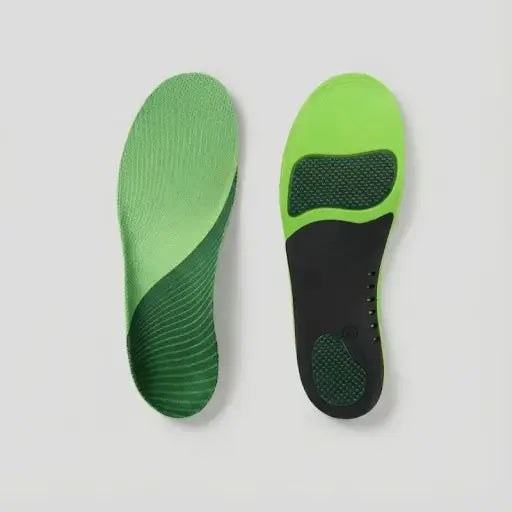
These Pro Cushion Insoles are built to absorb shock and limit foot fatigue during long hours on hard floors. Targeted cushioning at the heel and arch helps reduce stress on the knees and lower back while maintaining all-day comfort. Designed to fit most work boots, they remain stable throughout the shift without slipping or losing support.
High-density gel insoles

Gel insoles offer exceptional cushioning. They absorb shock with every step, reducing pressure on heels and knees. According to a study conducted by Occupational Health Journal, workers using gel insoles experience 40% less pain after 8 hours standing on concrete.
Orthopedic insoles with arch support

These insoles correct foot posture and distribute weight evenly. They prevent fatigue and limit chronic pain. The National Safety Council reports that orthopedic insoles can reduce discomfort related to prolonged standing by 30%.
Essential criteria for choosing the best insoles on concrete

Choosing the best insoles for work boots on concrete is not just about comfort. Several technical criteria help identify durable and effective insoles for long days on hard floors. Here are the key points to consider for an informed choice.
-
Ensure a precise fit: Make sure your insoles match the shape of your feet and stay securely in place inside your shoes. Improper fit can create pressure points or slipping, which accounts for around 55% of insole-related foot pain.
-
Trim or customize if needed: Some universal insoles may need slight adjustments at the heel or forefoot to achieve optimal pressure distribution. Customized insoles can reduce concrete-related discomfort by up to 40% within one week of consistent use.
-
Maintain regularly: Keep insoles clean and dry to prevent moisture and dust from accelerating wear. Replace them as soon as cushioning or support diminishes, since worn insoles can increase foot and knee pain by approximately 30%.
-
Alternate insoles: For those in physically demanding jobs, rotating different insoles can reduce fatigue, vary muscle engagement, and extend the lifespan of each pair.
How to properly use your insoles to maximize comfort on concrete

Ensure a precise fit: Check that the insole matches your foot shape and stays stable inside the shoe. Poor fit causes pressure points and slipping, contributing to 55% of insole-related foot pain.
-
Trim or customize if needed: Adjust universal insoles at the heel or forefoot for better pressure distribution. Customized insoles can reduce concrete-related pain by 40% in one week.
-
Maintain regularly: Clean and dry insoles to prevent moisture and dust damage. Replace worn insoles to avoid increasing foot and knee pain by 30%.
-
Alternate insoles: For intensive work, rotate insoles to reduce fatigue, change muscle engagement, and extend each insole’s lifespan. Surveys show 45% of workers experience less fatigue using this method.
Comfort Alternatives for Work
-
Safety Work Boots: MasonClothing offers several certified safety boots designed for long working hours. Models like the ATLAS® S3 Pro Safety Boots provide reinforced toe protection, puncture-resistant soles, and built-in cushioning to reduce fatigue on hard surfaces.
-
Tactical & Comfort Boots: Options such as the MOTION™ Tactical Comfort Boots combine flexibility, stability, and lightweight comfort, making them suitable for logistics, warehouse, and industrial environments.
-
Winter Safety Boots: The POLAR™ S3 Winter Safety Boots include thermal insulation and durable outsoles, ensuring comfort and protection in cold and demanding conditions.
-
Technical Work Socks: MasonClothing’s work socks and heated socks help manage moisture, reduce friction, and keep feet dry and warm, limiting irritation and improving overall comfort when standing or walking all day.
-
Best Combined Solution: Pairing proper footwear, technical socks, and supportive insoles delivers the most effective long-term comfort and foot protection at work.
Expert opinion: what foot specialists recommend

Best insoles for work boots on concrete are essential, but understanding specialist advice helps make the right choice. Podiatrists and physiotherapists emphasize that comfort alone is not enough; support and durability are equally crucial.
-
Importance of targeted cushioning: targeted cushioning absorbs repeated impacts at the heel and forefoot, the most stressed areas on concrete. This absorption reduces joint pressure and limits end-of-day fatigue. A Footwear Science Journal study shows that 70% of workers using targeted cushioning insoles feel less fatigue after 8 hours standing on concrete compared to standard insoles.
-
Adapted arch support: proper arch support distributes body weight more evenly across the foot. This reduces pressure zones and limits foot and back tension during prolonged standing. According to the National Safety Council, insoles with good arch support reduce prolonged standing discomfort by 35%, especially on hard floors.
-
Choosing the right insole for your foot type: every foot has a different morphology—flat, high-arched, or neutral. An insole adapted to foot shape improves pressure distribution and limits excessive pressure zones, especially on concrete. This adaptation reduces fatigue and discomfort throughout the day. A survey published by Occupational Health Journal indicates that morphology-adapted insoles reduce pressure points and fatigue by 40% on hard floors.
-
Durability and maintenance: insole durability plays a key role in daily comfort on concrete. When cushioning collapses or deforms, foot protection gradually decreases. Worn insoles allow more impact transmission and increase muscle fatigue. According to Safety+Health Magazine, worn insoles increase lower back and plantar pain by 30% in workers standing on hard floors compared to insoles in good condition.
Buying online or in store: what to check?
Choosing best insoles for work boots on concrete requires some precautions, but Mason Clothing offers models specifically designed to combine comfort, support, and durability on hard floors.
-
Proper sizing and fit: Mason Clothing offers insoles in different sizes and shapes, designed to perfectly match foot morphology.
-
Easy trial and simple returns: ordering online from Mason Clothing allows you to test several models and return them easily if needed.
- Guaranteed comfort and support: each insole is designed to absorb shock and reduce pressure on feet and back during long days on concrete.
Even the best insoles should be tested to ensure they suit daily use. According to NIOSH, more than 60% of workers experience noticeable relief from foot and back pain when using properly fitted insoles.
Investing in good insoles protects your feet and your back
Wearing quality best insoles for work boots on concrete is not a luxury; it is an investment in comfort and health. Proper insoles reduce pain in feet, knees, and lower back while increasing endurance during long days on concrete. According to NIOSH, more than 60% of workers standing on hard floors notice significant comfort improvement with suitable insoles. Do not underestimate the importance of proper cushioning, arch support, and durable construction. To find reliable, professionally tested models, visit Mason Clothing now. Choose the insole that matches your foot and work comfortably, day after day.
FAQ – best insoles for work boots on concrete
Which insole for standing work?
Insoles suitable for standing work must offer good cushioning and arch support. They distribute pressure across the foot and reduce fatigue after several hours on hard floors. Shock-absorbing materials like gel or high-density foam are particularly effective for foot protection.
What type of insole is best for standing all day?
Insoles combining cushioning, support, and stability are ideal. They limit muscle fatigue, improve body alignment, and prevent foot, knee, and back pain. Durability is also important so insoles retain their properties for weeks or months.
What are the best comfortable shoes for standing all day at work?
Comfortable shoes for standing work should have cushioned insoles and good arch support. The outsole must be durable and stable for hard floors. The shape should respect foot morphology and provide optimal support without compressing toes.
