


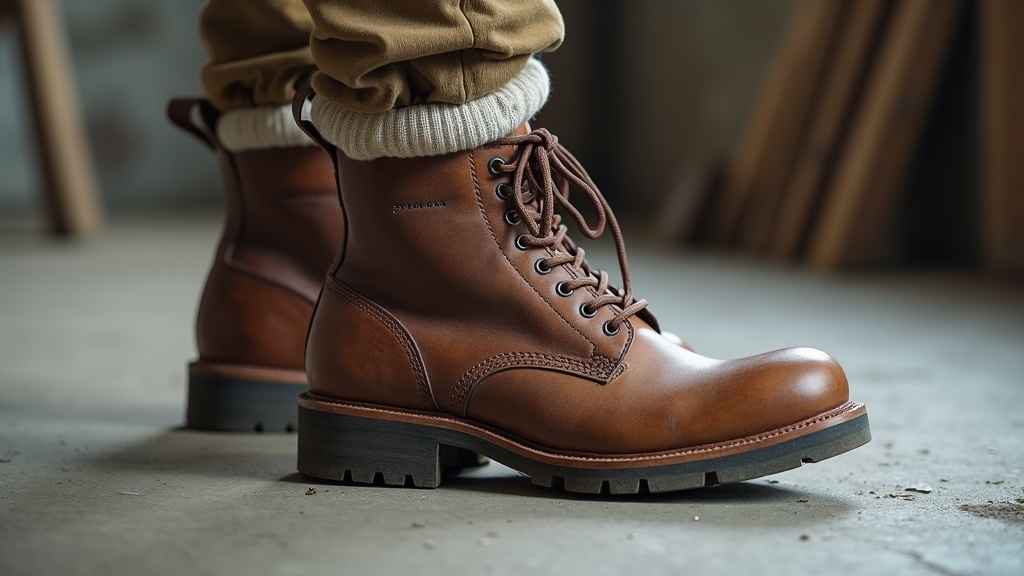
Your feet sweat through a full shift and by noon your boots smell like a locker room. That's not a hygiene problem. That's a materials problem, and the fix is simpler than you think.
The best merino wool socks for sweaty feet aren't about luxury. They're about keeping your feet dry, blister-free, and functional for ten-plus hours straight. Here's what actually works, and why.
Key points at a glance
- Cotton holds sweat against your skin. Merino pulls it away and keeps odor in check.
- The fiber blend matters: 60, 80% merino is the sweet spot for work use.
- Medium-weight cushioning is best for most boot wearers with hot feet.
- Merino beats synthetic on odor resistance across multi-day wear.
- Proper washing and rotation can double a sock's lifespan.
- A few standout merino brands consistently outperform the field for sweaty, hard-working feet.
What Merino Work Socks Do For You
Why Your Feet Sweat So Hard on the Jobsite (And Why Cotton Is the Problem)
Your feet have around 250,000 sweat glands. Put them inside a boot for eight hours of physical work and they're going to sweat hard. That's just biology.
The problem isn't the sweat. It's what your socks do with it. Cotton absorbs moisture and holds it. Once a cotton sock is wet, it stays wet. That wet fabric rubs against your skin every step you take, which is how blisters and hot spots start.
Cotton also goes cold when wet, and in a drafty warehouse or on a cold morning pour, that's a real discomfort issue. It's not the material for the job.
What Makes Merino Wool the Right Call for Sweaty Feet
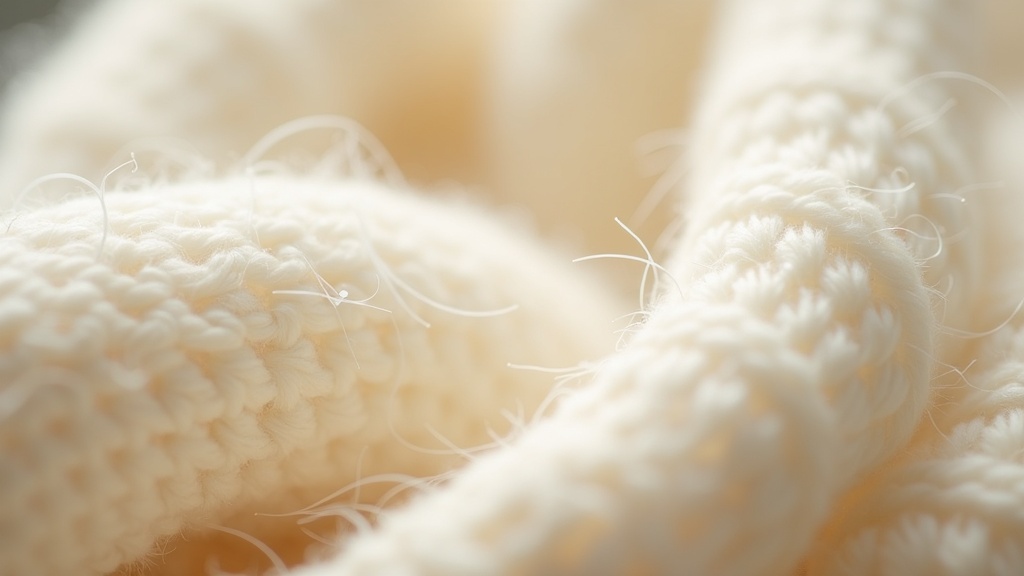
Merino wool works on a completely different principle than cotton. The fiber has a natural crimp structure that physically wicks moisture away from your skin and pushes it toward the outer surface of the sock, where it can evaporate.
It also contains lanolin, a natural waxy substance that inhibits the bacteria responsible for foot odor. That's why a merino sock can survive two or three wears before it smells, while a synthetic or cotton sock hits the wall after one hot shift.
Read also: Orthopedic Work Boots: Comfort, Support & Expert Recommendations in 2026
Did you know?
Merino wool fibers measure 18, 24 microns in diameter. Human hair averages 70 microns. That's why merino feels soft against skin instead of itchy like regular wool, and why it can be worn directly against sensitive feet all day.
On top of odor and moisture control, merino regulates temperature in both directions. It keeps feet cooler in summer and warmer in winter, which matters when you're working through variable conditions over a long shift.
What to Look For Before You Buy: Blend, Weight, and Cushion
The Merino Percentage
Pure merino is soft but not always durable enough for hard use. A blend of 60, 80% merino with nylon (typically 15, 30%) gives you the moisture management you need plus the structural durability to survive boot friction over hundreds of wears.
Sock Weight
- Lightweight: Best for warmer climates or when you run hot. Breathable and low-bulk inside a snug boot.
- Medium weight: The all-rounder. Works year-round and provides enough cushion for concrete and hard floors.
- Heavyweight: For cold environments only. Adds warmth but can trap too much heat if your feet already sweat heavily.
Cushion Placement
For sweaty work feet, look for targeted cushion at the heel and ball only. Full-foot cushion adds bulk and can reduce airflow. Targeted padding protects the impact zones without turning your sock into an oven.
The Best Merino Wool Socks for Sweaty Feet, Ranked Straight
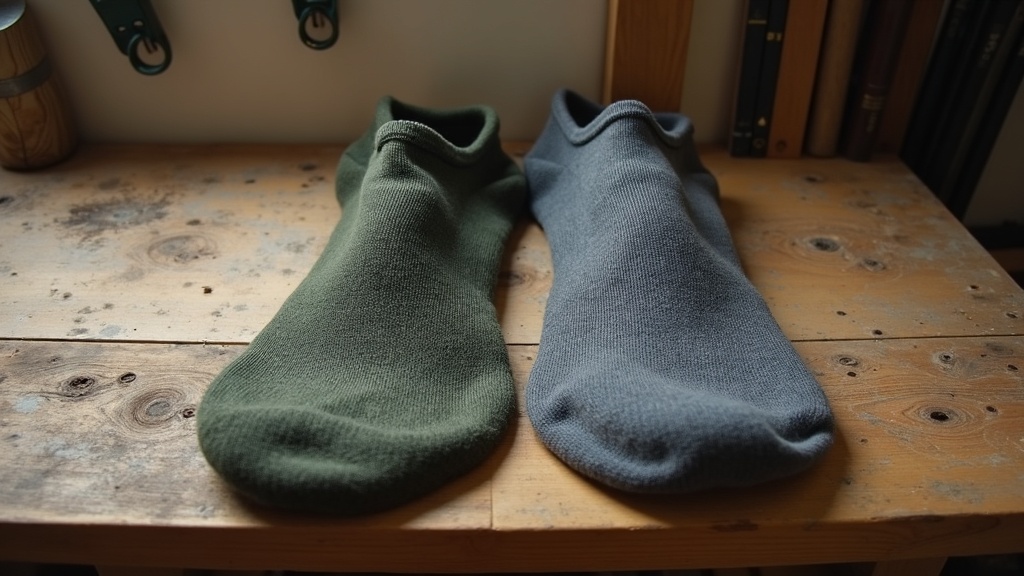
These picks are based on what holds up in real work conditions, not in a lab. Each one earns its spot for a specific reason.
1. Darn Tough Hiker Micro Crew Cushion
Made in Vermont, unconditional lifetime guarantee. The 61% merino blend handles moisture and odor better than most. Medium cushion, snug fit that doesn't bunch inside boots. A top pick for merino wool work socks that take a beating.
2. Smartwool Performance Work Heavy Crew
Smartwool's work line uses Indestructawool technology, reinforcing the high-wear zones at the heel and toe with extra nylon. Good choice if you're on concrete all day and need impact protection alongside sweat control.
3. Farm to Feet Broken Ridge Lightweight
100% American merino wool. Slim profile, breathable, and genuinely odor-resistant through multi-day use. Best for workers who run hot and need a sock that won't bulk up inside a tight boot.
4. Icebreaker Merino Hike+ Medium Crew
New Zealand merino, 53% content. Sits slightly lower on the merino percentage but still performs well on moisture. The reinforced footbed makes it a solid everyday work pick at a mid-range price.
5. Wigwam Merino Wool Comfort Hiker
Value leader. Not the thinnest or the most technical, but the price-per-wear ratio is hard to beat for guys who need multiple pairs in rotation without spending a fortune per sock.
Merino vs. Synthetic: Which Actually Wins for Sweat Control
Synthetics like polyester and nylon wick moisture fast, and that speed is their main selling point. But they don't handle odor. After one hard shift, a synthetic sock has bacteria breeding in the fibers and it's hard to wash out completely.
| Feature | Merino Wool | Synthetic | Cotton |
|---|---|---|---|
| Moisture wicking | Excellent | Excellent | Poor |
| Odor resistance | Excellent | Poor | Poor |
| Temperature regulation | Very good | Moderate | Poor when wet |
| Durability | Good (better with nylon blend) | Excellent | Moderate |
| Price per pair | $18, $35 | $8, $18 | $4, $12 |
| Multi-day wearability | 2, 3 wears | 1 wear | 1 wear |
Merino costs more upfront. But when you factor in odor resistance across multiple wears and a lifespan of two or more years with a quality pair, the cost per wear often comes out lower than cheap synthetic packs.
Read also: Best Insoles for Work Boots: Expert Guide for Comfort and Support
Did you know?
Foot odor is caused by bacteria breaking down sweat, not the sweat itself. Merino wool's natural lanolin content creates a mildly acidic environment that slows bacterial growth, which is why merino stays fresher longer than any synthetic fiber on the market.
How to Make Your Work Socks Last Longer (Simple Habits That Work)
A $28 pair of merino socks is a decent investment. Here's how to protect it.
- Wash on cold, gentle cycle. Hot water breaks down merino fibers faster than anything else. Cold water and a gentle spin are all you need.
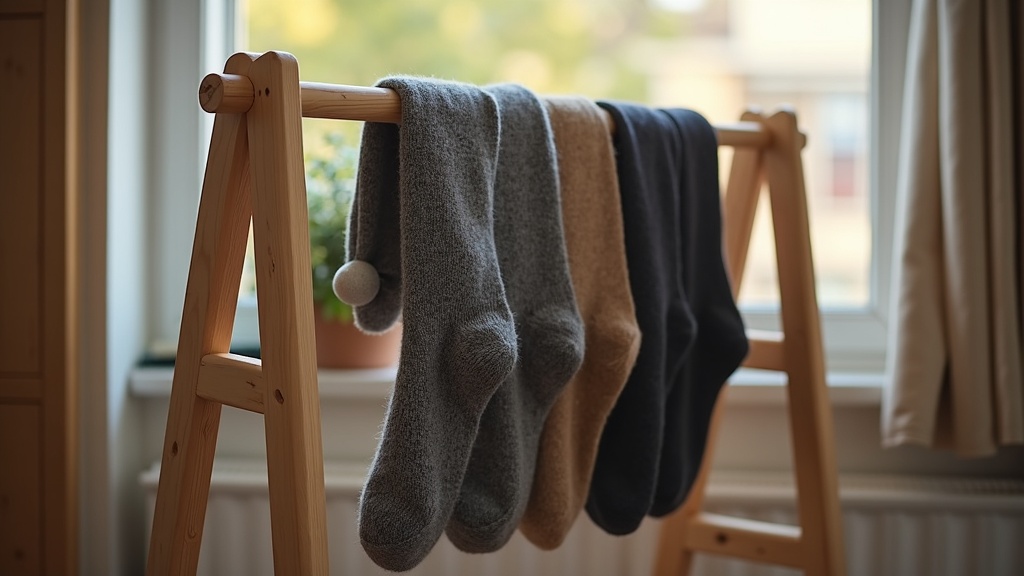
- Air dry only. The dryer is the number one killer of merino. Hang them or lay flat. Takes a few hours, saves months of lifespan.
- Rotate at least three pairs. Wearing the same pair daily compresses the fibers without enough time to recover. Three pairs in rotation dramatically extends each pair's life.
- Turn inside out before washing. Most of the bacteria and dead skin cells are on the inside surface. Washing from the inside out gives you a cleaner sock.
- Never wring them out. Squeeze gently, don't twist. Twisting stretches the knit structure and causes premature wear at the heel and toe.
One more thing: replace them before they fail, not after. A thinning heel means the cushion and fiber structure are gone. Wearing degraded socks defeats the whole purpose. Watch for wear at the ball and heel every few months.
