


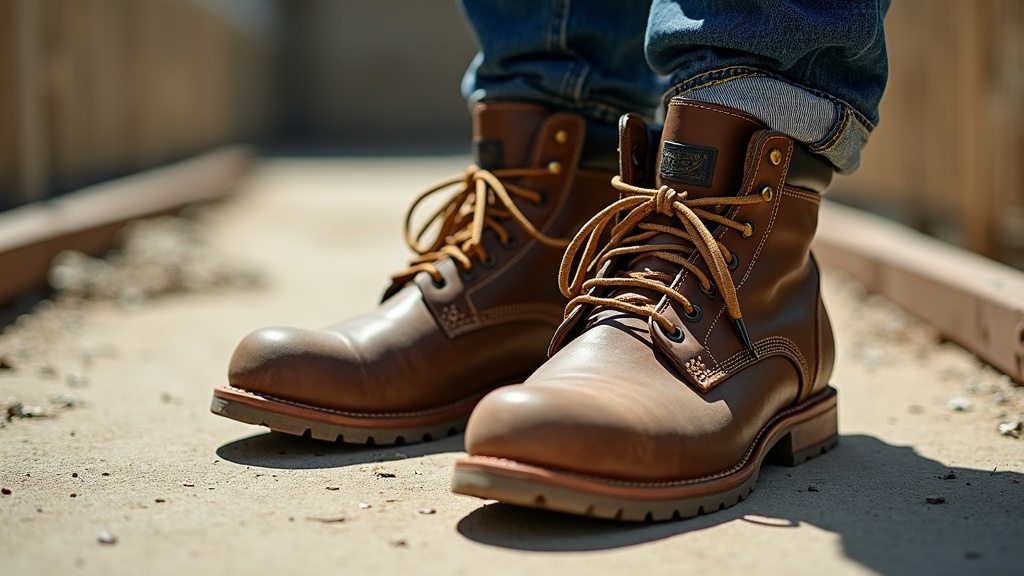
By the time you hit noon on a July jobsite, your boots feel like a slow cooker. You're not imagining it. The sock you pulled on at 5 a.m. is holding every bit of that heat and sweat against your skin.
The good news: the right sock actually fixes this. Not marketing talk, not a gimmick. The right fiber, the right weave, the right weight make a measurable difference when you're working in 95-degree heat with steel toe boots on your feet all day.
Key points at a glance
- Cotton holds moisture and cooks your feet. Swap it out.
- Merino wool regulates temperature and resists odor naturally.
- Moisture-wicking synthetics work well but need airflow to do their job.
- Cushioning matters most at the heel and ball of the foot, not all over.
- Fit inside the boot matters as much as the sock material itself.
- Rotating two or three pairs per week extends sock life significantly.
What a good summer work sock actually gives you
Why Your Socks Are Cooking Your Feet (And It's Not Just the Weather)
A work boot is not ventilated. Most steel toe boots seal your foot in a pocket of trapped air. Every step pushes warm, wet air against your skin. Your sock sits right in the middle of that.
If that sock absorbs moisture and holds it, your foot stays wet. Wet skin gets hotter faster, blisters easier, and breaks down quicker under friction. The boot is doing its job. The sock is failing at its one job.
What Makes a Sock Trap Heat vs. Let It Out
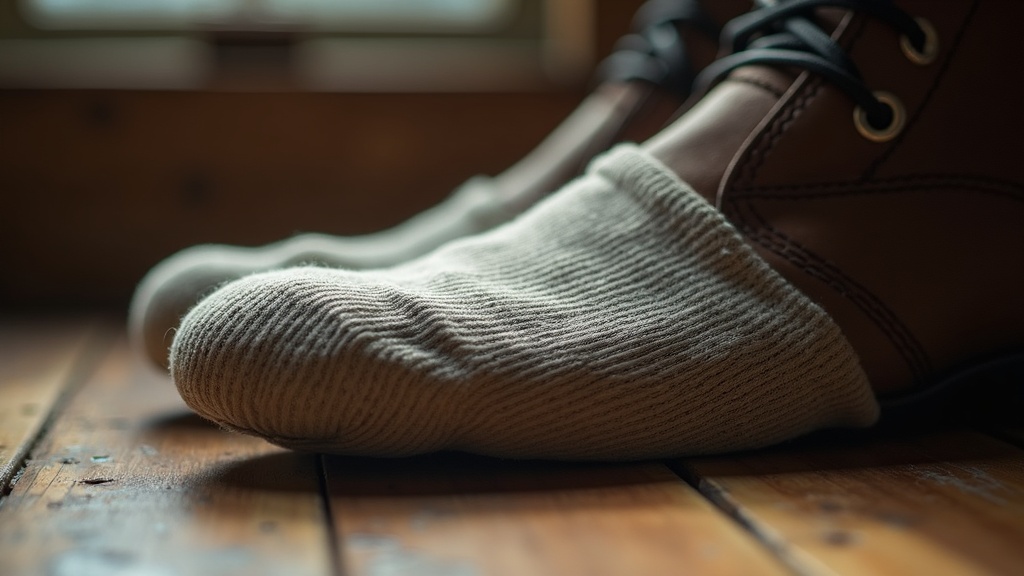
Two things drive heat buildup: fiber type and weave structure. A dense weave with no airflow channels acts like insulation. A fiber that holds water turns your sock into a wet compress.
Socks designed for summer work use either open-knit zones, ventilation channels along the arch and instep, or moisture-wicking fibers that push sweat outward instead of absorbing it. Sometimes all three.
The airflow problem inside a work boot
Unlike a trail runner or a sneaker, a work boot doesn't flex much and rarely has mesh panels. That means the sock itself has to do almost all the thermal work. Ventilation channels in the sock become the only path for heat to escape.
Did you know?
The average worker's foot produces close to half a pint of sweat per day. In a sealed work boot on a hot jobsite, that number can go higher. A moisture-wicking sock moves that moisture away from the skin before it raises the temperature inside the boot.
Best Sock Materials for Summer Work: Wool, Synthetic, or Blend
There are three real options for hot-weather work socks. Each has a place depending on your conditions and how long your shift runs.
Merino wool
Merino wool is the top performer for all-day shifts in heat and humidity. It moves moisture, regulates temperature in both directions, and resists odor without any chemical treatment. A merino sock from day one smells fine at day's end. That's not true for most synthetics.
Moisture-wicking synthetics
Polyester and nylon blends wick moisture fast and dry faster than wool. They're lighter and cheaper. The downside: they trap odor quickly, and they don't buffer temperature as well when the humidity climbs.
Wool-synthetic blends
The practical middle ground. You get merino's temperature regulation and odor resistance with added durability from nylon reinforcement at the heel and toe. Most of the best heavy-duty work socks for summer use a 60/40 or 70/30 merino-nylon blend.
| Material | Heat Management | Odor Resistance | Best For |
|---|---|---|---|
| Merino Wool | Excellent, regulates both ways | Excellent, natural | Long shifts, hot and humid sites |
| Merino/Nylon Blend | Very good, added durability | Very good | Heavy-duty work, multi-day use |
| Polyester/Nylon Synthetic | Good moisture wicking, less buffering | Fair, fades quickly | Short shifts, dry heat |
| CoolMax / Coolwick Blends | Good, channel-based wicking | Fair | High-output physical work |
| Cotton | Poor, holds moisture against skin | Poor after first hour | Avoid for work boots in summer |
Top Picks: Summer Work Socks That Don't Trap Heat
These aren't paid placements. These are the brands and styles that show up repeatedly in real worker reviews and hold up past the first few washes.
- Darn Tough Hiker Micro Crew (Merino): Made in Vermont, unconditional lifetime warranty, merino-nylon blend. Built for all-day use in hot conditions and genuinely holds up to hard use.
- Smartwool Performance Work Medium Cushion: Good arch support, merino blend, targeted cushioning only where you need it. Doesn't overheat the foot like a full-cushion sock.
- Carhartt Force Midweight Crew: Budget-friendly, synthetic moisture-wicking, Fast Dry technology. Better for shorter shifts or drier climates.
- Wigwam Cool Lite Pro Crew: Lightweight merino blend with ventilation knitting on the instep. One of the better options if you run hot and want the thinnest profile inside your boot.
- Thorlos Thick Cushion Work Boot Sock: Padded specifically for steel toe boot wear. Not the lightest, but the cushioning placement reduces foot fatigue on concrete slabs all day.
What to Avoid: Sock Features That Make Hot Days Worse
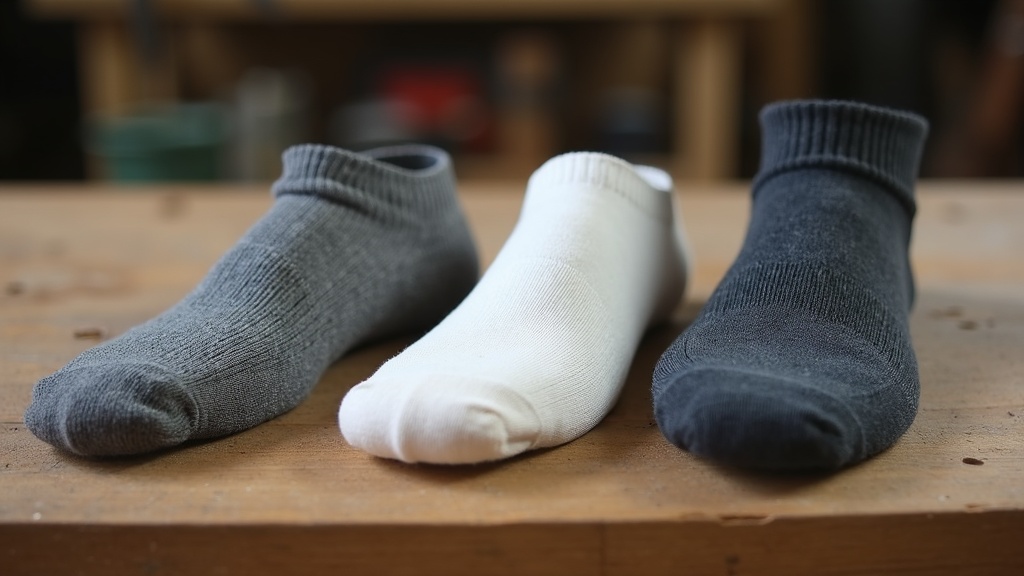
Some sock features that look good on paper are actually problems in summer work conditions.
- Full-foot thick cushioning: More material means more trapped heat. You want cushioning at the heel and ball only.
- 100% cotton construction: Cotton absorbs moisture and holds it. Your foot stays wet the entire shift.
- Low-quality elastic at the cuff: When the cuff loses tension, the sock bunches inside the boot and creates friction points. That's where blisters come from.
- Excessive seaming at the toe: A bulky toe seam rubs against the inside of a steel toe cap all day. That's a blister waiting to happen by hour four.
Did you know?
Merino wool fibers have a natural crimp that creates tiny air pockets within the fabric. Those pockets slow heat transfer, which is why a merino sock can actually keep feet cooler than a thin cotton sock at the same weight.
Do Thicker Socks Help or Hurt in Summer Work Boots
In general, thicker means hotter in summer. But the answer isn't as simple as going paper-thin. Zero cushioning on a concrete floor for ten hours is its own kind of punishment.
The target is a medium-weight sock with strategic padding: reinforced heel, padded ball of foot, thinner through the arch and instep. That gives you protection without trapping heat across the entire foot surface.
What about breathable socks for steel toe boots specifically?
Steel toe caps have no flex and no ventilation. They also create a pressure point across the top of the toes. A sock that's too thick under a steel cap compresses and becomes a heat sponge. Aim for no more than medium cushion and a smooth, flat toe closure when you're working in steel toes all day.
How to Make Any Work Sock Last Longer on the Job
The best sock in the world wears out fast if you're washing it wrong or running the same pair every day. A few habits extend life significantly.
- Rotate at least three pairs per week. Letting the fibers recover between wears keeps the cushioning from going flat.
- Wash in cold or warm water, not hot. Hot water breaks down elastic and shrinks merino faster than anything else.
- Air dry when possible. High dryer heat degrades elastic and damages merino fiber structure over time.
- Turn socks inside out before washing. It protects the outer face of the fiber and cleans the interior where skin contact happens.
- Replace when the heel or toe pad thins out. A worn-through heel pad is a blister by the end of the first hour.
The Bottom Line for Hot-Weather Sock Buying
You don't need to spend a lot to do this right. You need to stop buying cotton multipacks from the hardware store checkout lane and spend six to twelve dollars per pair on a merino blend or a quality moisture-wicking sock with a decent return policy.
Three pairs at ten dollars each outlasts six pairs of cheap cotton socks on a summer jobsite. Your feet stay drier, cooler, and blister-free. That pays for itself in two weeks of not stopping to deal with foot problems during a shift.
Buy once. Buy smart. Wear them until the warranty runs out. That's the whole strategy.
