


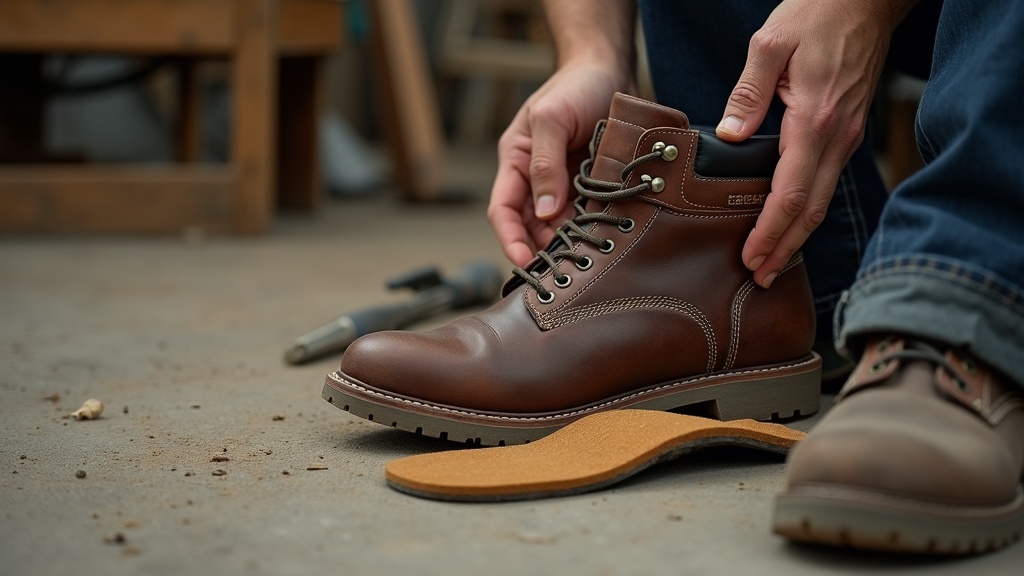
Your feet are taking a beating on that jobsite. Ten, twelve hours on concrete, gravel, and steel decking, carrying weight, climbing scaffolding. The boots do most of the work but the insoles are what stand between your foot and all that punishment.
Most stock insoles that come with work boots are flat, thin foam slabs that compress into nothing by mid-morning. Swapping them out is one of the cheapest, most effective upgrades you can make. Here is exactly how to do it right.
Key points at a glance
- Stock insoles flatten out fast. A quality aftermarket insole lasts months, not weeks.
- Arch support matters more than cushion for all-day concrete work.
- Gel and foam each have a specific use case. Knowing which one fits your job saves you money.
- Steel toe boots need slim, rigid-base insoles so the fit is not ruined by extra bulk.
- Women working construction have fewer options but some brands get it right.
- The right insole can cut foot pain and reduce knee and back fatigue over a full shift.
What a good work boot insole does for you
Why Your Stock Insoles Are Failing You by Lunchtime
Boot manufacturers keep costs down by throwing in the cheapest foam insert they can source. It is not sabotage, it is just economics. That foam has a compression memory of roughly zero, meaning after a few hours it is as flat as cardboard.
Flat insoles mean your heel is striking hard surface on every single step. Multiply that by 8,000 to 10,000 steps on a shift and you understand why your feet, knees, and lower back are cooked by 2 PM.
What to Look For in a Construction Work Boot Insole
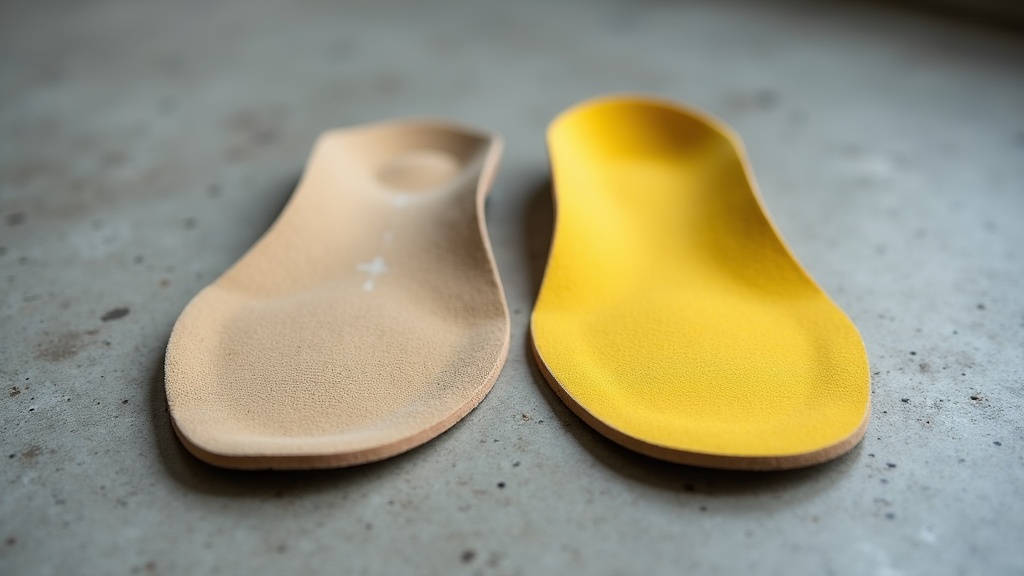
Not every insole sold at the hardware store is worth your money. Here is what actually separates a useful insert from marketing padding.
Arch support first, cushion second
You need a rigid or semi-rigid arch plate underneath the foam or gel. Cushion alone collapses. A structured arch keeps your foot in neutral position for the whole shift.
Heel cup depth
A deep heel cup stabilizes your foot inside the boot and stops lateral roll. On uneven ground, that is the difference between a stable step and a rolled ankle.
Top cover material
Look for moisture-wicking fabric, not bare foam. Foam gets wet, stays wet, and causes blisters. A treated polyester or antimicrobial top cover handles sweat and controls odor across a full shift.
Thickness versus fit
Thicker is not always better. If an insole is too thick, it pushes your foot up and your toes into the steel cap. Trim-to-fit designs solve this, but always try the insole in the boot with your work socks before the first shift.
Did you know?
The American Podiatric Medical Association reports that 77% of Americans experience foot pain at some point, and occupational standing on hard surfaces is one of the top contributing factors. Workers who use orthotic or supportive insoles report measurably lower rates of plantar fasciitis and heel pain after six months of consistent use.
Best Insoles for Work Boots on Construction Sites (Ranked)
These are not paid placements. These are picks based on what holds up across a real workday, based on materials, structure, and what workers on concrete and uneven ground actually report.
- Superfeet GREEN: The gold standard for arch support. Rigid carbon fiber shell, deep heel cup, low-profile top cover. Works in almost any lace-up work boot.
- Dr. Scholl's WORK Massaging Gel: Budget-friendly, widely available, solid for medium-duty days. The gel heel and forefoot pads do real work on flat concrete.
- Timberland PRO Anti-Fatigue Technology: Inverted cone geometry absorbs impact and returns energy. Designed specifically for work boot use, trim-to-fit, good for wide feet.
- Sof Sole Work: Gel heel insert with foam arch, affordable, fits most boots without trimming. Mid-tier choice for rotating crews.
- Powerstep Pinnacle: Strong semi-rigid arch, deep heel cradle, and a top cover that actually breathes. Good crossover from podiatrist-recommended to jobsite-ready.
Gel or Foam: Which One Actually Holds Up on the Job
This question comes up constantly. The short answer: both have a place, and the right choice depends on what your shift looks like.
| Type | Best For | Weakness | Lifespan |
|---|---|---|---|
| Gel | Heel and forefoot impact on concrete | Heavy, can shift inside the boot | 4 to 6 months |
| Memory Foam | Conforms to foot shape, comfort on varied terrain | Compresses permanently over time | 3 to 5 months |
| EVA Foam | Lightweight, good for active movement | Less impact absorption than gel | 3 to 4 months |
| Semi-rigid Orthotic Shell | All-day arch support, prevents fatigue | Stiff feel takes a few days to adjust | 6 to 12 months |
| Dual-layer (Gel + Foam) | Best balance for mixed jobsite conditions | Thicker, may not fit tight steel toe boots | 5 to 8 months |
If you are standing still on poured concrete for most of the day, gel wins for raw shock absorption. If you are climbing, walking uneven ground, and moving constantly, a semi-rigid foam insole with an arch shell is what you want.
Best Insoles for Standing All Day on Concrete
Concrete is the hardest surface a human foot encounters regularly. It has zero give. Every pound of force you put into a step comes right back up through your heel.
For standing-heavy work, prioritize these features in this order: deep heel cup, metatarsal pad for forefoot relief, then cushion material. The Timberland PRO Anti-Fatigue and Superfeet GREEN both deliver this stack. For workers with plantar fasciitis specifically, the Powerstep Pinnacle is the most targeted option available without a custom orthotic prescription.
Best Options for Steel Toe Boots (Fit Matters More Than You Think)
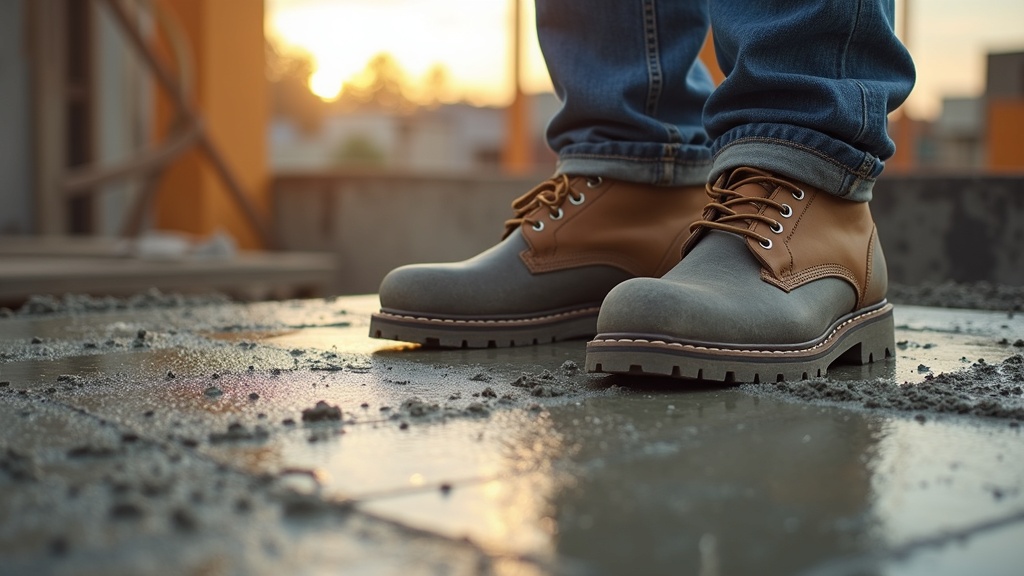
Steel toe boots already have a shorter interior volume at the toe box. Add a thick insole and your toes are getting compressed against the cap all day. That causes numbness, not comfort.
What to look for in steel toe insoles specifically
- Low-profile forefoot (under 4mm at the toe end)
- Most of the structure concentrated at the arch and heel, where the space exists
- Trim-to-fit design so you can remove the toe section cleanly
The Superfeet GREEN trims cleanly and keeps the forefoot thin. Sof Sole Work is another good call here because it stays relatively flat at the toe. Avoid thick dual-layer insoles in steel toe boots unless you have already sized up a half size specifically for insole use.
Did you know?
A study published in Applied Ergonomics found that workers using cushioned insoles on hard industrial floors reduced lower limb discomfort scores by up to 42% compared to control groups wearing only stock insoles after a four-hour standing period.
Best Insoles for Work Boots Construction Women
Women's work boots often come with even thinner stock insoles than men's, and women's arch geometry is different enough that a unisex insole frequently misses the mark.
Superfeet makes a BERRY model cut specifically for women's foot shape, with a higher arch position and a narrower heel cup. Powerstep Pinnacle is also available in women's sizing with the same semi-rigid shell. If you are buying a men's-specific insole and trimming it down, you are probably placing the arch support at the wrong point in your foot. Buy women's sizing when it is available.
Should You Wear Insoles in Work Boots at All?
Short answer: yes, unless your boots already have a built-in orthotic footbed rated for your type of work. That is rare outside of premium boots in the $300-plus range.
Some workers worry insoles will throw off the break-in of a new boot or cause the boot to fit differently. That is a valid concern but easily handled. Put the insole in before you wear the boot for the first time. Break in the boot with the insole already seated. Your foot, boot, and insole shape together as one system.
How to Stop Your Feet from Hurting Before the Shift Ends
The insole alone is not the whole answer. Here is the full stack that actually works.
- Right insole, right boot size: If you sized your boots without factoring in an insole, go up a half size on the next pair.
- Merino or moisture-wicking socks: Cotton socks hold sweat against your skin and cause friction blisters. A mid-weight wool or synthetic work sock paired with a good insole changes your whole day.
- Replace insoles on a schedule: Most construction-grade insoles need replacing every 4 to 6 months with daily use. Mark it on a calendar.
- Foot stretches before the shift: Two minutes of calf stretches and plantar fascia rolls before you start reduces inflammation buildup over a ten-hour day.
- Alternate boots if possible: Two pairs of boots in rotation, each with fresh insoles, extends the life of both pairs and gives the cushion time to decompress between shifts.
The Bottom Line: What to Buy Based on Your Work and Your Budget
Here is the practical breakdown, no filler.
- All-day concrete, tight budget ($15 to $25): Dr. Scholl's WORK Massaging Gel. Not perfect but a real upgrade over stock.
- All-day concrete, mid-budget ($35 to $50): Superfeet GREEN or Timberland PRO Anti-Fatigue. Either one will get you through a 12-hour shift in better shape.
- Steel toe boots specifically: Superfeet GREEN, trimmed at the toe. Stays slim where it needs to.
- Women working construction: Superfeet BERRY or Powerstep Pinnacle in women's sizing.
- Plantar fasciitis or heel pain: Powerstep Pinnacle or a podiatrist-fitted custom orthotic. At that point, spending $50 on an OTC insole is still cheaper than a cortisone shot.
- Mixed terrain, active movement: Timberland PRO Anti-Fatigue. The energy return geometry earns its price on varied ground.
Your feet carry everything on that site. A $40 insole is not a luxury. It is cheap insurance against the kind of chronic pain that can pull you off the job for weeks.
