


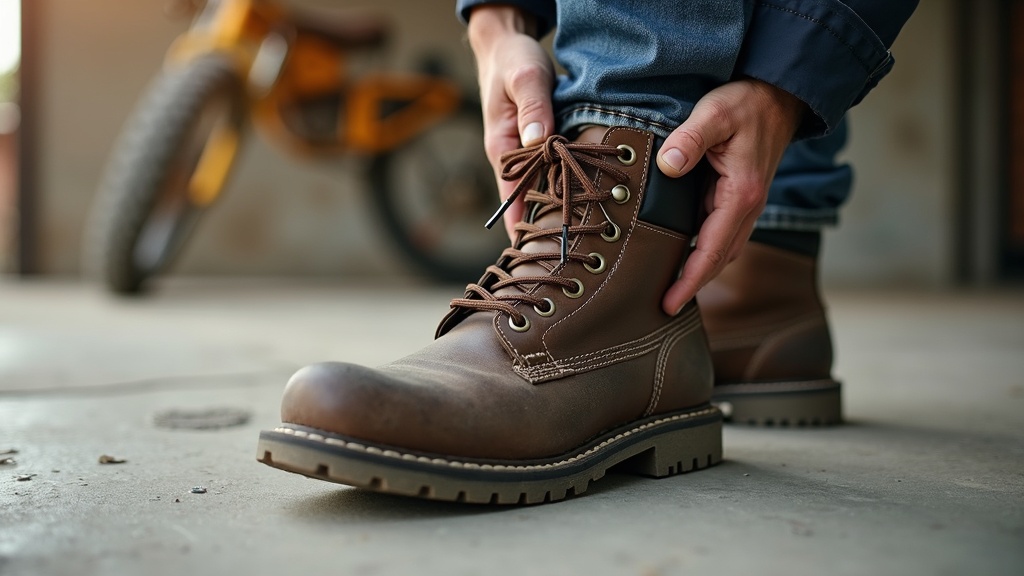
Your feet spend ten hours locked inside a boot. Whatever sock you choose at 5 a.m. is the sock you live with all day. Get the material wrong and you're dealing with blisters, hot spots, and that sour smell no amount of boot spray fixes.
This is a straight rundown of every major sock material on the market, what each one actually does under load, and which one earns a spot in your drawer.
Key points at a glance
- Cotton holds moisture against your skin and is the worst choice for sweaty feet on long shifts.
- Merino wool moves moisture away, regulates temperature, and resists odor better than any synthetic.
- Polyester and nylon blends dry fast and take real abuse, but they trap odor over time.
- Acrylic and polypropylene are solid budget alternatives if you know their limits.
- Cushioning, height, and compression matter as much as fabric for all-day comfort.
- For most trades, a merino-nylon blend gives the best balance of performance and durability.
What a Great Work Sock Does For You
Why Your Sock Material Matters More Than You Think (Especially on a Long Shift)
A blister that starts at hour three doesn't get better by hour ten. Wet feet lose friction against the boot lining, which means the skin slides, folds, and tears. That's the mechanical reason blisters happen, and fabric is the first variable you can control.
Beyond blisters, moisture trapped against the foot creates the conditions for fungal infections and trench foot in cold months. The right material doesn't just feel more comfortable. It actually keeps you healthier on the job.
Cotton Socks: Why They're the Wrong Call for Sweaty Feet
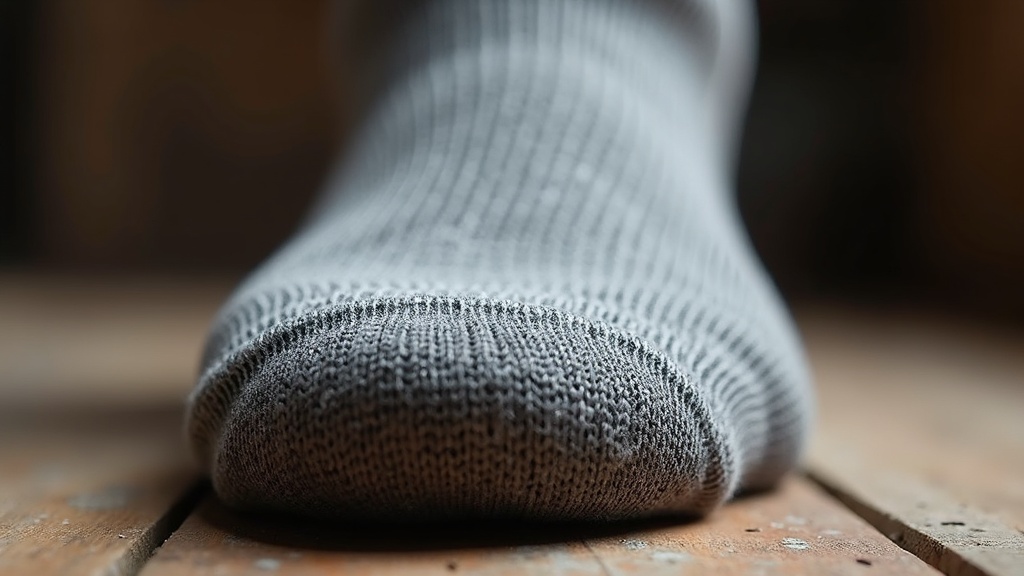
Cotton absorbs moisture. That's actually the problem. It soaks up sweat and holds it right against your skin, turning into a wet compress inside your boot by mid-morning.
Wet cotton loses nearly all of its cushioning, so the padding you thought you had is gone exactly when you need it most. It also dries slowly, which means bacteria have all the time they need to do their work.
Cotton socks are fine for casual wear or a short errand. On a job site, in a warehouse, or anywhere you're on your feet for eight-plus hours, they're the wrong tool.
Did you know?
The average person's feet can produce up to half a pint of sweat per day. On a physical job in hot conditions, that number goes higher. Cotton can absorb up to 27 times its weight in water, which sounds impressive until you realize all that water is sitting on your skin.
Merino Wool: The Premium Option That Actually Earns Its Price
Merino wool is the gold standard for best work socks for sweaty feet, and the reason is straightforward: it wicks moisture away from skin and releases it into the air, even when the sock is already partially saturated.
It also regulates temperature in both directions. Merino keeps your feet cooler in summer and warmer in winter, which is why it's the only material that works year-round without needing a seasonal swap.
The odor advantage
Wool fiber contains lanolin, a natural wax that has antimicrobial properties. Merino socks genuinely resist odor longer than any synthetic, which matters when you're pulling doubles or traveling for work.
The downside
Pure merino wears through faster than blended versions. Most quality merino work socks use 15 to 20 percent nylon at the heel and toe to solve this. That blend is the sweet spot.
Polyester and Nylon Blends: The Workhorse Choice for Hard-Use Days
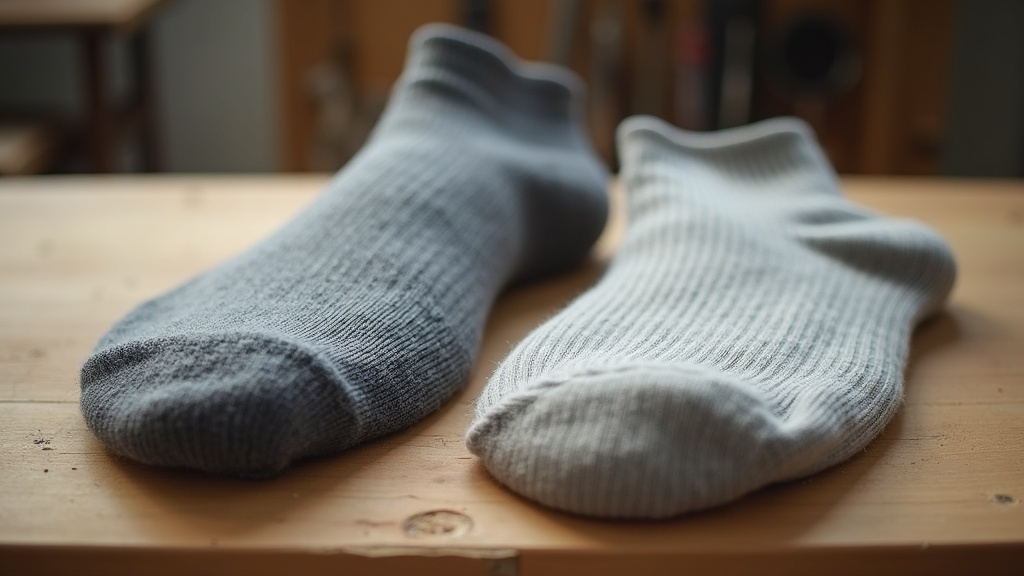
Polyester doesn't absorb moisture at all. It pushes it outward through capillary action, which is what the term moisture wicking actually describes. The result is a sock that dries fast and stays light on your foot.
Nylon adds tensile strength. A polyester-nylon blend holds up to the friction of a steel-toe boot far better than wool alone. These are the socks you reach for when durability is the priority.
The catch with synthetics
Bacteria love synthetic fibers. Without the antimicrobial properties of wool, polyester and nylon socks build up odor faster. They need to be washed after every shift, no exceptions. Some brands treat synthetics with silver ions or zinc to reduce this, and it helps.
Acrylic and Polypropylene: The Budget Options Worth Knowing About
Acrylic is a synthetic that mimics wool in bulk and warmth, but it doesn't wick as efficiently and it pills faster. It's the material in many store-brand work socks priced under five dollars a pair.
Polypropylene is different. It's hydrophobic, meaning it literally repels water rather than moving it. Polypropylene liners are common in military and extreme cold gear because they keep water away from the skin even under heavy sweat load.
The downside: polypropylene melts at relatively low heat and can be uncomfortable against bare skin. It's better used as a liner under a heavier sock than as a standalone work sock.
Did you know?
Polypropylene has the lowest moisture regain of any textile fiber, sitting near 0.04 percent. That means it holds almost no water in its fiber structure, which is why the U.S. military has used polypropylene base layers in cold-weather combat gear since the 1980s.
Head-to-Head Breakdown: Which Material Wins for Work Socks
| Material | Moisture Wicking | Odor Resistance | Durability |
|---|---|---|---|
| Cotton | Poor, holds moisture | Poor | Moderate |
| Merino Wool | Excellent, active wicking | Excellent, natural antimicrobial | Good (better when blended with nylon) |
| Polyester / Nylon Blend | Very good, fast drying | Fair, builds up quickly | Excellent |
| Acrylic | Moderate | Poor to fair | Moderate, pills over time |
| Polypropylene | Very good, hydrophobic | Poor on its own | Good as a liner layer |
What to Look for Beyond the Fabric (Cushioning, Height, Fit)
Fabric is the foundation, but it's not the whole story. A merino sock that's too thin for your trade won't protect you from the concrete you're standing on all day.
Cushioning zones
Look for reinforced cushioning at the heel and ball of the foot, not wall-to-wall padding. Extra bulk in the arch or toe box creates pressure points inside a tight boot. Targeted cushioning is the right call.
Height
- Over-the-calf: Best for tall boots. Prevents the sock from slipping and eliminates the boot-edge line that cuts into your leg.
- Crew height: Works for most standard work boots and gives you enough coverage to avoid rubbing at the ankle.
- Quarter length: Fine for low-cut shoes but too short for anything that rises above the ankle bone.
Compression and fit
A sock that bunches is a sock that blisters. Mild arch compression keeps the sock anchored without cutting off circulation. If your socks slide into the toe box by noon, you're wearing the wrong size or a poorly constructed sock.
The Bottom Line: Best Moisture-Wicking Sock Material for Your Trade
If you can only remember one thing: merino-nylon blend is the best all-around material for moisture wicking work socks. It wicks, it regulates temperature, it fights odor, and the nylon content means it'll last through real use.
If budget is tight, a quality polyester-nylon blend from a reputable work-wear brand gets you most of the wicking performance at half the price. Wash it every day and you'll stay ahead of the odor problem.
Cotton is a last resort. Acrylic works if that's what you've got. Polypropylene liners earn their place in extreme cold.
Quick picks by trade
- Construction and roofing: Merino-nylon blend, medium cushion, crew or over-the-calf height.
- Warehouse and logistics: Polyester-nylon, light to medium cushion, crew height with arch compression.
- Outdoor and utility work (cold climate): Merino-wool blend, heavy cushion, over-the-calf height.
- Healthcare and service (long standing shifts): Merino or polyester blend with light compression, low to crew height.
Spend the money on socks once and stop losing days to blisters. Your feet carry everything else.
