


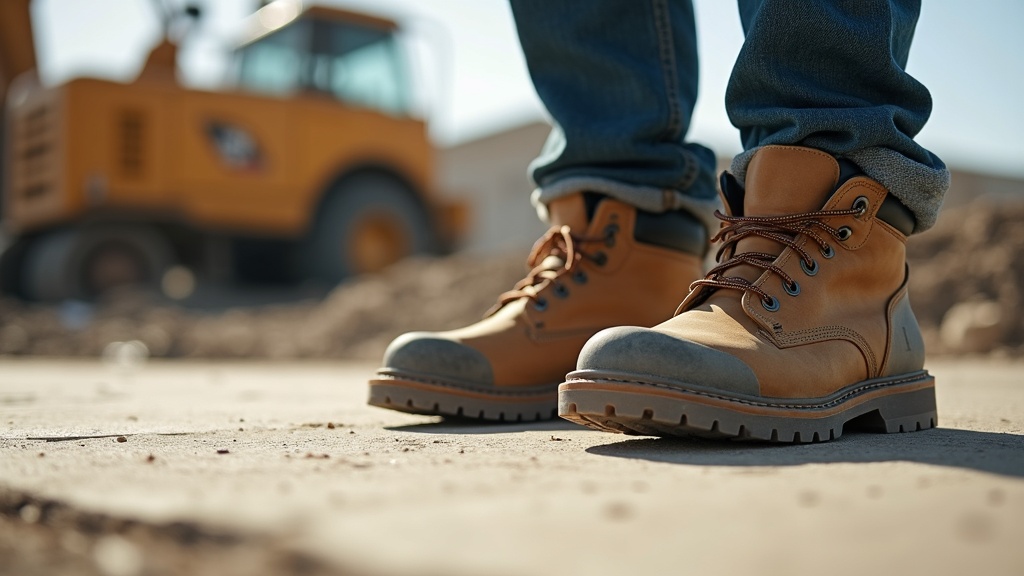
By the time the whistle blows, your feet are soaked, your boots smell like a locker room, and your heels are raw. That's not just summer heat doing that. That's the wrong sock doing it.
The right moisture wicking work socks for hot weather trades can be the difference between grinding through the day and actually being comfortable on the clock. Here's what actually works, and why.
Key points at a glance
- Sweat alone doesn't wreck your feet. Sweat trapped against skin does.
- Moisture wicking means the fabric pulls moisture away, not just absorbs it.
- Merino wool beats most synthetics in summer, even though it sounds backwards.
- Cushioning, height, and fit in a steel-toe boot matter as much as material.
- Rotating two pairs daily extends sock life dramatically and cuts odor.
- Cotton is the worst choice for any hot-weather trade work, full stop.
What Good Work Socks Do for You
Why Your Feet Are Wrecked by Quitting Time (And It's Not Just the Heat)
The average person's feet produce around a pint of sweat per day. A roofer, pipefitter, or concrete finisher working a hot July day can push that significantly higher. The problem isn't the sweat itself.
The problem is sweat sitting against your skin inside a sealed boot. That creates friction, softens the skin, and opens the door to blisters, athlete's foot, and the kind of fatigue that comes from your feet sliding around all day.
A bad sock makes every one of those problems worse. A good sock starts solving them before lunch.

What Moisture Wicking Actually Means in a Work Sock
"Moisture wicking" gets thrown around on a lot of labels. It's worth knowing what it actually means before you spend money on it.
Wicking is the ability of a fiber to transport moisture away from skin toward the outer surface of the sock, where it can evaporate. It's not the same as absorption. A cotton sock absorbs sweat and holds it. A wicking sock moves it.
That distinction matters when you're wearing a closed boot for ten hours. Absorbed sweat stays wet. Wicked sweat leaves the skin drier, which means less friction, less bacteria, less stink.
Did you know?
Cotton absorbs up to 27 times its weight in water and releases it slowly. That means a cotton work sock can hold a significant amount of sweat against your skin for hours. Merino wool, by contrast, can absorb up to 30% of its weight in moisture vapor and still feel dry to the touch, because it manages it at the fiber level rather than pooling it.
Best Materials for Hot Weather Work Socks: Merino Wool vs. Synthetic vs. Bamboo
The material is everything. Here's how the main options stack up for hot weather trades work.
Merino Wool
The counterintuitive winner for summer. Merino fiber is finer than standard wool, so it doesn't itch. It regulates temperature in both directions, wicks well, and kills odor-causing bacteria naturally. One pair can go two days without smelling bad. That matters on a long job away from home.
Synthetic (Nylon, Polyester, CoolMax)
Fast-wicking and usually cheaper than merino. They move sweat quickly, dry fast, and hold up to heavy-duty washing. The downside: they retain odor over time, and cheaper synthetics can feel clammy once fully saturated. Good for high-volume use when you rotate often.
Bamboo
Soft, naturally antibacterial, and decent at wicking. Not quite as durable as merino or nylon blends under hard boot use. Better for light trade work or if skin sensitivity is a factor.
Cotton
Skip it. It absorbs and holds moisture, it degrades faster under sweat and washing, and it offers no temperature regulation. Even budget-conscious workers save money in the long run by avoiding cotton work socks.
| Material | Wicking Speed | Odor Control | Durability |
|---|---|---|---|
| Merino Wool | Moderate, steady | Excellent (2+ day wear) | High with proper care |
| CoolMax / Polyester | Fast | Fair (odor builds over time) | High |
| Nylon Blend | Fast | Fair | Very high |
| Bamboo | Moderate | Good | Moderate |
| Cotton | Poor (holds moisture) | Poor | Low under hard use |
What to Look for Beyond the Fabric: Cushioning, Height, and Fit in Work Boots
Material is the starting point. But it's not the whole story, especially if you're wearing steel-toe boots or composite-toe boots on concrete all day.
Cushioning Zones
Look for reinforced cushioning at the heel and ball of the foot. Not the entire sock padded like a mitten, but targeted zones where boot pressure concentrates. Too much padding in a tight steel-toe and you've just created pressure points.
Sock Height
- Crew height (mid-calf): Standard for most boot work. Protects the ankle and lower leg from boot collar abrasion.
- Over-the-calf: Better for tall logger or lineman boots. Stays up without bunching.
- Quarter/ankle: Fine for low-cut work shoes, risky in a standard work boot as the sock slides and creates friction.
Fit and Compression
A sock that bunches or slips is a blister waiting to happen. Light arch compression keeps the sock from migrating. Look for a snug but not constricting fit through the foot, with a defined heel pocket that doesn't shift when you walk.
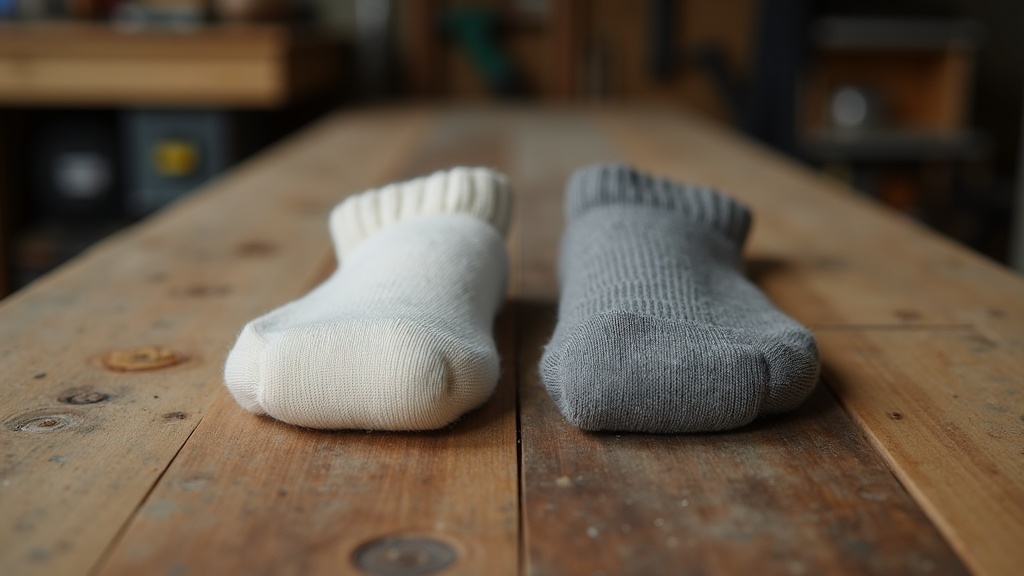
Top Moisture Wicking Work Socks for Hot Weather Trades in 2026
These are socks that hold up under real trade conditions, not just gym or hiking use.
- Darn Tough Coolmax Boot Sock: Merino/CoolMax blend. Full lifetime guarantee. Built for hard daily use and stays put in a tall work boot. One of the best choices for electricians and plumbers who log long days on their feet.
- Smartwool Work Heavy Crew: 100% merino-heavy blend, reinforced toe and heel. Excellent merino wool work sock for summer when you want temperature regulation above all else.
- Wigwam Cool-Lite Hiker Pro: CoolMax and nylon. Lighter feel, fast-drying, good budget-to-performance ratio for construction workers who go through socks fast.
- Carhartt Force Midweight Crew: FastDry technology, reinforced heel and toe. A solid workhorse pick for laborers and general construction who need a heavy duty work sock for summer without a premium price tag.
- Farm to Feet Damascus Lightweight: Domestic merino, breathable, good for electricians or inspection work where you're moving in and out of footwear.
Did you know?
Darn Tough's lifetime guarantee is unconditional. If the sock wears out for any reason, you return it and they replace it. A $25 sock that lasts five years and gets replaced free beats a $6 cotton sock you buy three times a year.
What Are the Best Socks for Sweaty Feet on the Job?
If you have chronically sweaty feet, the sock choice matters even more than for the average worker. Look for these specific features.
- Open-knit ventilation panels on the top of the foot, not just solid fabric from toe to ankle.
- Merino wool or merino blend for natural antibacterial action that synthetic can't fully replicate.
- Thin-to-midweight construction rather than heavy cushion, which traps heat in hot weather.
- Moisture-activated odor treatment (like Polygiene or Merino's natural lanolin) for the worst sweaters.
Changing socks at lunch on extreme heat days is not overkill. It's just smart maintenance of the tools you work with, and your feet are tools.

How to Make Your Work Socks Last Longer (and Save Money)
Even the best sock fails fast if you mistreat it. These habits cost nothing and double the life of a quality pair.
- Wash in cold or warm, never hot. Hot water breaks down elastic and shrinks merino fibers.
- Air dry when you can. A dryer on high heat degrades fabric faster than the work itself does.
- Rotate at least three pairs. Giving socks 48 hours to fully dry between wears extends their life significantly.
- Turn inside out before washing to flush sweat and bacteria out of the fibers, not deeper in.
- Keep your toenails trimmed. More sock blowouts start from a toenail than from actual wear.
A $20 to $25 pair of merino or CoolMax work socks, properly cared for, can outlast six months of daily cotton sock purchases. The math is straightforward.
Buy quality once. Rotate properly. Wash right. That's the whole system, and it works.
