


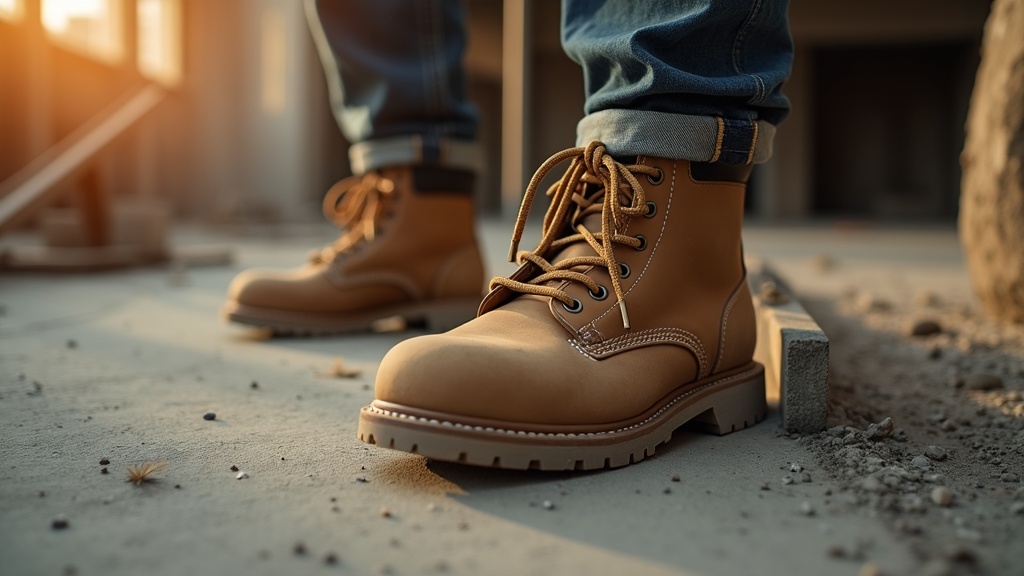
Your feet are soaked by 9 a.m., hot by 10, and screaming by lunch. That's not just the boots. That's the wrong socks, and it's a fixable problem.
This guide cuts straight to what works: the best breathable socks for work boots, broken down by material, trade, and boot type, so you can make one smart buy and forget about burning feet for good.
Key points at a glance
- Cotton is the worst thing you can wear inside a work boot on a full shift.
- Merino wool moves moisture, regulates temperature, and resists odor better than any synthetic blend.
- Steel toe boots need extra cushioning at the toe cap to prevent bruising and blisters.
- Moisture-wicking socks alone won't help if you never rotate your boots or air them out.
- Fit matters as much as fabric: a sock that bunches causes blisters faster than sweat does.
What a great work boot sock actually does for you
Why Your Feet Are Wrecked by Noon (And It's Not Just the Boots)
The average person sweats half a pint of moisture per foot, per day. Lace that foot into a tight leather work boot and that moisture has nowhere to go, especially if your socks can't move it.
Heat builds up fast in an enclosed boot. Sweat softens skin. Softened skin rubs. That's how blisters start, and it's also how fungal infections take hold when you repeat the same wet-sock routine day after day.
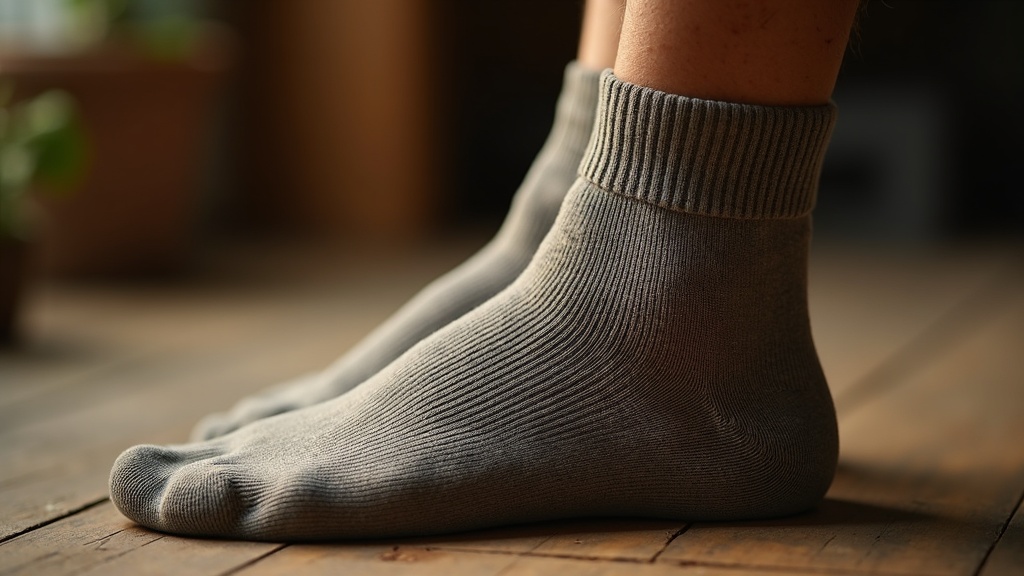
Poor air circulation is part of it. But the bigger culprit is usually cotton socks. Cotton soaks up sweat and holds it right against your skin. It's the worst fabric you can choose for a full work day in boots.
Check out our article on: Boots and Socks: Why the Pairing Matters More Than Either One Alone
What Makes a Work Boot Sock Actually Breathable
Breathability in a sock comes from three things: fiber type, weave structure, and fit. All three matter.
Fiber type
Natural fibers like merino wool wick moisture through the fiber itself. Synthetic fibers like nylon and polyester wick through capillary action in the weave. Both work. Cotton does neither.
Weave structure
Look for socks with a mesh or vented zone across the top of the foot. That open weave lets air circulate and speeds up evaporation, even inside a boot.
Fit
A sock that slides, bunches at the toe, or slips at the heel creates friction hotspots. Compression arch support keeps the sock anchored where it belongs. No bunching means no blisters.
Merino Wool vs. Synthetic vs. Cotton: Which One Wins on the Job
Short answer: merino wool wins for most workers. Here's the breakdown so you can decide for your specific situation.
| Material | Moisture Wicking | Temperature Regulation | Durability |
|---|---|---|---|
| Merino Wool | Excellent | Excellent (hot + cold) | Good (needs care) |
| Nylon / Polyester Blend | Very Good | Moderate | Very Good |
| Coolmax / CoolFit Synthetic | Good | Good (mainly hot) | Good |
| Cotton | Poor | Poor | Moderate |
| Wool / Synthetic Blend | Excellent | Very Good | Excellent |
Merino wool socks for work boots are the gold standard because merino regulates temperature year-round. They're warm in January and they won't cook your feet in July. The wool/nylon blend versions last longer and cost less than pure merino.
Did you know?
Merino wool fibers can absorb up to 30% of their own weight in moisture before they feel wet against your skin. A comparable cotton sock feels damp almost immediately because cotton holds moisture on its surface rather than drawing it into the fiber.
Best Breathable Socks for Work Boots: Our Top Picks by Trade
Different jobs put different demands on your feet. A roofer standing on a slope all day needs different padding than a concrete finisher kneeling and walking on flat ground.
For construction and general labor
- Darn Tough Hiker Boot Sock (Merino Wool): lifetime guarantee, dense cushioning at heel and toe, holds up to daily washing without losing shape.
- Smartwool Work Heavy Crew: thick merino blend, reinforced toe and heel, good for workers who are on their feet 10-plus hours.
For electricians and plumbers
- Wrightsock Coolmesh II Crew: double-layer design that eliminates friction entirely, excellent for workers who move fast between tight spaces.
- Wigwam Cool-Lite Crew: lightweight, mesh-vented, dries fast when you swap out at midday.
For warehouse and logistics workers
- Carhartt All-Season Cotton-Free Work Sock: affordable, available in bulk packs, nylon-reinforced heel and toe that actually lasts.
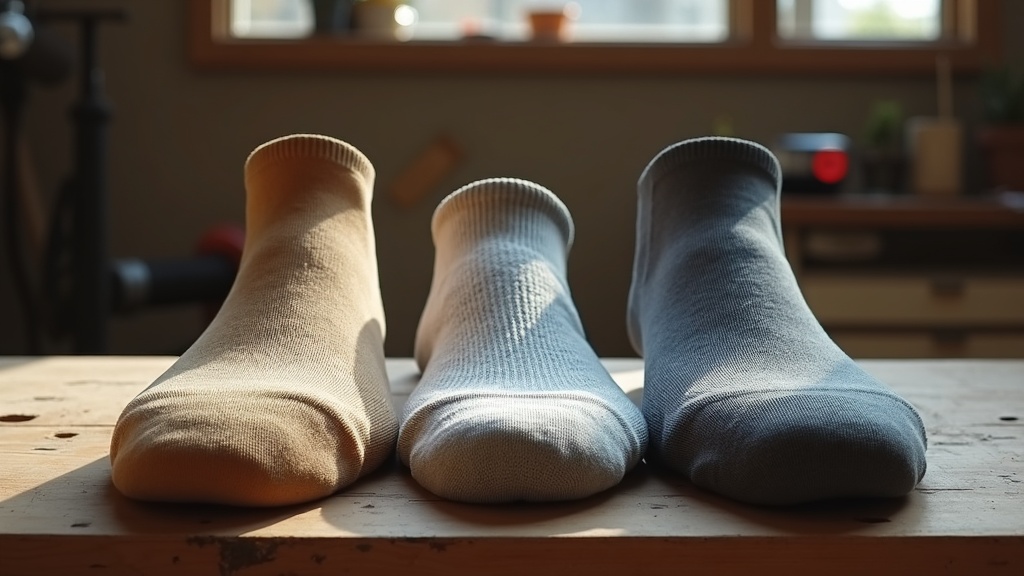
Best Socks for Steel Toe Boots Specifically
Steel toe caps create a hard ridge that sits right against the top of your toes. Without the right sock, that edge bruises you on every step going downhill or when you're crouching.
The fix is a sock with extra cushioning specifically at the toe box, not just at the heel. Look for socks labeled "over-the-calf" or "full-cushion toe" when shopping for the best work socks for steel toe boots.
- Thorlos Thick Padded Work Crew: built specifically for heavy footwear, the toe padding absorbs the metal cap edge on downward slopes.
- Darn Tough Boot Cushion Micro Crew: thinner profile for a tighter-fitting steel toe boot, still has a reinforced toe zone.
- Fox River Wick Dry Maximum: over-the-calf length keeps the sock from sliding into the heel, which is a constant irritant inside a stiff steel-toe boot.
Did you know?
The steel cap in a work boot doesn't flex at all when you walk downhill or climb stairs. That creates a shear force across the top of your toes with every step. A cushioned-toe sock acts as a buffer that reduces that force enough to prevent nail bruising over a long shift.
How to Stop Sweaty Feet in Work Boots for Good
The best socks for sweaty feet in work boots are only one piece of the fix. Here's the full system that actually works:
- Rotate two pairs of boots so each pair has 24 hours to dry out completely between wears.
- Use cedar boot inserts overnight. They pull moisture out of the lining and kill odor-causing bacteria.
- Change socks at lunch if your job is physically intense. Bringing a spare pair takes 30 seconds and makes a serious difference.
- Apply foot powder (cornstarch-based or antiperspirant spray) directly to your feet before putting socks on. This slows the sweat rate at the source.
- Wash your boots' insoles weekly. Bacteria live in the insole, not just the sock. Clean socks on a dirty insole still smell by midday.
Check out our article on: Best Socks for Work Boots: What Actually Holds Up All Day
What to Skip: Sock Features That Sound Good but Don't Deliver
The work sock market is full of marketing buzzwords. Some of them mean something. A lot of them don't.
Skip: "Anti-odor silver fiber" socks
Silver-infused yarn sounds like technology, but the anti-odor effect degrades after a dozen washes. Merino wool naturally resists odor without any additive, and it keeps doing it for years.
Skip: Compression socks marketed as "work socks"
True medical-grade compression (above 20 mmHg) can reduce circulation if you're on your feet all day in a hot boot. Unless your doctor prescribed them for a specific condition, standard arch support is enough.
Skip: Ultra-thin "performance" socks in heavy boots
Running socks and hiking socks are not work boot socks. They don't have the padding to handle concrete, steel, and a 10-hour shift. They wear through fast and leave your heel unprotected.
Your Practical Next Step
If you take nothing else from this: ditch the cotton socks today. That single change will do more for your feet than any insole upgrade or boot brand switch.
Pick a merino blend or a heavy-duty synthetic with a cushioned toe and arch compression. Buy three pairs, rotate them daily, wash them cold, and air-dry them. That's a $60 investment that fixes a problem most guys just live with for years.
Your feet carry you through every shift. It's worth spending ten minutes to get the socks right.
