


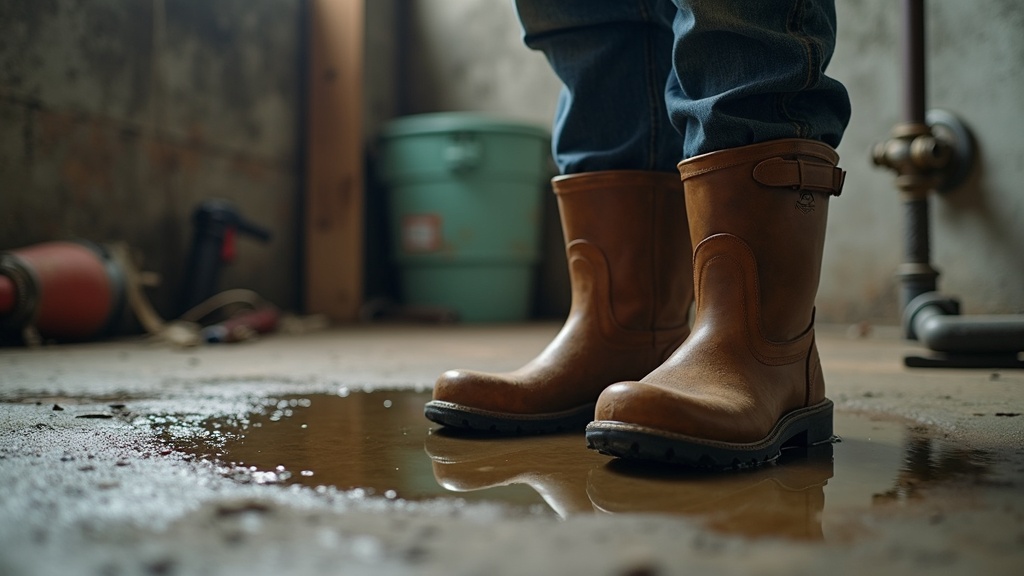
You're six hours into a crawl space job. Your boots are soaked, your arches are burning, and there's still a full afternoon ahead. The problem isn't your boots. It's what's inside them.
Most insoles on the market are built for a gym or an office. Put them in wet conditions on concrete all day and they turn into a sponge, then mush, then nothing. This guide covers what actually holds up when the water doesn't go away.
Key points at a glance
- Standard foam insoles break down fast in wet conditions, often within weeks on a tough job
- Closed-cell foam and EVA materials resist water absorption far better than open-cell or gel
- Five features matter most: waterproofing, arch support, anti-fatigue cushion, moisture management, and durability on concrete
- Plumbers with plantar fasciitis need firmer arch support, not just more padding
- A quality insole should last 6 to 12 months of daily use before losing meaningful support
- Matching your insole to the right work boot makes a measurable difference in all-day comfort
What a Good Plumber Insole Does for You
Why Plumbers Need Different Insoles Than Most Trades
Carpenters deal with sawdust. Electricians deal with ladders. Plumbers deal with water, and that changes everything about what goes on your feet.
You're not just standing. You're kneeling, crouching, twisting, and working in wet environments that never fully dry out. That combination destroys standard insoles faster than almost any other trade condition.
Add hours on concrete and a job that has you on your feet from first call to last wrench turn, and you need something built for that specific punishment, not a generic insert from a drugstore rack.
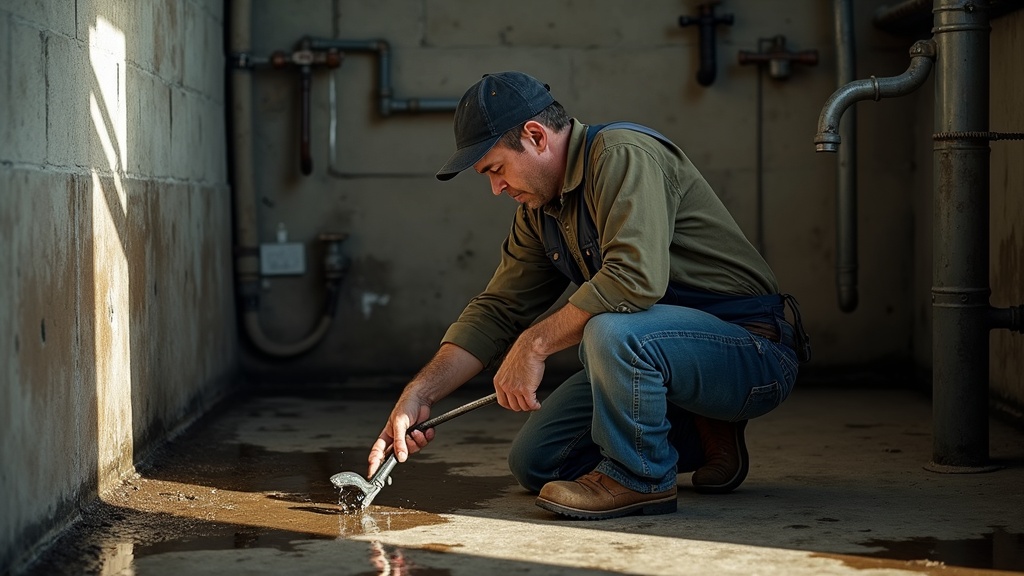
What Happens to a Regular Insole in Standing Water
Most budget insoles use open-cell foam. It absorbs water like a sponge, holds it against your foot, and starts breaking down structurally within weeks of wet use.
Once the foam compresses and stays wet, it stops rebounding. You lose all cushion by noon. You're basically standing on a flat, damp piece of cardboard inside your boot.
Beyond comfort, a soaked insole is a bacterial and fungal breeding ground. Athlete's foot and toenail fungus are real occupational risks for plumbers. The right insole material cuts that risk significantly.
Did you know?
The average person takes between 8,000 and 10,000 steps per day. For a plumber moving between job sites and working on their feet all day, that number can push past 15,000. Every one of those steps compresses your insole, and a water-logged insert loses up to 40% of its cushioning thickness after just a few hours of saturation.
The 5 Features That Actually Matter for Wet-Environment Insoles
1. Closed-Cell or EVA Foam Construction
Closed-cell foam and EVA (ethylene-vinyl acetate) don't absorb water. They resist it. This is the single most important material distinction for plumbers.
2. Anti-Fatigue Base Layer
A firm but responsive base prevents the flat-foot feeling you get after hours on concrete. Look for a dual-density design, soft on top, firm underneath.
3. Moisture-Wicking Top Cover
Even if your insole body doesn't absorb water, sweat still happens. A moisture-wicking top layer pulls sweat away from the skin and keeps the foot surface drier throughout the shift.
4. Deep Heel Cup
A deep heel cup stabilizes your foot and reduces the lateral rolling that causes knee and lower back pain on uneven subfloors and crawl spaces.
5. Antimicrobial Treatment
Any insole going into a wet work boot every day needs antimicrobial protection built in. This isn't a luxury feature; it's basic hygiene for the job.
Best Insoles for Plumbers Standing in Water: Top Picks Ranked
These are the options that hold up in real wet-environment conditions. No sponsored rankings. Just what actually performs.
- Superfeet GREEN: High-density foam cap, deep heel cup, excellent arch support. Stiff enough for concrete, holds shape for months. Best for medium to high arches.
- Dr. Scholl's WORK Massaging Gel Advanced Insoles: Solid budget option with gel cushioning and a sweat-resistant top cover. Won't last as long as premium options but punches above its price.
- Powerstep Pinnacle: Double-layer EVA foam, antimicrobial top fabric, firm arch support. A strong all-around pick especially for plumbers who also have plantar fasciitis.
- Timberland PRO Anti-Fatigue Technology Insoles: Inverted cone geometry in the base returns energy as you step. Built specifically for tradespeople on hard surfaces.
- Spenco Polysorb Cross Trainer: Closed-cell foam with excellent moisture management. A good choice if you run warmer feet and sweat heavily inside your boots.
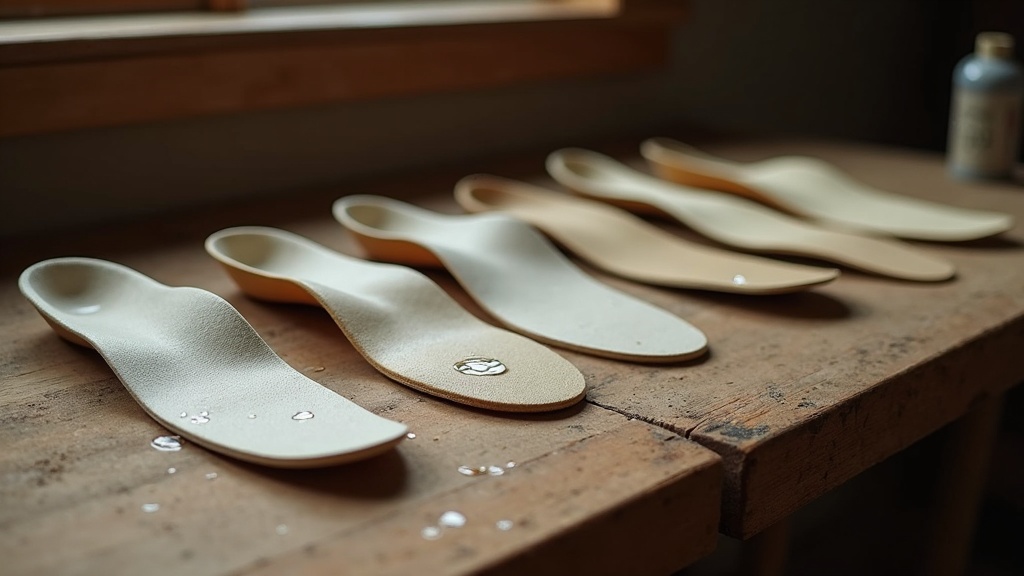
Do Waterproof Orthotics Actually Exist (And Are They Worth It)?
Custom orthotics can be made with waterproof polypropylene shells. They're more expensive (typically $300 to $500 through a podiatrist) but they're also more durable and more precisely fitted to your foot.
For plumbers with documented plantar fasciitis or chronic foot pain, a podiatrist-prescribed waterproof orthotic is genuinely worth the investment. It's a one-time cost that protects your ability to work a full career.
For everyone else, a quality over-the-counter insole in the $40 to $60 range does the job if you replace it on schedule.
| Insole Type | Water Resistance | Best For | Avg. Lifespan |
|---|---|---|---|
| Open-cell foam (budget) | Poor, absorbs quickly | Dry indoor use only | 4 to 8 weeks |
| EVA foam (mid-range) | Good, resists absorption | General wet trade work | 4 to 7 months |
| Closed-cell foam (premium) | Excellent, near-waterproof | Standing water, heavy use | 6 to 12 months |
| Polypropylene custom orthotics | Excellent, fully waterproof | Plantar fasciitis, chronic pain | 2 to 5 years |
| Gel insoles | Moderate, varies by top cover | Cushion priority, shorter shifts | 3 to 5 months |
Best Boot Pairing: Matching Your Insole to the Right Work Boot
An insole can only do so much if it's sitting inside a boot that lets water pool at the toe. Match your insole to a waterproof boot with a roomier toe box, and you'll feel the difference immediately.
Boots with a removable factory insole are ideal because you get a cleaner fit when you swap in your aftermarket insert. Brands like Thorogood, Keen Utility, and Red Wing all offer waterproof work boots with removable footbeds designed for exactly this.
Avoid boots that are already too snug at the toe. Adding a thicker insole in a tight boot compresses your toes, cuts off circulation, and creates new problems on top of the ones you were trying to fix.
Did you know?
The Bureau of Labor Statistics lists sprains, strains, and tears as the most common injuries in the plumbing trade. A large proportion of those are ankle and knee injuries directly linked to foot fatigue and inadequate arch support during long shifts on hard or uneven surfaces.
What Plumbers With Plantar Fasciitis Should Look For
Plantar fasciitis is widespread in the plumbing trade. The combination of wet environments, hard surfaces, and hours of standing without a break creates the perfect conditions for it to develop or worsen.
If you're dealing with it, more cushioning alone won't fix the problem. You need firm arch support that holds the plantar fascia in a supported position throughout the day, not a soft insert that lets the arch collapse under load.
- Look for insoles with a rigid or semi-rigid arch support shell, not just foam buildup under the arch
- A deep heel cup is non-negotiable; it controls the motion that aggravates plantar fasciitis
- Superfeet GREEN and Powerstep Pinnacle are both strong picks for this specific condition
- If OTC options aren't enough after 4 to 6 weeks, see a podiatrist; pushing through it makes it worse
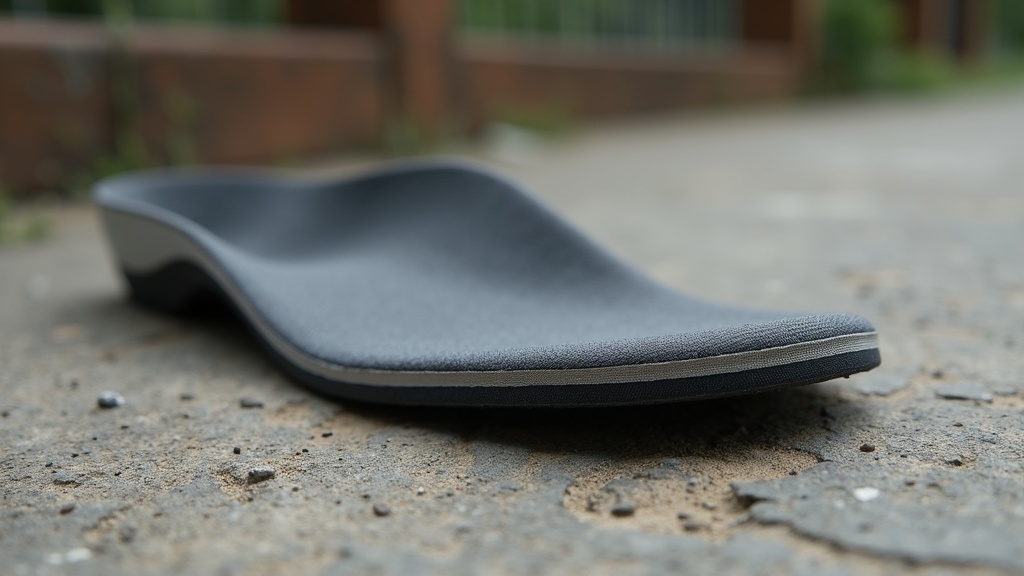
How Long Should a Good Work Insole Last on a Tough Job?
A quality insole used five days a week in wet conditions should give you 6 to 12 months of real support. Past that, the foam compresses permanently and stops doing its job even if it doesn't look worn.
A quick test: press your thumb into the heel and arch. If it takes more than two seconds to rebound, it's done. Buy two pairs at once and rotate them daily. Alternating lets each pair dry fully overnight and nearly doubles total lifespan.
Mark a replacement date on your phone when you buy them. Waiting until your feet hurt means you've already been working without support for weeks.
Quick Buying Checklist
- Closed-cell foam or EVA base: yes or no?
- Antimicrobial top cover: yes or no?
- Deep heel cup present: yes or no?
- Firm arch support layer (not just foam buildup): yes or no?
- Does it fit without compressing your toes in your boot: yes or no?
If you get four or five yes answers, you're looking at the right insole. Three or fewer, keep looking. Your feet carry you through a full career in this trade. Spend the $50 now, or spend a lot more on your knees and back later.
