


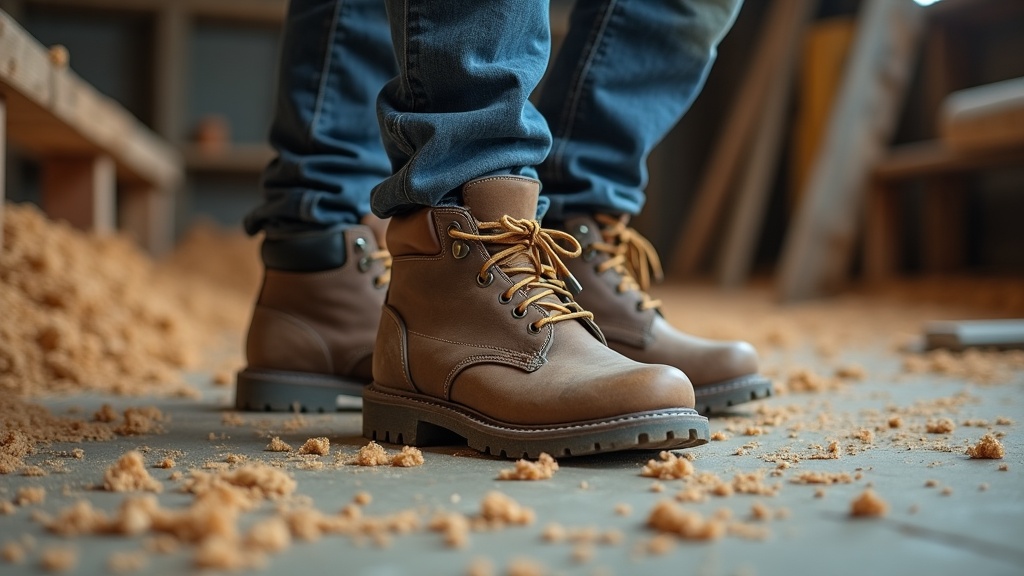
Your boots get all the credit. But the thing that's actually touching your foot for ten hours straight? That's the sock. Get it wrong and you're limping to your truck by 2 p.m.
This is a straight-up guide to the best men's socks for comfort on the jobsite: what materials hold up, which brands are worth the money, and how to stop wasting cash on pairs that blow out in three weeks.
Key points at a glance
- Material is the first decision: merino wool and nylon blends outlast pure cotton every time.
- Cushioning in the heel and ball of foot matters most for workers on their feet all day.
- Brands like Darn Tough, Carhartt, and Smartwool consistently top the list for trade workers.
- Crew length is the go-to cut for most boot work; ankle socks work for lighter trades only.
- Podiatrists flag moisture control and arch support as the two biggest factors in foot health.
- Simple laundry habits can double the life of a quality work sock.
What a great work sock does for you
Why Your Socks Matter More Than Your Boot Brand
A $200 pair of boots can't fix a cheap sock. The sock is the interface between your skin and everything else. It absorbs sweat, absorbs impact, and keeps your foot from sliding inside the boot.
When that layer fails, you get blisters, hot spots, and by the end of a ten-hour shift, real pain. The best men's socks for comfort aren't a luxury item. They're PPE for your feet.
What to Actually Look For
Material
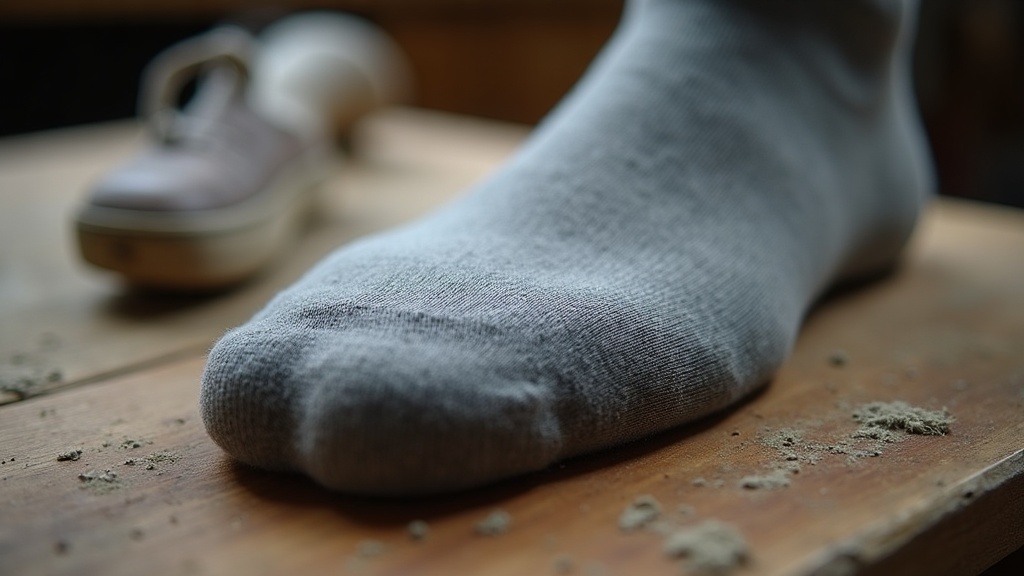
Merino wool is the gold standard: moisture-wicking, temperature-regulating, naturally odor-resistant. A merino/nylon blend (typically 60/40 or 70/30) adds the durability merino alone lacks. Avoid 100% cotton for physical work. Cotton gets wet and stays wet, which is how you earn blisters.
Cushioning
Look for cushioning at the heel and ball of foot specifically. Full-foot cushioning is fine, but what matters is coverage where impact actually happens. Medium cushion works for most boots. Heavy cushion is good for concrete floors in winter; light cushion suits warmer months or tighter-fitting footwear.
Fit and Arch Support
A sock that bunches is a sock that blisters. Reinforced arch bands help keep the sock locked in place so it doesn't migrate down into your boot by noon. Buy by shoe size, not just S/M/L.
Durability
Reinforced toe and heel construction is non-negotiable if you want durable socks that don't develop holes within a month. Nylon in the blend adds abrasion resistance. Some brands (Darn Tough) offer a lifetime guarantee, which tells you something about how confident they are in the construction.
Best Men's Socks for Comfort, Ranked for the Jobsite
These are the brands that show up consistently when you ask guys who work ten-hour shifts what's actually on their feet.
- Darn Tough Vermont (Hiker Micro Crew): Merino/nylon/Lycra blend, unconditional lifetime guarantee. Among the most comfortable crew socks for men in heavy-use conditions.
- Carhartt Force Midweight: More affordable, solid cushioning, holds up well in dirty work environments. The go-to for guys who want reliable without premium pricing.
- Smartwool PhD Work Heavy Crew: Built specifically for boot use, reinforced heel and toe, excellent temperature regulation for outdoor trades.
- Wigwam Men's Work Sock: Made in the USA, thick terry loop construction, great for concrete-intensive work. One of the better socks with most cushioning for workers.
- Thorlos Experia Work Crew: Clinically tested padding, podiatrist-designed. Slightly pricier but highly recommended for workers managing foot pain.
Did you know?
Darn Tough's lifetime guarantee is not a marketing gimmick. The company actually replaces worn-out socks, no questions asked. They've been doing it since 2004, and their return rate is under 1%.
Which Brand Has the Most Comfortable Socks for Work?
Straight answer: Darn Tough for longevity and all-day comfort, Carhartt for value, Smartwool for outdoor cold-weather trades. There's no single winner because the best pick depends on your work environment, boot fit, and budget.
What they all share: merino or merino-blend construction, reinforced stress points, and a snug arch band. That's the template.
What Socks Have the Most Cushioning and Why It Matters by Quitting Time
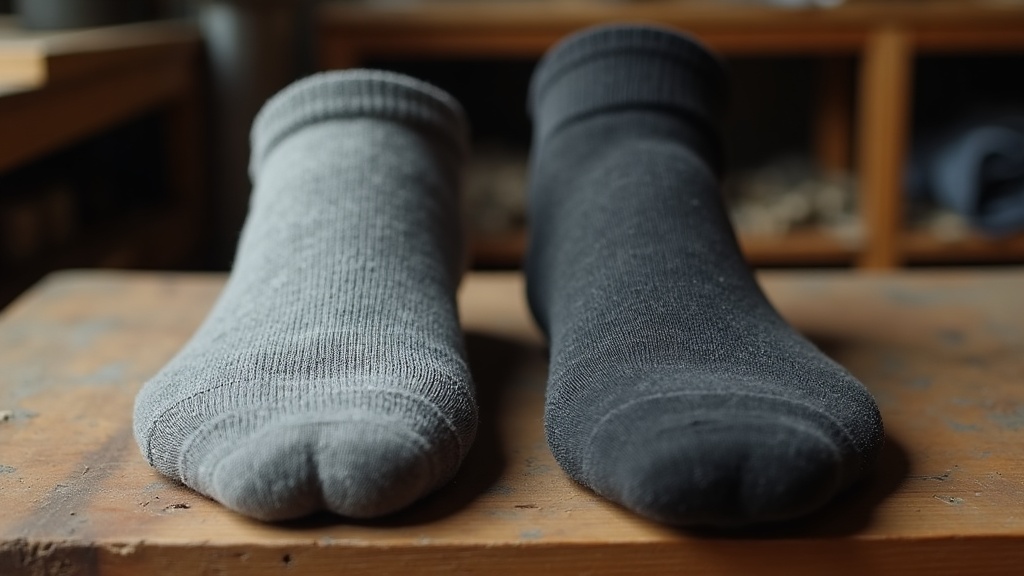
Standing on concrete for eight-plus hours compresses the fat pad in your heel. That pad is your body's built-in shock absorber. Once it's fatigued, pain travels up through the ankle, knee, and lower back.
Heavy-cushion options like Wigwam's Work Sock and Smartwool PhD Heavy add a terry loop layer thick enough to compensate for that fatigue. It's not comfort for comfort's sake. It's damage prevention.
| Sock Material | Moisture Control | Durability | Best For |
|---|---|---|---|
| 100% Cotton | Poor (holds moisture) | Low | Light office use only |
| Merino Wool / Nylon | Excellent | High | All trades, year-round |
| Synthetic (Polyester/Nylon) | Good | Very High | High-abrasion work, summer |
| Wool / Cotton Blend | Moderate | Moderate | Cooler climates, casual wear |
| Copper-infused Nylon | Good | High | Workers prone to foot odor |
What Podiatrists Recommend and What That Means for Trade Workers
When asked what socks podiatrists recommend, the answer is consistent: moisture-wicking material, graduated compression or firm arch support, and seamless toe construction to avoid pressure points.
For trade workers specifically, podiatrists also flag the importance of changing socks mid-shift if the work is sweaty. Wet skin is fragile skin. A midday sock swap takes 90 seconds and can prevent a blister that sidelines you for a week.
Did you know?
According to the American Podiatric Medical Association, foot problems are among the most common complaints from workers in physically demanding jobs, and improper hosiery is cited as a contributing factor in a significant portion of blister and skin breakdown cases.
Crew vs. Ankle vs. Over-the-Calf: Which Cut Works Where
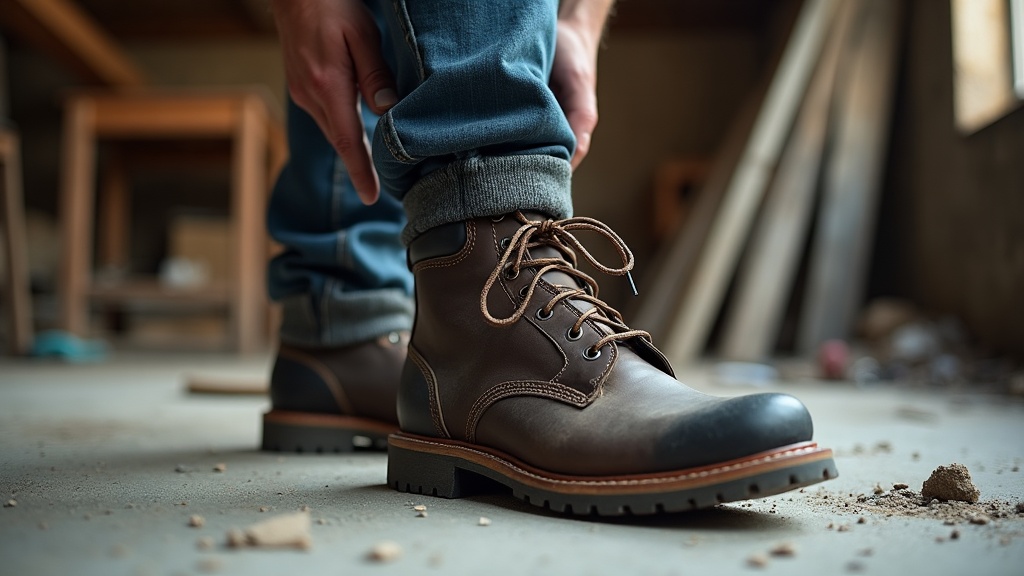
Most trade workers want a crew-length sock (hits about mid-calf). It covers the ankle bone, protects against boot rub, and doesn't slip down inside a work boot.
Best ankle socks for men in trades are really only practical for lighter work: warehousing in low-cut shoes, finishing carpentry in sneakers, summer HVAC work. For any boot taller than 6 inches, ankle socks slide down and bunch, which is a blister waiting to happen.
Over-the-calf socks make sense for extreme cold or for workers in rubber boots who need protection against boot shaft chafing. For most guys, crew is the right call 90% of the time.
How to Make Your Work Socks Last Longer
Good socks are an investment. Treat them like one.
- Wash in cold water. Hot water breaks down merino wool fibers and degrades elastic bands fast.
- Air dry when you can. The dryer is the single biggest killer of quality socks. High heat shrinks and weakens the fibers. A drying rack adds months of life.
- Rotate six pairs minimum. Running the same two pairs every day wears them out in a fraction of the time. Give them a day to recover their loft between uses.
- Turn them inside out before washing. That's where the real fiber stress happens. Washing inside out reduces pilling and protects the outer surface.
- Never bleach. Even a small amount destroys the wool and weakens the nylon reinforcement at the heel.
The Bottom Line: Best Socks Worth Your Hard-Earned Dollar
If you're on your feet for the best work socks for men on feet all day, the math is simple. A $25 pair of Darn Tough that lasts three years costs less per day than a $6 drugstore three-pack that blows out in a month.
Start with a merino/nylon blend in crew length, medium-to-heavy cushion, and a reinforced heel and toe. Buy six pairs so you're rotating properly. Wash cold, dry low or air-dry.
Your feet carry everything you do. Give them a sock that's actually built for the work.
