


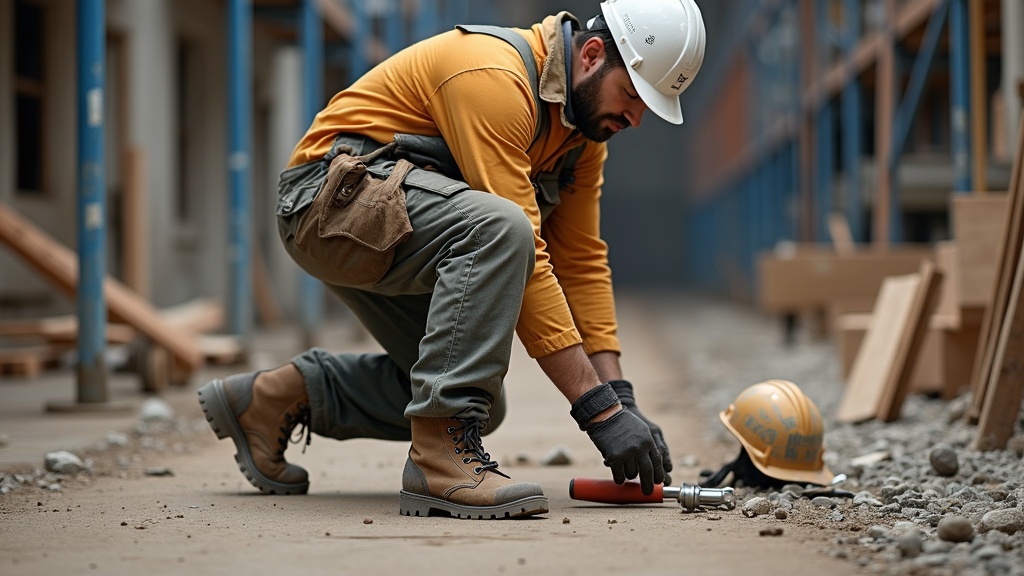
Most cargo pants fall apart by month three. The seams split, the pockets sag, and the fabric pills like a sweater. If you're putting in eight to ten hours on your feet, that's a problem you can't afford.
This breaks down exactly what separates a solid pair of cargo work pants for men from the cheap stuff that gets returned to the rack, and points you toward what's actually worth buying in 2025.
Key points at a glance
- Fabric weight and weave determine how long the pants survive daily abuse, ripstop and duck canvas lead the pack
- Pocket layout matters as much as pocket count, placement dictates what you can actually reach on the job
- Loose fit and relaxed fit are not the same thing, and picking wrong costs you mobility or comfort
- The best brands for trades right now are Carhartt, Dickies, Wrangler, and a few smaller names worth knowing
- Cargo work pants cross over well between trades but some jobs need reinforced knees or specific cuts
- Cold water wash and air dry will nearly double the life of any pair
What good work cargo pants actually deliver
What Makes a Cargo Work Pant Worth Buying (and What to Skip)
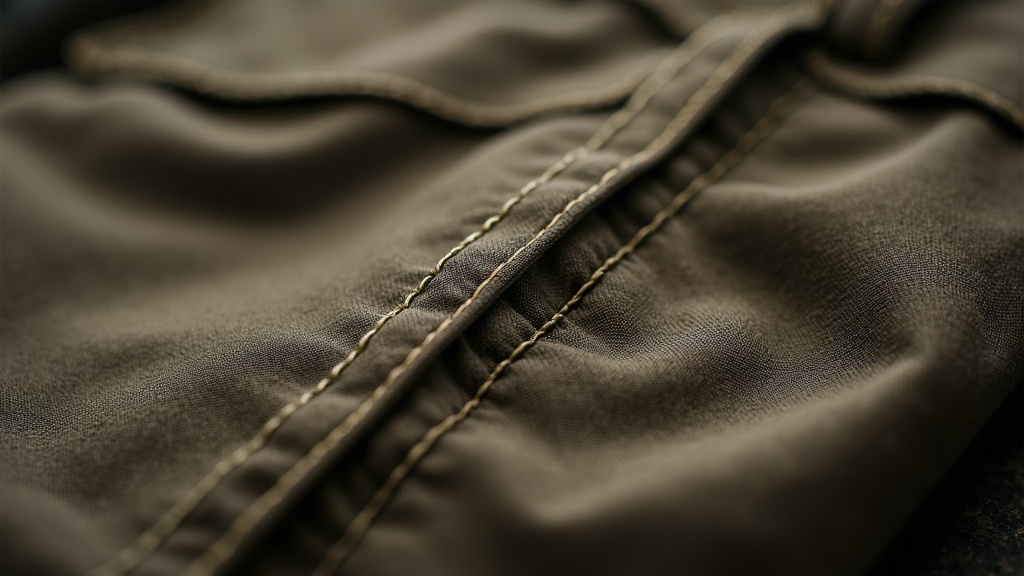
The first thing to check is stitching. Triple-stitched or bartacked seams at stress points are non-negotiable on a real work pant. Single-stitched pockets and inseams unravel fast once you start squatting and kneeling all day.
Skip anything marketed as "tactical" with a dozen decorative D-rings and flap pockets that snap shut. On a live jobsite, you need pockets you can reach into with one hand while holding something with the other.
Also skip thin poly blends under 7 oz per yard. They feel fine in the store and shred on chain-link by week two.
Fabric That Can Take a Beating: Ripstop, Canvas, and Duck Cotton Compared
Ripstop uses a reinforcing grid woven into the fabric. When a snag starts, it stops at the nearest thread intersection instead of running six inches down the leg. Lightweight, breathable, and popular on ripstop cargo work pants for warm-weather trades.
Canvas is a tighter, heavier plain weave. It resists abrasion better than ripstop but breathes less. Best for cooler months or high-abrasion work like roofing or framing.
Duck cotton is canvas's heavier cousin, typically 10 to 12 oz. It's stiff at first, breaks in after a few washes, and holds up longer than nearly anything else. The classic choice for construction work pants.
| Fabric | Weight range | Best for | Weakness |
|---|---|---|---|
| Ripstop nylon/cotton | 5, 7 oz | Warm climates, light trades | Less abrasion resistance |
| Canvas cotton | 8, 10 oz | General construction, landscaping | Heavier, slower to dry |
| Duck cotton | 10, 12 oz | Framing, roofing, heavy trades | Stiff until broken in |
| Cotton-poly blend | 6, 8 oz | Mixed use, easier care | Shorter lifespan overall |
Pocket Count and Layout: How Many Do You Actually Need on the Job
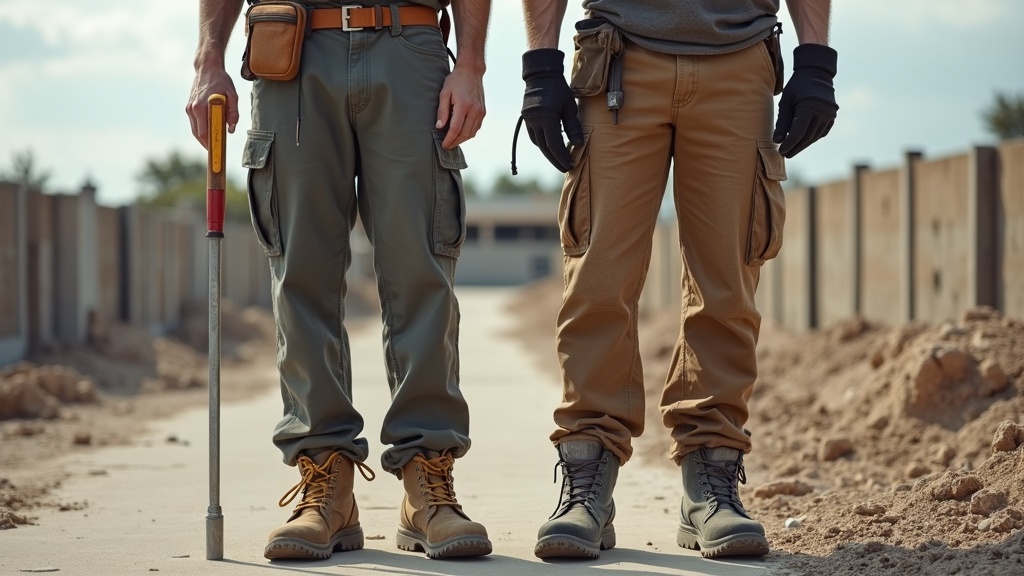
Six pockets is the minimum that makes sense for trade work. You want two front slash pockets deep enough that a phone doesn't eject when you kneel, two rear patch pockets, and two cargo pockets on the thighs.
What matters more than count is pocket placement and mouth width. A cargo pocket that sits too far forward hits your knee when you crouch. One that sits too far back is useless unless you have arms like an orangutan.
Look for cargo pockets with a gusseted bottom so they hold volume without pulling the leg sideways. A pen slot or utility divider inside the cargo pocket is worth having if you work in electrical, plumbing, or finish carpentry.
Did you know?
The original military cargo pocket was designed in World War II to carry maps and field rations. The side-thigh position was chosen specifically to keep the pockets accessible while soldiers were prone or crouching in the field, the exact same reason it works for trades workers today.
Fit Matters More Than You Think: Loose, Relaxed, and Straight Explained
Loose fit cargo work pants for men give you maximum room through the seat, thigh, and knee. They don't restrict movement at all, but on a busy site they can catch on rebar or nail heads. Best for less confined workspaces.
Relaxed fit is the middle ground. More room than a straight cut, but trimmed enough that the leg doesn't drag or snag. Most experienced tradesmen end up here.
Straight fit sits closer to the leg. Fine for electricians or HVAC guys who spend time in tight spaces, but if you're kneeling on concrete all day it may bind at the knee.
Who Makes the Best Cargo Work Pants Right Now
For heavy duty cargo work pants, Carhartt's Rugged Flex series is the top pick for most trades. The stretch canvas moves well, holds up to rough surfaces, and the fit options are solid across waist and inseam sizes.
Dickies 11" Multi-Pocket Work Pants remain one of the best values in the category. Under $30 in most stores, canvas construction, decent pocket layout. They won't last as long as Carhartt, but they're half the price.
Other brands worth looking at
- Wrangler Riggs: good relaxed fit, room to move, holds up well for the price
- Duluth Trading Co. Ballroom Cargos: oversized gusset at the crotch, strong for pipefitters and plumbers who need full squat range
- Caterpillar (CAT): solid ripstop options with reinforced knees, popular in the UK market but widely available in the US
- Berne: underrated brand, especially their duck canvas line, real durability for the price point
Can Cargo Pants Double as Work Pants Across Different Trades
Short answer: yes, with caveats. For framing, landscaping, HVAC, plumbing, and electrical, cargo work pants handle most of what gets thrown at them.
For welding, you need flame-resistant (FR) rated fabric. Standard cotton cargos are not enough. Check for NFPA 2112 certification before you go near a torch.
Roofers tend to prefer a looser fit with reinforced knees and a gusseted crotch. The pitch and constant kneeling requires more flexibility than most standard cuts allow.
Did you know?
According to OSHA data, knee injuries are among the top five most common construction site injuries. Work pants with built-in or kneecap-compatible knee pad pockets reduce impact significantly, especially for tile setters and concrete finishers who log thousands of hours on their knees.
How to Size and Care for Work Cargo Pants So They Last the Season
Always size by your actual waist measurement, not your jeans size. Work pant cuts run differently from denim. If you're between sizes, go up one at the waist and take in the hem if needed. Shrinking a tight pair is not a fix.
Care that actually extends life
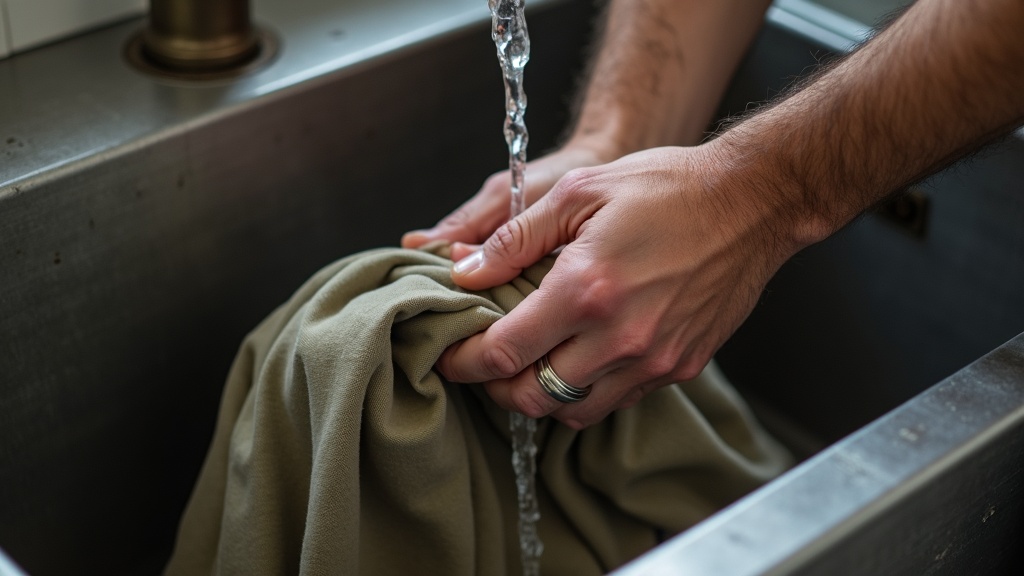
- Cold water wash only. Hot water breaks down cotton fibers faster and kills any DWR finish on treated fabric
- Air dry or tumble dry on low. High heat weakens thread and degrades elastane in stretch panels
- Turn them inside out before washing to reduce surface abrasion against zippers and hardware
- Check seams and pocket corners after every fifth wash. A small seam repair now costs nothing. A blowout on a busy Friday costs you a pair of pants
Are Cargo Pants Still Worth It in 2025 or Are You Better Off With Something Else
Some guys have switched to bib overalls for winter work or painter's pants for detail work. Both have their place. But for all-day versatility across most trades, cargo work pants remain the most practical option on the market.
The pocket storage alone justifies them. A good pair of cargo work pants with pockets replaces a tool belt for lighter carry items and keeps your hands free without adding bulk to your waist.
The one exception: if your job requires a uniform or specific PPE regulations, always check those first. Some high-vis requirements and FR rules leave no room for standard cargo pants regardless of quality.
What to Spend: Budget Picks vs. Pants Worth Paying More For
Under $35: Dickies and Wrangler Riggs both deliver solid daily-use cargo pants. Fine for lighter trades, short seasons, or guys who rotate four or five pairs at a time.
$50 to $80: This is where the best cargo work pants for men live. Carhartt Rugged Flex, Duluth Ballrooms, and CAT ripstop pants all sit in this range. Longer life, better fit options, more durable stitching.
Over $80: Specialty FR-rated or cut-resistant pants belong here. If your work requires them, the cost is justified. If it doesn't, you're paying for marketing.
A pair of durable cargo pants for trades that lasts eighteen months beats three cheap pairs in the same window every time, on cost, on comfort, and on not having to shop again mid-season.
Your buying checklist before you pull the trigger
- Fabric weight of at least 7 oz, preferably 8 to 10 oz for heavy use
- Triple-stitched or bartacked seams at all major stress points
- Gusseted crotch for full range of motion
- Cargo pockets positioned at mid-thigh, not too forward
- Reinforced knee panels or knee pad pockets if you kneel daily
- Correct inseam length before you order, not close enough
