


Your feet sweat. A lot. Eight hours on a concrete slab in steel-toe boots, hauling lumber or running conduit, and you've got a small swamp in each boot by lunch. That's not a hygiene problem. That's a physics problem, and the right insole fixes most of it.
This guide cuts through the marketing noise on moisture wicking insoles for sweaty feet on construction sites. You'll know exactly what to look for, what actually works, and what's a waste of your money.
Key points at a glance
- Construction workers produce significantly more foot sweat than office workers due to heat, heavy boots, and constant movement.
- True moisture wicking requires the right top fabric layer, not just a foam pad with a mesh cover.
- Copper-infused and activated charcoal materials are the most proven for odor control on the jobsite.
- Women on the trades have specific fit needs that most unisex insoles miss.
- Quality moisture wicking insoles last 6 to 12 months under daily jobsite use before losing effectiveness.
- Insoles work best as part of a system: pairing them with moisture-wicking socks doubles the result.
What a Good Jobsite Insole Does For You
Why Construction Workers Deal With Sweaty Feet More Than Most
The average person produces about half a pint of foot sweat per day. On a hot jobsite, doing physical labor in insulated, leather-lined boots, that number can double or triple. Your boots don't breathe like sneakers. They're designed to stop a nail, not move air.
Add radiant heat off concrete or asphalt, a steel toe cap that traps warmth, and a full day of standing and walking, and you have the perfect environment for soaked insoles by 10 a.m. That's not unusual. That's standard for the trades.
What Makes an Insole Actually Moisture Wicking (Not Just Marketing)
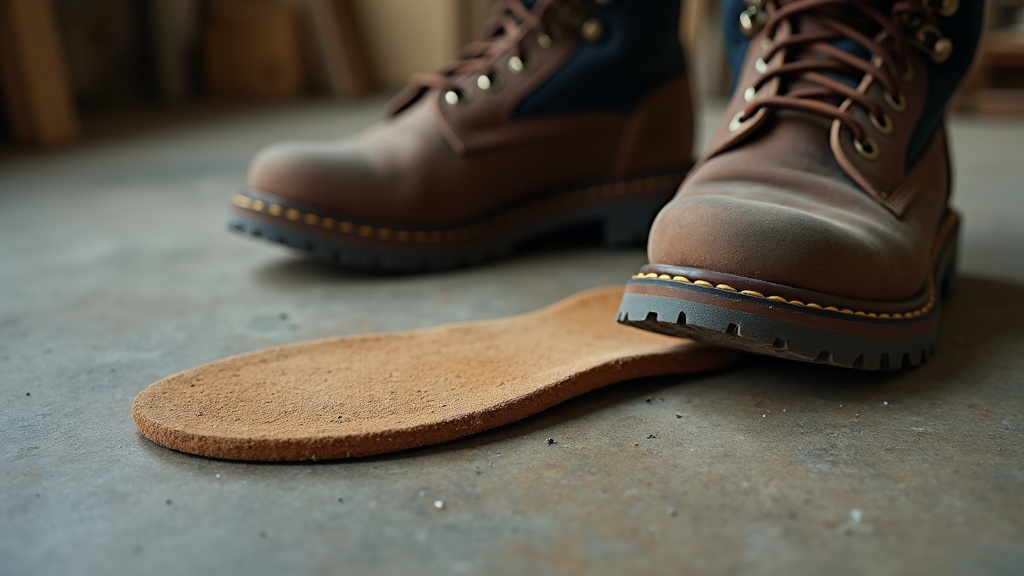
Most budget insoles slap a thin mesh cover over cheap polyurethane foam and call it "moisture wicking." That mesh does almost nothing. Real wicking happens at the fiber level.
Top layer material is everything
- Polyester microfiber: Wicks fast, dries fast, holds shape. The most common real-deal option.
- Merino wool: Wicks and regulates temperature. More expensive but handles both hot and cold shifts well.
- Copper-infused fabric: Adds antimicrobial action on top of the wicking. Fewer bacteria means less smell.
- Activated charcoal layer: Works as an odor trap underneath the wicking surface. Different job, works together.
The foam or gel layer underneath supports and cushions. But if the top layer doesn't move moisture away from your skin, the foam is just a wet sponge by midday.
Did you know?
Copper has been documented as antimicrobial since the 1800s. The EPA officially registered copper as the first solid antimicrobial material in 2008. Copper-infused insole fabrics work on the same principle: the ions disrupt the cell membranes of odor-causing bacteria.
The Best Moisture Wicking Insoles for Construction and the Trades
These picks hold up to daily jobsite punishment. They're ranked on three things: moisture management, arch support for long hours on concrete, and real-world durability.
| Insole | Top Layer Material | Best For | Avg. Lifespan (Daily Use) |
|---|---|---|---|
| Superfeet WORK | Polyester microfiber | All-day concrete standing, high arch support | 9-12 months |
| Timberland PRO Anti-Fatigue | Mesh + foam composite | Medium arch, fatigue reduction on hard surfaces | 6-9 months |
| Sof Sole AIRR Orthotic | Nylon wicking fabric | Flat to medium arch, heavy sweaters | 6-8 months |
| Copper Heal Copper-Infused | Copper-infused polyester | Odor control priority, moderate arch | 8-10 months |
| Powerstep Pinnacle | Double-layer wicking fabric | Plantar fasciitis, heel pain, heavy workers | 10-12 months |
Superfeet WORK is the go-to for most tradespeople. Rigid stabilizer cap underneath, genuine wicking on top, and they don't collapse under a 200-pound guy by November. If you're standing on concrete more than six hours a day, start there.
Best Picks for Women on the Jobsite
Women's work boots run narrower and shorter, and most insoles are made with a men's foot shape in mind. A trimmed-down men's insole in a women's boot shifts under your foot and stops wicking where it matters.
Look specifically for women's-specific sizing from size 5 to 11 with a narrower heel cup. Superfeet WORK comes in women's sizing. So does the Sof Sole Women's Athlete series, which handles sweat well and fits narrower lasts. Powerstep also offers a women's Pinnacle that runs true to size without requiring trimming.
How to Stop Sweaty Feet in Work Boots Beyond the Insole
The insole handles the moisture after it's there. The goal is also to slow how fast it builds up in the first place.
What actually works
- Moisture-wicking socks: Merino wool or synthetic wicking blends, not cotton. Cotton holds sweat against your skin all day.
- Rotate two pairs of boots if you can swing it. Letting boots fully dry overnight cuts bacteria count dramatically.
- Foot antiperspirant: Products like Certain Dri or SweatBlock applied to the sole of the foot two to three nights a week reduce sweat output at the source.
- Boot dryers: A forced-air boot dryer runs about $30 and pays for itself in insole lifespan alone.
- Pull the insoles out at the end of your shift and let them air-dry separately. Leaving them in a closed boot traps moisture overnight.
Did you know?
A 2019 study published in the journal Dermatitis found that athletes who wore moisture-wicking synthetic socks had a 30% lower incidence of blisters compared to those wearing 100% cotton socks under identical conditions. For construction workers putting in 10-hour days, that margin matters.
What Are JobSite Odor Stop Insoles and Are They Worth It
"Odor stop" is a marketing label, not a technical standard. But some products behind it are genuinely effective. The ones worth your money use either activated charcoal layers, copper-infused fabric, or both, which target the bacteria that produce odor, not just mask it with a scent that fades by day two.
Avoid anything that relies only on a deodorizing spray built into the foam. That smell is gone after the first wash or the first heavy sweat day. Charcoal and copper keep working at the bacterial level as long as the insole is structurally sound.
How Long Do Moisture Wicking Insoles Last Before You Need to Replace Them
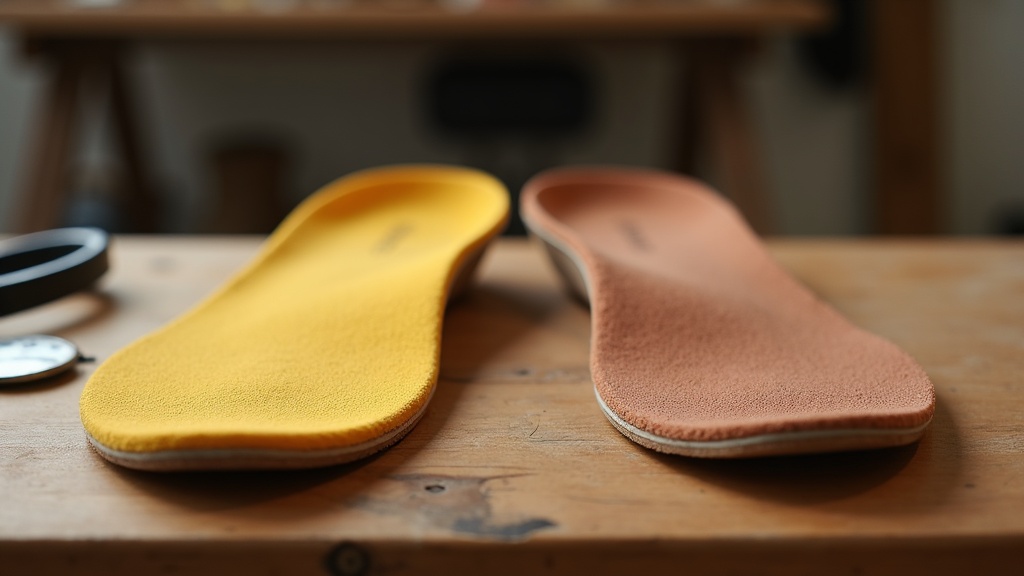
On a five-day construction schedule, a quality insole runs about 6 to 12 months. The wicking layer degrades faster than the cushioning. You'll often notice the smell returning before the insole feels worn out. That's your signal.
Signs it's time to replace
- The top fabric feels stiff or matted rather than soft
- Odor is back within a few hours of putting boots on, even with clean socks
- The heel cup has compressed and no longer holds its shape
- You start getting hot spots or blisters where you didn't before
Buying a two-pack and rotating them weekly extends each insole's life by 20 to 30 percent. The drying time between uses makes a measurable difference.
Make It a System, Not a Single Fix
The best setup for sweaty feet on a construction site is a three-part approach: a moisture-wicking insole that moves sweat away from your skin, a merino or synthetic wicking sock that continues that movement up and away from the foot, and a boot dryer or air-dry routine that resets both overnight.
Any one of those alone helps. All three together and you've got genuinely dry, comfortable feet by the end of a long shift instead of pulling off boots that weigh twice what they did at 7 a.m.
Spend $25 to $45 on a solid insole. It's the cheapest upgrade you can make to a pair of $200 boots, and it's the one that changes how your feet feel at 3 p.m. when you've still got two hours left on the clock.
