



A broken ankle doesn't just hurt. It puts your whole income on pause. Whether you slipped off a ladder, caught your foot wrong on a grade, or took a bad step on uneven ground, the question hits fast: how long before you're back on the job?
The answer depends on your fracture, your job, and how smart you play the recovery. Here's what actually matters, straight from the medical facts and the experience of guys who've been through it.
Key points at a glance
- Most simple ankle fractures require 6 to 12 weeks in a boot before you can consider regular footwear.
- A walking boot is nearly always preferred over a cast for working adults because it allows skin care and controlled weight-bearing.
- Returning to a physical job while still booted is possible, but depends on your role and your doctor's clearance.
- Transitioning straight from a walking boot to a heavy work boot is a common mistake that causes setbacks.
- Work boots with wide toe boxes, low heel drop, and solid ankle support are the right call post-fracture.
- Wearing a walking boot too long creates its own problems: muscle atrophy, knee pain, and gait imbalance.
What This Guide Covers
How Long Before You're Back on the Jobsite After a Broken Ankle
For a stable, non-displaced fracture, most orthopedic doctors clear patients for light duty at 6 to 8 weeks. Full return to demanding physical work, climbing, heavy lifting, or prolonged standing, typically takes 10 to 16 weeks.
Displaced fractures or anything requiring surgery push that timeline out significantly. Expect 4 to 6 months before you're doing real work again on rough terrain.
The fibula heals faster than the tibia. Bimalleolar and trimalleolar fractures (two or three ankle bones broken) are in a different category entirely: longer rehab, more PT, and more conservative return-to-work criteria.

Walking Boot vs. Cast: What Your Doctor Will Likely Put You In
For most working adults with a stable ankle fracture, the orthopedic boot (also called a CAM boot or moon boot) is the go-to. It lets you remove it for hygiene, allows controlled weight-bearing, and makes follow-up X-rays easier.
A fiberglass cast is more common with displaced fractures or when a patient can't be trusted to stay non-weight-bearing. If you had surgery with hardware (plates, screws), expect a splint first, then a boot once the swelling settles, usually within 2 weeks post-op.
Did you know?
Studies published in orthopedic journals show that patients treated with removable walking boots have comparable healing outcomes to those in plaster casts, with significantly higher satisfaction scores, largely due to the ability to shower and perform basic hygiene.
How Many Hours a Day Should You Wear a Walking Boot (And When You Can Take It Off)
During the first 4 to 6 weeks, the boot stays on any time you're bearing weight. Most doctors say wear it during sleep too, especially for the first 2 to 3 weeks, unless they specifically clear you otherwise.
After the 6-week mark, if X-rays show solid healing, your doctor may let you remove it at night and during rest periods. That's the window. Not before.
- Never remove the boot on the job, even for a few minutes on rough ground.
- Keep a crutch or knee scooter available for days when swelling spikes.
- Use the boot consistently: skipping days slows bone consolidation.
Returning to a Physical Job While Still in a Boot: What's Actually Possible
The honest answer: it depends entirely on your role. Sitting at a desk, even for a trade job that has an office component, is often doable within 2 to 4 weeks with the right setup.
For guys on their feet all day, concrete floors, ladders, scaffolding, uneven ground, being in a boot is not a green light to go back to full duty. The boot protects the fracture, but it also shifts your gait and kills your lateral stability.
Jobs that are usually doable in a boot:
- Dispatch, estimating, or project coordination (low mobility)
- Driving a truck or equipment with foot controls that don't strain the ankle
- Supervision roles where you're not climbing or lifting
Jobs that require full clearance first:
- Roofing, framing, or any work at height
- Concrete and masonry (prolonged standing on hard surface)
- Electrical or plumbing requiring tight spaces and ladder work
Did you know?
OSHA does not have a specific regulation prohibiting orthopedic boot use on most general industry jobsites, but individual employers and their liability carriers often impose modified duty restrictions that functionally keep booted workers off active sites. Always check your worksite's safety policy.
Transitioning from Walking Boot to Work Boots: Getting the Timing Right
This is where a lot of guys blow their recovery. They get cleared from the boot, lace up their old steel-toes the next day, and wonder why their ankle is screaming by noon.
The transition should take 1 to 3 weeks. Start with a supportive athletic shoe or a soft work sneaker for a few days. Then move to a mid-cut work boot. Save the tall, stiff boot for when your ankle has had time to re-adapt to natural movement patterns.
- Week 1 post-boot: supportive sneaker or low work shoe, half days on your feet
- Week 2: mid-cut work boot, full days if tolerated
- Week 3 and beyond: standard work boot, monitor swelling daily
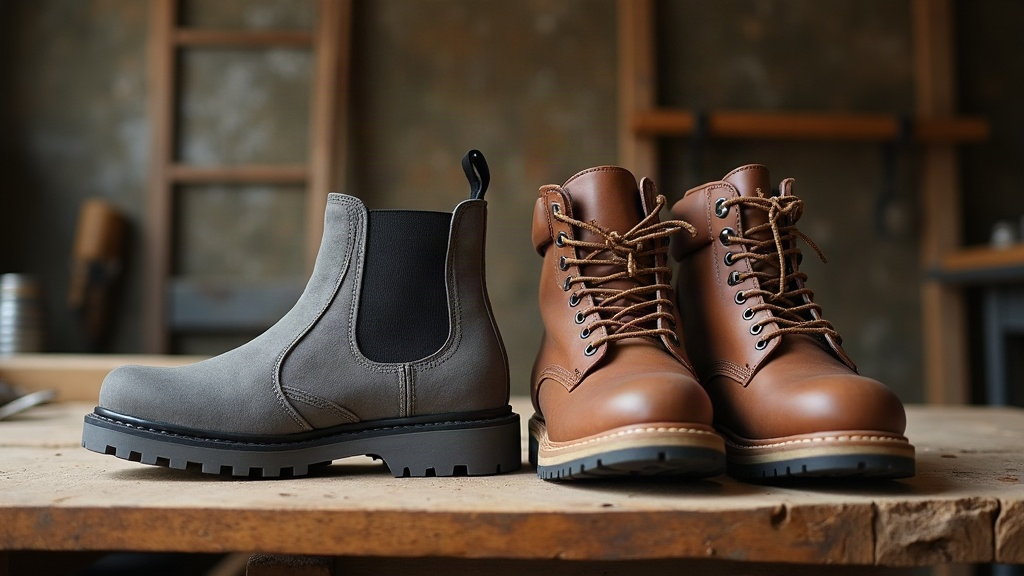
What to Look for in a Work Boot When Your Ankle Is Still Healing
Your ankle is weaker than it was. The tendons and ligaments around a healed fracture take longer to regain full strength than the bone itself. Your boot needs to make up for that deficit.
| Feature | Why It Matters Post-Fracture | What to Look For |
|---|---|---|
| Ankle height | Reduces lateral roll on uneven ground | 6-inch or 8-inch cut |
| Toe box width | Post-fracture swelling is common for months | Wide or extra-wide sizing |
| Heel drop | High drop stresses the Achilles and ankle | Under 8mm if possible |
| Insole cushioning | Hard floors hammer a healing fracture site | Removable insole, room for an orthotic |
| Outsole rigidity | Limits flex at the ankle joint during healing | Stiff shank, not a flexible sole |
| Lacing system | Allows adjustment for swelling throughout the day | Traditional laces over speed hooks |
Side Effects of Wearing a Walking Boot Too Long (And How to Handle Them)
The boot is medicine, but it's not neutral. Wearing it past the point your doctor recommends creates new problems while the old one heals.
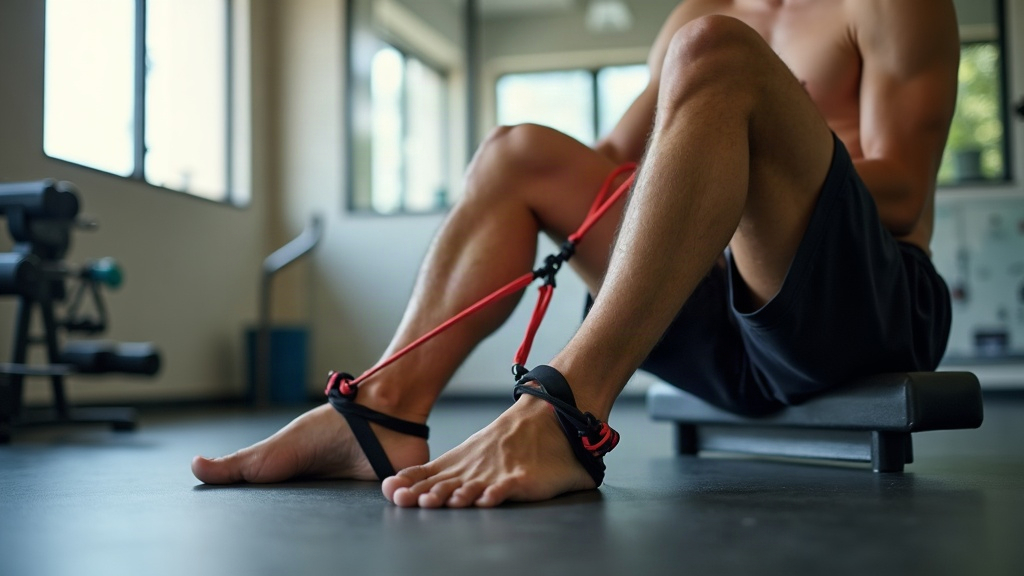
- Calf atrophy: The muscles shrink fast. PT and resistance bands help rebuild them.
- Knee pain: The boot changes your gait and loads the opposite knee differently. A temporary shoe lift on the healthy side can reduce this.
- Hip and lower back strain: Same root cause: altered gait mechanics for weeks on end.
- Foot stiffness: The ankle joint loses range of motion without movement. Daily gentle range-of-motion exercises are non-negotiable.
Mistakes That Send Workers Back to Square One During Ankle Recovery
These are the ones that show up in the orthopedic office, over and over, from guys who thought they were tough enough to outwork the timeline.
- Ditching the boot early because it felt fine. Bone healing and pain levels don't move at the same rate.
- Skipping PT. Physical therapy isn't optional for people with physical jobs. It's what gets you back to full strength.
- Going back to full hours on day one. Start with half days. Your ankle will swell badly by hour five if you skip this step.
- Ignoring swelling. Daily swelling that doesn't go down overnight is a signal, not something to push through.
- Buying cheap work boots. This is the wrong time to save $40. A well-built boot with ankle support is injury prevention, not a luxury.
Real Talk: What Tradespeople Who've Been Through It Say About Getting Back to Work
The consistent theme from electricians, ironworkers, and concrete guys who've dealt with ankle fractures: the first two weeks back on the job are harder than expected, no matter how ready you feel.
Most say the ground surface matters more than they thought. Concrete and gravel are brutal early on. Dirt and grass are more forgiving. A lot of guys started with a modified role for 2 to 3 weeks before going back to full duty.
The other thing that comes up: compression socks. Wearing a quality compression sock under the work boot cuts down on end-of-day swelling significantly during the first month back.
Before You Lace Up for Your First Day Back
Get written clearance from your doctor that specifies your work restrictions. Take it to HR or your foreman. This protects you legally and medically.
Bring your boot to the jobsite for the first two weeks, even if you're not wearing it. If the ankle starts complaining, you want it available.
- Wear a compression sleeve under your work boot for the first 4 to 6 weeks back.
- Ice the ankle for 15 minutes at the end of every shift, for the first month.
- Keep your PT appointments, even when you feel good.
- Report any sharp or new pain to your doctor, don't wait for the next scheduled visit.
