


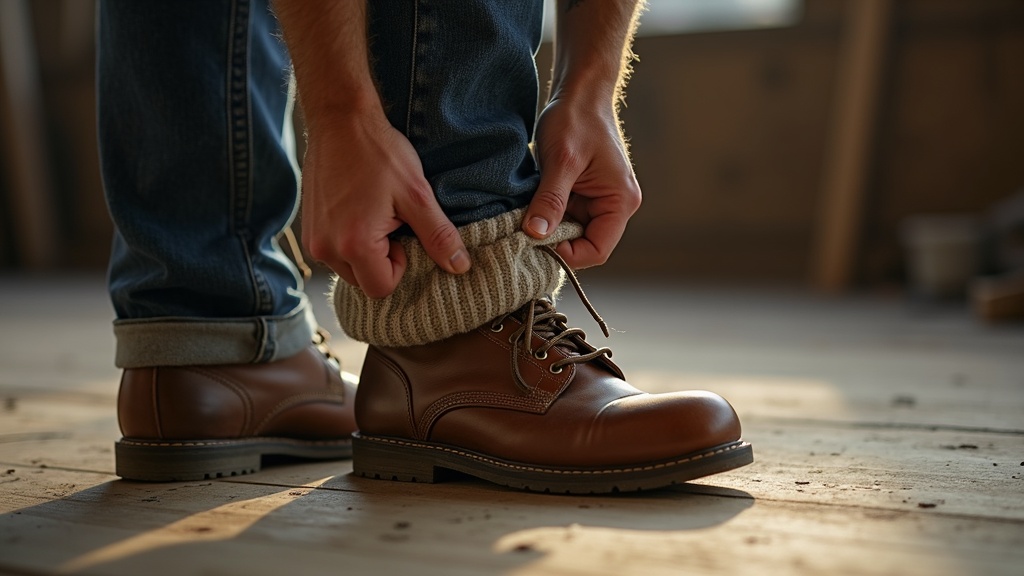
You didn't switch to wool because it sounded fancy. You switched because your cotton socks were wrecked by noon, your feet were soaked, and blisters were costing you focus on the job. That's the real story for most workers.
Wool work socks aren't a trend. They're a fix to a problem that cotton has never fully solved, and once you feel the difference after a twelve-hour shift, you don't go back.
Key points at a glance
- Cotton holds sweat against your skin. Wool pulls it away and keeps your foot dry.
- Wool regulates temperature in both heat and cold, making it a year-round sock.
- A quality wool work sock outlasts three to five pairs of cotton by a wide margin.
- Merino wool is the go-to fiber for workers who want comfort without bulk.
- The higher upfront cost per pair pays back fast when you stop replacing socks every month.
- Cotton still has a place, but not inside a steel-toe boot on a ten-hour shift.
Why wool wins on the job site
Cotton Felt Fine Until You Started Working Real Hours
A cotton sock on a short errand or a casual day is fine. Nobody's arguing that. The problem shows up around hour four of a full shift when you're hauling material, climbing scaffolding, or standing on concrete all day.
Cotton saturates. It soaks up sweat and holds it. That wet sock sitting against your skin is the beginning of everything that makes a long day miserable: friction, hotspots, and eventually blisters that affect how you walk and work.
Most workers don't even realize how bad the situation is until they try something different. The contrast is immediate.
Read also: Soft vs Firm Insoles for Work Boots: What Actually Works
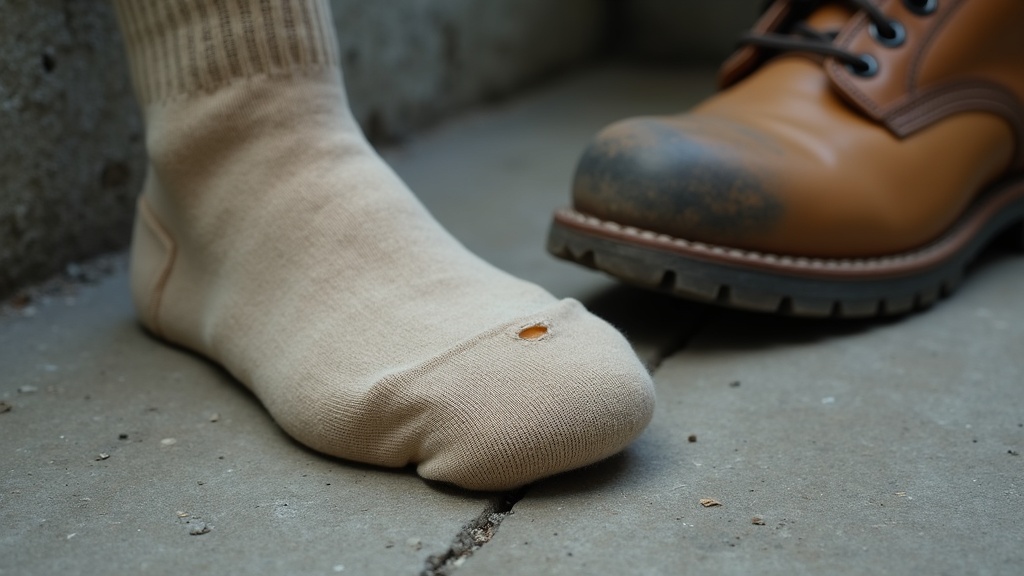
What Cotton Does to Your Feet Over a Full Shift
Here's what's actually happening inside your boot when you're wearing cotton all day.
- Moisture buildup: Cotton absorbs up to 27 times its weight in water. Once it's saturated, it stays wet.
- Friction increase: A wet sock bunches and shifts. That movement against your skin creates hot spots faster than a dry sock ever would.
- Temperature swing: Wet cotton chills fast when you stop moving, and gets clammy in heat. There's no regulation happening.
- Odor: Bacteria thrive in that warm, moist environment. Cotton gives them exactly what they want.
For workers in construction, roofing, electrical, or any trade that has you on your feet for ten-plus hours, those aren't minor annoyances. They add up and wear you down.
Did you know?
Wool fiber is naturally crimped at the microscopic level, creating tiny air pockets that trap warmth and allow moisture vapor to escape simultaneously. Cotton has no such structure, which is why it wets through and stays that way.
How Wool Actually Handles Sweat, Heat, and Cold
Wool doesn't absorb sweat the way cotton does. It pulls moisture vapor away from your skin before it becomes liquid and releases it into the air. Your foot stays noticeably drier.
For wool socks for summer work, this matters even more than in winter. When it's 95 degrees on a rooftop, merino wool keeps your core foot temperature lower than cotton does. The fiber itself can absorb up to 30% of its weight in moisture without feeling wet to the touch.
In cold conditions, wool insulates even when damp. Cotton loses nearly all insulating value the moment it gets wet. That's not a small difference on a January framing site.
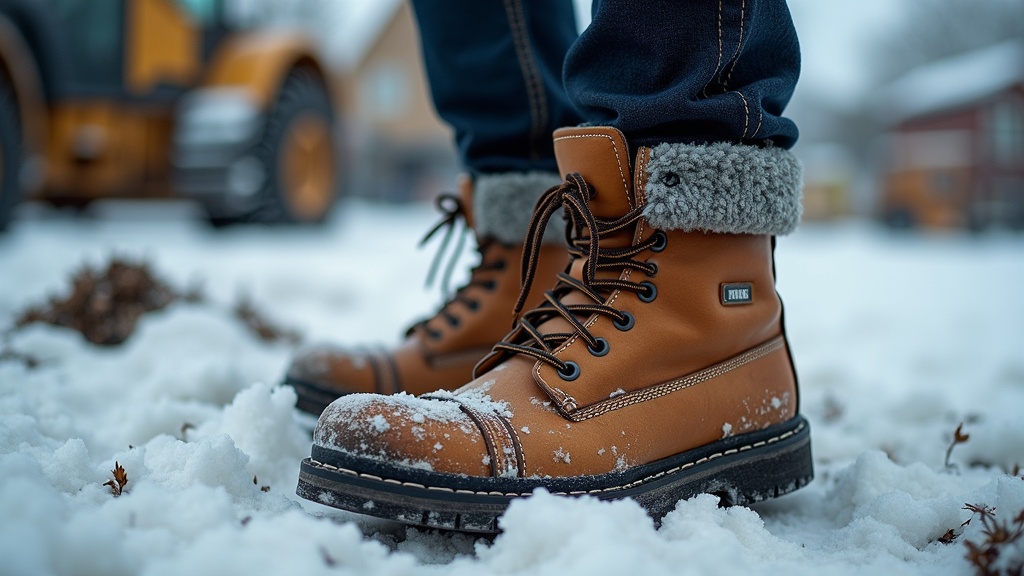
Durability: Which Sock Survives the Job Site
Cotton socks falling apart is such a common experience that most workers just accept it. Heel blows out after a few weeks. The elastic at the cuff stretches out. The toe wears thin. You toss them and grab a new pack from the hardware store.
Wool work socks, especially those reinforced with nylon at high-wear zones, are built to take serious punishment. Wool durability on work socks comes down to the fiber's natural elasticity. Wool can be bent over 20,000 times before it breaks. Cotton snaps after about 3,000.
| Feature | Cotton Work Sock | Merino Wool Work Sock |
|---|---|---|
| Moisture management | Absorbs and holds sweat | Wicks vapor, stays dry to touch |
| Temperature regulation | None, warms or chills with conditions | Active regulation in heat and cold |
| Average lifespan (daily use) | 3 to 6 weeks | 6 to 18 months |
| Odor resistance | Low, needs daily washing | High, naturally antimicrobial |
| Comfort when wet | Heavy, clammy, causes friction | Maintains cushion, stays soft |
| Price per pair | $2 to $6 | $15 to $30 |
Is Wool Worth the Extra Cost Per Pair
Run the math. A $4 cotton sock that lasts four weeks, replaced every month, costs around $48 a year per pair cycle. A $22 wool work sock that holds up for a year costs $22. Wool socks worth the money isn't even a question once you do that math.
That's before you count the intangibles: fewer blisters, better foot health, less fatigue at the end of a shift. Those things have real value when your livelihood depends on being on your feet every day.
Did you know?
Merino wool fibers measure between 17 and 24 microns in diameter. Human hair runs about 70 microns. That fineness is why merino doesn't scratch, unlike coarser wool grades that would be unwearable inside a boot all day.
What Workers in the Trades Say After Making the Switch
The feedback from carpenters, electricians, ironworkers, and laborers who move to wool work socks is consistent. Dry feet, less odor, no more mid-day blister problems.
The most common comment is that they wished they'd switched sooner. The second most common is that they now own fewer pairs total because the wool ones don't fall apart in a month.
A few trades have specific needs worth noting:
- Construction workers: Cushioned heel and arch support matter. Look for reinforced zones in any sock you buy.
- Electricians and HVAC techs: Lots of ladder work. You want a sock that won't slip inside the boot.
- Outdoor laborers in summer: Lightweight merino at 150 to 200 gsm keeps feet cool without sacrificing moisture management.
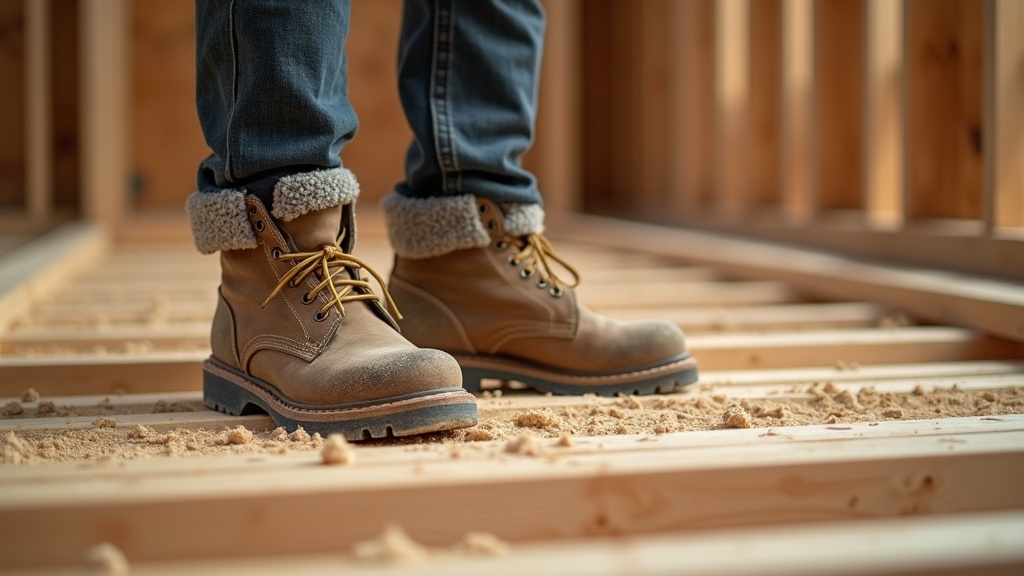
When Cotton Still Makes Sense (And When It Doesn't)
Cotton has its place. Light office work, low-activity days, casual wear around the house. If you're not sweating and you're not on your feet for hours, a cotton sock is perfectly fine.
Where cotton doesn't belong:
- Inside a steel-toe boot for eight hours or more
- Any job with physical labor in warm or humid conditions
- Outdoor work in cold weather
- Any situation where blisters or foot fatigue affect your performance
If your sock is inside a work boot doing hard work, cotton is the wrong tool for the job. That's not an opinion, it's just how the fibers perform under pressure.
Read also: Arch Support Insoles for Warehouse Work: What Actually Holds Up
What to Look for in a Wool Work Sock Before You Buy
Not all wool work socks are equal. Here's what matters when you're picking a pair that'll actually hold up.
Fiber content
Look for at least 60% merino wool. The rest is usually nylon for durability and a small percentage of spandex for fit. Avoid blends where wool is under 40%: you lose most of the performance benefits.
Weight and thickness
For summer or warmer climates, go lightweight (150 to 200 gsm). For year-round heavy work or cold weather, midweight (250 to 350 gsm) gives you cushioning and warmth without overheating.
Reinforced zones
Heel and toe reinforcement is the difference between a sock that lasts a year and one that blows out in two months. Nylon-reinforced zones are standard in any sock built for job sites.
Seamless toe construction
A bulky toe seam inside a snug boot creates a pressure point over a long shift. Hand-linked or seamless toes eliminate that entirely.
Fit and cuff height
A mid-calf or crew height keeps the sock from slipping down inside the boot. If you're constantly reaching down to pull your sock up, the cuff is too short or the elastic is too weak.
Start with two or three pairs, rotate them through a full work week, and wash them according to the label (most merino blends are machine washable on a gentle cycle). You'll have a clear answer by Friday on whether the switch is worth it. It usually is.
